Zhai Chao-Zeng, Zhao Lei, Yin Li-Juan, Chen Ming, Wang Qing-Yu, Li Lian-Cheng, Xu Zhao-Shi, Ma You-Zhi
Institute of Crop Science, Chinese Academy of Agricultural Sciences/National Key Facility for Crop Gene Resources and Genetic Improvement, Key Laboratory of Biology and Genetic Improvement of Triticeae Crops, Ministry of Agriculture, Beijing, China.
PLoS One. 2013 Oct 2;8(10):e73989. doi: 10.1371/journal.pone.0073989. eCollection 2013.
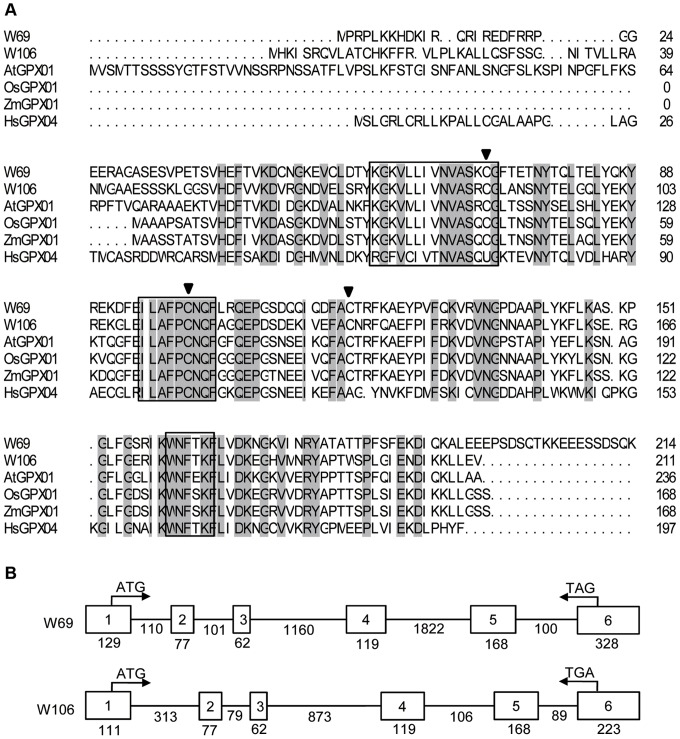
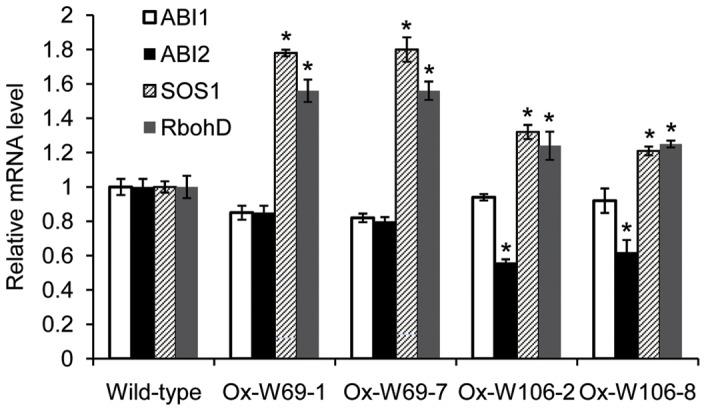
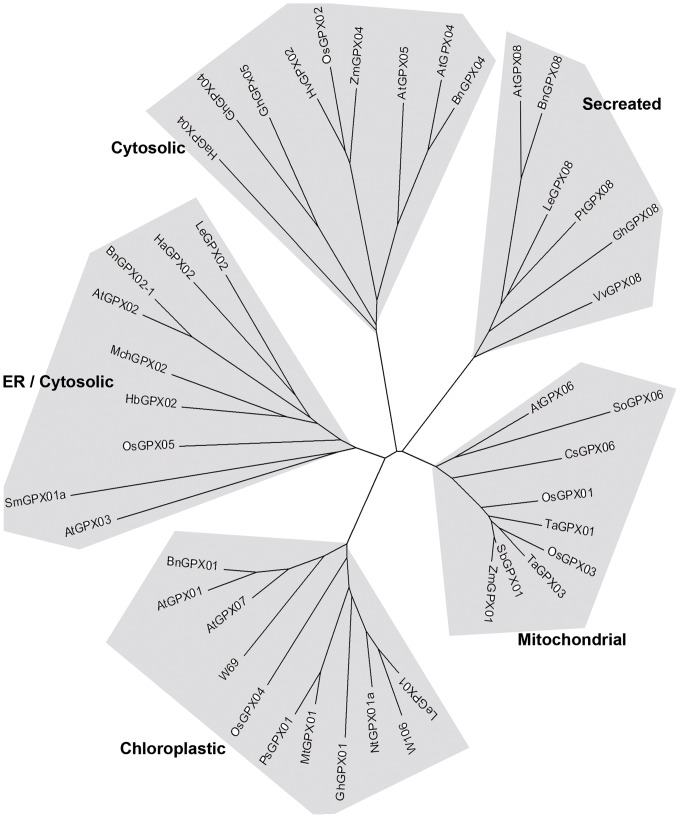
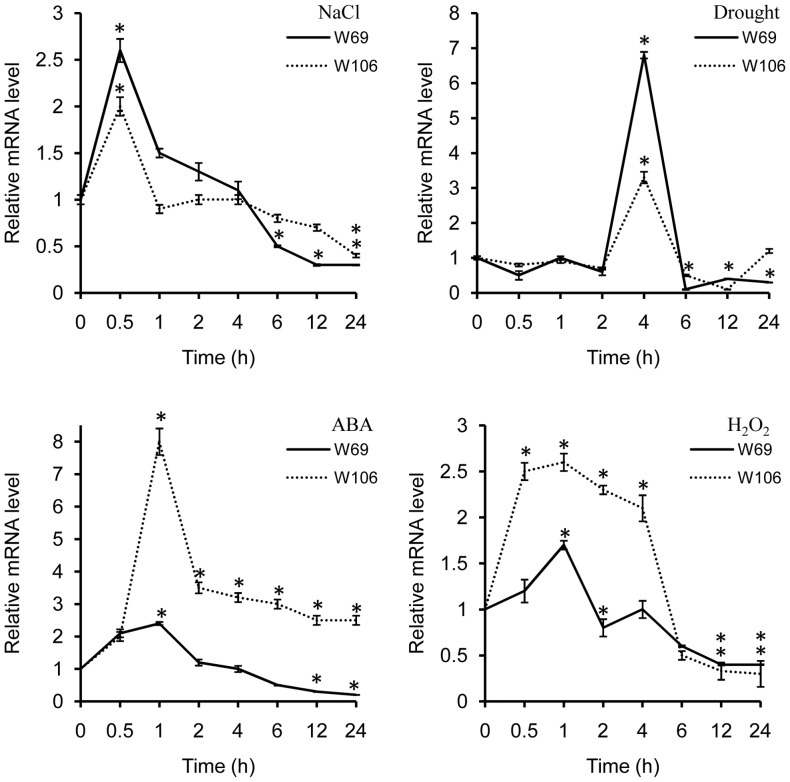
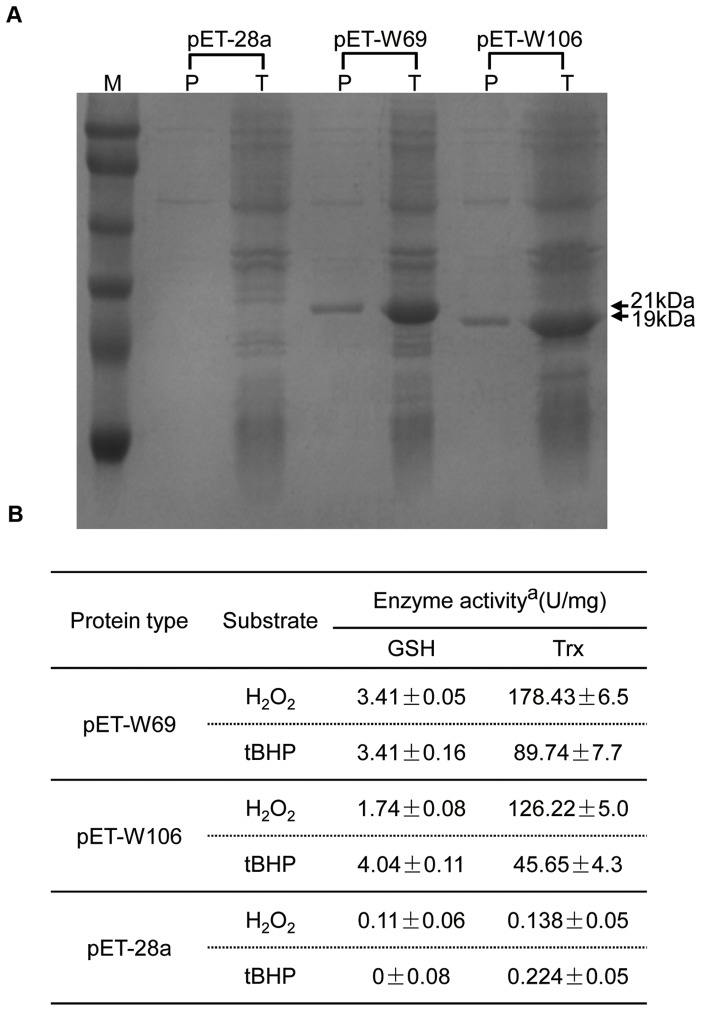
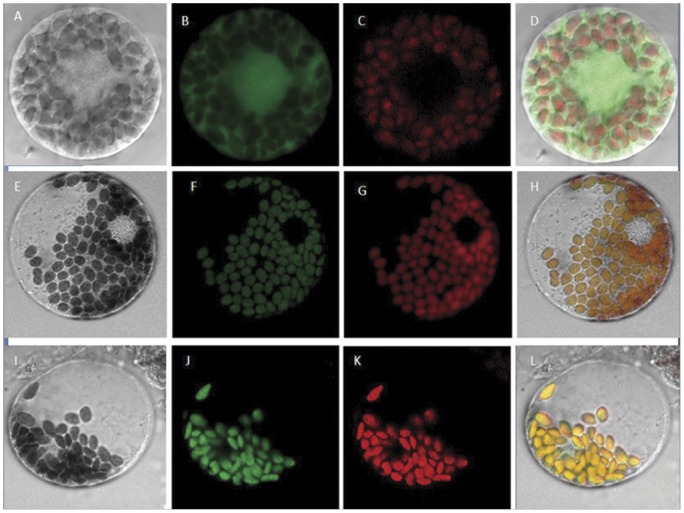
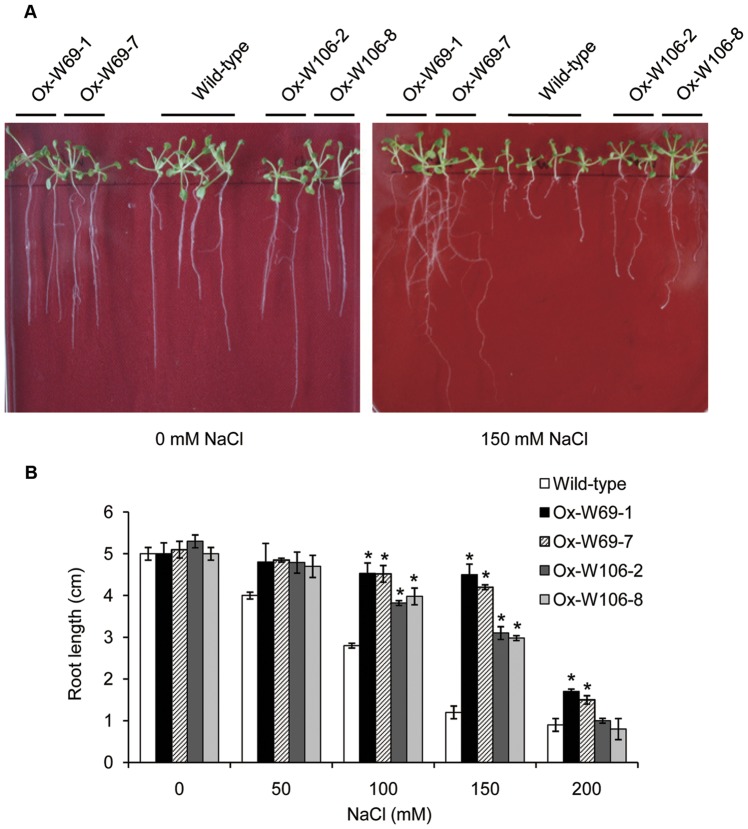
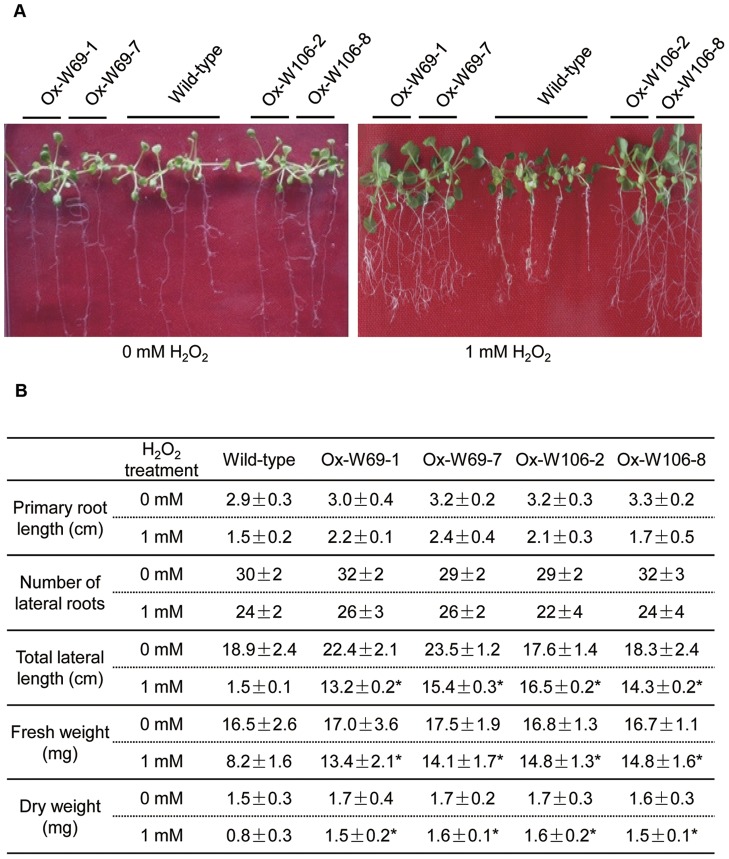
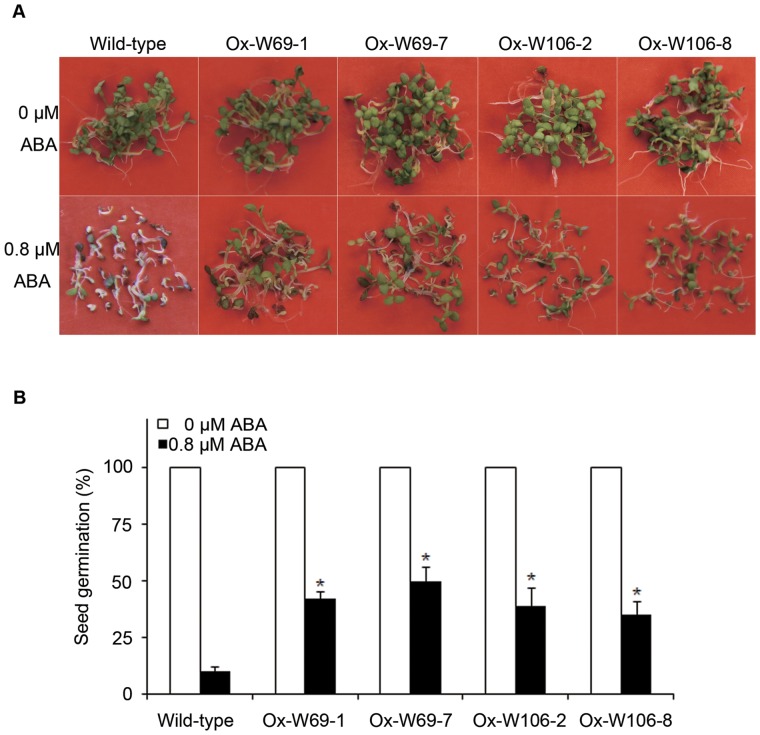
Oxidative stress caused by accumulation of reactive oxygen species (ROS) is capable of damaging effects on numerous cellular components. Glutathione peroxidases (GPXs, EC 1.11.1.9) are key enzymes of the antioxidant network in plants. In this study, W69 and W106, two putative GPX genes, were obtained by de novo transcriptome sequencing of salt-treated wheat (Triticum aestivum) seedlings. The purified His-tag fusion proteins of W69 and W106 reduced H2O2 and t-butyl hydroperoxide (t-BHP) using glutathione (GSH) or thioredoxin (Trx) as an electron donor in vitro, showing their peroxidase activity toward H2O2 and toxic organic hydroperoxide. GFP fluorescence assays revealed that W69 and W106 are localized in chloroplasts. Quantitative real-time PCR (Q-RT-PCR) analysis showed that two GPXs were differentially responsive to salt, drought, H2O2, or ABA. Isolation of the W69 and W106 promoters revealed some cis-acting elements responding to abiotic stresses. Overexpression of W69 and W106 conferred strong tolerance to salt, H2O2, and ABA treatment in Arabidopsis. Moreover, the expression levels of key regulator genes (SOS1, RbohD and ABI1/ABI2) involved in salt, H2O2 and ABA signaling were altered in the transgenic plants. These findings suggest that W69 and W106 not only act as scavengers of H2O2 in controlling abiotic stress responses, but also play important roles in salt and ABA signaling.
由活性氧(ROS)积累引起的氧化应激能够对众多细胞成分产生损害作用。谷胱甘肽过氧化物酶(GPXs,EC 1.11.1.9)是植物抗氧化网络的关键酶。在本研究中,通过对盐处理的小麦(Triticum aestivum)幼苗进行从头转录组测序,获得了两个假定的GPX基因W69和W106。W69和W106的纯化His标签融合蛋白在体外以谷胱甘肽(GSH)或硫氧还蛋白(Trx)作为电子供体还原H2O2和叔丁基过氧化氢(t-BHP),显示出它们对H2O2和有毒有机过氧化物的过氧化物酶活性。绿色荧光蛋白(GFP)荧光测定表明W69和W106定位于叶绿体中。定量实时PCR(Q-RT-PCR)分析表明,这两个GPX对盐、干旱、H2O2或脱落酸(ABA)有不同的反应。W69和W106启动子的分离揭示了一些响应非生物胁迫的顺式作用元件。W69和W106的过表达赋予拟南芥对盐、H2O2和ABA处理的强耐受性。此外,转基因植物中参与盐、H2O2和ABA信号传导的关键调节基因(SOS1、呼吸爆发氧化酶蛋白D(RbohD)和ABI1/ABI2)的表达水平发生了改变。这些发现表明,W69和W106不仅在控制非生物胁迫反应中作为H2O2的清除剂发挥作用,而且在盐和ABA信号传导中也发挥重要作用。