Instituto de Biologia, Programa de Pós-graduação em Biología Marinha, Universidade Federal Fluminense, Campus do Valonguinho, Niterói, Rio de Janeiro, Brasil.
PLoS One. 2013 Sep 30;8(9):e76202. doi: 10.1371/journal.pone.0076202. eCollection 2013.
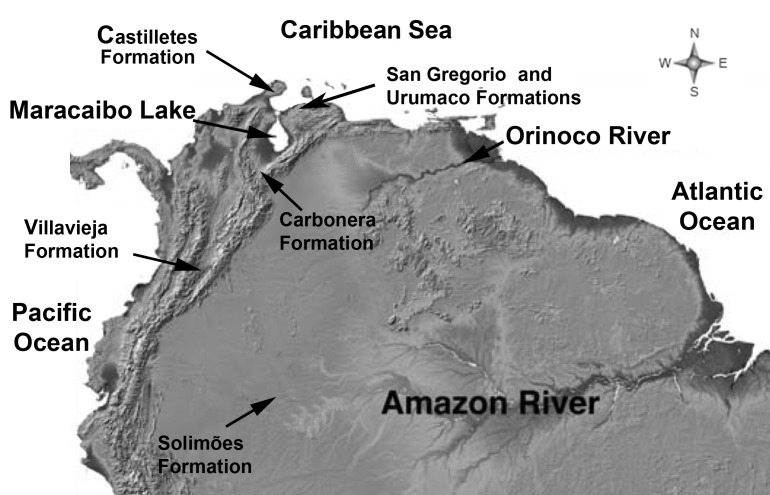
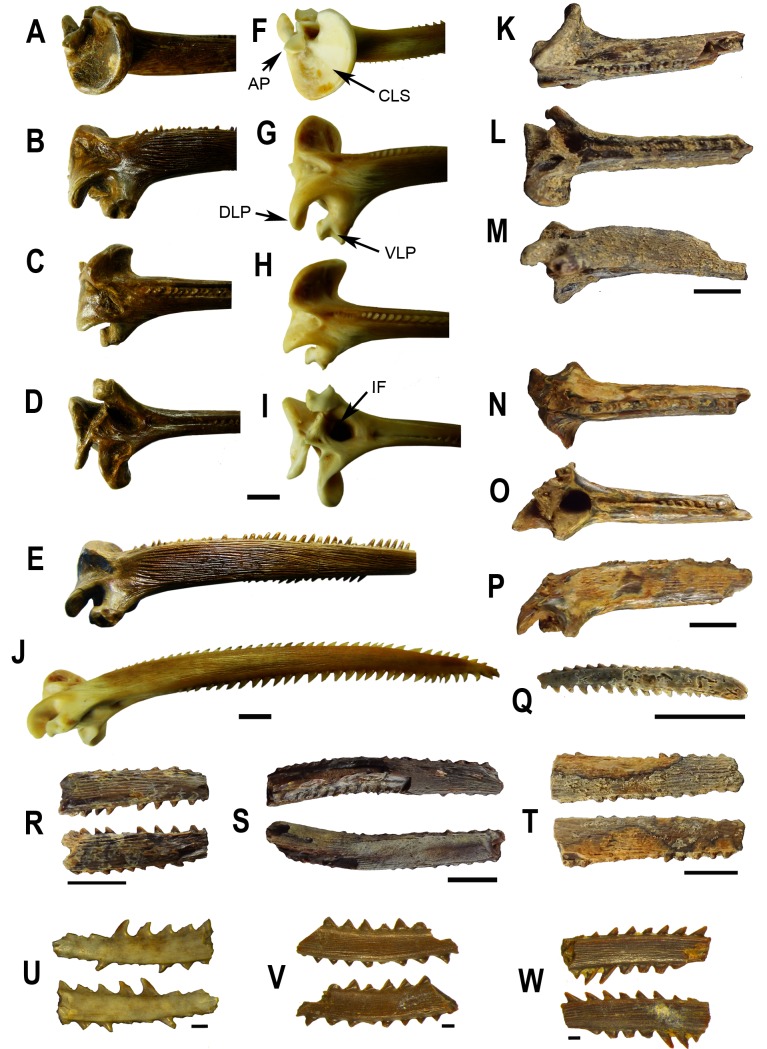
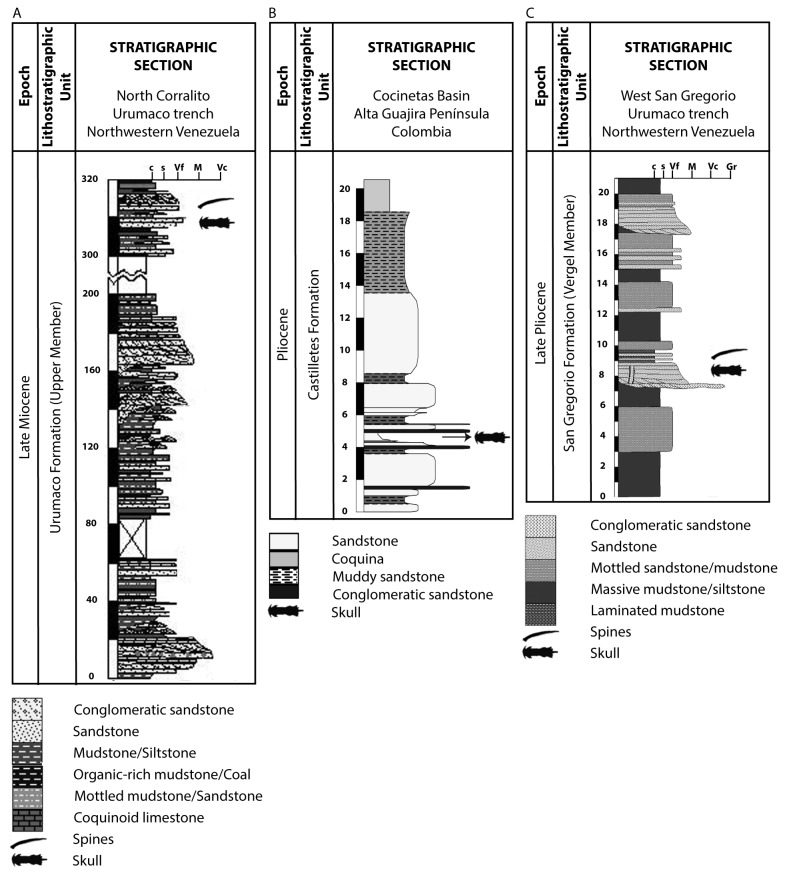
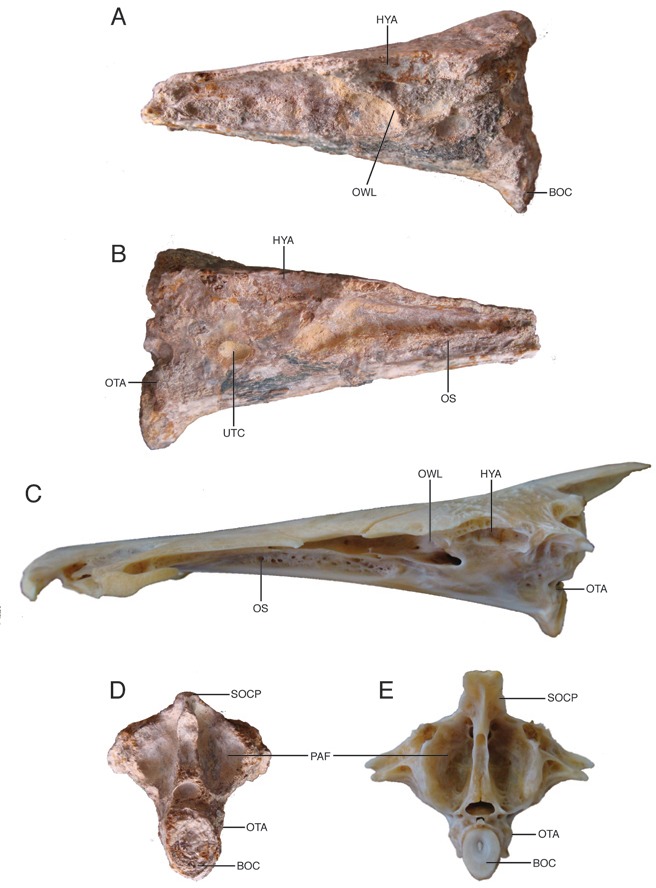
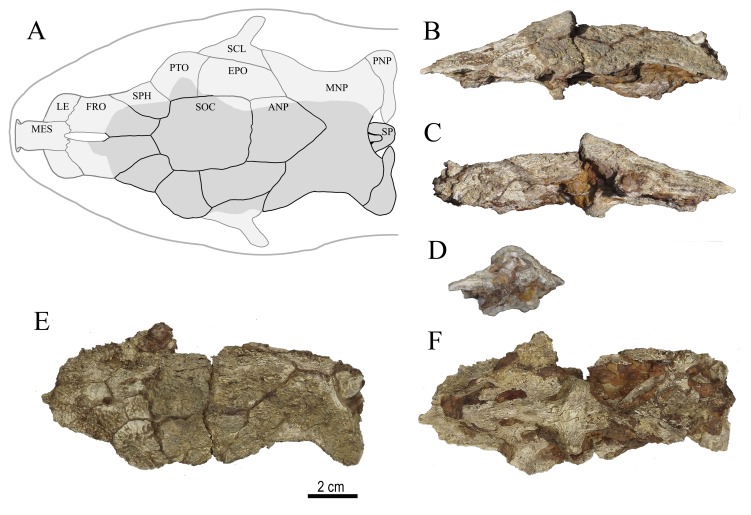
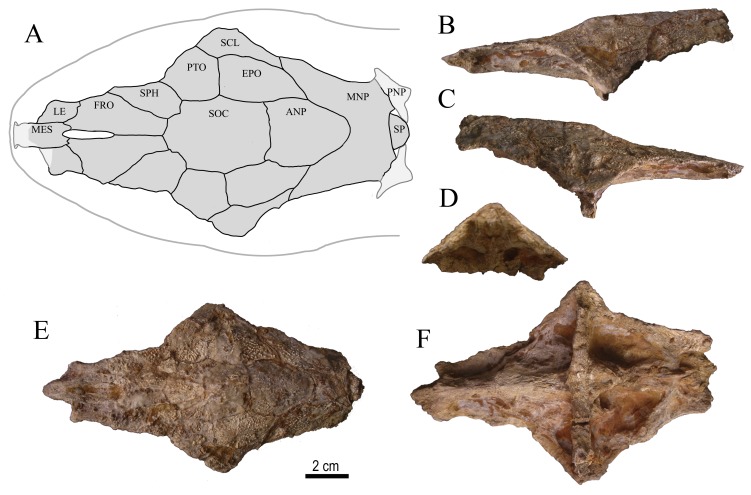
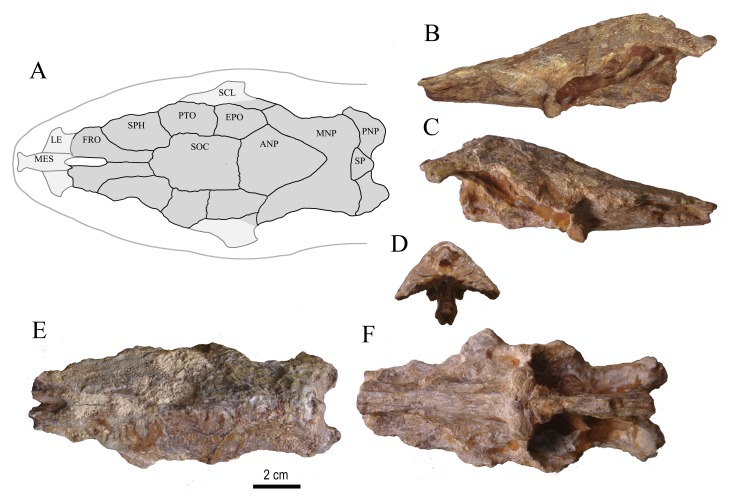
Fossil catfishes from fluvio-lacustrine facies of late Miocene Urumaco, early Pliocene Castilletes and late Pliocene San Gregorio formations provide evidence of a hydrographic connection in what is today desert regions of northern Colombia and Venezuela. New discoveries and reevaluation of existing materials leads to the recognition of two new records of the pimelodid Brachyplatystoma cf. vaillantii, and of three distinct doradid taxa: Doraops sp., Rhinodoras sp., and an unidentified third form. The presence of fossil goliath long-whiskered catfishes and thorny catfishes are indicative of the persistence of a fluvial drainage system inflow into the South Caribbean during the Pliocene/Pleistocene boundary, complementary to the previous western Amazonian hydrographic system described from the Middle Miocene Villavieja Formation in central Colombia and Late Miocene Urumaco Formation in northwestern Venezuela. The Pliocene Castilletes and San Gregorio formations potentially represent the last lithostratigraphic units related with an ancient western Amazonian fish fauna and that drainage system in the Caribbean. Alternatively, it may preserve faunas from a smaller, peripheral river basin that was cut off earlier from the Amazon-Orinoco, today found in the Maracaibo basin and the Magdalena Rivers.
产自上新世晚期乌鲁马科河相、更新世早期卡斯特利特斯相和更新世晚期圣格雷戈里奥相的化石猫科鱼类为当今哥伦比亚北部和委内瑞拉沙漠地区的水文联系提供了证据。新的发现和对现有材料的重新评估导致了两个新的记录,即 pimelodid Brachyplatystoma cf. vaillantii 的记录,以及三个不同的doradid 分类群:Doraops sp.、Rhinodoras sp. 和一种未识别的第三种形式。化石巨头长须鲶鱼和多刺鲶鱼的存在表明,在上新世/更新世边界期间,一个河流排水系统持续流入南加勒比海,这与以前从中新世中期哥伦比亚中部的维拉维耶哈组和上新世晚期委内瑞拉西北部的乌鲁马科组描述的西部亚马逊河流域系统相辅相成。更新世的卡斯特利特斯相和圣格雷戈里奥相可能代表了与古老的西部亚马逊鱼类动物群和加勒比地区相关的最后一个岩石地层单元。或者,它可能保存了更早与亚马逊-奥里诺科河分离的较小的、外围河流盆地的动物群,今天在马拉开波盆地和马格达莱纳河发现了这些动物群。