Department of Molecular Biology, University of Wyoming.
Genome Biol Evol. 2013;5(10):2008-18. doi: 10.1093/gbe/evt151.
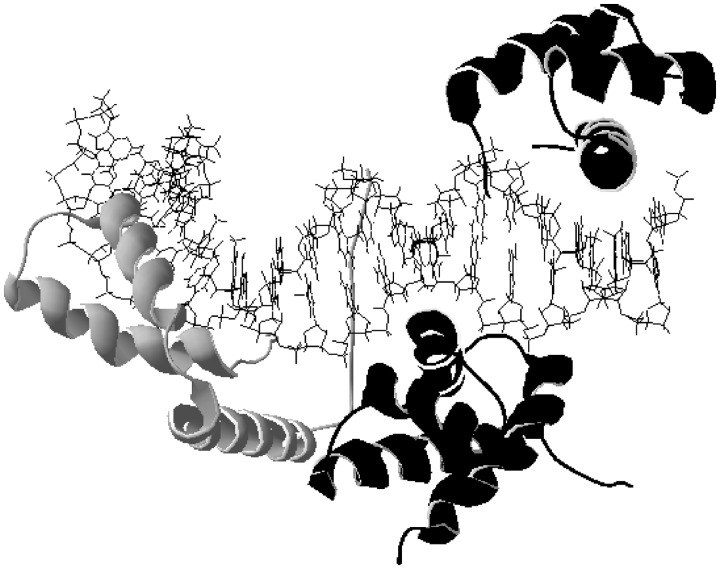
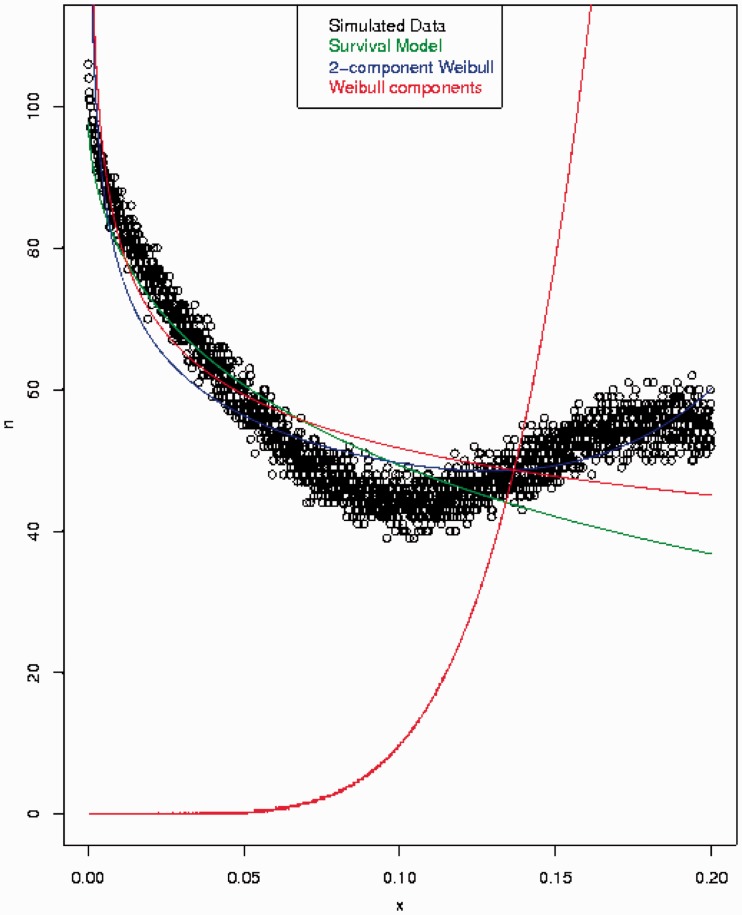
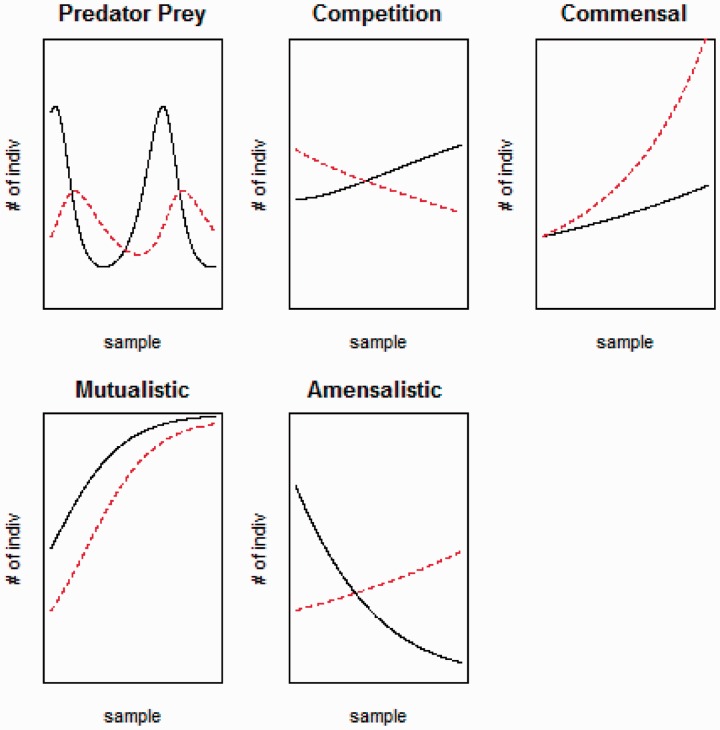
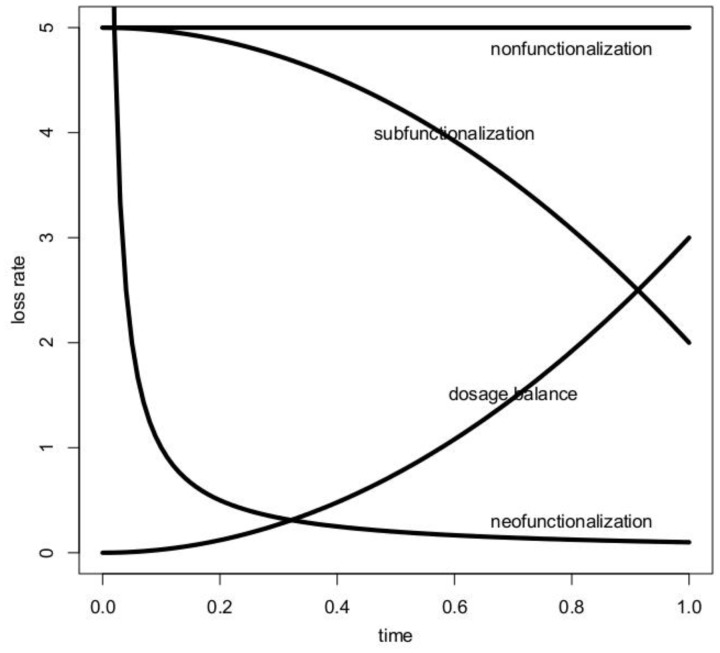
Computational genomics is now generating very large volumes of data that have the potential to be used to address important questions in both basic biology and biomedicine. Addressing these important biological questions becomes possible when mechanistic models rooted in biochemistry and evolutionary/population genetic processes are developed, instead of fitting data to off-the-shelf statistical distributions that do not enable mechanistic inference. Three examples are presented, the first involving ecological processes inferred from metagenomic data, the second involving mechanisms of gene regulation rooted in protein-DNA interactions with consideration of DNA structure, and the third involving existing models for the retention of duplicate genes that enables prediction of evolutionary mechanisms. This description of mechanistic models is generalized toward future developments in computational genomics and the need for biological mechanisms and processes in biological models.
计算基因组学正在产生大量的数据,这些数据有可能用于解决基础生物学和生物医学中的重要问题。当基于生物化学和进化/群体遗传过程的机制模型被开发出来,而不是将数据拟合到不能进行机制推断的现成统计分布时,解决这些重要生物学问题就成为可能。本文提出了三个例子,第一个涉及从宏基因组数据推断出的生态过程,第二个涉及基于蛋白质-DNA 相互作用并考虑 DNA 结构的基因调控机制,第三个涉及用于预测进化机制的重复基因保留的现有模型。这种对机制模型的描述被推广到计算基因组学的未来发展以及生物模型中对生物机制和过程的需求。