Macdermid Joy C, Miller Jordan, Gross Anita R
School of Rehabilitation Science, McMaster University, Hamilton, Ontario and Hand and Upper Limb Centre Clinical Research Laboratory, St. Joseph's Health Centre, 268 Grosvenor St., London, Ontario, N6A 3A8, Canada.
Open Orthop J. 2013 Sep 20;7:582-93. doi: 10.2174/1874325001307010582. eCollection 2013.
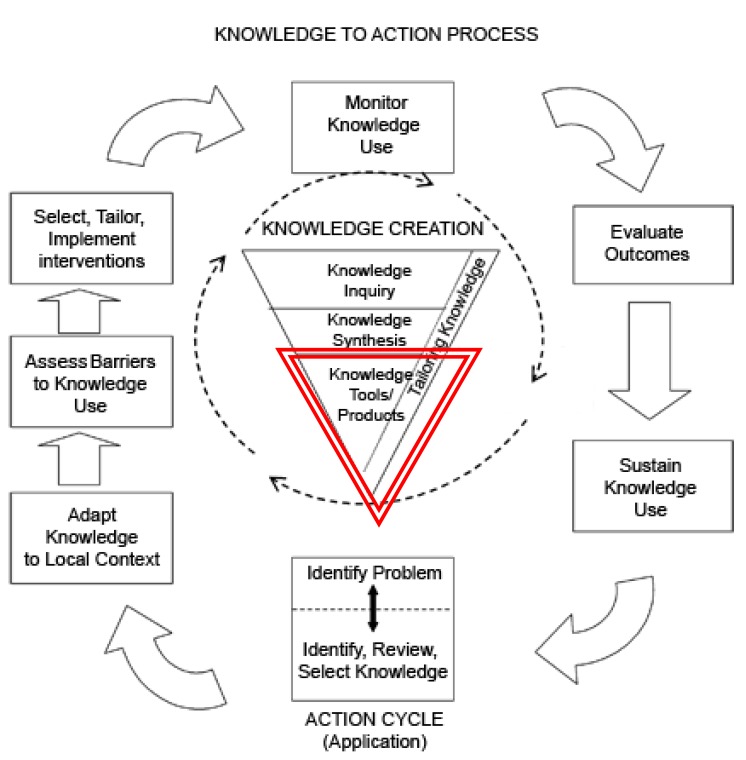
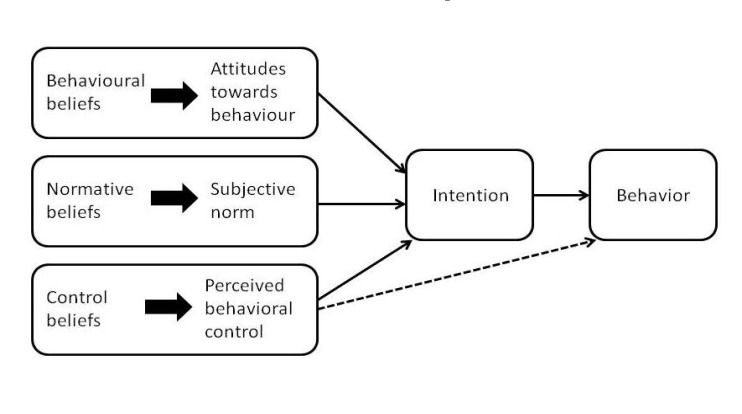
Development or synthesis of the best clinical research is in itself insufficient to change practice. Knowledge translation (KT) is an emerging field focused on moving knowledge into practice, which is a non-linear, dynamic process that involves knowledge synthesis, transfer, adoption, implementation, and sustained use. Successful implementation requires using KT strategies based on theory, evidence, and best practice, including tools and processes that engage knowledge developers and knowledge users. Tools can provide instrumental help in implementing evidence. A variety of theoretical frameworks underlie KT and provide guidance on how tools should be developed or implemented. A taxonomy that outlines different purposes for engaging in KT and target audiences can also be useful in developing or implementing tools. Theoretical frameworks that underlie KT typically take different perspectives on KT with differential focus on the characteristics of the knowledge, knowledge users, context/environment, or the cognitive and social processes that are involved in change. Knowledge users include consumers, clinicians, and policymakers. A variety of KT tools have supporting evidence, including: clinical practice guidelines, patient decision aids, and evidence summaries or toolkits. Exemplars are provided of two KT tools to implement best practice in management of neck pain-a clinician implementation guide (toolkit) and a patient decision aid. KT frameworks, taxonomies, clinical expertise, and evidence must be integrated to develop clinical tools that implement best evidence in the management of neck pain.
最佳临床研究的开发或合成本身并不足以改变实践。知识转化(KT)是一个新兴领域,专注于将知识转化为实践,这是一个非线性的动态过程,涉及知识合成、转移、采用、实施和持续使用。成功的实施需要使用基于理论、证据和最佳实践的KT策略,包括让知识开发者和知识使用者参与的工具和流程。工具可以在实施证据方面提供帮助。多种理论框架构成了KT的基础,并为工具的开发或实施提供指导。一个概述参与KT的不同目的和目标受众的分类法在开发或实施工具时也可能有用。构成KT基础的理论框架通常对KT有不同的观点,对知识、知识使用者、背景/环境或变革中涉及的认知和社会过程的特征有不同的关注重点。知识使用者包括消费者、临床医生和政策制定者。多种KT工具都有支持证据,包括:临床实践指南、患者决策辅助工具以及证据总结或工具包。文中给出了两个在颈部疼痛管理中实施最佳实践的KT工具示例——一个临床医生实施指南(工具包)和一个患者决策辅助工具。必须整合KT框架、分类法、临床专业知识和证据,以开发在颈部疼痛管理中实施最佳证据的临床工具。