Department of Poisoning and Occupational Disease, Qilu Hospital of Shandong University, Jinan, Shandong, China.
PLoS One. 2013 Oct 14;8(10):e75943. doi: 10.1371/journal.pone.0075943. eCollection 2013.
Paraquat poisoning is well known for causing multiple organ function failure (MODS) and high mortality. Acute lung injury and advanced pulmonary fibrosis are the most serious complications. Bosentan is a dual endothelin receptor antagonist. It plays an important role in treating PF. There is no related literature on the use of bosentan therapy for paraquat poisoning.
To study the use of bosentan to treat acute lung injury and pulmonary fibrosis as induced by paraquat.
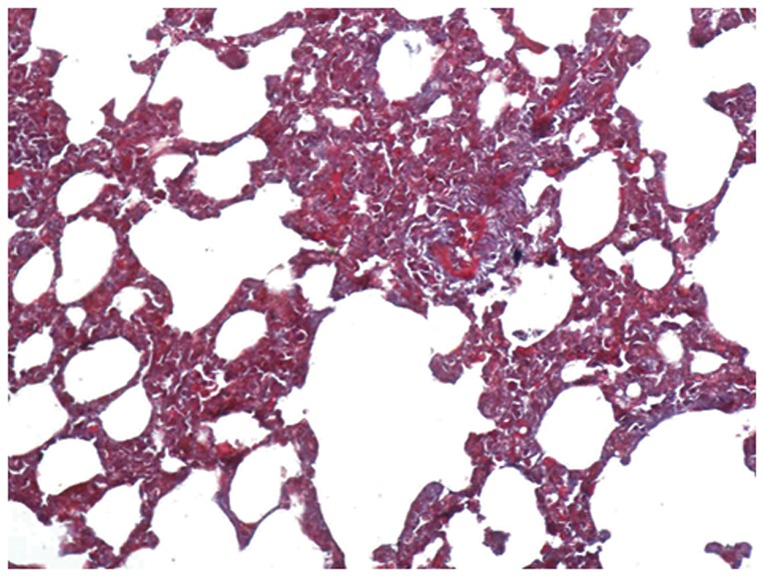
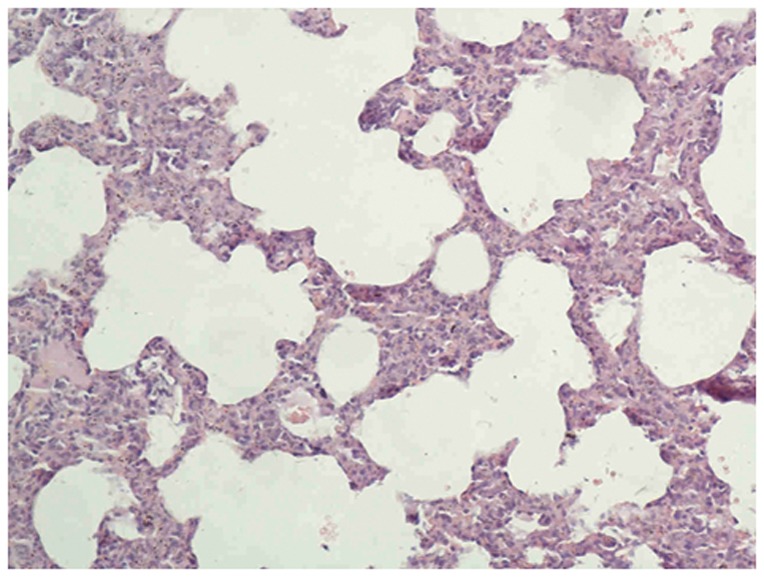
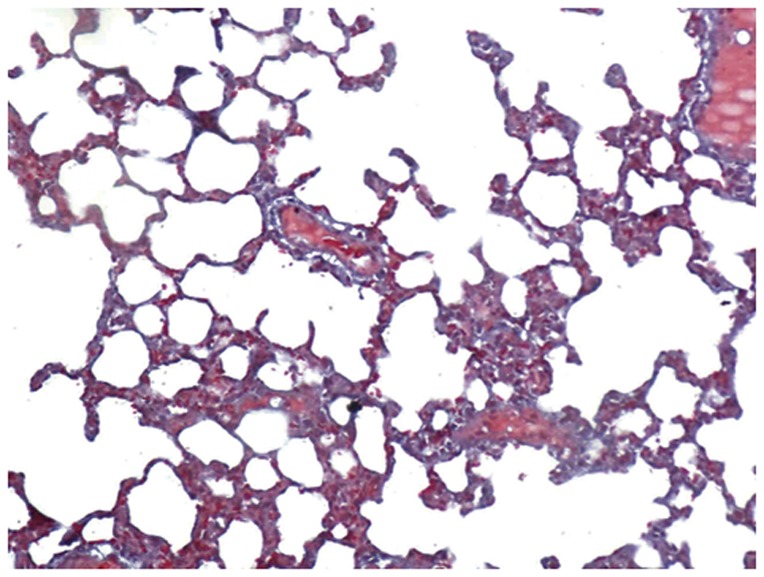
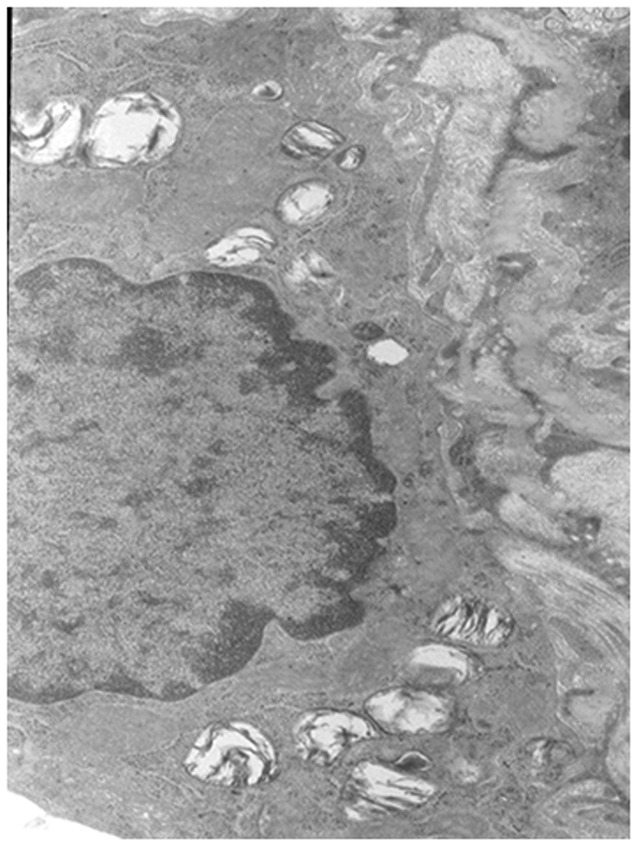
A total of 120 adult Wister male rats were randomly assigned to three groups: the paraquat poisoning group (rats were intragastrically administered with paraquat at 50 mg/kg body weight once at the beginning); the bosentan therapy group (rats were administered bosentan at 100 mg/kg body weight by intragastric administration half an hour after paraquat was administered, then the same dose was administered once a day); and a control group (rats were administered intragastric physiological saline). On the 3rd, 7th, 14th, and 21st days following paraquat exposure, rats were sacrificed, and samples of lung tissue and venous blood were collected. The levels of transforming growth factor-β1 (TGF-β1), endothelin-1 (ET-1), and hydroxyproline (HYP) in the plasma and lung homogenate were determined. Optical and electronic microscopes were used to examine pathological changes.
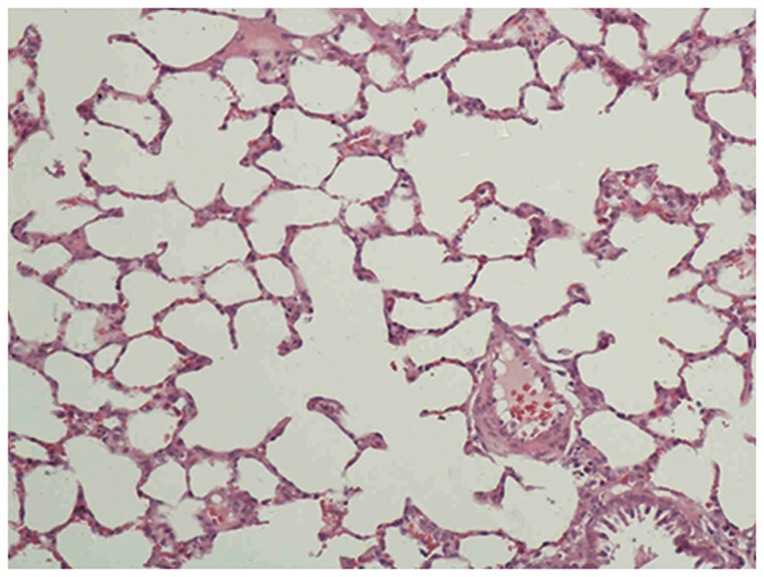
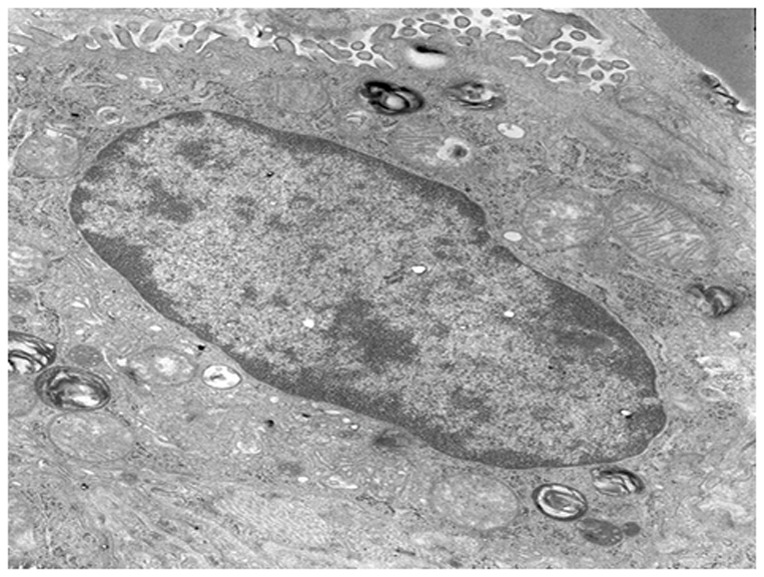
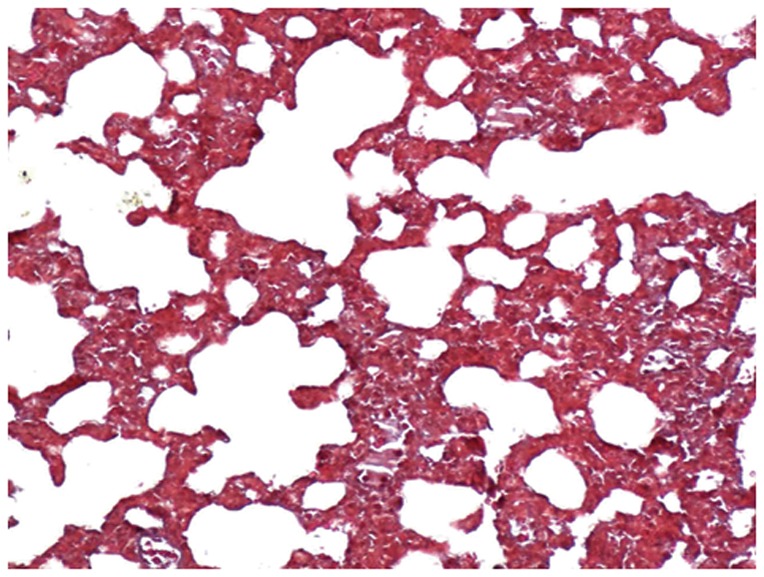
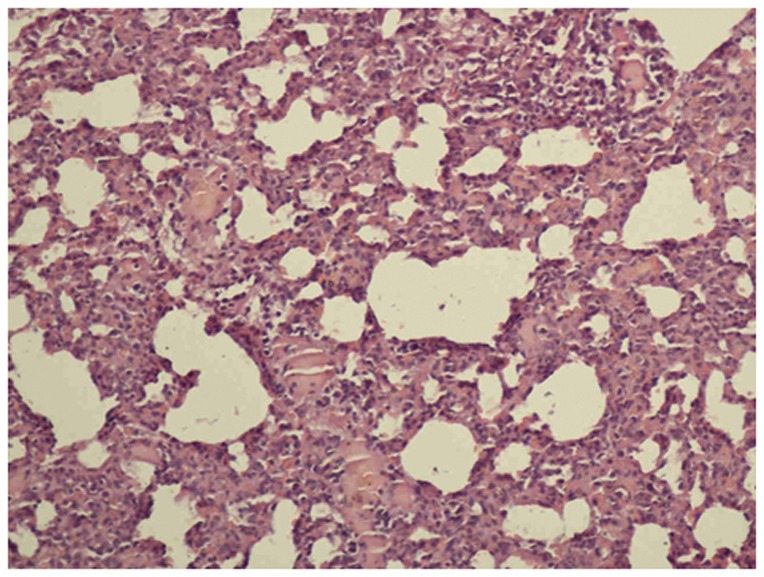
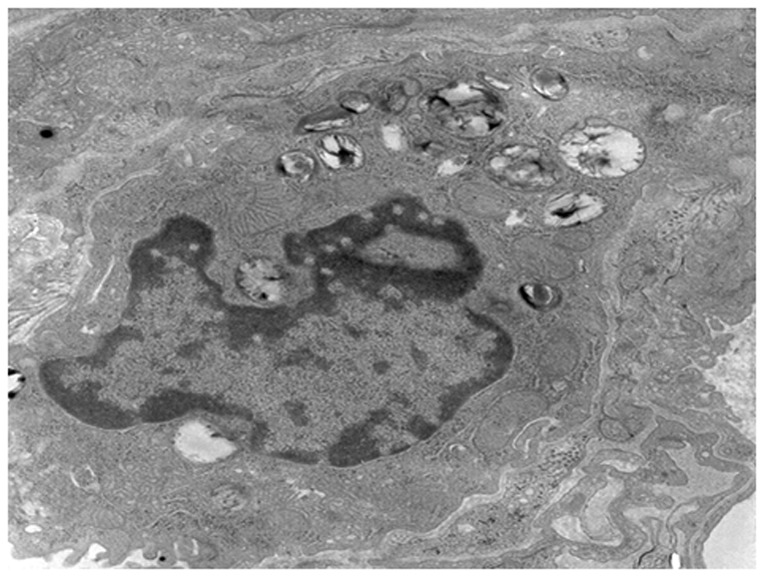
The TGF-β1, ET-1, and HYP of the paraquat poisoning group were significantly higher than in the control group, and they were significantly lower in the 21st day therapy group than in the paraquat poisoning group on the same day. Under the optical and electronic microscopes, lung tissue damage was observed to be more severe but was then reduced after bosentan was administered.
Bosentan can reduce inflammation factor release. It has a therapeutic effect on acute lung injury as induced by paraquat.
百草枯中毒众所周知会导致多器官功能衰竭(MODS)和高死亡率。急性肺损伤和晚期肺纤维化是最严重的并发症。波生坦是一种双重内皮素受体拮抗剂。它在治疗特发性肺纤维化中发挥着重要作用。关于波生坦治疗百草枯中毒的相关文献尚无报道。
研究波生坦治疗百草枯中毒引起的急性肺损伤和肺纤维化。
将 120 只成年雄性 Wistar 大鼠随机分为 3 组:百草枯中毒组(大鼠一次性灌胃给予百草枯 50mg/kg 体重);波生坦治疗组(大鼠于给予百草枯后半小时给予波生坦 100mg/kg 体重灌胃,然后每天给予相同剂量 1 次);对照组(大鼠给予灌胃生理盐水)。于百草枯染毒后第 3、7、14、21 天处死大鼠,取肺组织及静脉血标本,检测血浆和肺组织匀浆中转化生长因子-β1(TGF-β1)、内皮素-1(ET-1)、羟脯氨酸(HYP)的含量,光镜和电镜下观察病理学改变。
百草枯中毒组的 TGF-β1、ET-1、HYP 明显高于对照组,波生坦治疗组在相同时间点的第 21 天明显低于百草枯中毒组。光镜和电镜下观察到肺组织损伤更严重,但给予波生坦后减轻。
波生坦可减少炎症因子释放,对百草枯引起的急性肺损伤具有治疗作用。