School of Medical Science, Griffith University, Gold Coast, Queensland, Australia.
PLoS One. 2013 Oct 14;8(10):e78013. doi: 10.1371/journal.pone.0078013. eCollection 2013.
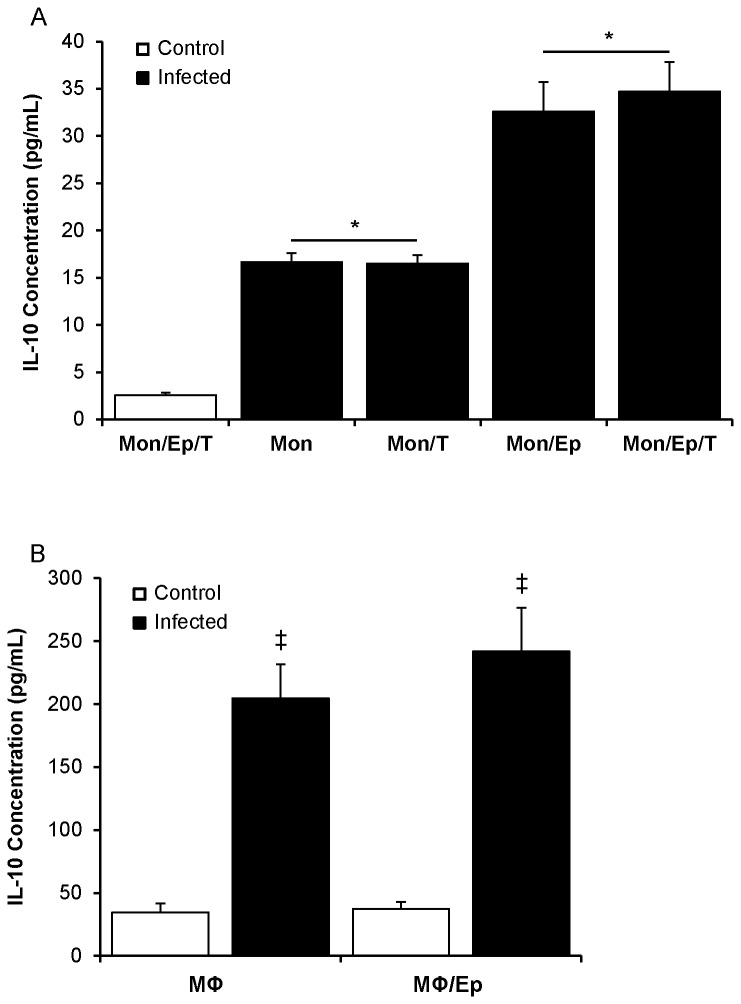
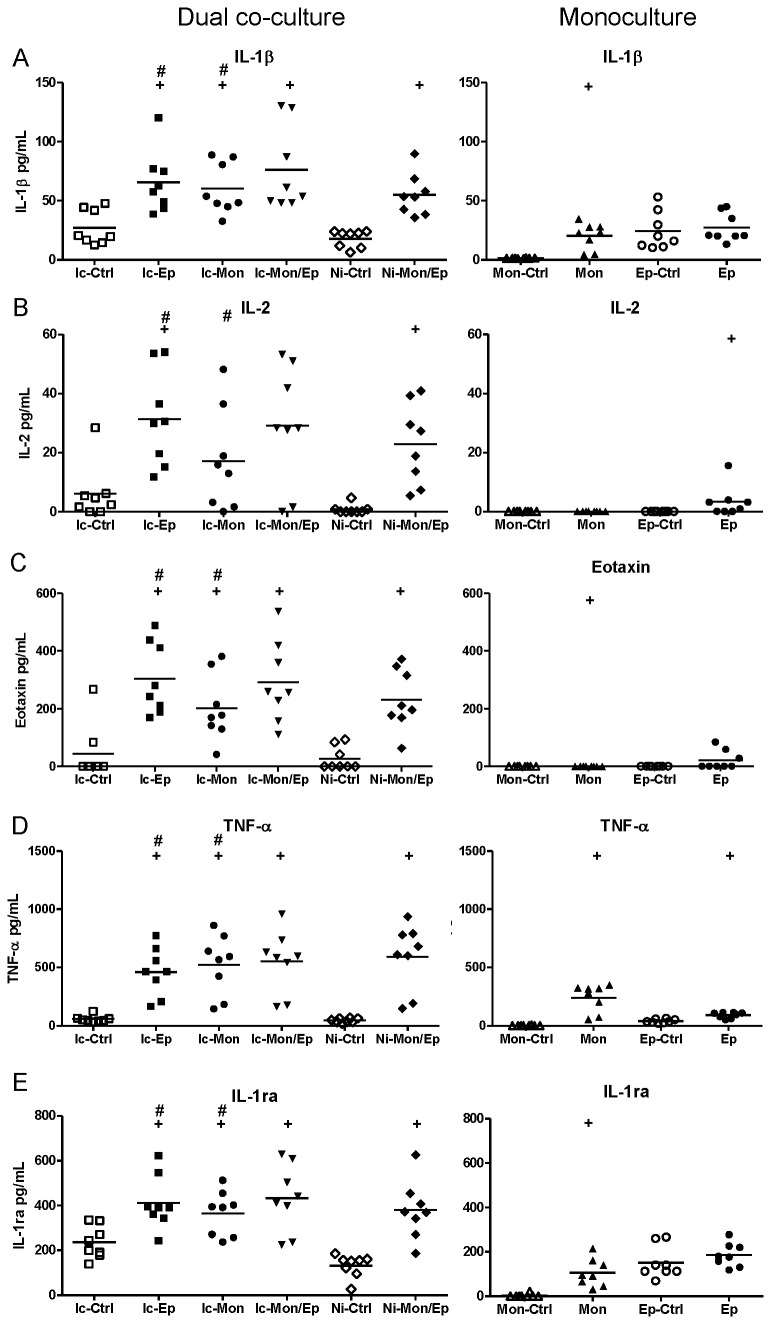
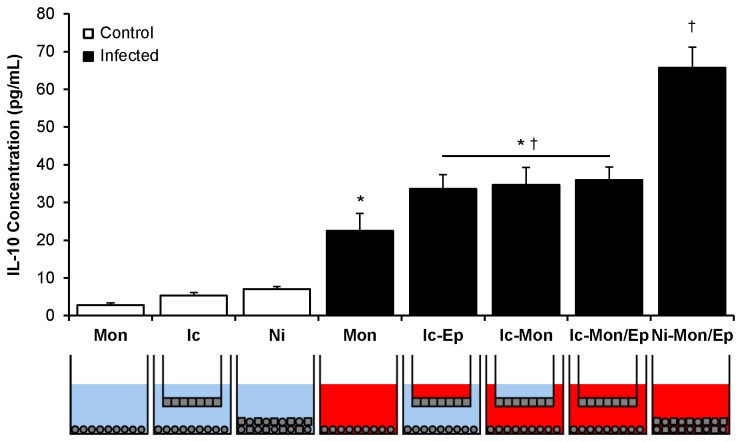
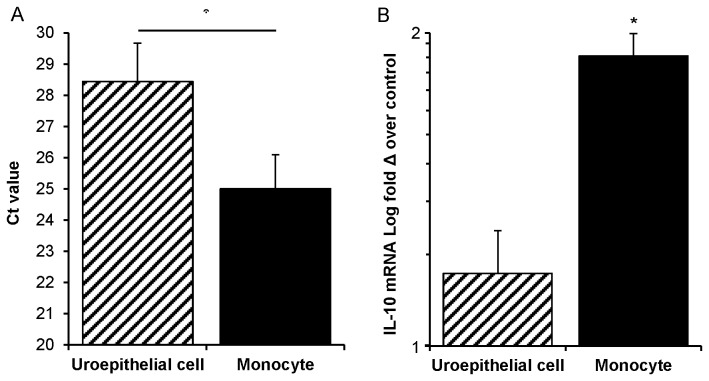
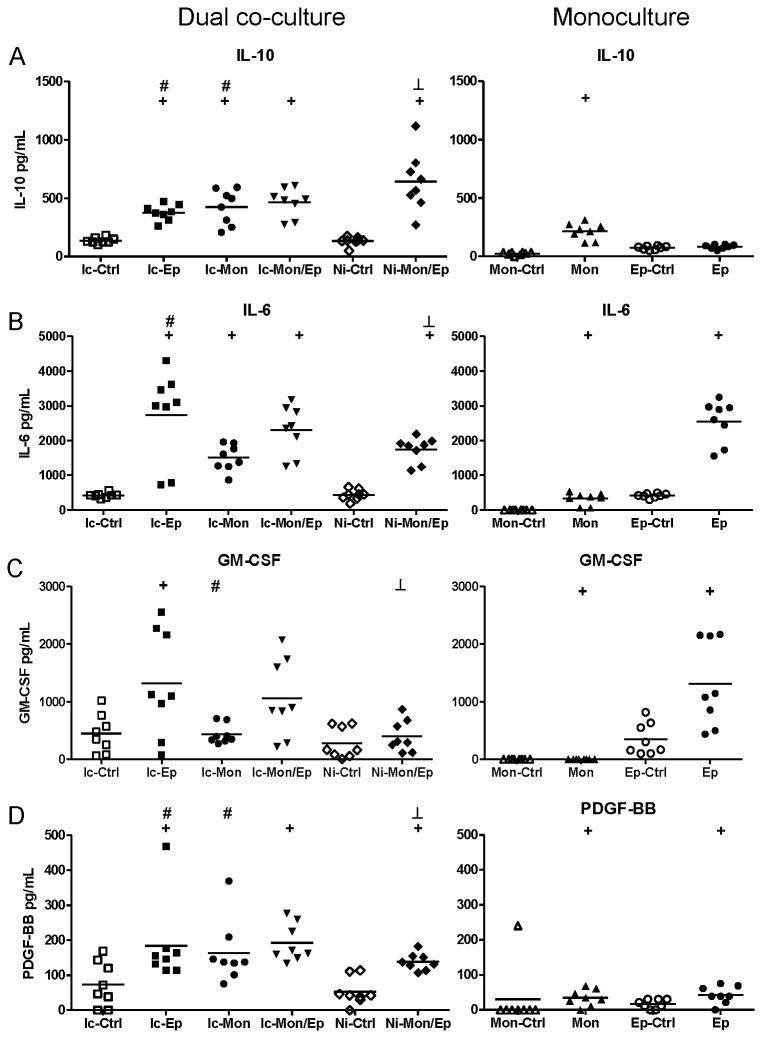
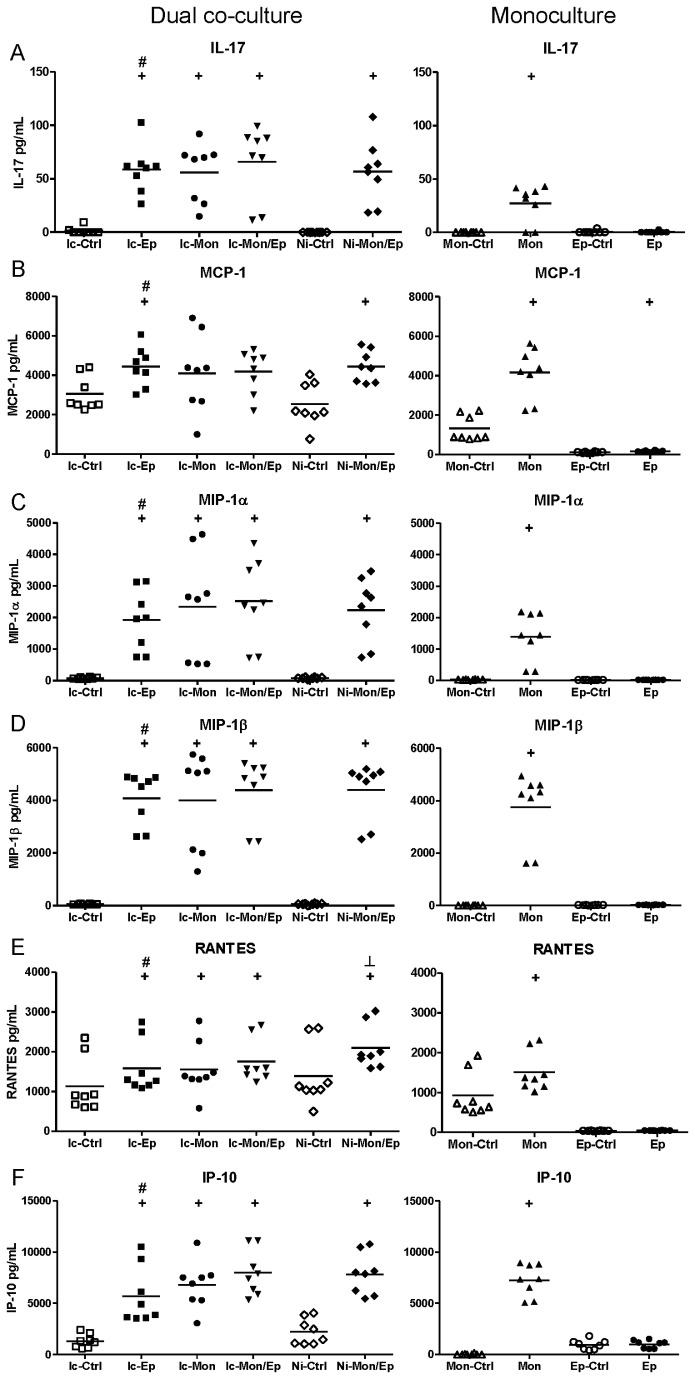
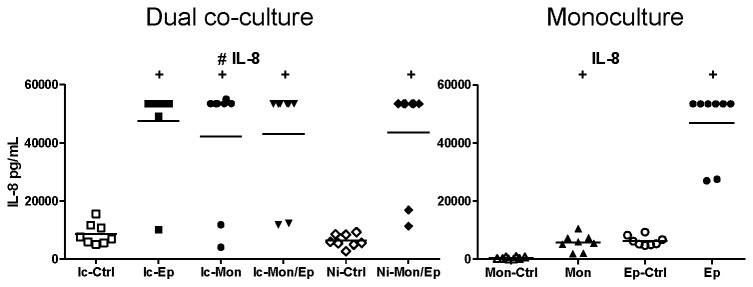
Urinary tract infections are a major source of morbidity for women and the elderly, with Uropathogenic Escherichia coli (UPEC) being the most prevalent causative pathogen. Studies in recent years have defined a key anti-inflammatory role for Interleukin-10 (IL-10) in urinary tract infection mediated by UPEC and other uropathogens. We investigated the nature of the IL-10-producing interactions between UPEC and host cells by utilising a novel co-culture model that incorporated lymphocytes, mononuclear and uroepithelial cells in histotypic proportions. This co-culture model demonstrated synergistic IL-10 production effects between monocytes and uroepithelial cells following infection with UPEC. Membrane inserts were used to separate the monocyte and uroepithelial cell types during infection and revealed two synergistic IL-10 production effects based on contact-dependent and soluble interactions. Analysis of a comprehensive set of immunologically relevant biomarkers in monocyte-uroepithelial cell co-cultures highlighted that multiple cytokine, chemokine and signalling factors were also produced in a synergistic or antagonistic fashion. These results demonstrate that IL-10 responses to UPEC occur via multiple interactions between several cells types, implying a complex role for infection-related IL-10 during UTI. Development and application of the co-culture model described in this study is thus useful to define the degree of contact dependency of biomarker production to UPEC, and highlights the relevance of histotypic co-cultures in studying complex host-pathogen interactions.
尿路感染是女性和老年人发病率较高的主要原因,其中尿路致病性大肠杆菌(UPEC)是最常见的致病病原体。近年来的研究表明,白细胞介素 10(IL-10)在 UPEC 和其他尿路病原体引起的尿路感染中具有重要的抗炎作用。我们利用一种新型共培养模型,以组织学比例整合淋巴细胞、单核细胞和尿路上皮细胞,研究了 UPEC 与宿主细胞之间产生 IL-10 的相互作用的性质。该共培养模型显示,单核细胞和尿路上皮细胞在感染 UPEC 后会产生协同的 IL-10 产生效应。在感染过程中使用膜插入物将单核细胞和尿路上皮细胞类型分离,并揭示了基于接触依赖性和可溶性相互作用的两种协同的 IL-10 产生效应。对单核细胞-尿路上皮细胞共培养物中一系列免疫相关生物标志物的综合分析表明,多种细胞因子、趋化因子和信号转导因子也以协同或拮抗的方式产生。这些结果表明,UPEC 会通过几种细胞类型之间的多种相互作用来引发 IL-10 反应,这意味着感染相关的 IL-10 在尿路感染中发挥着复杂的作用。因此,本研究中描述的共培养模型的发展和应用有助于确定生物标志物产生对 UPEC 的接触依赖性程度,并强调了组织型共培养在研究复杂的宿主-病原体相互作用中的相关性。