1] German Cancer Research Center (DKFZ), Div. Signalling and Functional Genomics, and Heidelberg University, Dept. Cell and Molecular Biology, Faculty of Medicine Mannheim, Im Neuenheimer Feld 580, D-69120 Heidelberg, Germany [2].
Nat Commun. 2013;4:2610. doi: 10.1038/ncomms3610.
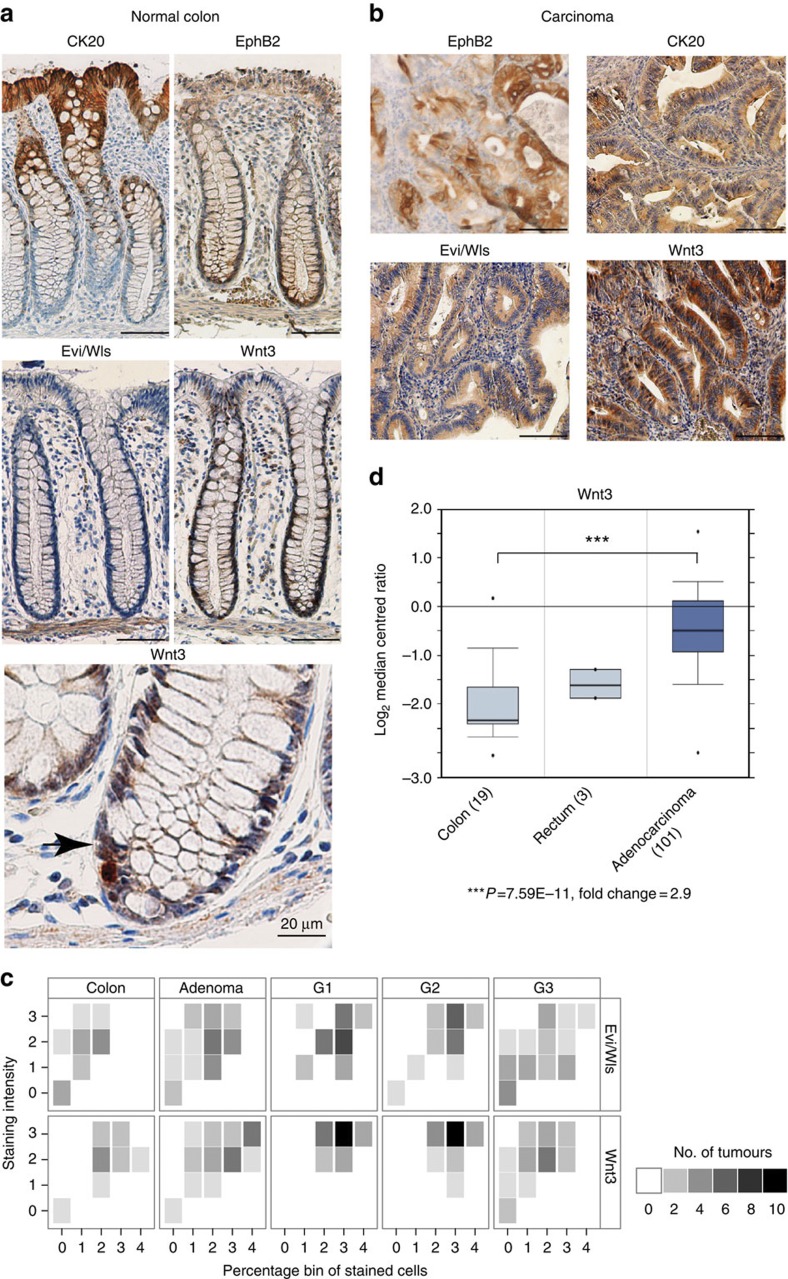
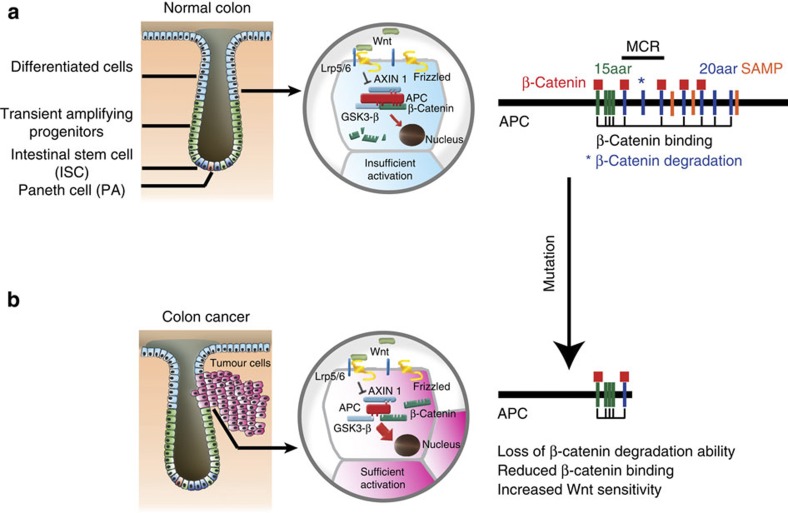
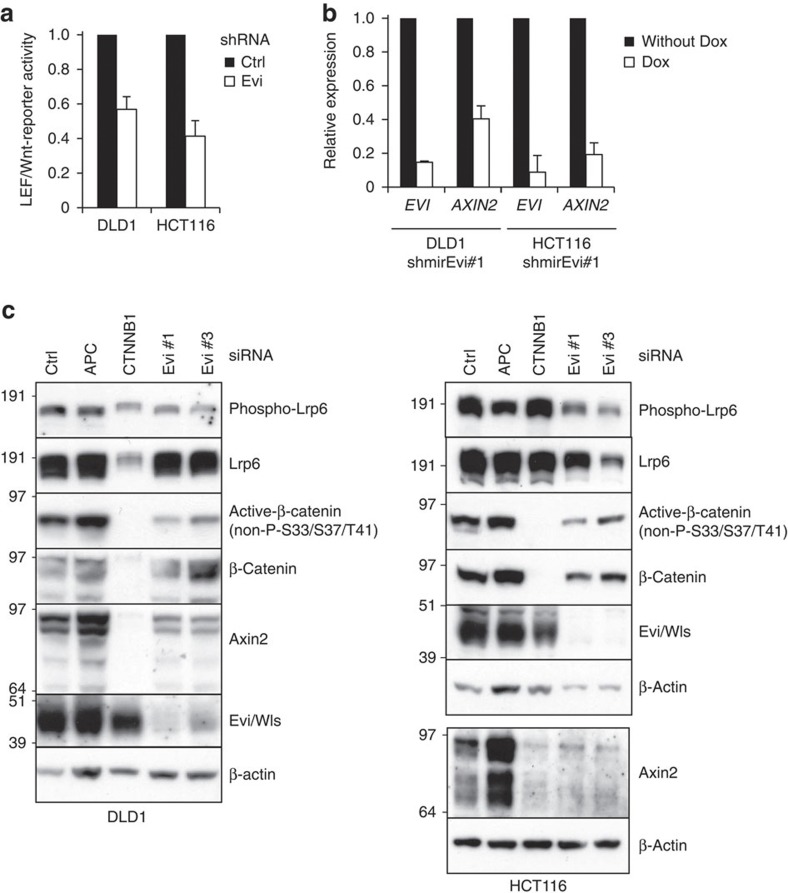
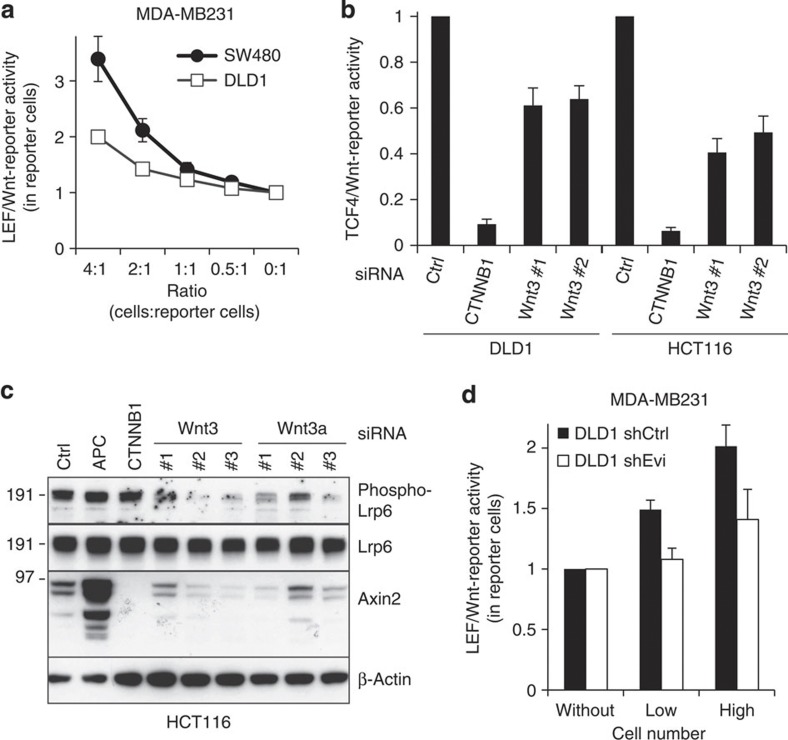
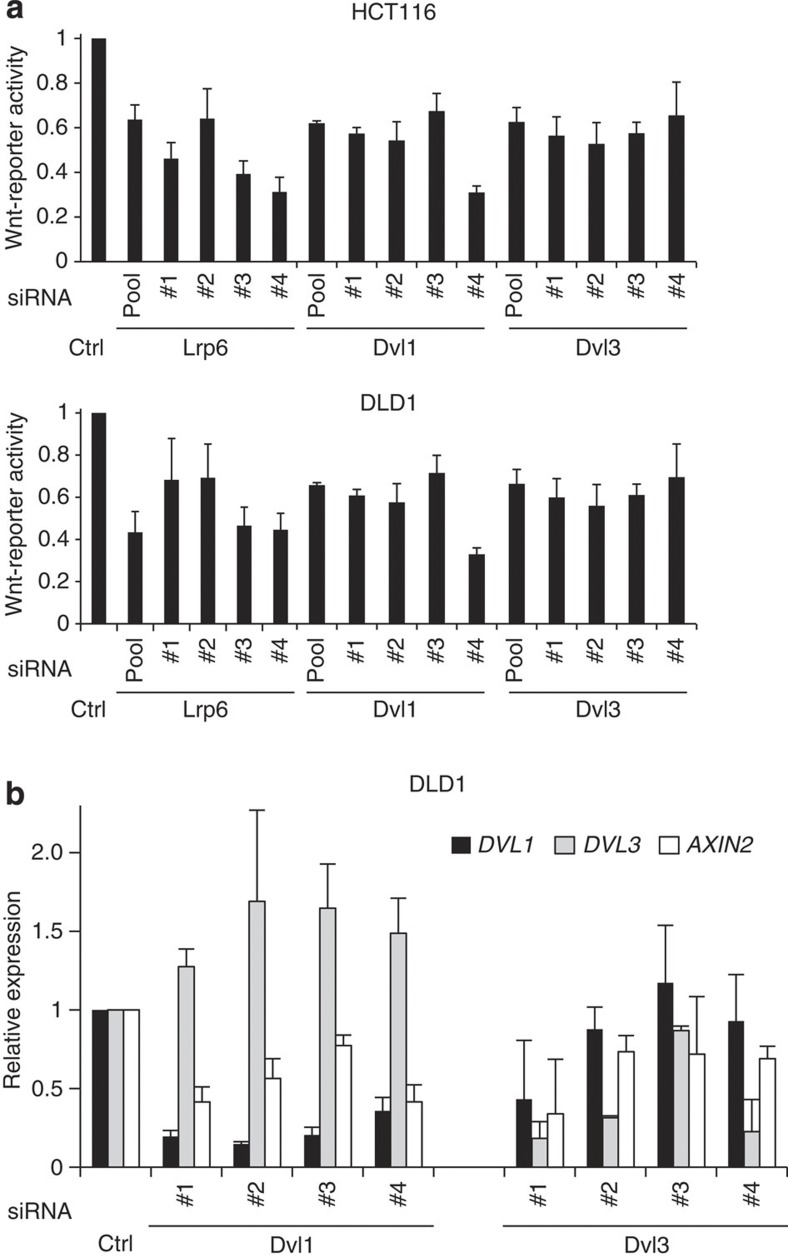
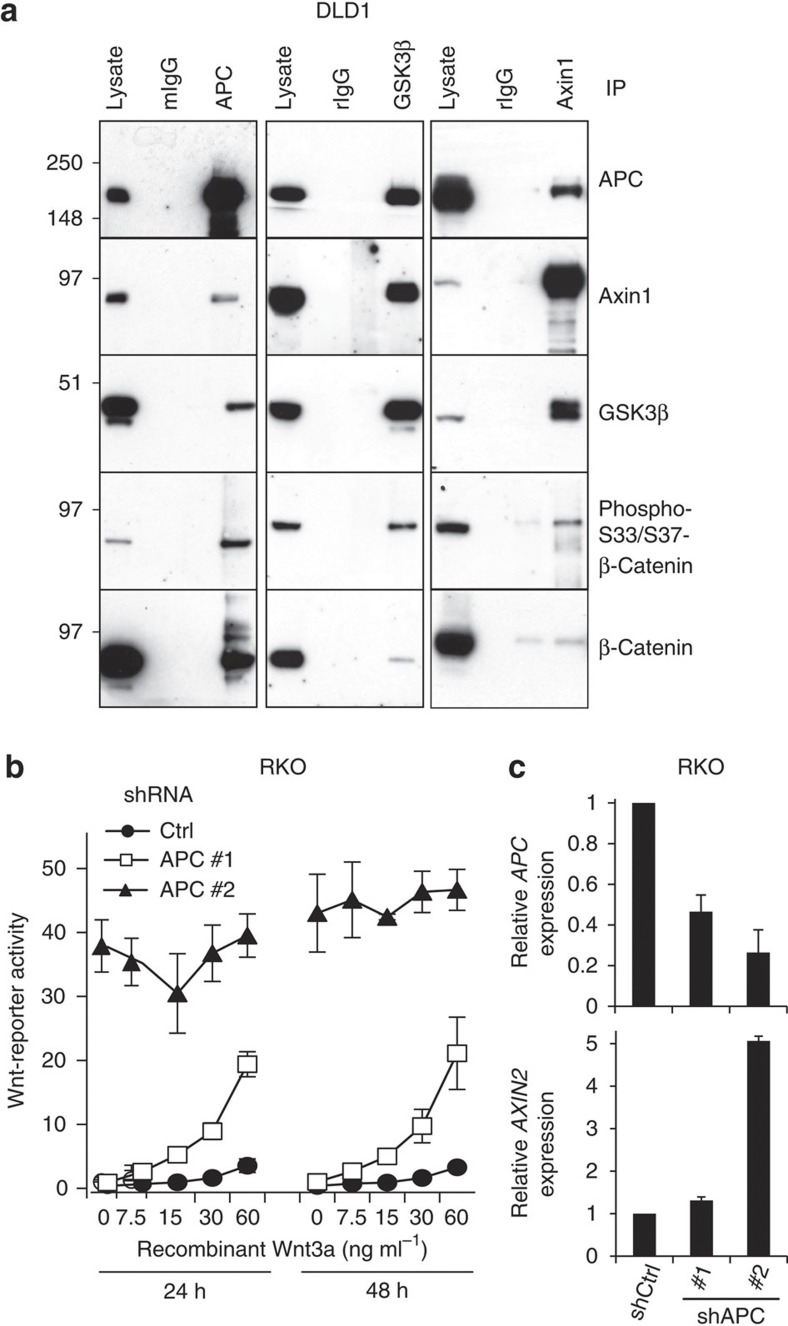
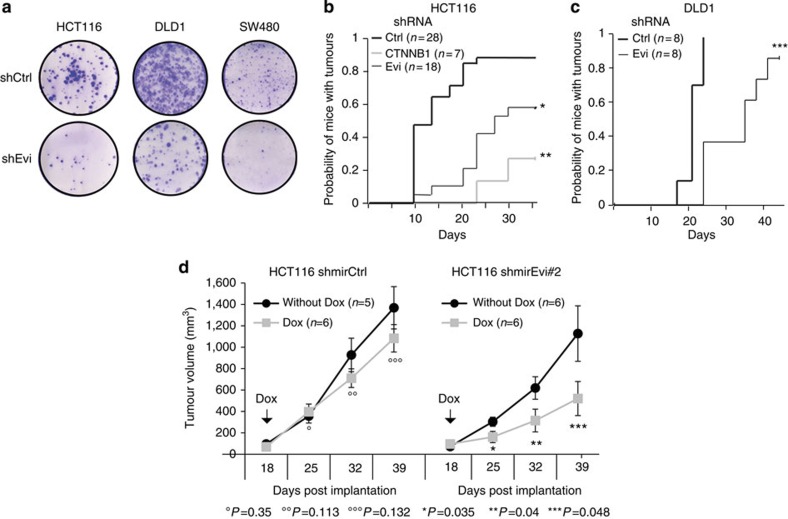
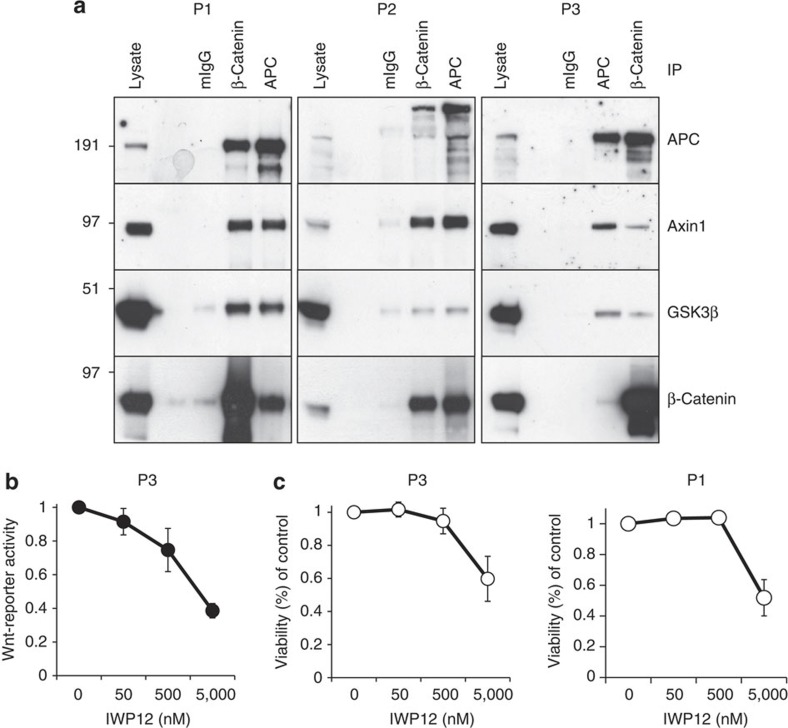
Aberrant regulation of the Wnt/β-catenin pathway has an important role during the onset and progression of colorectal cancer, with over 90% of cases of sporadic colon cancer featuring mutations in APC or β-catenin. However, it has remained a point of controversy whether these mutations are sufficient to activate the pathway or require additional upstream signals. Here we show that colorectal tumours express elevated levels of Wnt3 and Evi/Wls/GPR177. We found that in colon cancer cells, even in the presence of mutations in APC or β-catenin, downstream signalling remains responsive to Wnt ligands and receptor proximal signalling. Furthermore, we demonstrate that truncated APC proteins bind β-catenin and key components of the destruction complex. These results indicate that cells with mutations in APC or β-catenin depend on Wnt ligands and their secretion for a sufficient level of β-catenin signalling, which potentially opens new avenues for therapeutic interventions by targeting Wnt secretion via Evi/Wls.
Wnt/β-catenin 通路的异常调节在结直肠癌的发生和发展中起着重要作用,超过 90%的散发性结肠癌病例存在 APC 或 β-catenin 的突变。然而,这些突变是否足以激活通路,或者是否需要额外的上游信号,一直存在争议。在这里,我们显示结直肠肿瘤表达高水平的 Wnt3 和 Evi/Wls/GPR177。我们发现,在结肠癌细胞中,即使存在 APC 或 β-catenin 的突变,下游信号仍然对 Wnt 配体和受体近端信号有反应。此外,我们证明截短的 APC 蛋白与 β-catenin 和破坏复合物的关键成分结合。这些结果表明,APC 或 β-catenin 突变的细胞依赖于 Wnt 配体及其分泌来获得足够水平的 β-catenin 信号,这可能为通过靶向 Evi/Wls 来靶向 Wnt 分泌的治疗干预开辟新途径。