Translational Research Group, The Heart Research Institute, Sydney, Australia.
Diabetes. 2014 Feb;63(2):675-87. doi: 10.2337/db13-0417. Epub 2013 Nov 5.
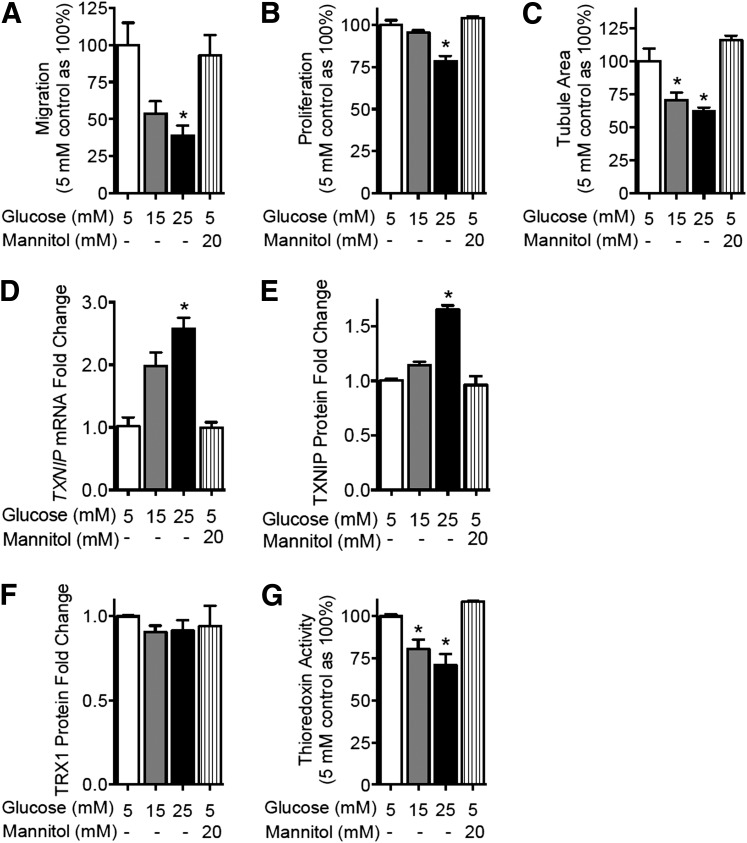
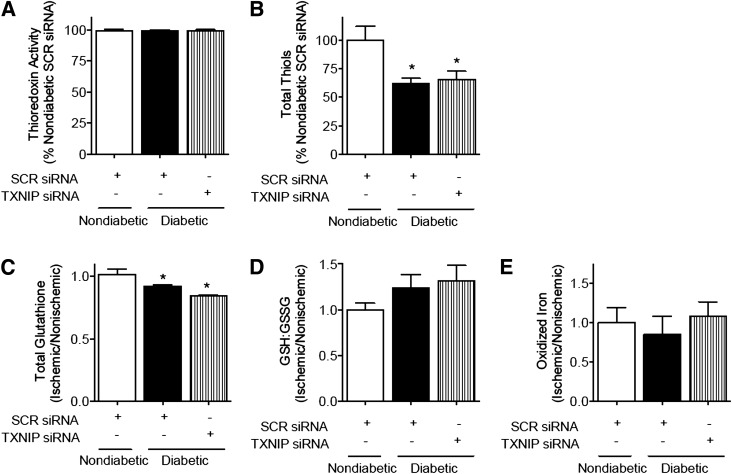
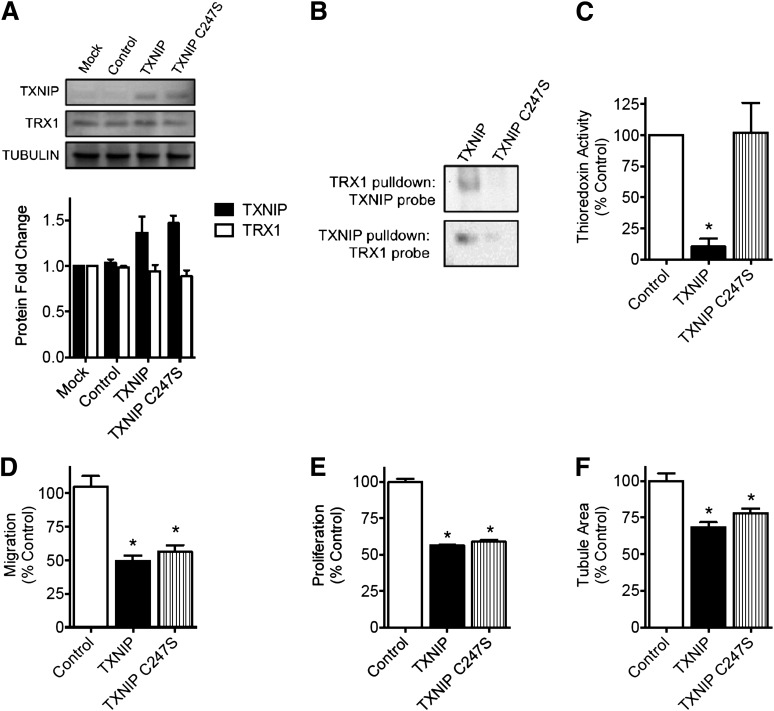
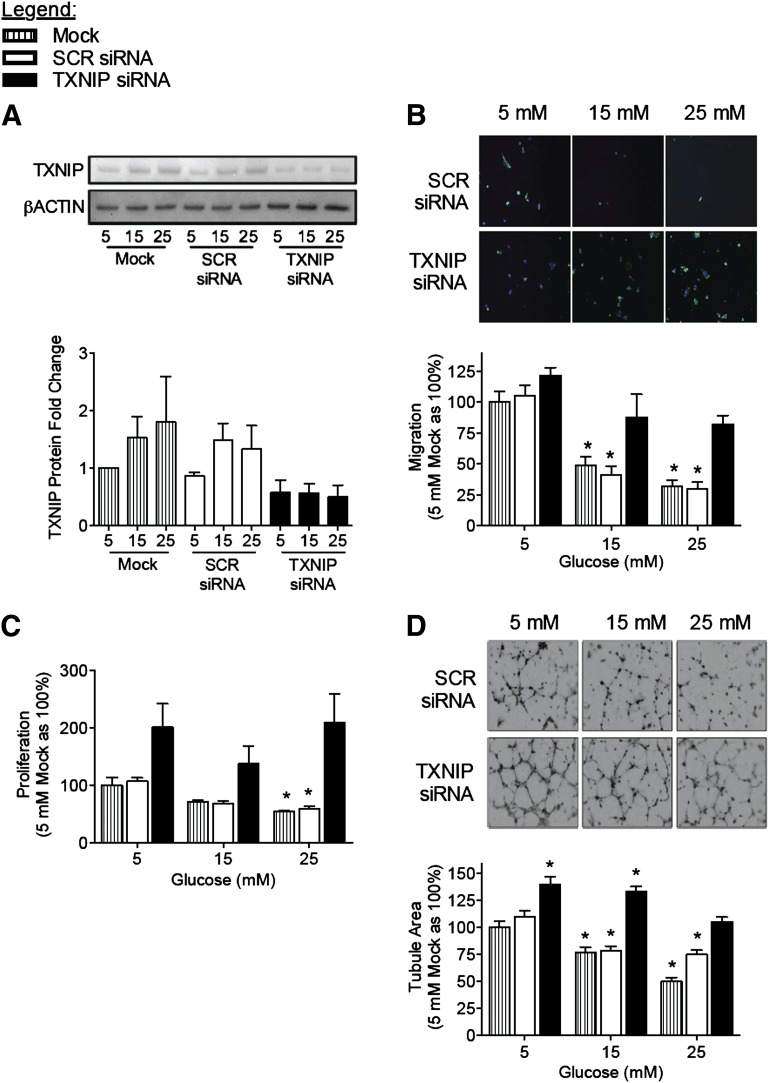
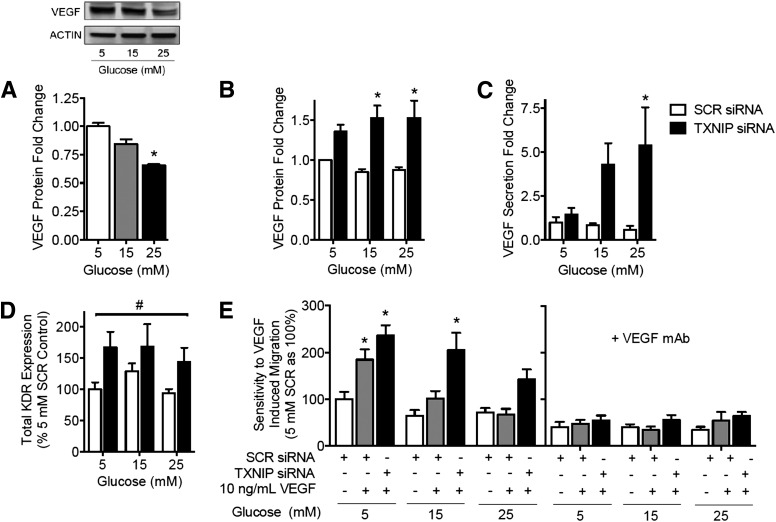
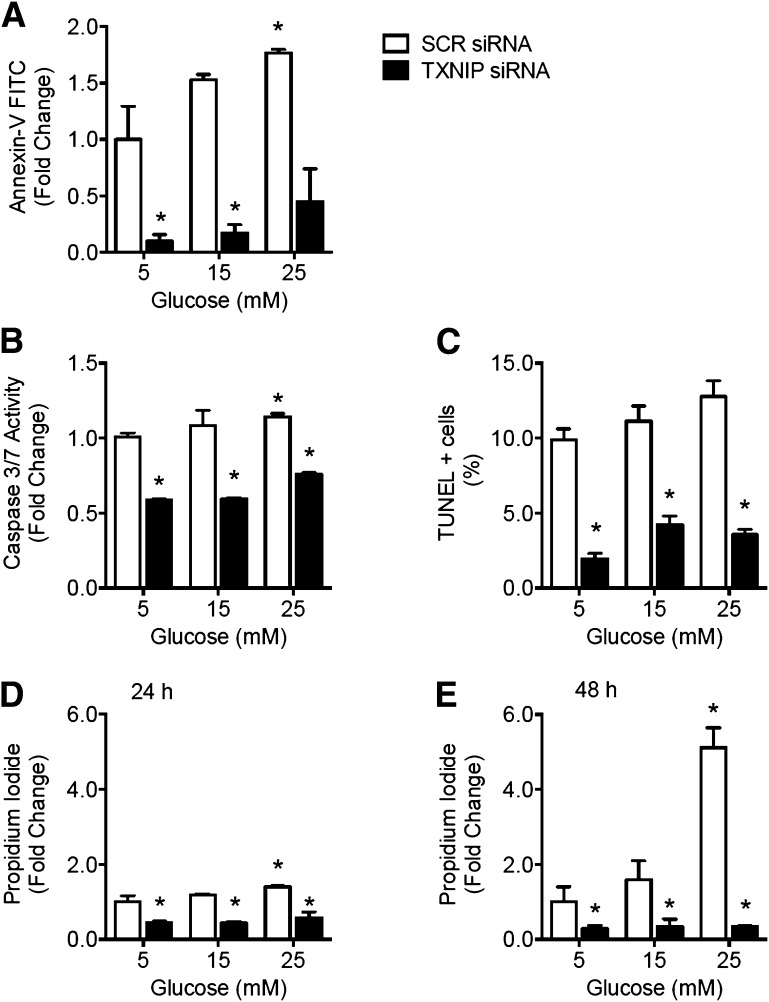
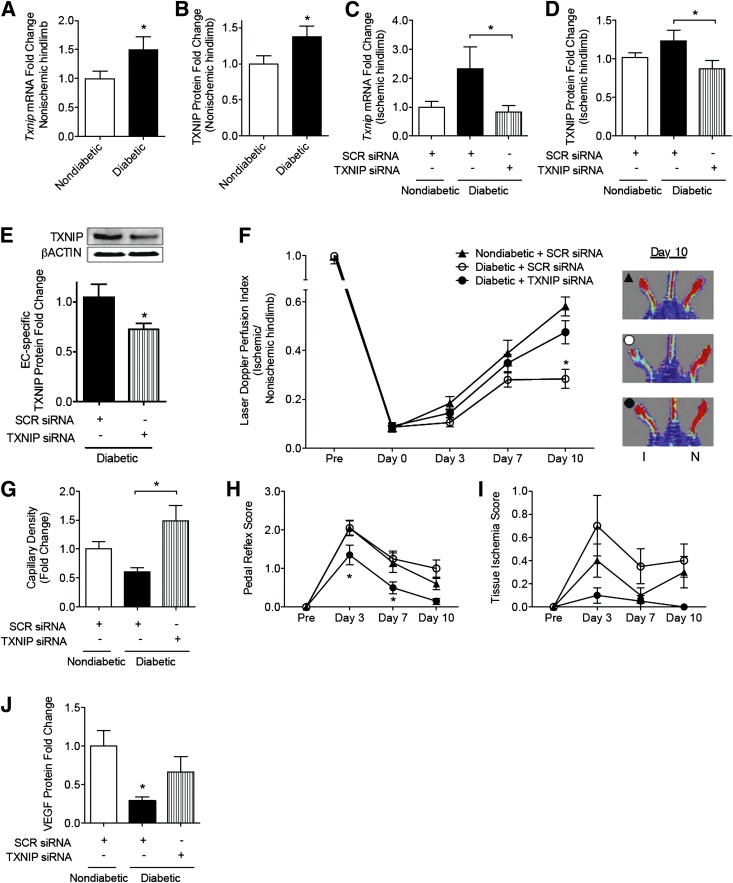
Impaired angiogenesis in ischemic tissue is a hallmark of diabetes. Thioredoxin-interacting protein (TXNIP) is an exquisitely glucose-sensitive gene that is overexpressed in diabetes. As TXNIP modulates the activity of the key angiogenic cytokine vascular endothelial growth factor (VEGF), we hypothesized that hyperglycemia-induced dysregulation of TXNIP may play a role in the pathogenesis of impaired angiogenesis in diabetes. In the current study, we report that high glucose-mediated overexpression of TXNIP induces a widespread impairment in endothelial cell (EC) function and survival by reducing VEGF production and sensitivity to VEGF action, findings that are rescued by silencing TXNIP with small interfering RNA. High glucose-induced EC dysfunction was recapitulated in normal glucose conditions by overexpressing either TXNIP or a TXNIP C247S mutant unable to bind thioredoxin, suggesting that TXNIP effects are largely independent of thioredoxin activity. In streptozotocin-induced diabetic mice, TXNIP knockdown to nondiabetic levels rescued diabetes-related impairment of angiogenesis, arteriogenesis, blood flow, and functional recovery in an ischemic hindlimb. These findings were associated with in vivo restoration of VEGF production to nondiabetic levels. These data implicate a critical role for TXNIP in diabetes-related impairment of ischemia-mediated angiogenesis and identify TXNIP as a potential therapeutic target for the vascular complications of diabetes.
缺血组织中的血管生成受损是糖尿病的一个标志。硫氧还蛋白相互作用蛋白(TXNIP)是一种对葡萄糖极为敏感的基因,在糖尿病中过度表达。由于 TXNIP 调节关键的血管生成细胞因子血管内皮生长因子(VEGF)的活性,我们假设高血糖诱导的 TXNIP 失调可能在糖尿病中血管生成受损的发病机制中起作用。在目前的研究中,我们报告称,高葡萄糖介导的 TXNIP 过表达通过减少 VEGF 产生和对 VEGF 作用的敏感性,从而导致内皮细胞(EC)功能和存活的广泛受损,这些发现可以通过用小干扰 RNA 沉默 TXNIP 来挽救。在正常葡萄糖条件下通过过表达 TXNIP 或不能结合硫氧还蛋白的 TXNIP C247S 突变体来重现高葡萄糖诱导的 EC 功能障碍,表明 TXNIP 的作用在很大程度上独立于硫氧还蛋白活性。在链脲佐菌素诱导的糖尿病小鼠中,将 TXNIP 敲低至非糖尿病水平可挽救糖尿病相关的血管生成、动脉生成、血流和缺血后肢的功能恢复受损。这些发现与体内将 VEGF 产生恢复到非糖尿病水平相关。这些数据表明 TXNIP 在糖尿病相关的缺血介导的血管生成受损中起关键作用,并将 TXNIP 确定为糖尿病血管并发症的潜在治疗靶点。