Digital Campus, Winchester, United Kingdom ; Department of Surgery, College of Health Sciences, University of Alcalá, Madrid, Spain.
PLoS One. 2013 Oct 29;8(10):e77563. doi: 10.1371/journal.pone.0077563. eCollection 2013.
Mobile health applications are complex interventions that essentially require changes to the behavior of health care professionals who will use them and changes to systems or processes in delivery of care. Our aim has been to meet the technical needs of Health Extension Workers (HEWs) and midwives for maternal health using appropriate mobile technologies tools.
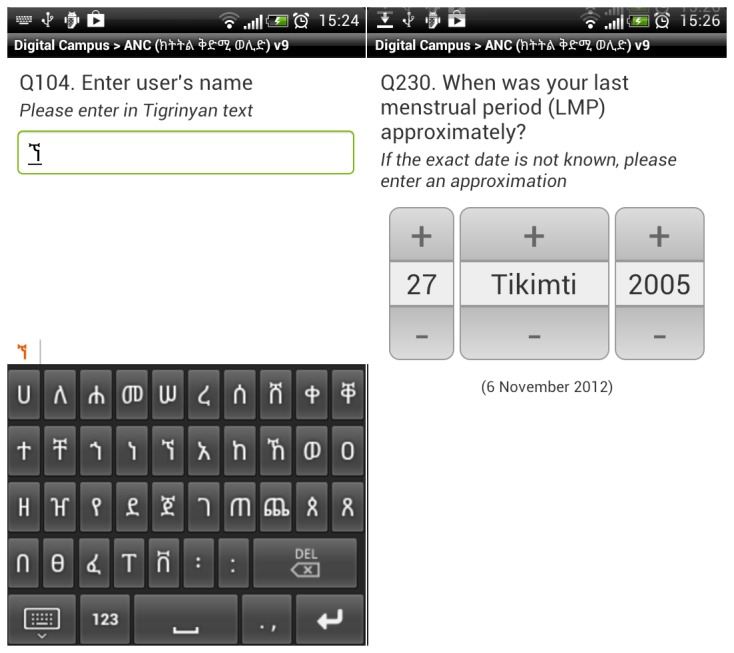
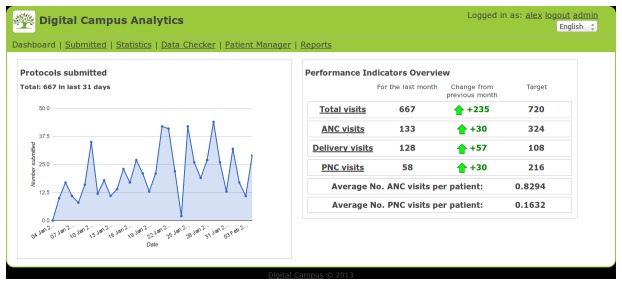
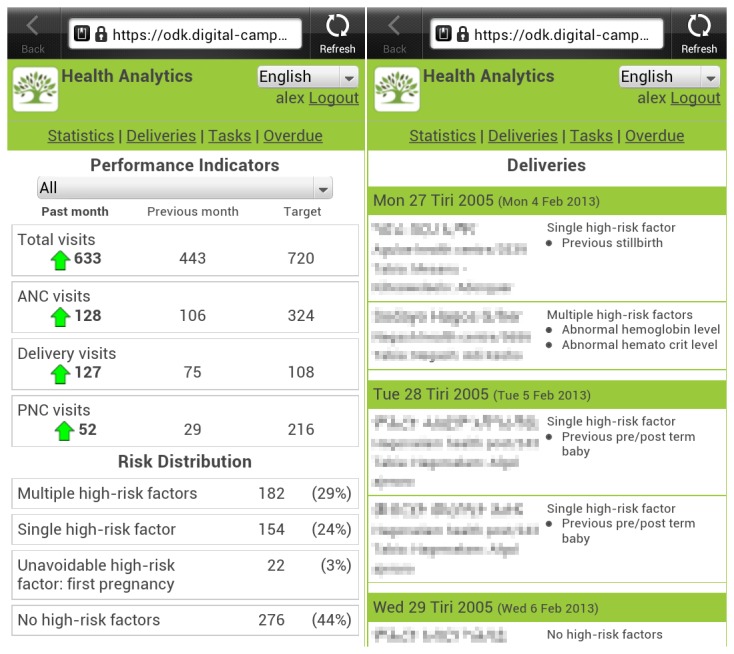
We have developed and evaluated a set of appropriate smartphone health applications using open source components, including a local language adapted data collection tool, health worker and manager user-friendly dashboard analytics and maternal-newborn protocols. This is an eighteen month follow-up of an ongoing observational research study in the northern of Ethiopia involving two districts, twenty HEWs, and twelve midwives.
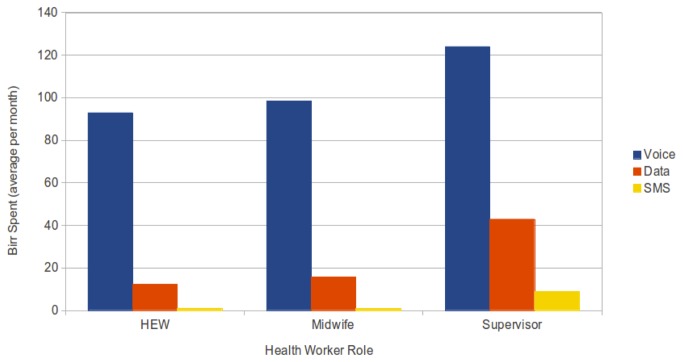
Most health workers rapidly learned how to use and became comfortable with the touch screen devices so only limited technical support was needed. Unrestricted use of smartphones generated a strong sense of ownership and empowerment among the health workers. Ownership of the phones was a strong motivator for the health workers, who recognised the value and usefulness of the devices, so took care to look after them. A low level of smartphones breakage (8.3%,3 from 36) and loss (2.7%) were reported. Each health worker made an average of 160 mins of voice calls and downloaded 27Mb of data per month, however, we found very low usage of short message service (less than 3 per month).
Although it is too early to show a direct link between mobile technologies and health outcomes, mobile technologies allow health managers to more quickly and reliably have access to data which can help identify where there issues in the service delivery. Achieving a strong sense of ownership and empowerment among health workers is a prerequisite for a successful introduction of any mobile health program.
移动健康应用程序是复杂的干预措施,它们本质上需要改变将要使用它们的医疗保健专业人员的行为,并改变提供护理的系统或流程。我们的目标是利用适当的移动技术工具满足初级卫生保健工作者(HEWs)和助产士的母婴健康技术需求。
我们使用开源组件开发并评估了一系列合适的智能手机健康应用程序,包括适用于当地语言的、数据采集工具、便于卫生工作者和管理者使用的仪表板分析以及母婴保健协议。这是在埃塞俄比亚北部进行的一项为期十八个月的正在进行的观察性研究的后续行动,涉及两个区、二十名 HEW 和十二名助产士。
大多数卫生工作者很快学会了如何使用和适应触摸屏设备,因此只需要有限的技术支持。不受限制地使用智能手机使卫生工作者产生了强烈的归属感和赋权感。手机的所有权是卫生工作者的强大动力,他们认识到设备的价值和实用性,因此会小心照顾手机。报告的智能手机损坏率(8.3%,36 部中有 3 部)和丢失率(2.7%)较低。每位卫生工作者平均每月拨打 160 分钟语音电话,下载 27MB 数据,但我们发现短信服务的使用非常低(每月不到 3 条)。
虽然现在还为时过早,无法显示移动技术与健康结果之间的直接联系,但移动技术使卫生管理人员能够更快、更可靠地访问数据,有助于确定服务提供方面存在的问题。在成功引入任何移动医疗项目之前,让卫生工作者产生强烈的归属感和赋权感是一个先决条件。