Ou Mark, Sandri-Goldin Rozanne M
Department of Microbiology and Molecular Genetics, University of California, Irvine, California, United States of America.
PLoS One. 2013 Oct 18;8(10):e79007. doi: 10.1371/journal.pone.0079007. eCollection 2013.
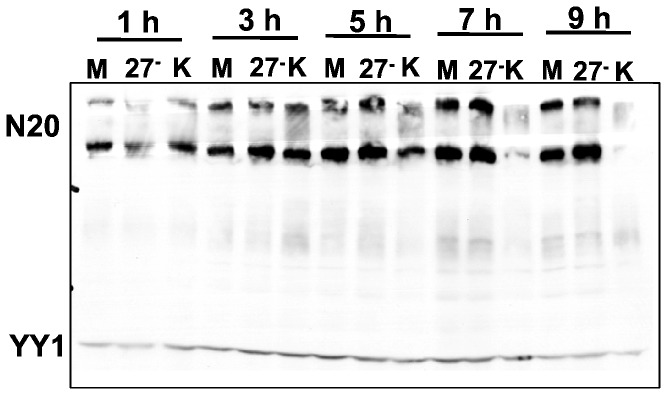
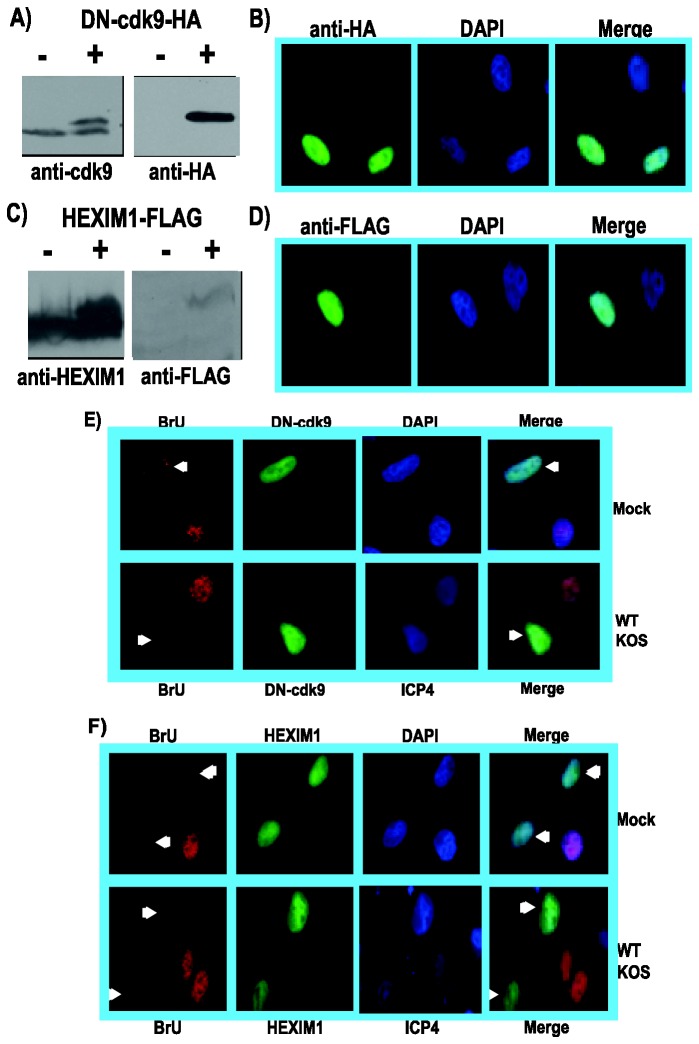
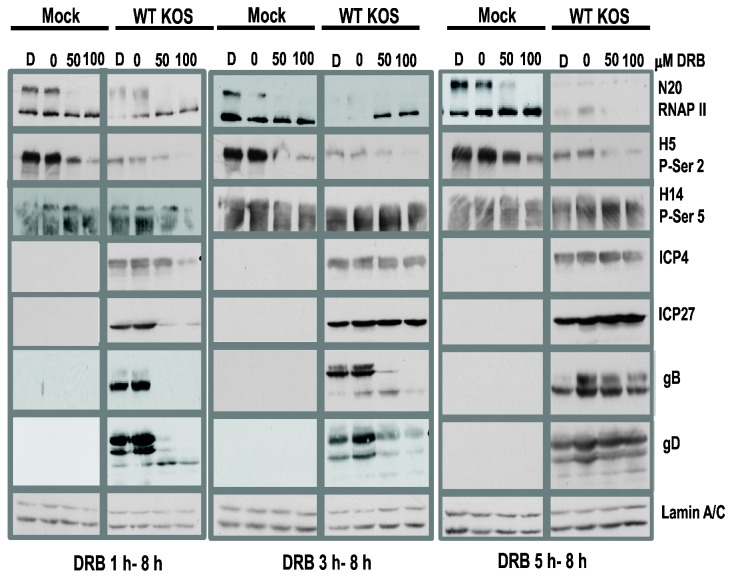
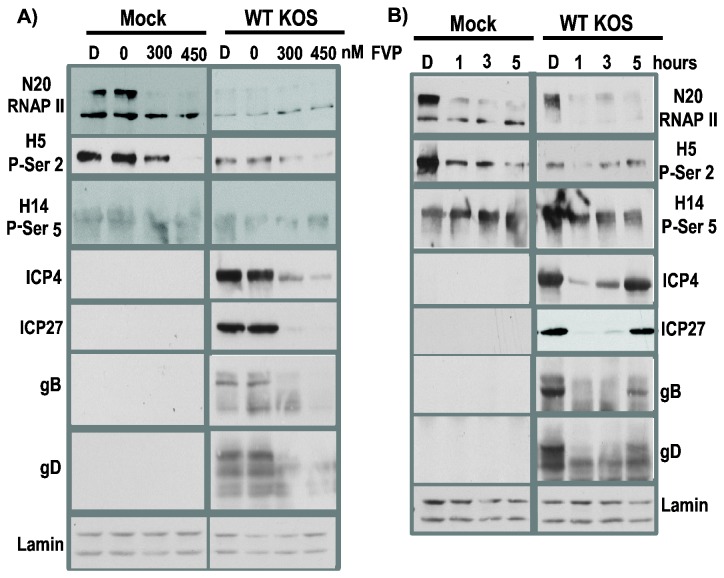
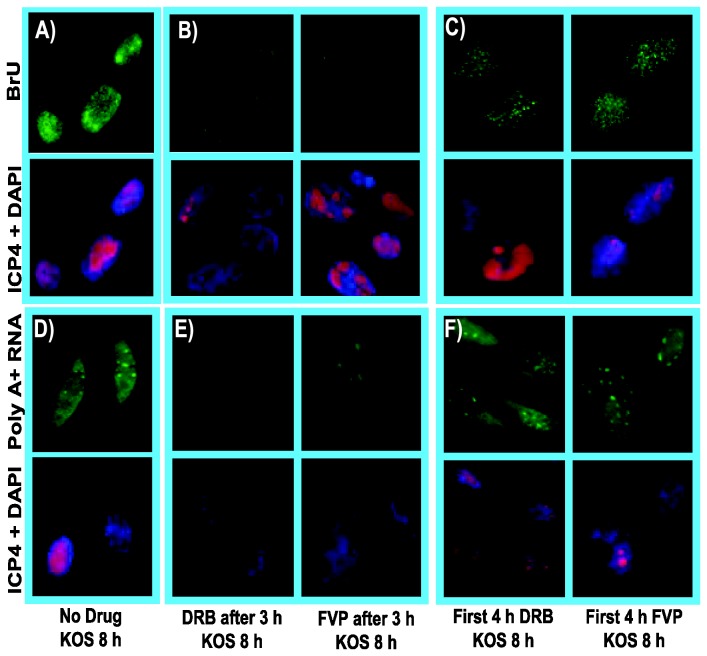
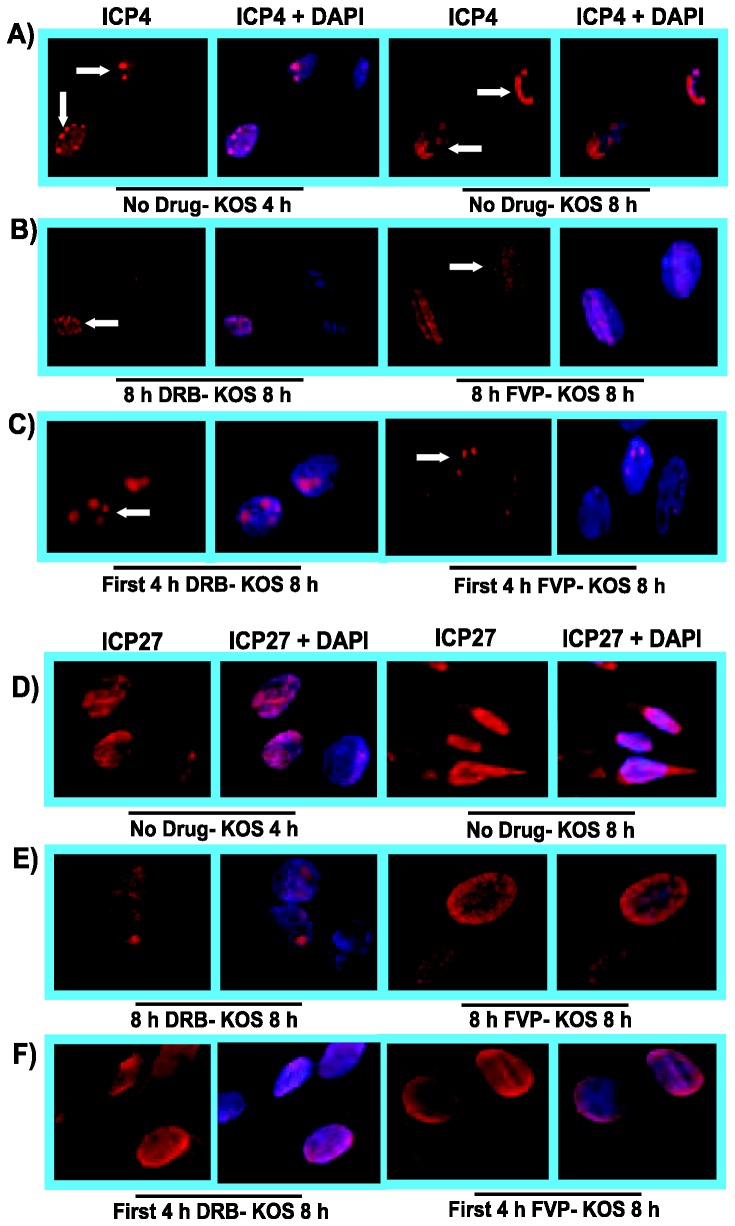
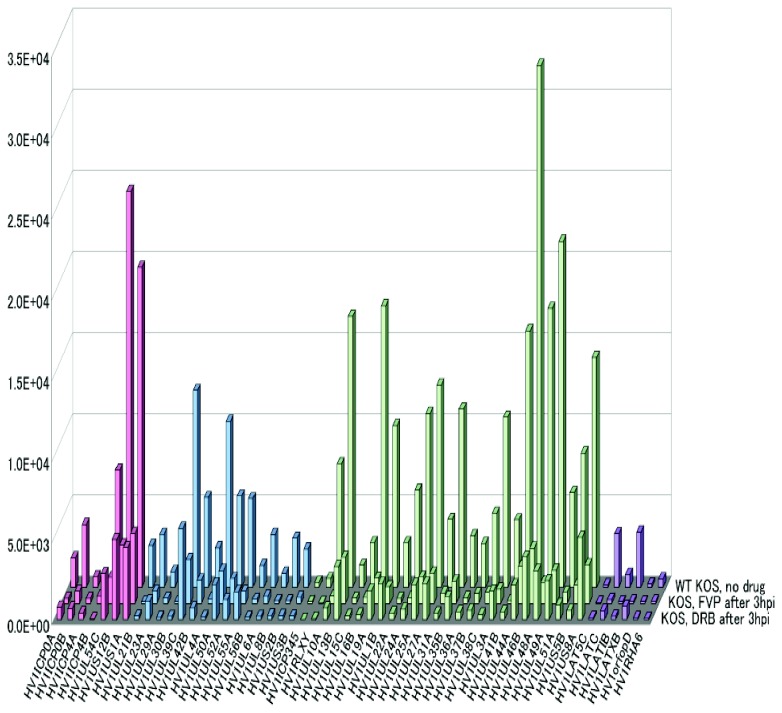
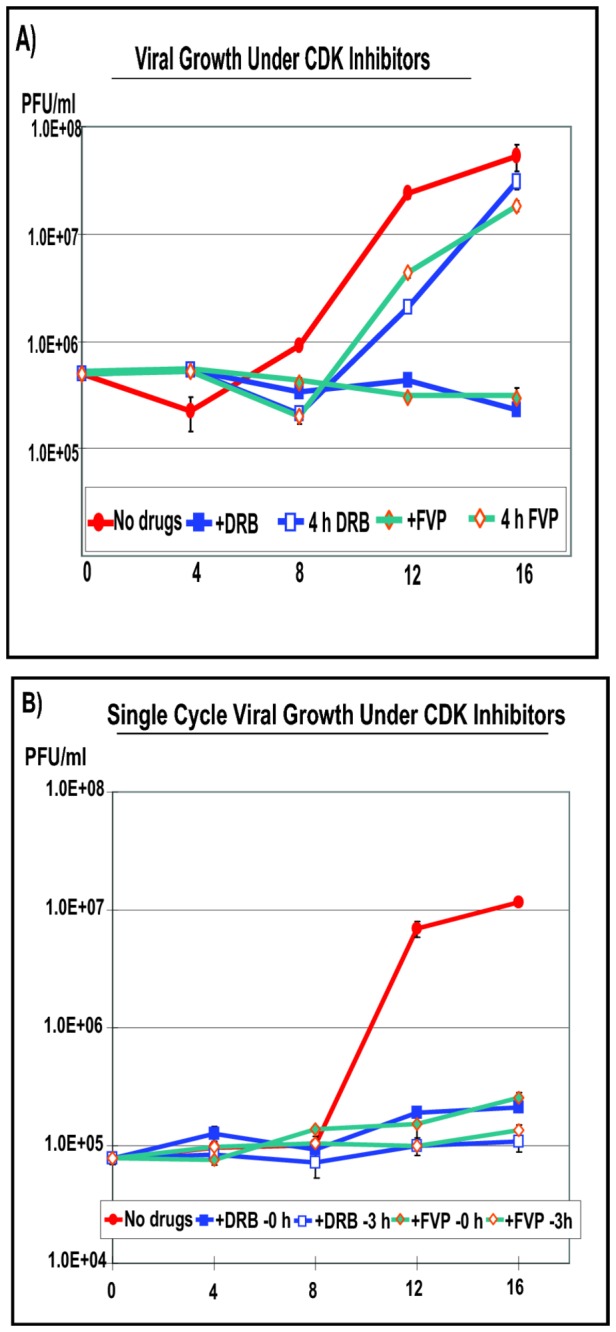
During herpes simplex virus 1 (HSV-1) infection there is a loss of the serine-2 phosphorylated form of RNA polymerase II (RNAP II) found in elongation complexes. This occurs in part because RNAP II undergoes ubiquitination and proteasomal degradation during times of highly active viral transcription, which may result from stalled elongating complexes. In addition, a viral protein, ICP22, was reported to trigger a loss of serine-2 RNAP II. These findings have led to some speculation that the serine-2 phosphorylated form of RNAP II may not be required for HSV-1 transcription, although this form is required for cellular transcription elongation and RNA processing. Cellular kinase cdk9 phosphorylates serine-2 in the C-terminal domain (CTD) of RNAP II. To determine if serine-2 phosphorylated RNAP II is required for HSV-1 transcription, we inhibited cdk9 during HSV-1 infection and measured viral gene expression. Inhibition was achieved by adding cdk9 inhibitors 5,6-dichlorobenzimidazone-1-β-D-ribofuranoside (DRB) or flavopiridol (FVP) or by expression of a dominant-negative cdk9 or HEXIM1, which in conjunction with 7SK snRNA inhibits cdk9 in complex with cyclin 1. Here we report that inhibition of cdk9 resulted in decreased viral yields and levels of late proteins, poor formation of viral transcription-replication compartments, reduced levels of poly(A)+ mRNA and decreased RNA synthesis as measured by uptake of 5-bromouridine into nascent RNA. Importantly, a global reduction in viral mRNAs was seen as determined by microarray analysis. We conclude that serine-2 phosphorylation of the CTD of RNAP II is required for HSV-1 transcription.
在单纯疱疹病毒1型(HSV-1)感染期间,延伸复合物中发现的RNA聚合酶II(RNAP II)的丝氨酸2磷酸化形式会减少。这种情况部分是因为在病毒转录高度活跃时,RNAP II会发生泛素化和蛋白酶体降解,这可能是由停滞的延伸复合物导致的。此外,据报道一种病毒蛋白ICP22会引发丝氨酸2 RNAP II的减少。这些发现引发了一些猜测,即尽管这种形式是细胞转录延伸和RNA加工所必需的,但HSV-1转录可能不需要丝氨酸2磷酸化形式的RNAP II。细胞激酶cdk9会使RNAP II的C末端结构域(CTD)中的丝氨酸2磷酸化。为了确定HSV-1转录是否需要丝氨酸2磷酸化的RNAP II,我们在HSV-1感染期间抑制了cdk9,并测量了病毒基因表达。通过添加cdk9抑制剂5,6-二氯苯并咪唑-1-β-D-呋喃核糖苷(DRB)或黄酮哌啶醇(FVP),或通过表达显性负性cdk9或HEXIM1来实现抑制,HEXIM1与7SK snRNA结合可抑制与细胞周期蛋白1形成复合物的cdk9。在此我们报告,抑制cdk9会导致病毒产量和晚期蛋白水平降低,病毒转录-复制区室形成不良,多聚腺苷酸(poly(A)+)mRNA水平降低,以及通过将5-溴尿苷摄取到新生RNA中测量的RNA合成减少。重要的是,通过微阵列分析确定病毒mRNA整体减少。我们得出结论,HSV-1转录需要RNAP II的CTD的丝氨酸2磷酸化。