Department of Obstetrics and Gynecology, VU University Medical Center, De Boelelaan 1117, Amsterdam 1081 HV, The Netherlands.
Cancers (Basel). 2011 Jul 29;3(3):3073-103. doi: 10.3390/cancers3033073.
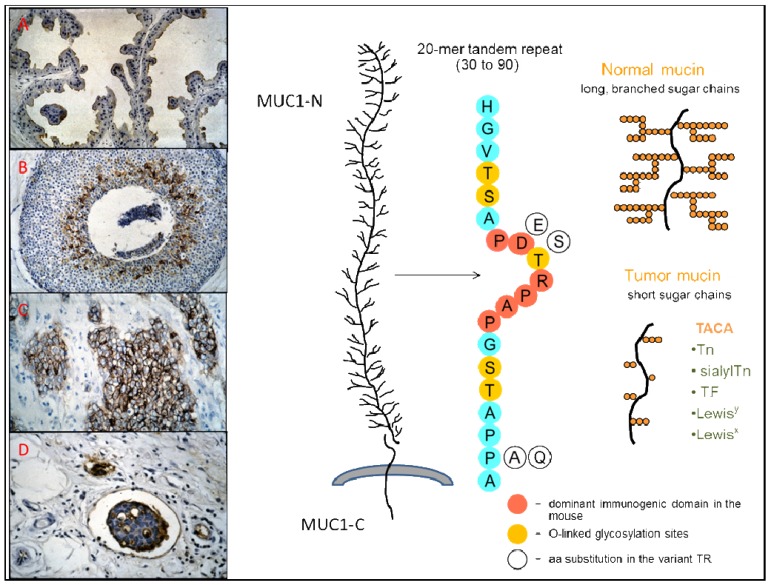
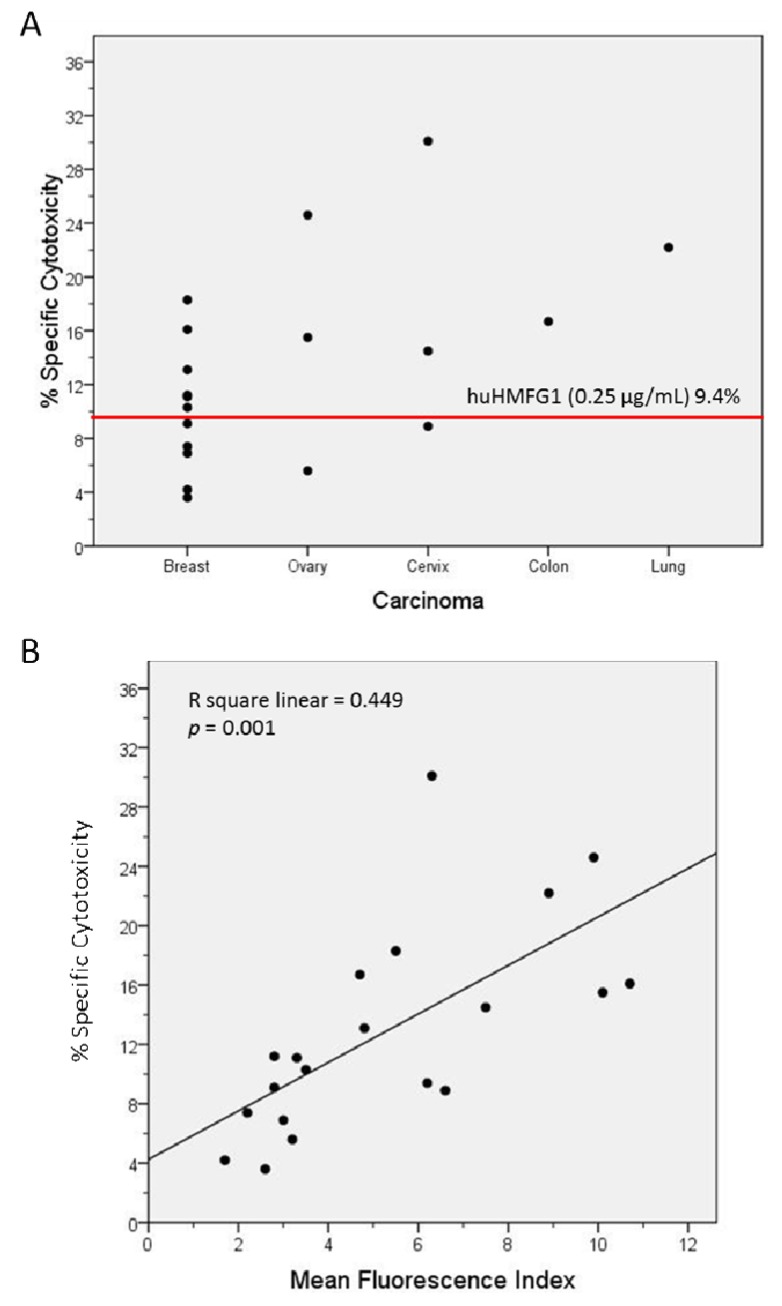
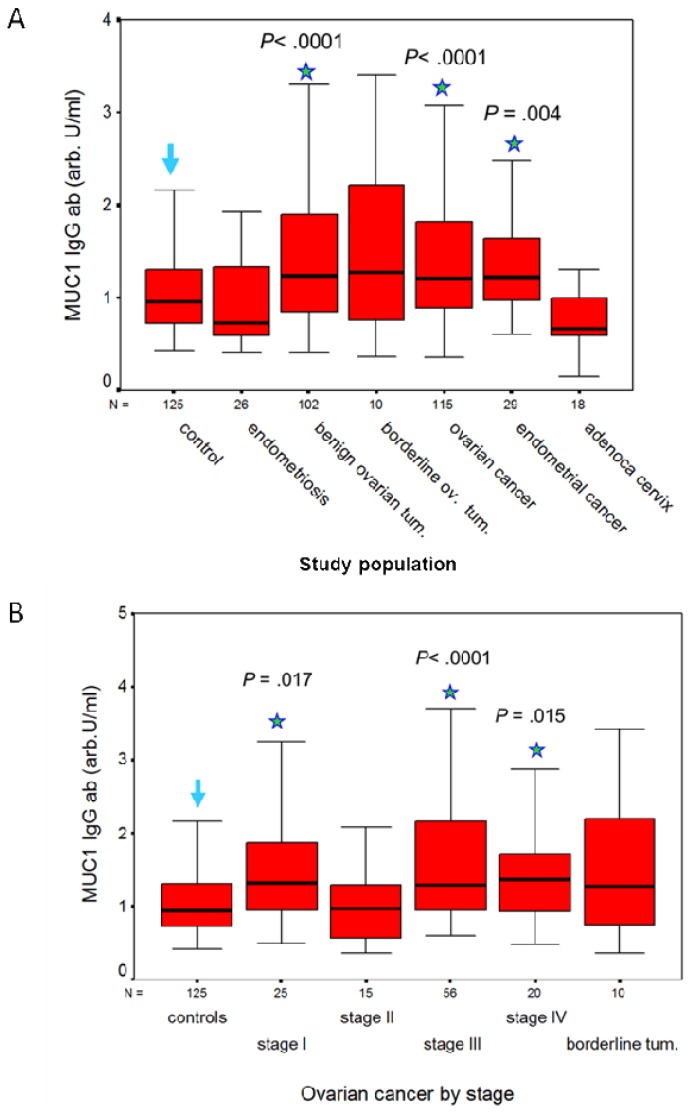
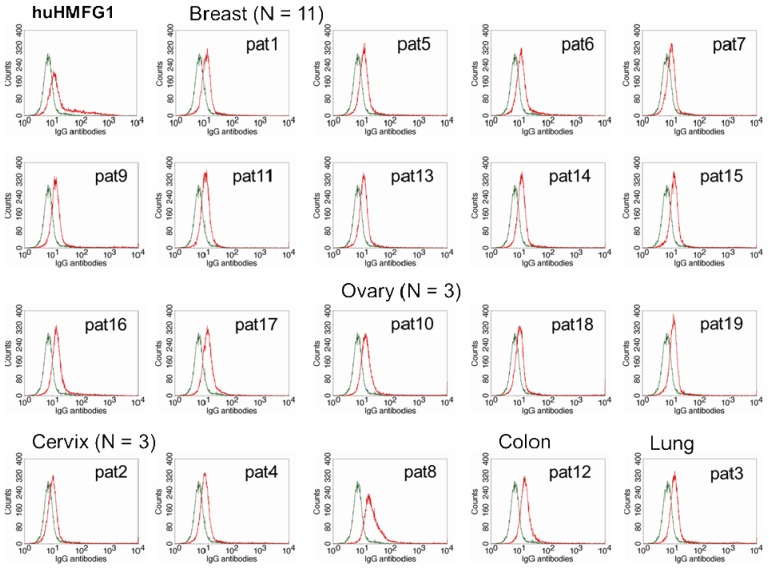
MUC1 is a membrane-tethered mucin expressed on the ductal cell surface of glandular epithelial cells. Loss of polarization, overexpression and aberrant glycosylation of MUC1 in mucosal inflammation and in adenocarcinomas induces humoral immune responses to the mucin. MUC1 IgG responses have been associated with a benefit in survival in patients with breast, lung, pancreatic, ovarian and gastric carcinomas. Antibodies bound to the mucin may curb tumor progression by restoring cell-cell interactions altered by tumor-associated MUC1, thus preventing metastatic dissemination, as well as counteracting the immune suppression exerted by the molecule. Furthermore, anti-MUC1 antibodies are capable of effecting tumor cell killing by antibody-dependent cell-mediated cytotoxicity. Although cytotoxic T cells are indispensable to achieve anti-tumor responses in advanced disease, abs to tumor-associated antigens are ideally suited to address minimal residual disease and may be sufficient to exert adequate immune surveillance in an adjuvant setting, destroying tumor cells as they arise or maintaining occult disease in an equilibrium state. Initial evaluation of MUC1 peptide/glycopeptide mono and polyvalent vaccines has shown them to be immunogenic and safe; anti-tumor responses are scarce. Progress in carbohydrate synthesis has yielded a number of sophisticated substrates that include MUC1 glycopeptide epitopes that are at present in preclinical testing. Adjuvant vaccination with MUC1 glycopeptide polyvalent vaccines that induce strong humoral responses may prevent recurrence of disease in patients with early stage carcinomas. Furthermore, prophylactic immunotherapy targeting MUC1 may be a strategy to strengthen immune surveillance and prevent disease in subjects at hereditary high risk of breast, ovarian and colon cancer.
MUC1 是一种膜结合黏蛋白,在上皮细胞的导管细胞表面表达。黏膜炎症和腺癌中 MUC1 的极化丢失、过表达和异常糖基化会诱导针对黏蛋白的体液免疫反应。MUC1 IgG 反应与乳腺癌、肺癌、胰腺癌、卵巢癌和胃癌患者的生存获益相关。与黏蛋白结合的抗体可能通过恢复肿瘤相关 MUC1 改变的细胞间相互作用来抑制肿瘤进展,从而防止转移扩散,并抵抗该分子施加的免疫抑制。此外,抗 MUC1 抗体能够通过抗体依赖性细胞介导的细胞毒性来实现肿瘤细胞杀伤。尽管细胞毒性 T 细胞对于在晚期疾病中实现抗肿瘤反应是必不可少的,但针对肿瘤相关抗原的抗体最适合解决微小残留疾病,并且在辅助治疗环境中可能足以发挥充分的免疫监视,在肿瘤细胞出现时消灭它们或维持隐匿性疾病处于平衡状态。对 MUC1 肽/糖肽单价和多价疫苗的初步评估表明它们具有免疫原性和安全性;抗肿瘤反应很少见。碳水化合物合成的进展产生了许多复杂的底物,其中包括目前正在临床前测试中的 MUC1 糖肽表位。用诱导强烈体液反应的 MUC1 糖肽多价疫苗进行佐剂接种可能会预防早期癌症患者疾病复发。此外,针对 MUC1 的预防性免疫疗法可能是一种加强免疫监视和预防遗传性乳腺癌、卵巢癌和结肠癌高危人群疾病的策略。