Hether Tyler D, Hohenlohe Paul A
Department of Biological Sciences and Institute for Bioinformatics and Evolutionary Studies, University of Idaho, Moscow, Idaho, 83844-3051.
Evolution. 2014 Apr;68(4):950-64. doi: 10.1111/evo.12313. Epub 2013 Dec 4.
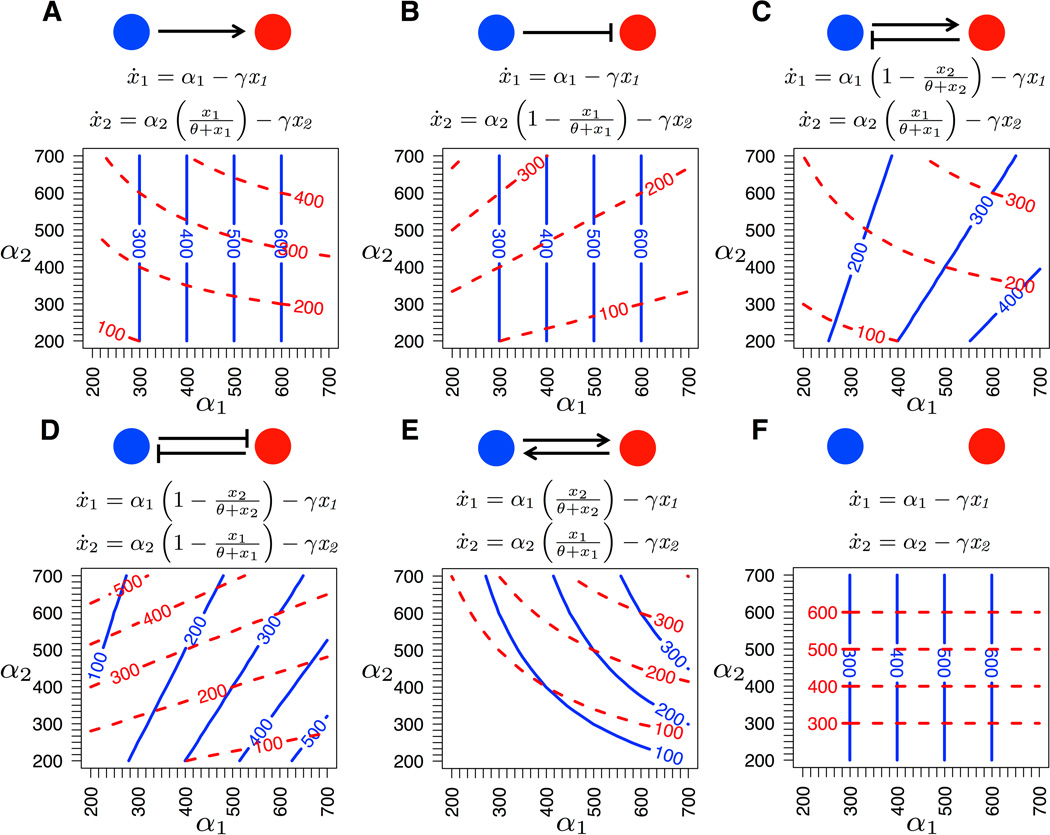
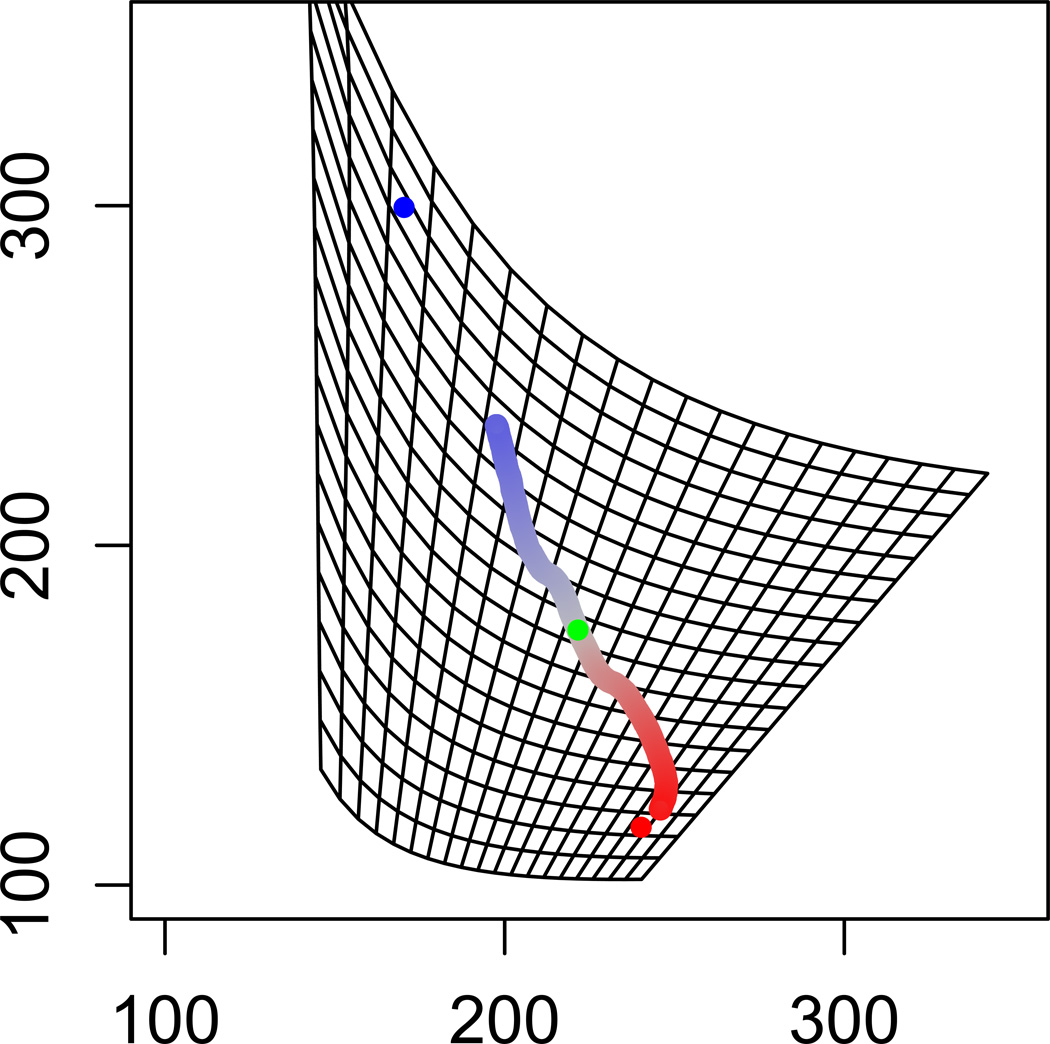
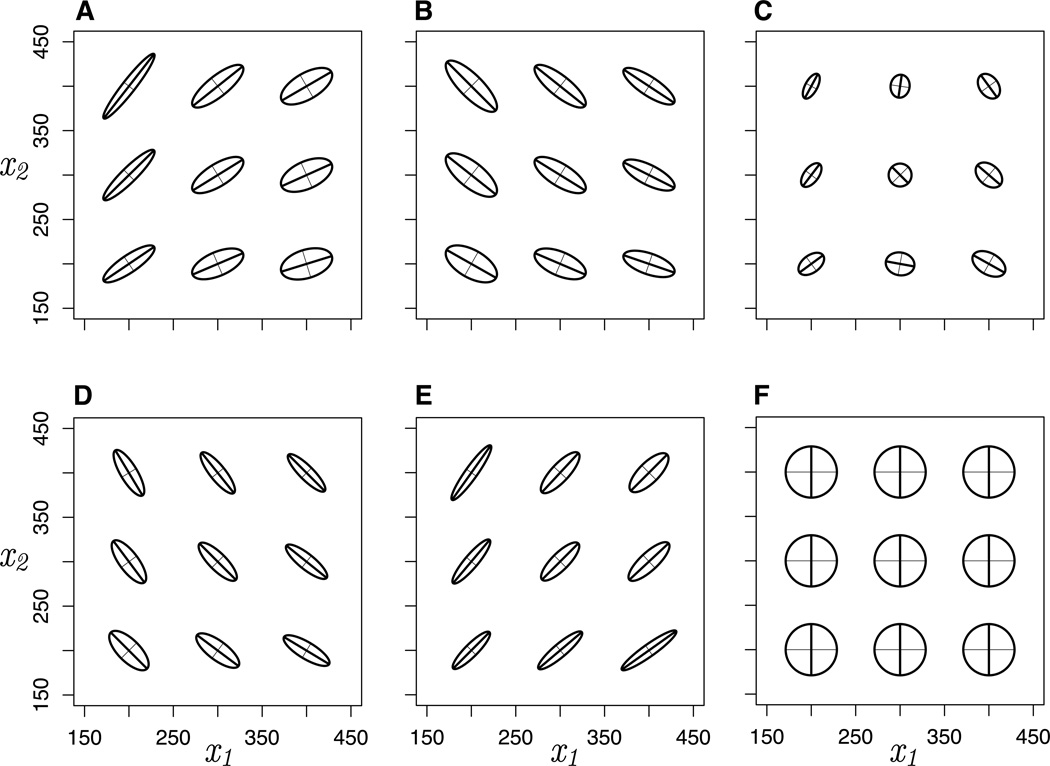
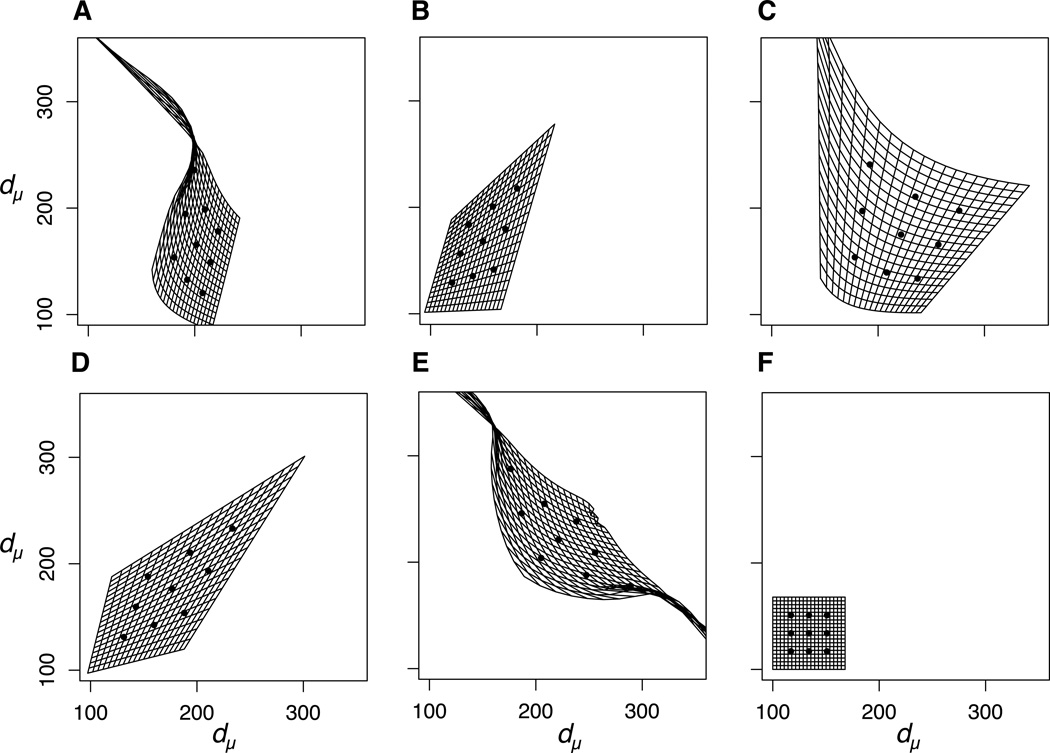
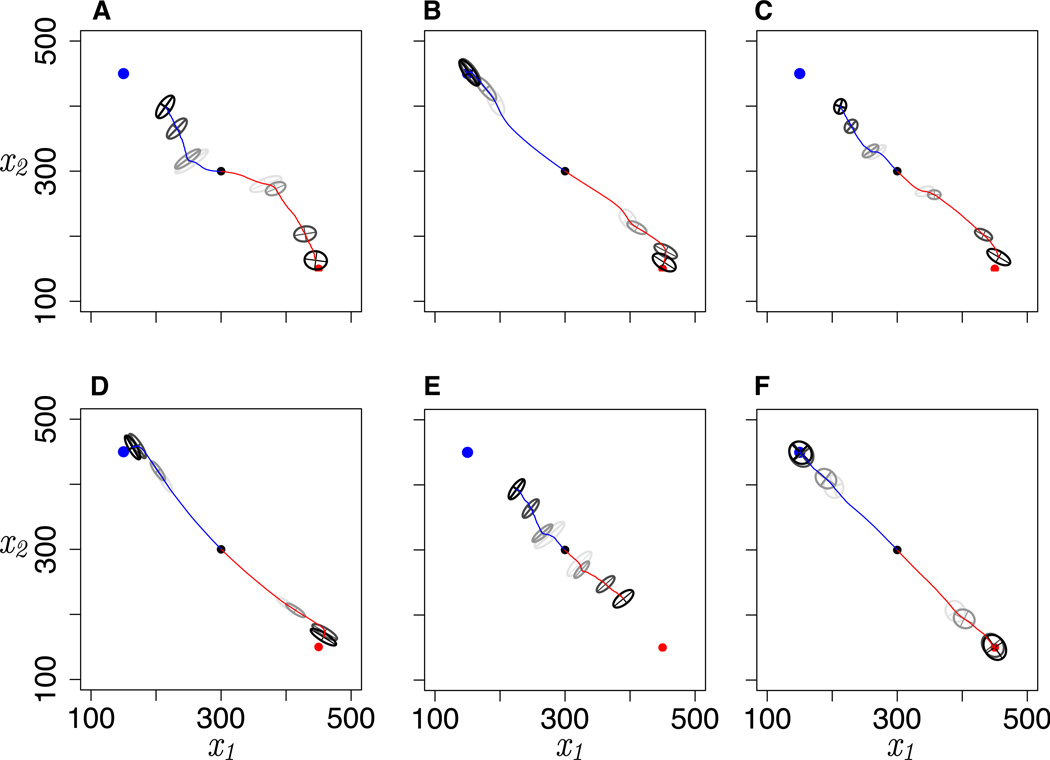
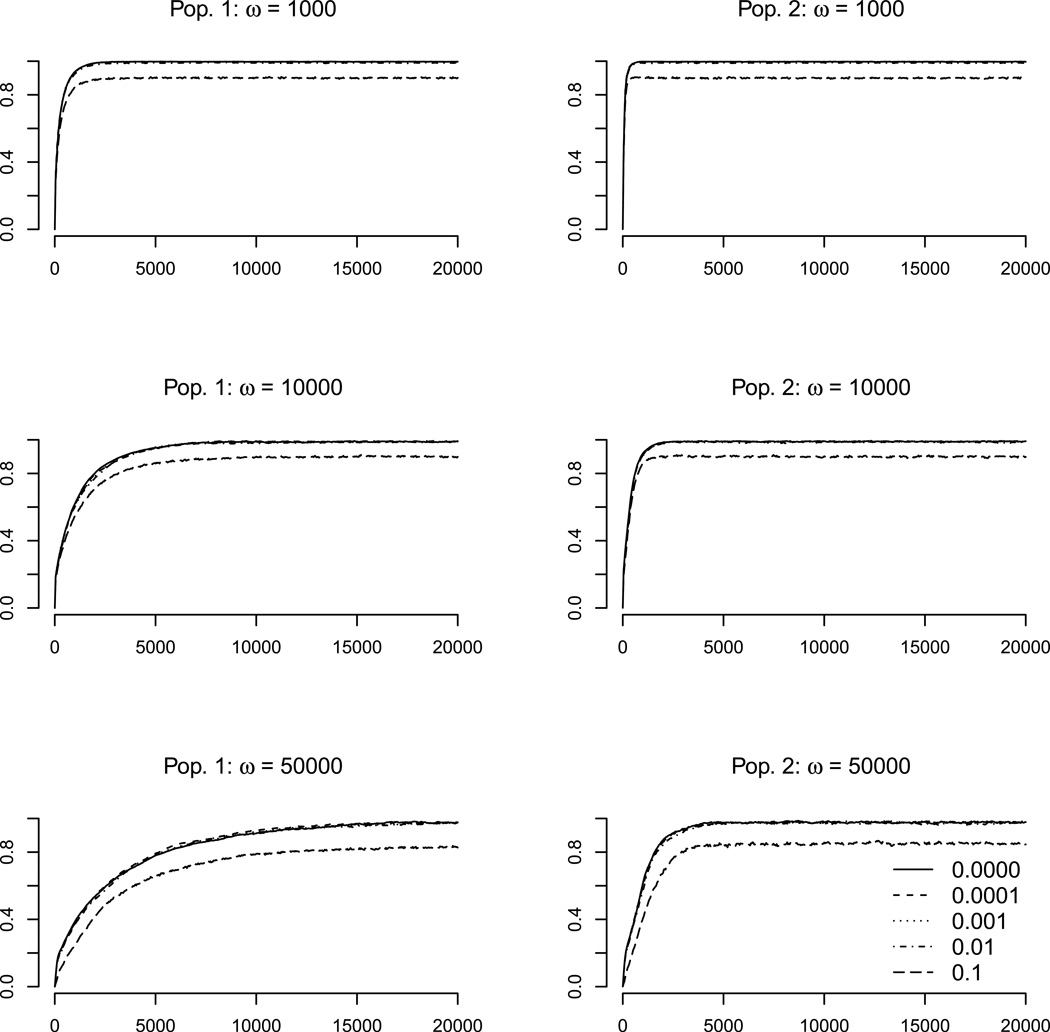
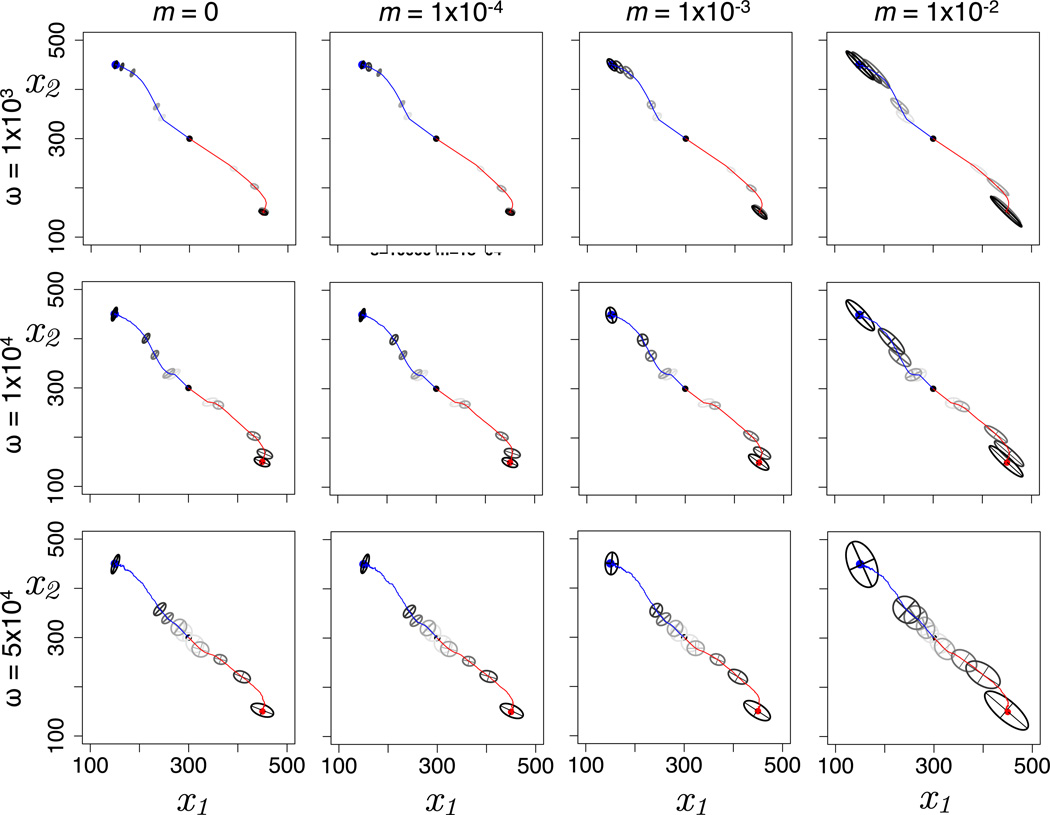
Systems biology is accumulating a wealth of understanding about the structure of genetic regulatory networks, leading to a more complete picture of the complex genotype-phenotype relationship. However, models of multivariate phenotypic evolution based on quantitative genetics have largely not incorporated a network-based view of genetic variation. Here we model a set of two-node, two-phenotype genetic network motifs, covering a full range of regulatory interactions. We find that network interactions result in different patterns of mutational (co)variance at the phenotypic level (the M-matrix), not only across network motifs but also across phenotypic space within single motifs. This effect is due almost entirely to mutational input of additive genetic (co)variance. Variation in M has the effect of stretching and bending phenotypic space with respect to evolvability, analogous to the curvature of space-time under general relativity, and similar mathematical tools may apply in each case. We explored the consequences of curvature in mutational variation by simulating adaptation under divergent selection with gene flow. Both standing genetic variation (the G-matrix) and rate of adaptation are constrained by M, so that G and adaptive trajectories are curved across phenotypic space. Under weak selection the phenotypic mean at migration-selection balance also depends on M.
系统生物学正在积累关于基因调控网络结构的丰富知识,从而更全面地描绘复杂的基因型 - 表型关系。然而,基于数量遗传学的多变量表型进化模型在很大程度上尚未纳入基于网络的遗传变异观点。在此,我们对一组双节点、双表型的基因网络基序进行建模,涵盖了所有类型的调控相互作用。我们发现,网络相互作用在表型水平(M矩阵)上导致了不同模式的突变(协)方差,不仅在不同的网络基序之间如此,在单个基序内的表型空间中也是如此。这种效应几乎完全归因于加性遗传(协)方差的突变输入。M的变化具有相对于进化能力拉伸和弯曲表型空间的作用,类似于广义相对论下时空的曲率,并且在每种情况下可能都适用类似的数学工具。我们通过模拟在有基因流的分歧选择下的适应过程,探讨了突变变异中曲率的后果。静态遗传变异(G矩阵)和适应速率都受到M的限制,因此G和适应性轨迹在表型空间中是弯曲的。在弱选择下,迁移 - 选择平衡时的表型均值也取决于M。