Hsieh Yi-Ting, Lin Mei-Hui, Ho Hung-Yao, Chen Lei-Chin, Chen Chien-Cheng, Shu Jwu-Ching
Department of Medical Biotechnology and Laboratory Science, College of Medicine, Chang Gung University, Taoyuan, Taiwan.
PLoS One. 2013 Nov 4;8(11):e79566. doi: 10.1371/journal.pone.0079566. eCollection 2013.
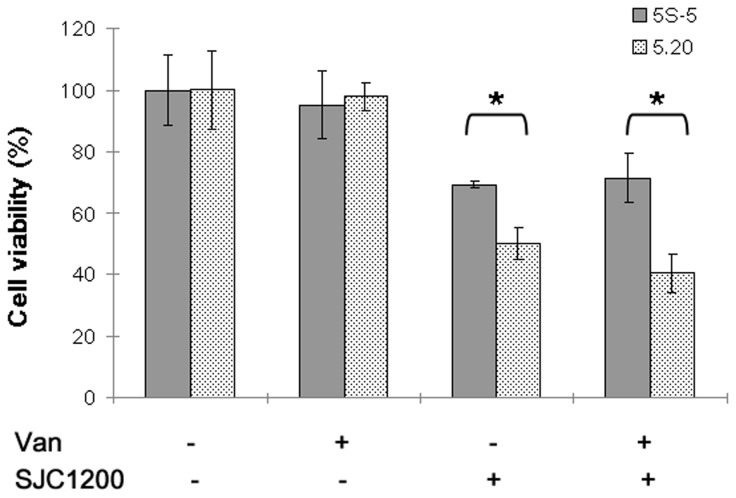
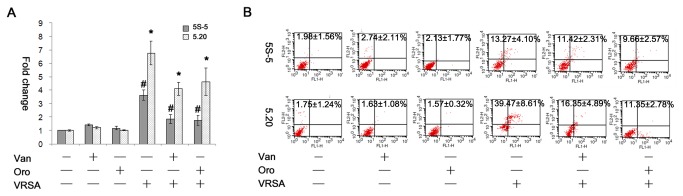
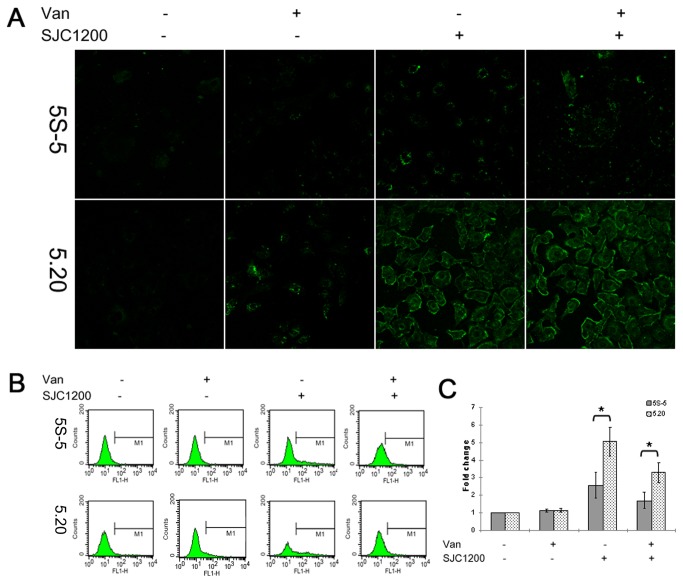
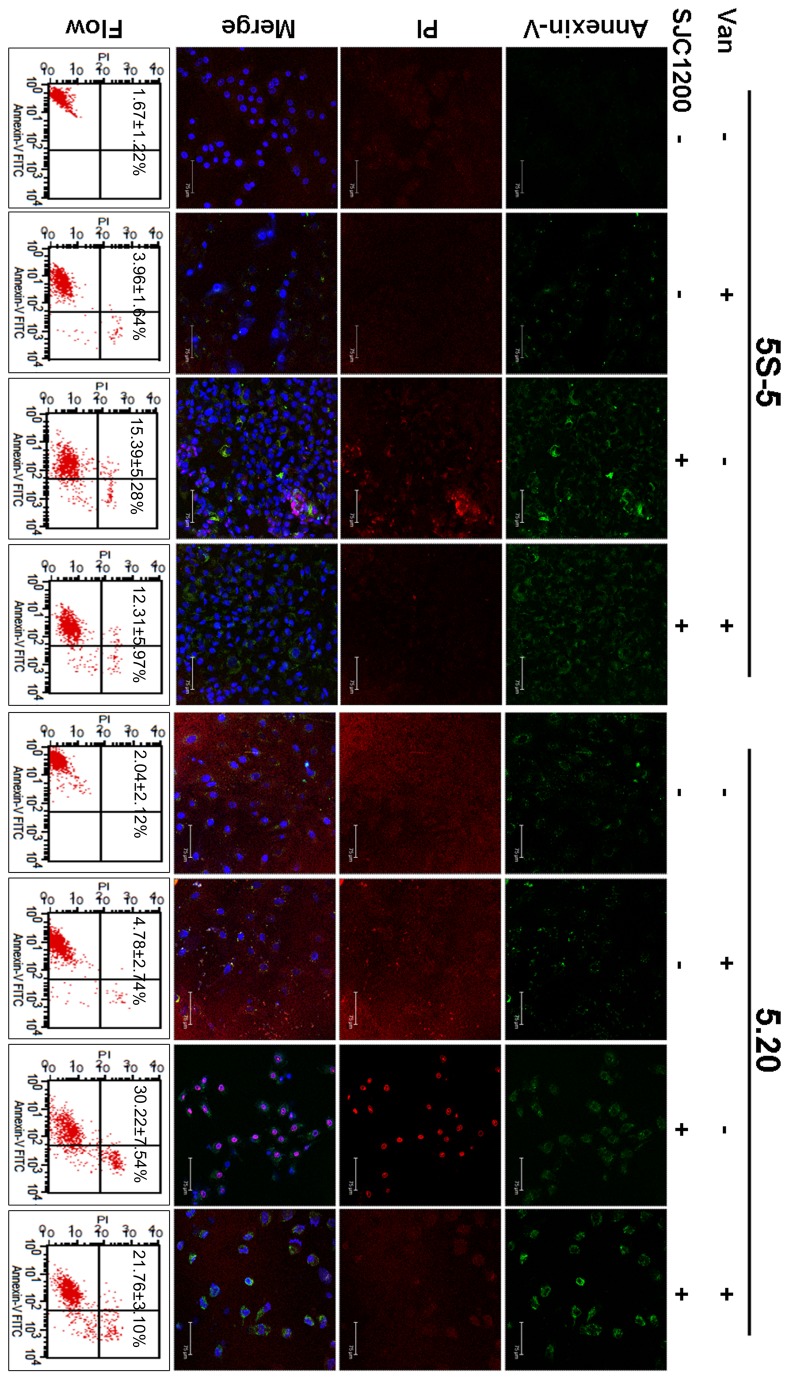
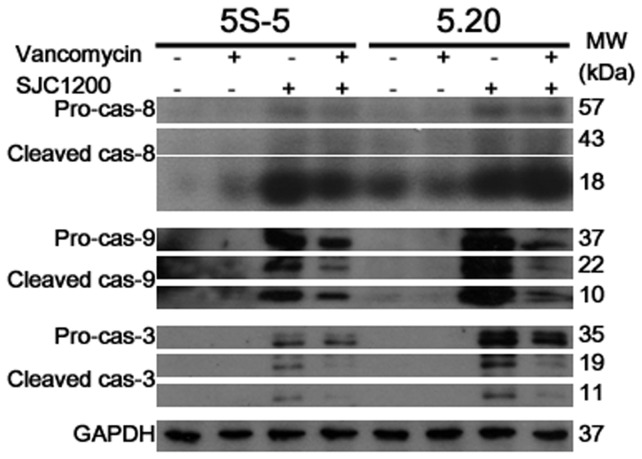
Glucose-6-phosphate dehydrogenase (G6PD) is a key enzyme in the pentose phosphate pathway and provides reducing energy to all cells by maintaining redox balance. The most common clinical manifestations in patients with G6PD deficiency are neonatal jaundice and acute hemolytic anemia. The effects of microbial infection in patients with G6PD deficiency primarily relate to the hemolytic anemia caused by Plasmodium or viral infections and the subsequent medication that is required. We are interested in studying the impact of bacterial infection in G6PD-deficient cells. G6PD knock down A549 lung carcinoma cells, together with the common pathogen Staphylococcus aureus, were employed in our cell infection model. Here, we demonstrate that a lower cell viability was observed among G6PD-deficient cells when compared to scramble controls upon bacterial infection using the MTT assay. A significant increase in the intracellular ROS was detected among S. aureus-infected G6PD-deficient cells by observing dichlorofluorescein (DCF) intensity within cells under a fluorescence microscope and quantifying this signal using flow cytometry. The impairment of ROS removal is predicted to enhance apoptotic activity in G6PD-deficient cells, and this enhanced apoptosis was observed by annexin V/PI staining under a confocal fluorescence microscope and quantified by flow cytometry. A higher expression level of the intrinsic apoptotic initiator caspase-9, as well as the downstream effector caspase-3, was detected by Western blotting analysis of G6PD-deficient cells following bacterial infection. In conclusion, we propose that bacterial infection, perhaps the secreted S. aureus α-hemolysin in this case, promotes the accumulation of intracellular ROS in G6PD-deficient cells. This would trigger a stronger apoptotic activity through the intrinsic pathway thereby reducing cell viability when compared to wild type cells.
葡萄糖-6-磷酸脱氢酶(G6PD)是磷酸戊糖途径中的关键酶,通过维持氧化还原平衡为所有细胞提供还原能量。G6PD缺乏症患者最常见的临床表现是新生儿黄疸和急性溶血性贫血。G6PD缺乏症患者微生物感染的影响主要与疟原虫或病毒感染引起的溶血性贫血以及随后所需的药物治疗有关。我们感兴趣的是研究细菌感染对G6PD缺乏细胞的影响。在我们的细胞感染模型中,使用了G6PD敲低的A549肺癌细胞以及常见病原体金黄色葡萄球菌。在此,我们证明,使用MTT法检测发现,与对照细胞相比,细菌感染后G6PD缺乏细胞的活力较低。通过在荧光显微镜下观察细胞内二氯荧光素(DCF)强度并使用流式细胞术对该信号进行定量,发现在金黄色葡萄球菌感染的G6PD缺乏细胞中细胞内活性氧(ROS)显著增加。预计ROS清除功能的受损会增强G6PD缺乏细胞的凋亡活性,并且通过共聚焦荧光显微镜下的膜联蛋白V/碘化丙啶(PI)染色观察到这种增强的凋亡,并通过流式细胞术进行定量。通过对细菌感染后的G6PD缺乏细胞进行蛋白质印迹分析,检测到内源性凋亡起始因子半胱天冬酶-9以及下游效应因子半胱天冬酶-3的表达水平较高。总之,我们提出细菌感染,在这种情况下可能是金黄色葡萄球菌分泌的α-溶血素,会促进G6PD缺乏细胞内ROS的积累。这将通过内源性途径触发更强的凋亡活性,从而与野生型细胞相比降低细胞活力。