Department of Environmental and Molecular Toxicology, North Carolina State University, Campus Box 7633, Raleigh, NC 27695-7633, USA.
Cell Signal. 2012 May;24(5):981-90. doi: 10.1016/j.cellsig.2012.01.008. Epub 2012 Jan 20.
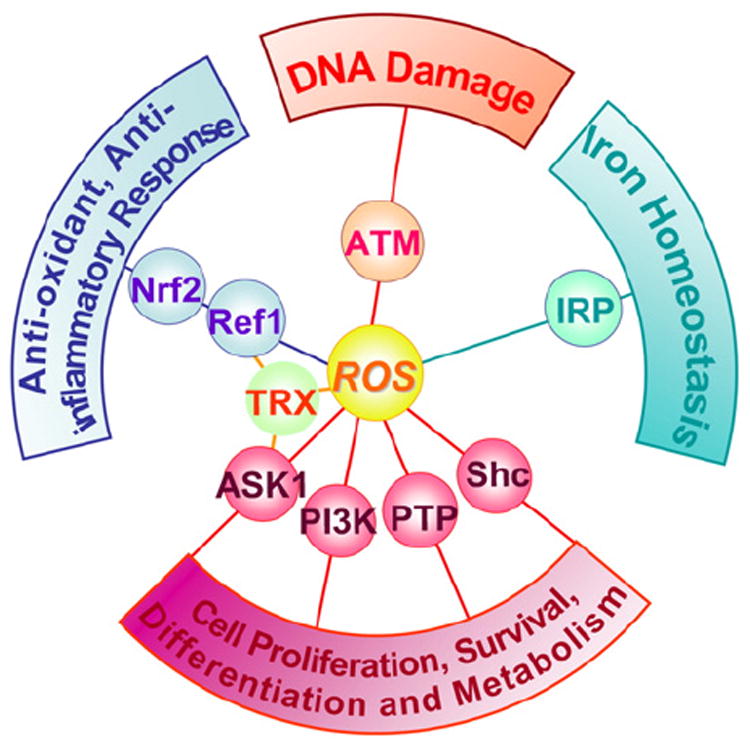
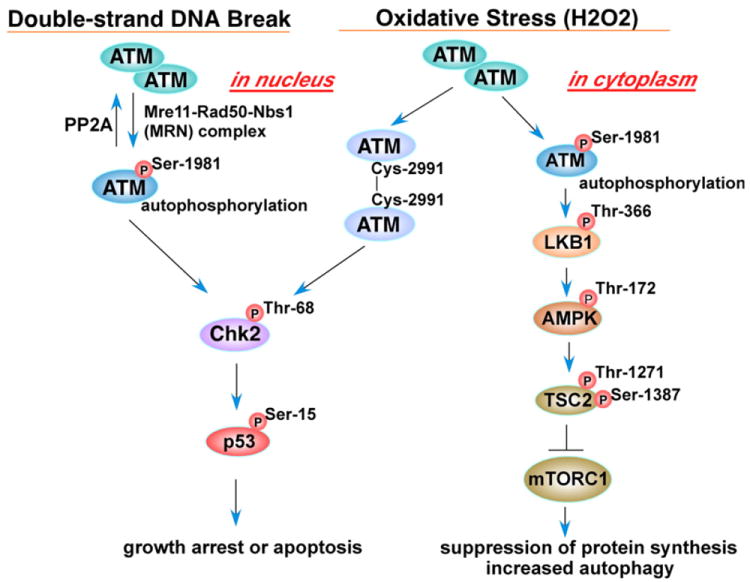
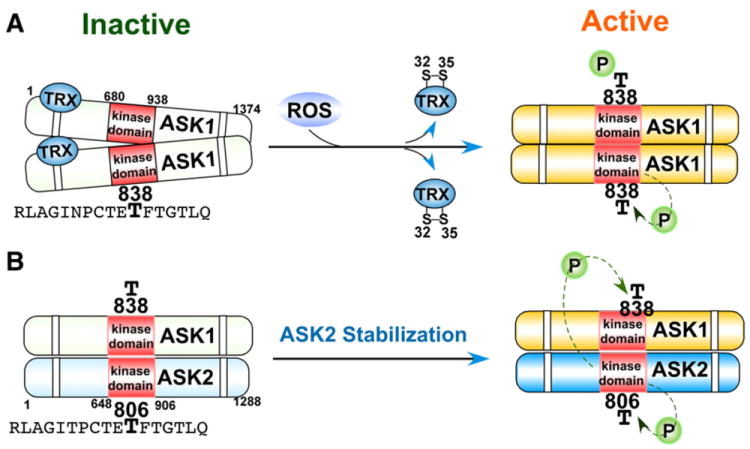
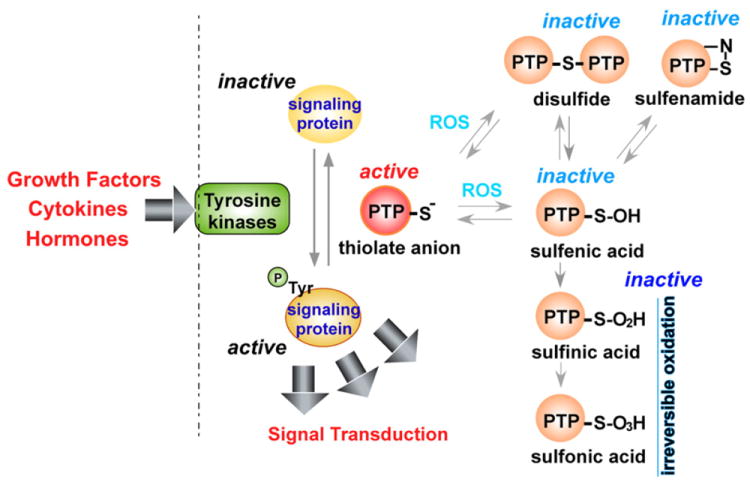
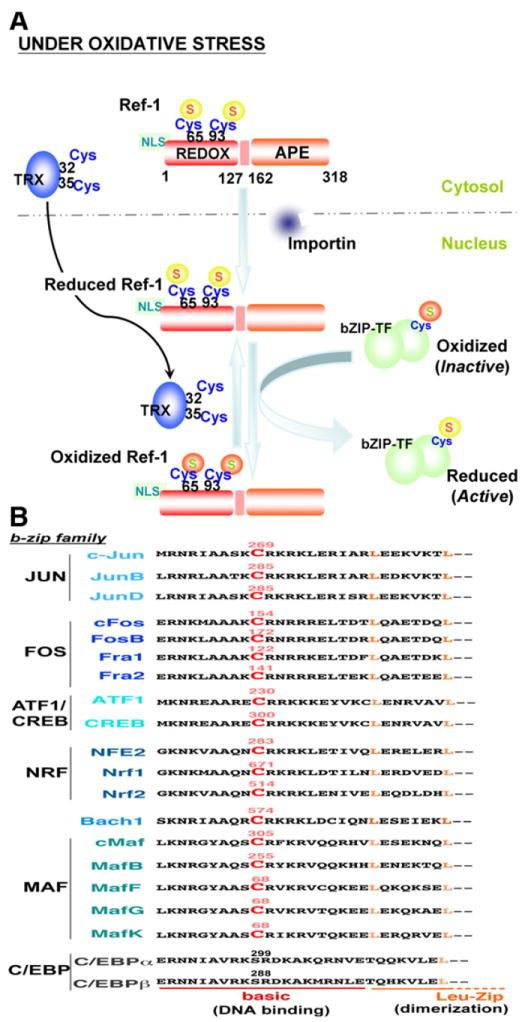
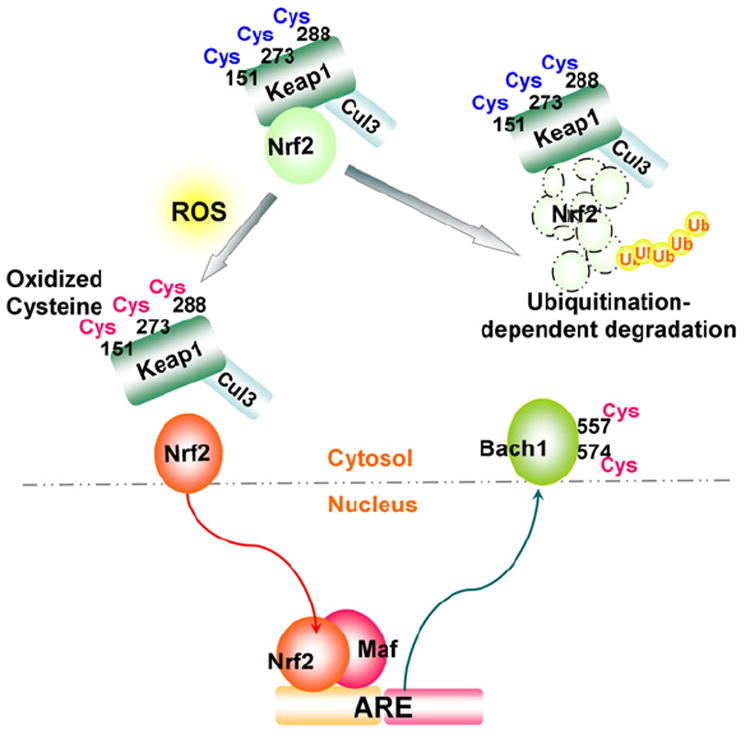
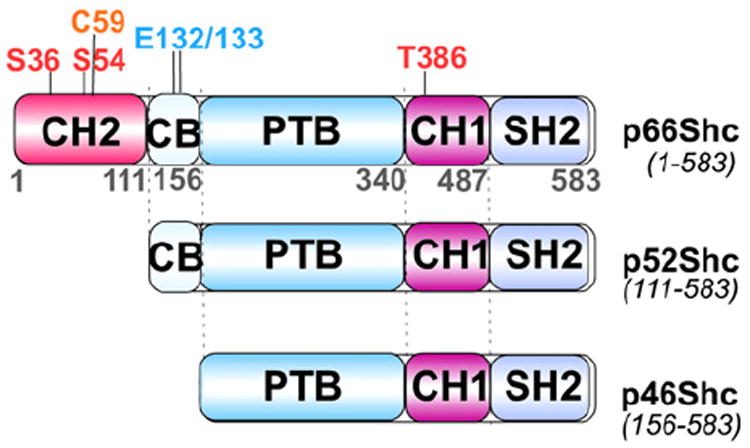
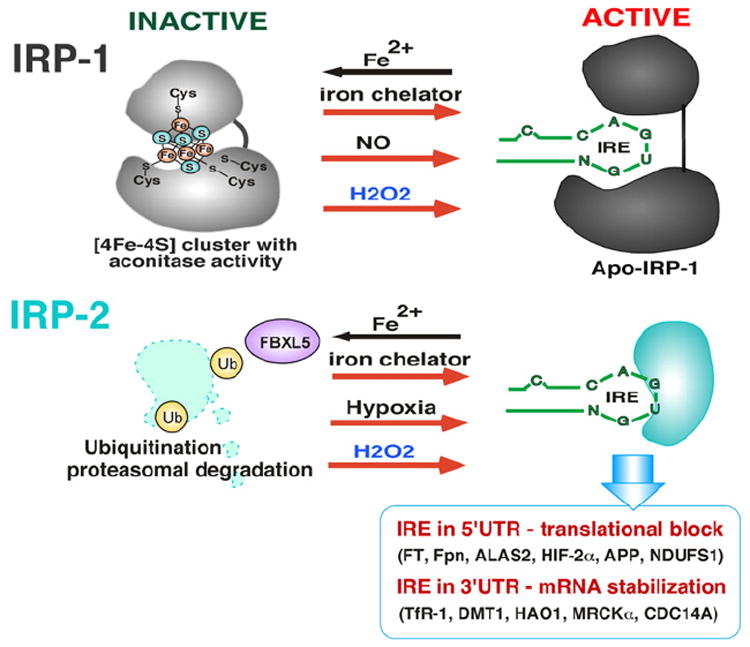
Reactive oxygen species (ROS) are generated during mitochondrial oxidative metabolism as well as in cellular response to xenobiotics, cytokines, and bacterial invasion. Oxidative stress refers to the imbalance due to excess ROS or oxidants over the capability of the cell to mount an effective antioxidant response. Oxidative stress results in macromolecular damage and is implicated in various disease states such as atherosclerosis, diabetes, cancer, neurodegeneration, and aging. Paradoxically, accumulating evidence indicates that ROS also serve as critical signaling molecules in cell proliferation and survival. While there is a large body of research demonstrating the general effect of oxidative stress on signaling pathways, less is known about the initial and direct regulation of signaling molecules by ROS, or what we term the "oxidative interface." Cellular ROS sensing and metabolism are tightly regulated by a variety of proteins involved in the redox (reduction/oxidation) mechanism. This review focuses on the molecular mechanisms through which ROS directly interact with critical signaling molecules to initiate signaling in a broad variety of cellular processes, such as proliferation and survival (MAP kinases, PI3 kinase, PTEN, and protein tyrosine phosphatases), ROS homeostasis and antioxidant gene regulation (thioredoxin, peroxiredoxin, Ref-1, and Nrf-2), mitochondrial oxidative stress, apoptosis, and aging (p66Shc), iron homeostasis through iron-sulfur cluster proteins (IRE-IRP), and ATM-regulated DNA damage response.
活性氧 (ROS) 不仅在线粒体氧化代谢过程中产生,也在细胞对外源物质、细胞因子和细菌入侵的反应中产生。氧化应激是指由于细胞产生有效抗氧化反应的能力超过 ROS 或氧化剂的能力而导致的失衡。氧化应激导致大分子损伤,并与动脉粥样硬化、糖尿病、癌症、神经退行性变和衰老等各种疾病状态有关。矛盾的是,越来越多的证据表明,ROS 也作为细胞增殖和存活的关键信号分子。虽然有大量研究表明氧化应激对信号通路的一般影响,但人们对 ROS 对信号分子的初始和直接调节知之甚少,或者我们称之为“氧化界面”。细胞内 ROS 的感应和代谢受到参与氧化还原(还原/氧化)机制的多种蛋白质的严格调节。这篇综述重点介绍了 ROS 直接与关键信号分子相互作用,从而在多种细胞过程中启动信号转导的分子机制,如增殖和存活(MAP 激酶、PI3 激酶、PTEN 和蛋白酪氨酸磷酸酶)、ROS 稳态和抗氧化基因调节(硫氧还蛋白、过氧化物酶、Ref-1 和 Nrf-2)、线粒体氧化应激、细胞凋亡和衰老(p66Shc)、通过铁硫簇蛋白调节铁稳态(IRE-IRP)以及 ATM 调节的 DNA 损伤反应。