Svanström Åsa, Boveri Silvio, Boström Emma, Melin Petter
Uppsala BioCenter, Department of Microbiology, Swedish University of Agricultural Sciences, P,O, Box 7025, Uppsala SE-750 07, Sweden.
BMC Res Notes. 2013 Nov 14;6:464. doi: 10.1186/1756-0500-6-464.
Food spoilage caused by molds is a severe problem. In food and feed, e.g. dairy products, sourdough bread and silage, lactic acid bacteria are used as starter cultures. Besides lactic and acetic acid, some strains produce other low molecular weight compounds with antifungal activities. One of these metabolites is phenyllactic acid (PLA), well known for its antifungal effect. The inhibitory effect of PLA has only partially been investigated, and the objective of this study was to elucidate in detail the antifungal properties of PLA.
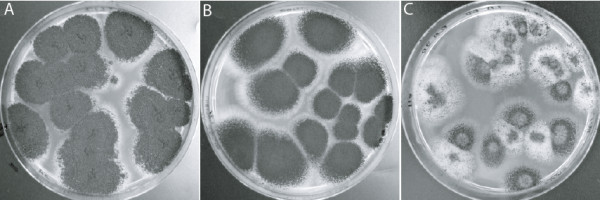
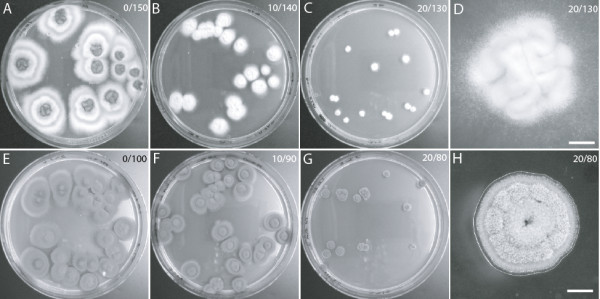
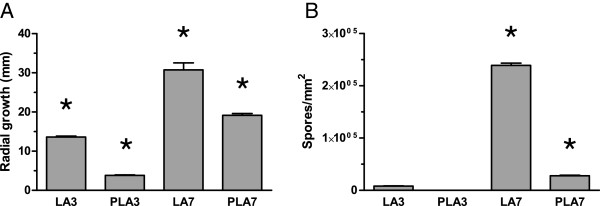
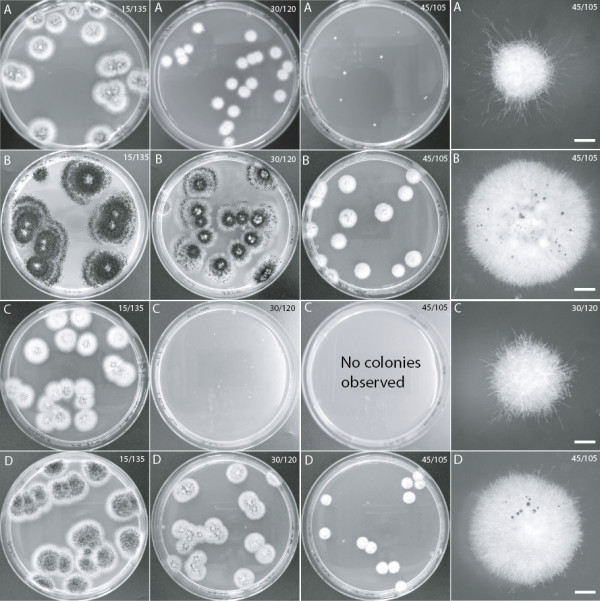
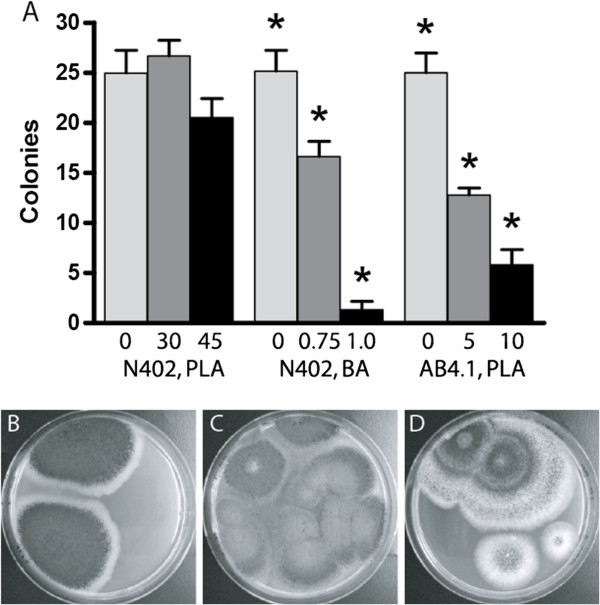
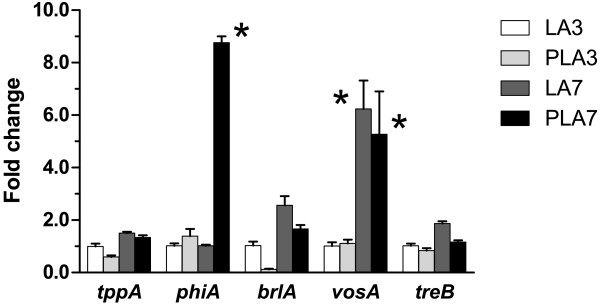
We investigated the outgrowth of individual conidia from Aspergillus niger, Cladosporium cladosporioides and Penicillium roqueforti, and observed the morphologies of resulting colonies on solid media using different acid concentrations. We found that PLA inhibits molds similar to weak acid preservatives. Furthermore, it has an additional activity: at sub-inhibitory concentrations, fungal colonies displayed slower radial growth and inhibited sporulation. The L isoform of PLA is a more potent inhibitor than the D form. Increased expression of phiA was observed during PLA treatment. This gene was initially identified as being induced by Streptomyces-produced macrolide antibiotics, and is shown to be a structural protein in developed cells. This suggests that PhiA may act as a general stress protectant in fungi.
From a food protection perspective, the results of this study support the usage of lactic acid bacteria strains synthesizing PLA as starter cultures in food and feed. Such starter cultures could inhibit spore synthesis, which would be beneficial as many food borne fungi are spread by airborne spores.
霉菌引起的食物腐败是一个严重问题。在食品和饲料中,例如乳制品、酸面团面包和青贮饲料中,乳酸菌被用作发酵剂。除了乳酸和乙酸外,一些菌株还会产生其他具有抗真菌活性的低分子量化合物。其中一种代谢产物是苯乳酸(PLA),其抗真菌作用广为人知。PLA的抑制作用仅得到部分研究,本研究的目的是详细阐明PLA的抗真菌特性。
我们研究了黑曲霉、枝孢霉和罗克福特青霉单个分生孢子的生长,并使用不同酸浓度观察了固体培养基上形成的菌落形态。我们发现PLA对霉菌的抑制作用类似于弱酸防腐剂。此外,它还有额外的活性:在亚抑制浓度下,真菌菌落的径向生长较慢且孢子形成受到抑制。PLA的L型异构体比D型异构体是更有效的抑制剂。在PLA处理期间观察到phiA的表达增加。该基因最初被鉴定为由链霉菌产生的大环内酯抗生素诱导,并且在发育细胞中显示为一种结构蛋白。这表明PhiA可能在真菌中作为一种普遍的应激保护剂起作用。
从食品保护的角度来看,本研究结果支持将合成PLA的乳酸菌菌株用作食品和饲料中的发酵剂。这种发酵剂可以抑制孢子合成,这将是有益的,因为许多食源真菌是通过空气传播的孢子传播的。