Rachel & Menachem Mendelovitch Evolutionary Processes of Mutation & Natural Selection Research Laboratory, Department of Genetics, the Ruth and Bruce Rappaport Faculty of Medicine, Technion-Israel Institute of Technology, Haifa, Israel.
PLoS Genet. 2013 Nov;9(11):e1003968. doi: 10.1371/journal.pgen.1003968. Epub 2013 Nov 14.
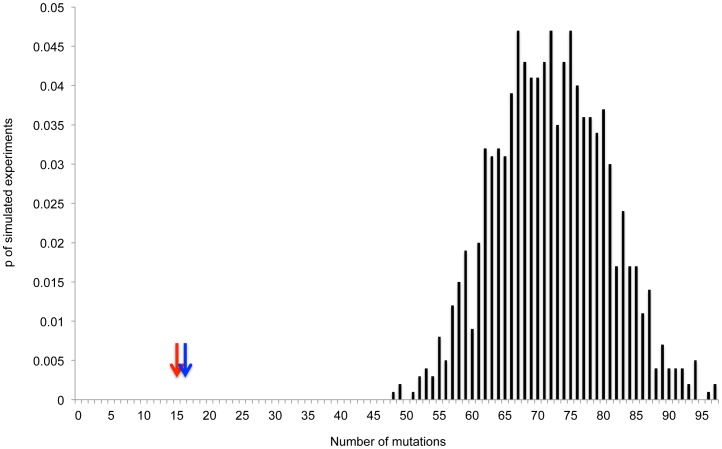
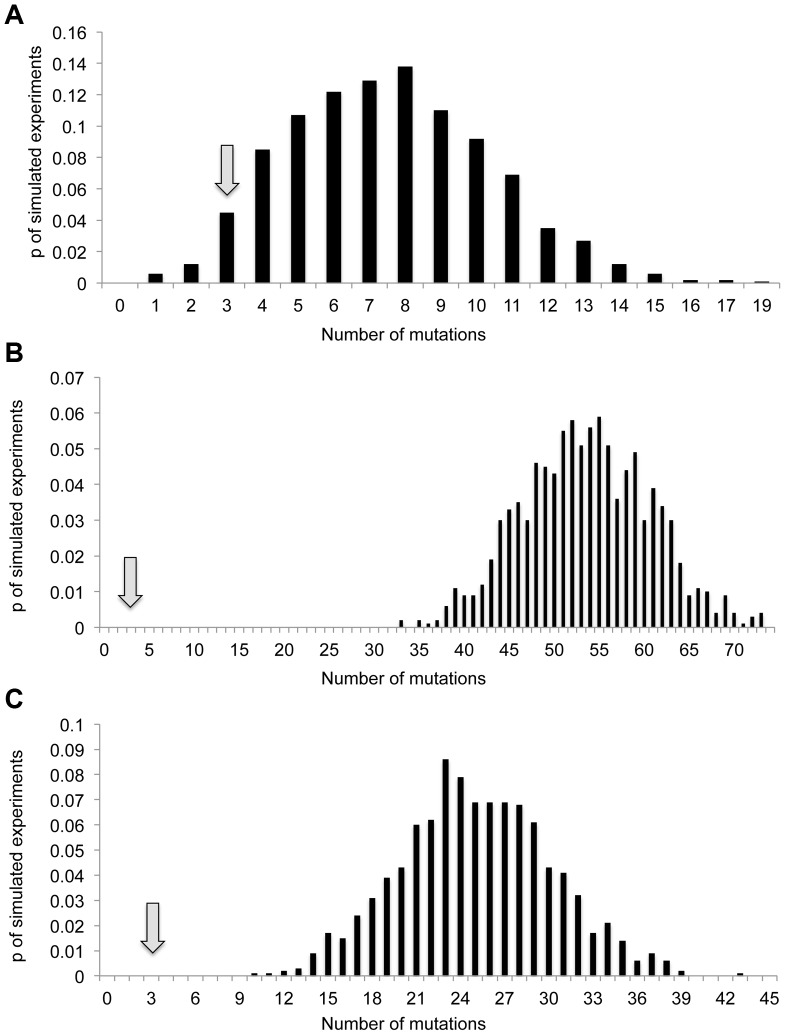
The frequency of mutants resistant to the antibiotic rifampicin has been shown to increase in aging (starved), compared to young colonies of Escherichia coli. These increases in resistance frequency occur in the absence of any antibiotic exposure, and similar increases have also been observed in response to additional growth limiting conditions. Understanding the causes of such increases in the frequency of resistance is important for understanding the dynamics of antibiotic resistance emergence and spread. Increased frequency of rifampicin resistant mutants in aging colonies is cited widely as evidence of stress-induced mutagenesis (SIM), a mechanism thought to allow bacteria to increase mutation rates upon exposure to growth-limiting stresses. At the same time it has been demonstrated that some rifampicin resistant mutants are relatively fitter in aging compared to young colonies, indicating that natural selection may also contribute to increased frequency of rifampicin resistance in aging colonies. Here, we demonstrate that the frequency of mutants resistant to both rifampicin and an additional antibiotic (nalidixic-acid) significantly increases in aging compared to young colonies of a lab strain of Escherichia coli. We then use whole genome sequencing to demonstrate conclusively that SIM cannot explain the observed magnitude of increased frequency of resistance to these two antibiotics. We further demonstrate that, as was previously shown for rifampicin resistance mutations, mutations conferring nalidixic acid resistance can also increase fitness in aging compared to young colonies. Our results show that increases in the frequency of antibiotic resistant mutants in aging colonies cannot be seen as evidence of SIM. Furthermore, they demonstrate that natural selection likely contributes to increases in the frequency of certain antibiotic resistance mutations, even when no selection is exerted due to the presence of antibiotics.
与年轻的大肠杆菌菌落相比,衰老(饥饿)状态下对抗生素利福平具有抗性的突变体的频率已经显示出增加。在没有任何抗生素暴露的情况下,抗性频率的这种增加会发生,并且在响应其他生长限制条件时也观察到了类似的增加。了解这种抗性频率增加的原因对于理解抗生素抗性出现和传播的动态非常重要。衰老菌落中利福平抗性突变体频率的增加被广泛认为是应激诱导突变(SIM)的证据,该机制被认为允许细菌在暴露于生长限制压力时增加突变率。同时,已经证明,与年轻菌落相比,一些利福平抗性突变体在衰老时相对更适合,这表明自然选择也可能导致衰老菌落中利福平抗性频率的增加。在这里,我们证明与年轻菌落相比,实验室大肠杆菌菌株的衰老菌落中对利福平和另一种抗生素(萘啶酸)具有抗性的突变体的频率显著增加。然后,我们使用全基因组测序明确证明,SIM 无法解释观察到的这两种抗生素抗性增加频率的幅度。我们进一步证明,与之前利福平抗性突变的情况一样,赋予萘啶酸抗性的突变也可以增加衰老时的适应性,而不是年轻菌落。我们的研究结果表明,衰老菌落中抗生素抗性突变体频率的增加不能被视为 SIM 的证据。此外,它们表明,即使由于抗生素的存在而没有施加选择,自然选择也可能导致某些抗生素抗性突变体的频率增加。