Liu Kuei-Chun, Yo Yi-Te, Huang Rui-Lan, Wang Yu-Chi, Liao Yu-Ping, Huang Tien-Shuo, Chao Tai-Kuang, Lin Chi-Kang, Weng Shao-Ju, Ma Kuo-Hsing, Chang Cheng-Chang, Yu Mu-Hsien, Lai Hung-Cheng
Graduate Institute of Life Sciences, National Defense Medical Center, Taipei, Taiwan.
Oncotarget. 2013 Dec;4(12):2366-82. doi: 10.18632/oncotarget.1424.
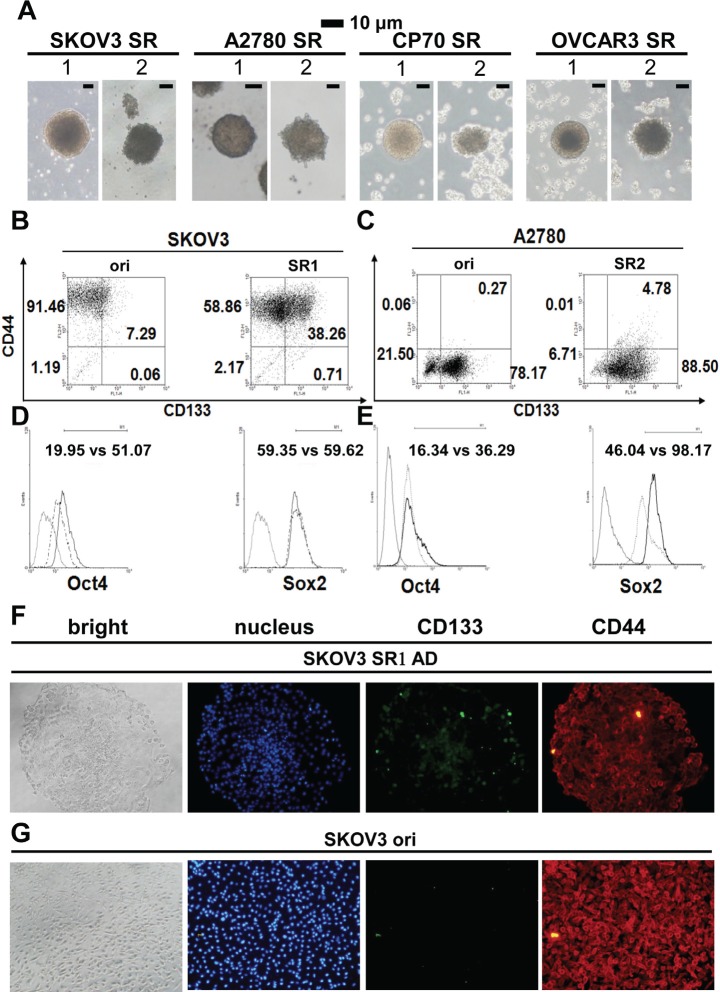
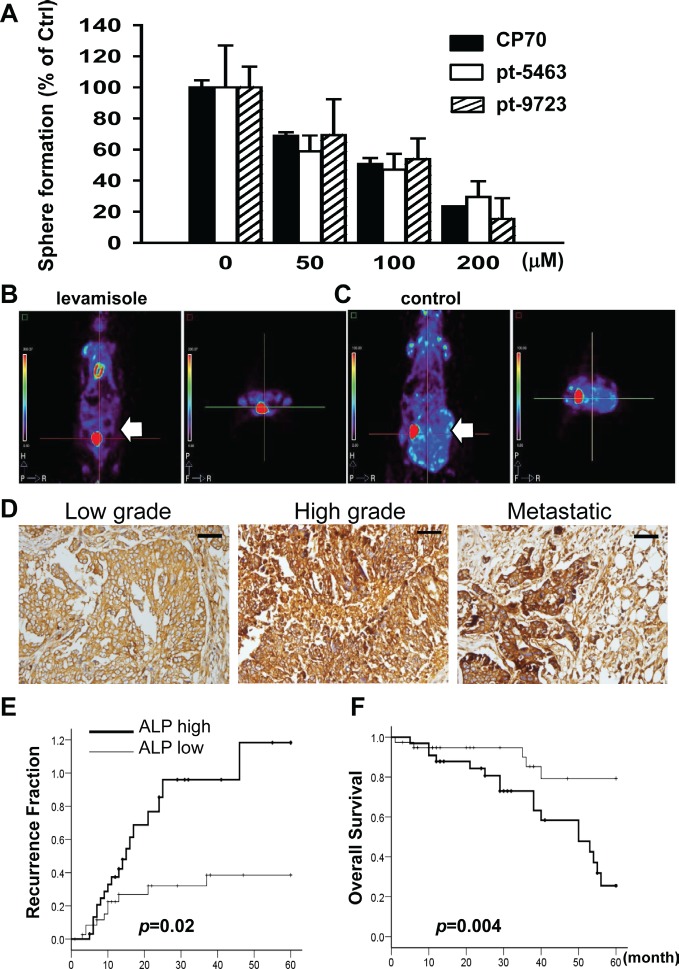
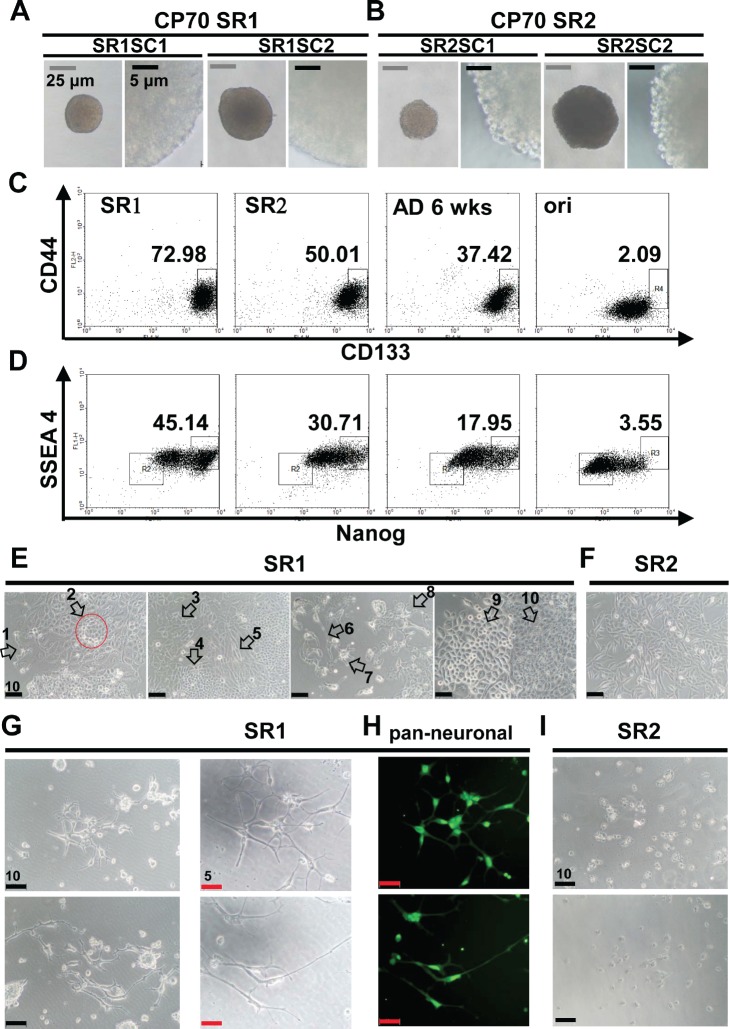
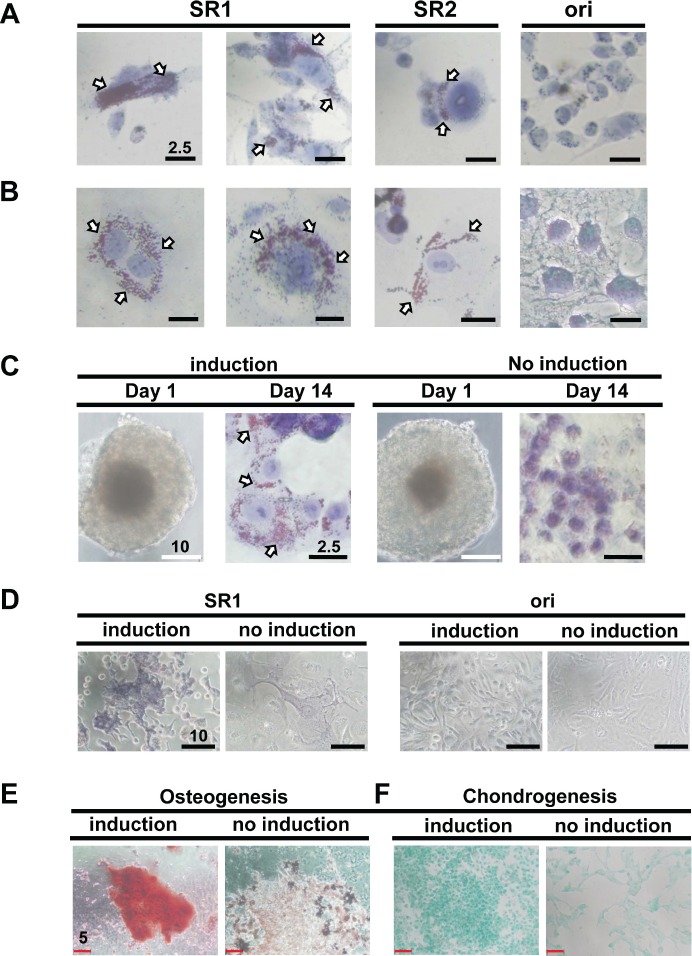
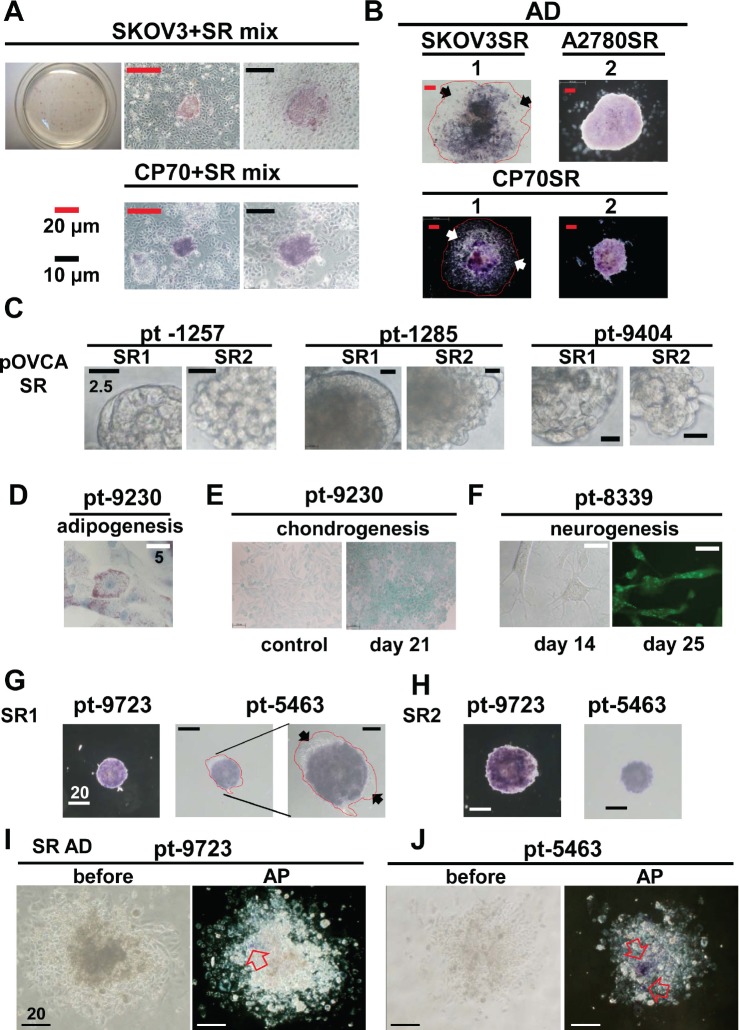
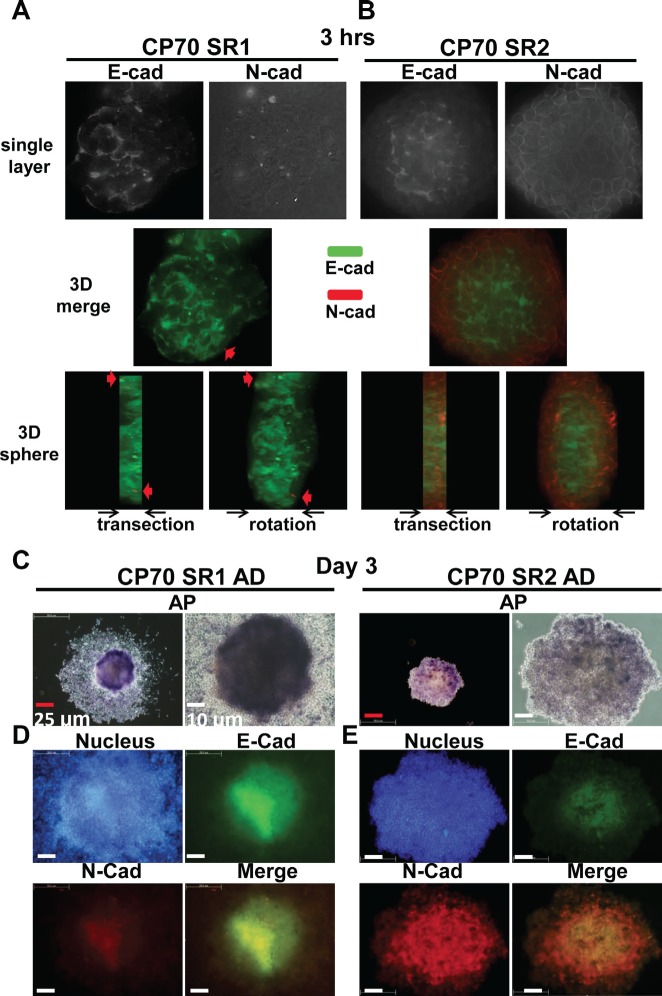
Spheroid formation is one property of stem cells-such as embryo-derived or neural stem cells-that has been used for the enrichment of cancer stem-like cells (CSLCs). However, it is unclear whether CSLC-derived spheroids are heterogeneous or whether they share common embryonic stemness properties. Understanding these features might lead to novel therapeutic approaches. Ovarian carcinoma is a deadly disease of women. We identified two types of spheroids (SR1 and SR2) from ovarian cancer cell lines and patients' specimens according to their morphology. Both types expressed stemness markers and could self-renew and initiate tumors when a low number of cells were used. Only SR1 could differentiate into multiple-lineage cell types under specific induction conditions. SR1 spheroids could differentiate to SR2 spheroids through epithelial-mesenchymal transition. Alkaline phosphatase (ALP) was highly expressed in SR1 spheroids, decreased in SR2 spheroids, and was absent in differentiated progenies in accordance with the loss of stemness properties. We verified that ALP can be a marker for ovarian CSLCs, and patients with greater ALP expression is related to advanced clinical stages and have a higher risk of recurrence and lower survival rate. The ALP inhibitor, levamisole, disrupted the self-renewal of ovarian CSLCs in vitro and tumor growth in vivo. In summary, this research provides a plastic ovarian cancer stem cell model and a new understanding of the cross-link between stem cells and cancers.This results show that ovarian CSLCs can be suppressed by levamisole. Our findings demonstrated that some ovarian CSLCs may restore ALP activity, and this suggests that inhibition of ALP activity may present a new opportunity for treatment of ovarian cancer.
球体形成是干细胞(如胚胎来源的干细胞或神经干细胞)的一种特性,已被用于富集癌症干细胞样细胞(CSLCs)。然而,尚不清楚CSLCs来源的球体是异质性的,还是它们具有共同的胚胎干性特性。了解这些特征可能会带来新的治疗方法。卵巢癌是女性的致命疾病。我们根据卵巢癌细胞系和患者标本的形态,鉴定出两种类型的球体(SR1和SR2)。两种类型均表达干性标志物,并且当使用少量细胞时能够自我更新并引发肿瘤。只有SR1在特定诱导条件下能够分化为多种谱系细胞类型。SR1球体可通过上皮-间质转化分化为SR2球体。碱性磷酸酶(ALP)在SR1球体中高表达,在SR2球体中降低,并且在分化后代中不存在,这与干性特性的丧失一致。我们证实ALP可以作为卵巢CSLCs的标志物,并且ALP表达较高的患者与晚期临床分期相关,复发风险较高且生存率较低。ALP抑制剂左旋咪唑在体外破坏了卵巢CSLCs的自我更新,并在体内抑制了肿瘤生长。总之,本研究提供了一个可塑性卵巢癌干细胞模型,并对干细胞与癌症之间的联系有了新的认识。这些结果表明卵巢CSLCs可被左旋咪唑抑制。我们的研究结果表明,一些卵巢CSLCs可能恢复ALP活性,这表明抑制ALP活性可能为卵巢癌治疗提供新的机会。