Brown David A, Hale Sharon L, Baines Christopher P, del Rio Carlos L, Hamlin Robert L, Yueyama Yukie, Kijtawornrat Anusak, Yeh Steve T, Frasier Chad R, Stewart Luke M, Moukdar Fatiha, Shaikh Saame Raza, Fisher-Wellman Kelsey H, Neufer P Darrell, Kloner Robert A
1Department of Physiology, Brody School of Medicine, East Carolina University, Greenville, NC, USA.
J Cardiovasc Pharmacol Ther. 2014 Jan;19(1):121-32. doi: 10.1177/1074248413508003. Epub 2013 Nov 28.
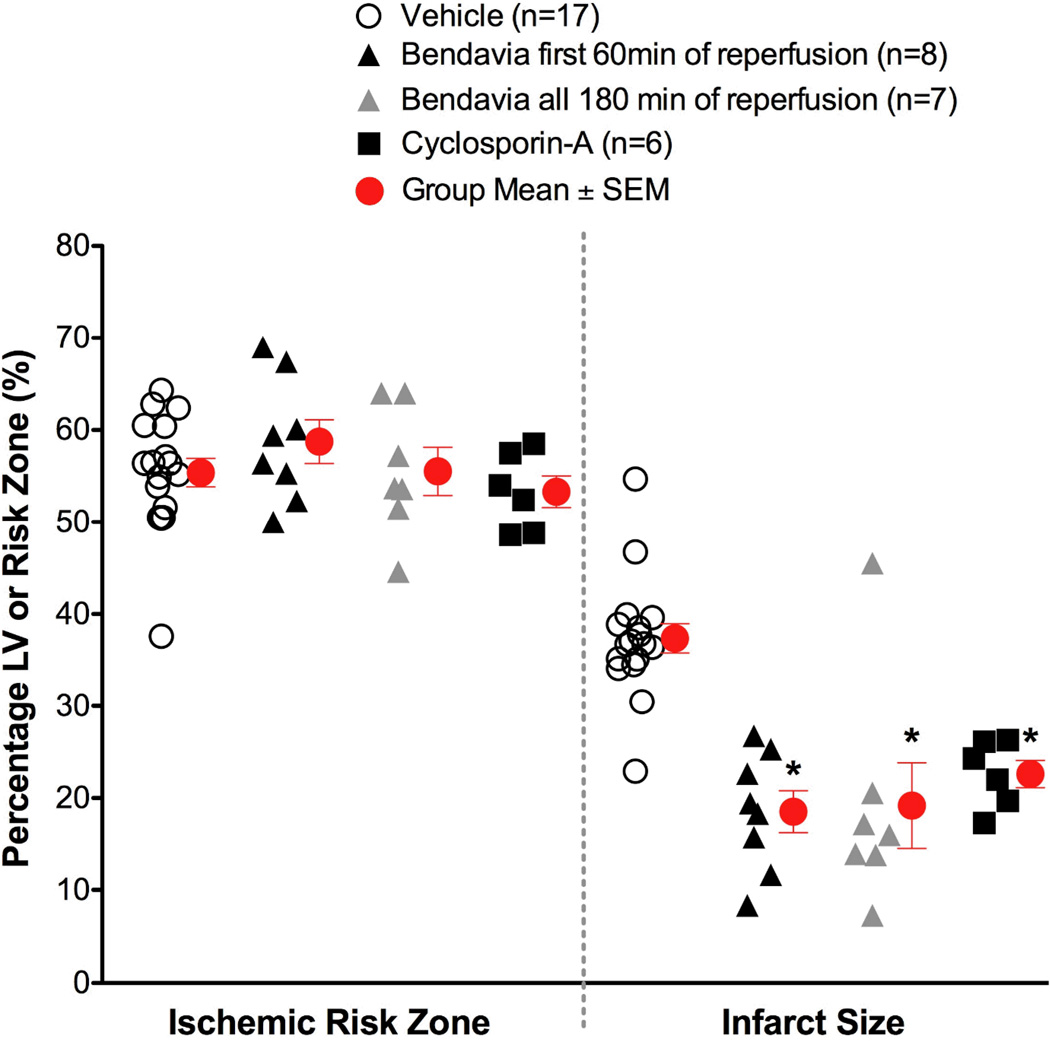
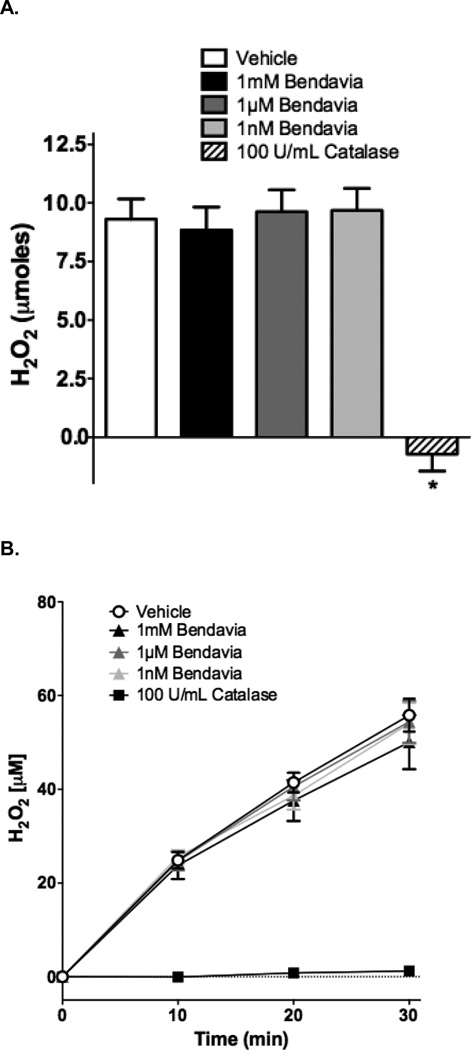
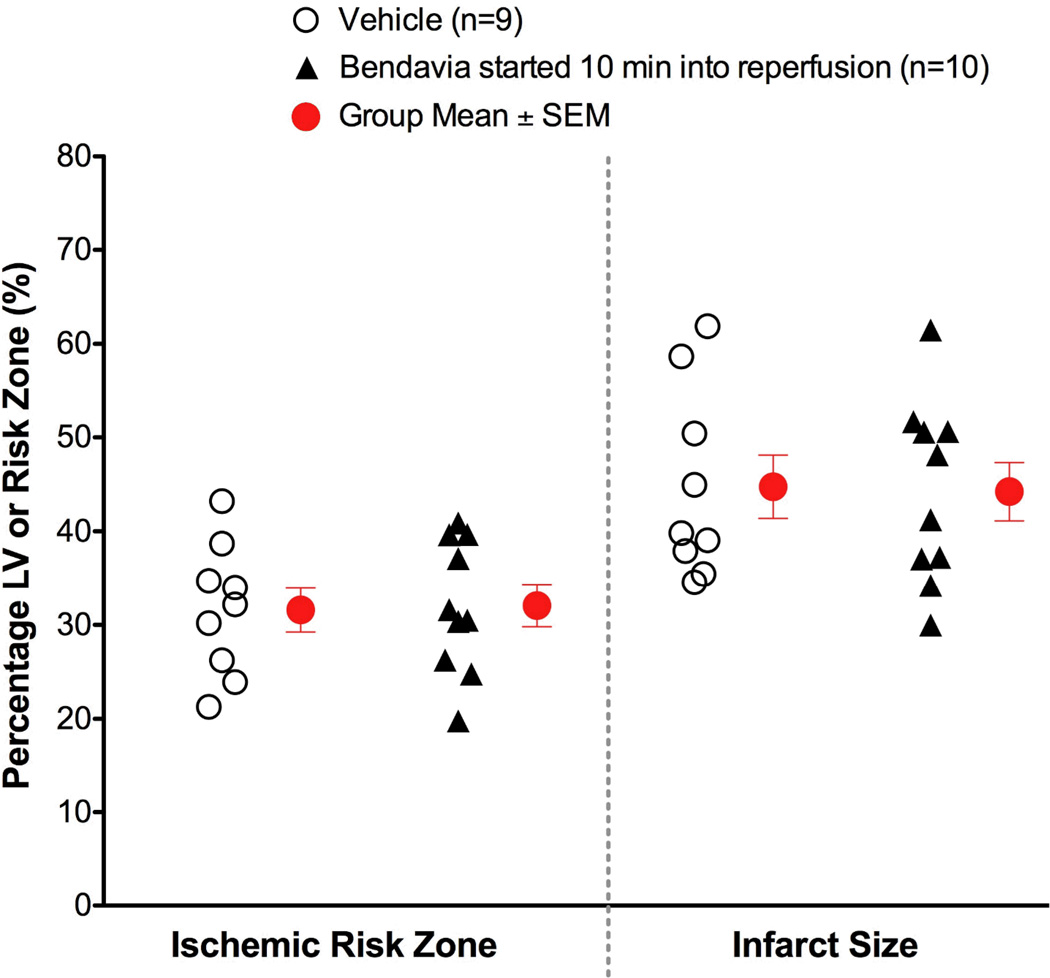
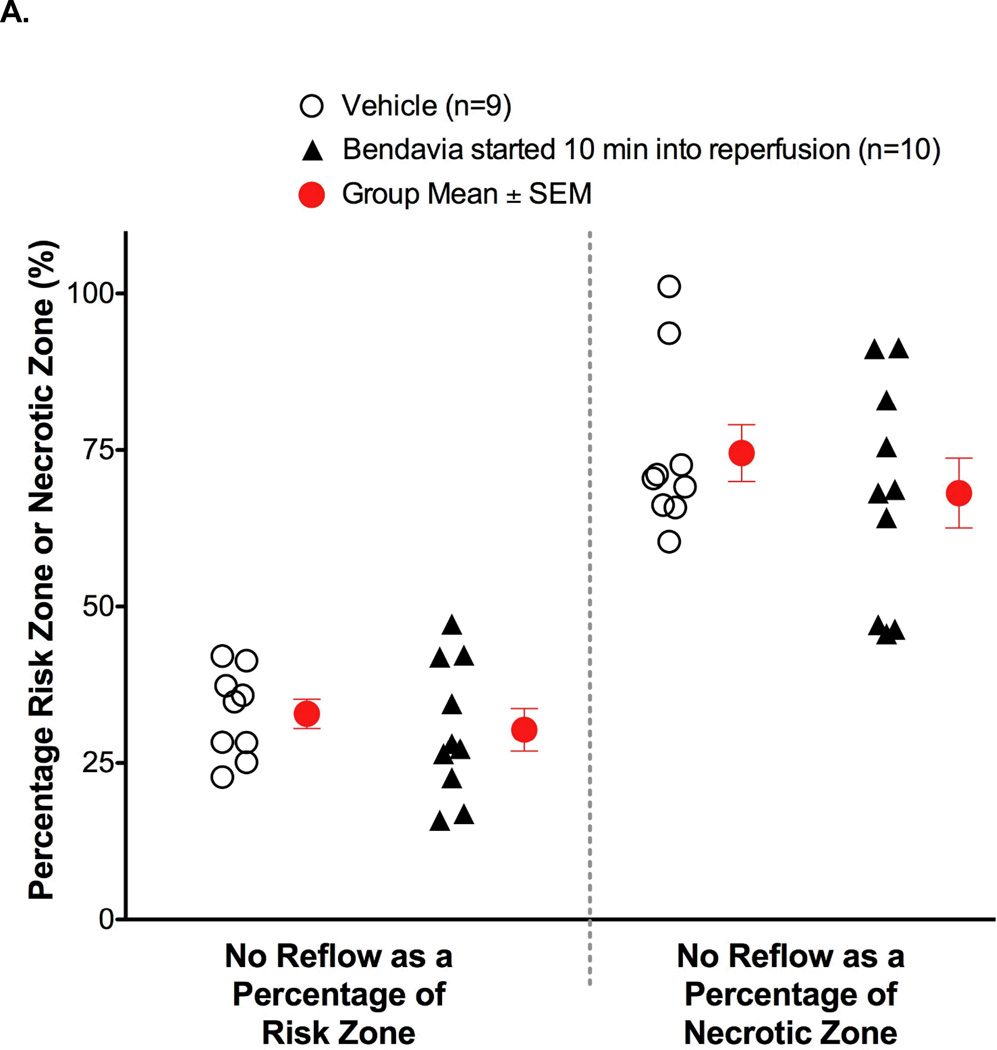
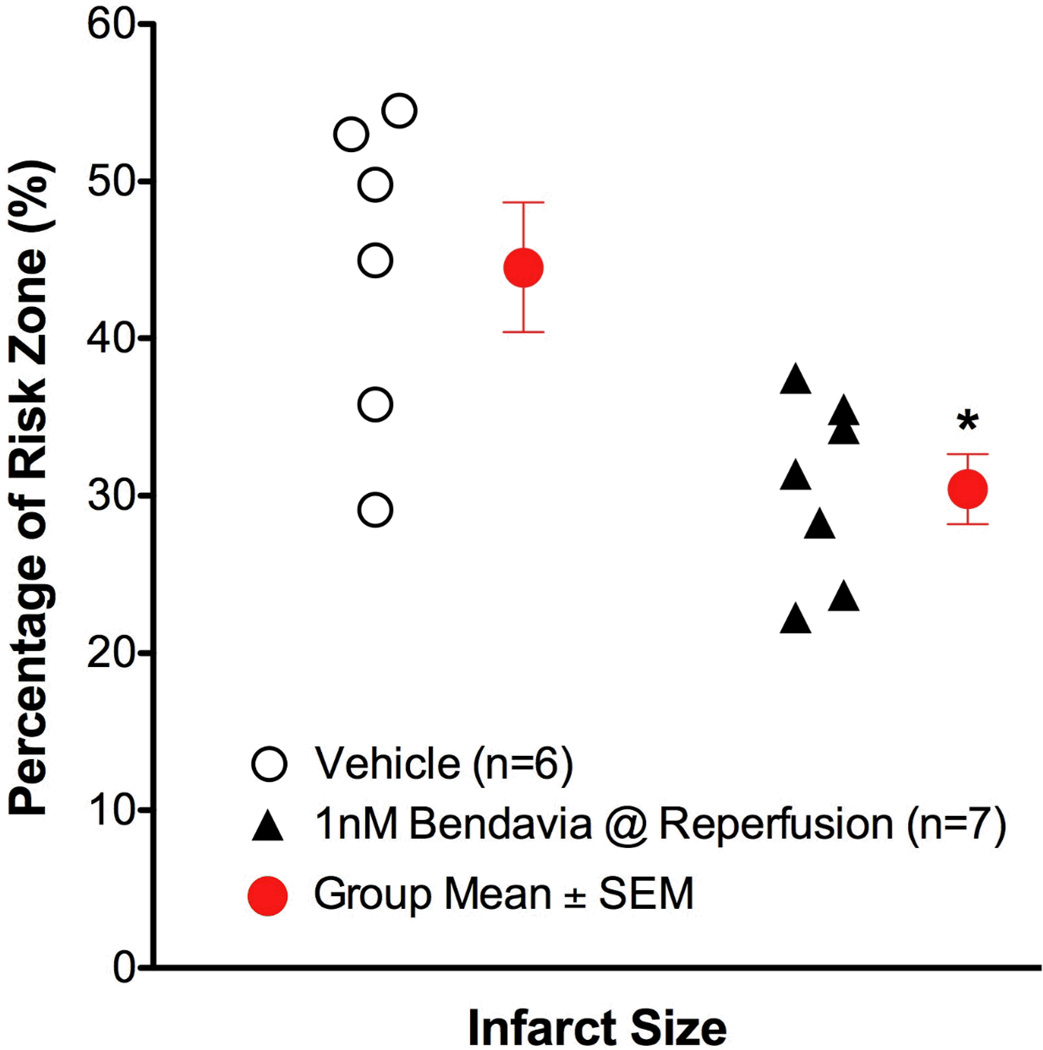
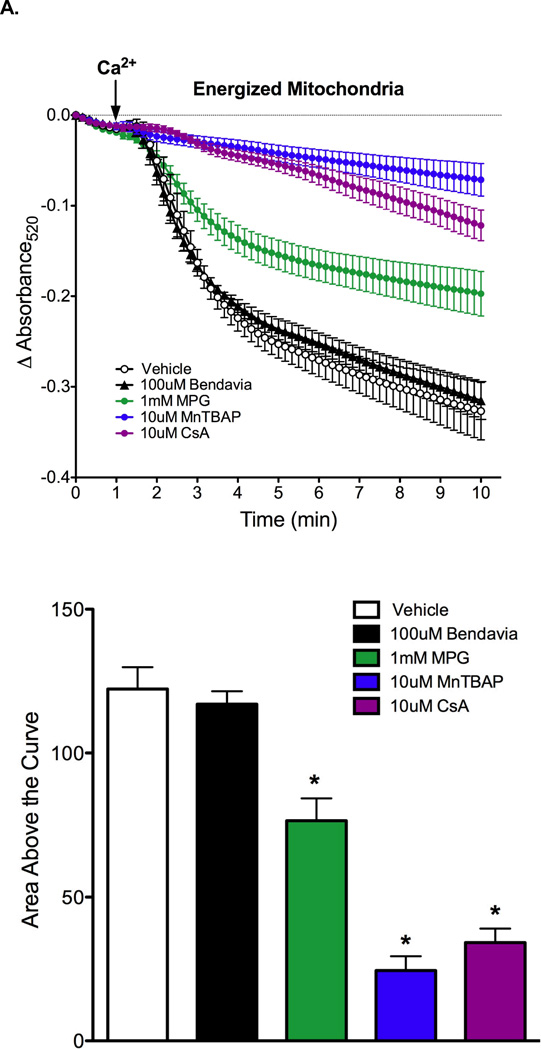
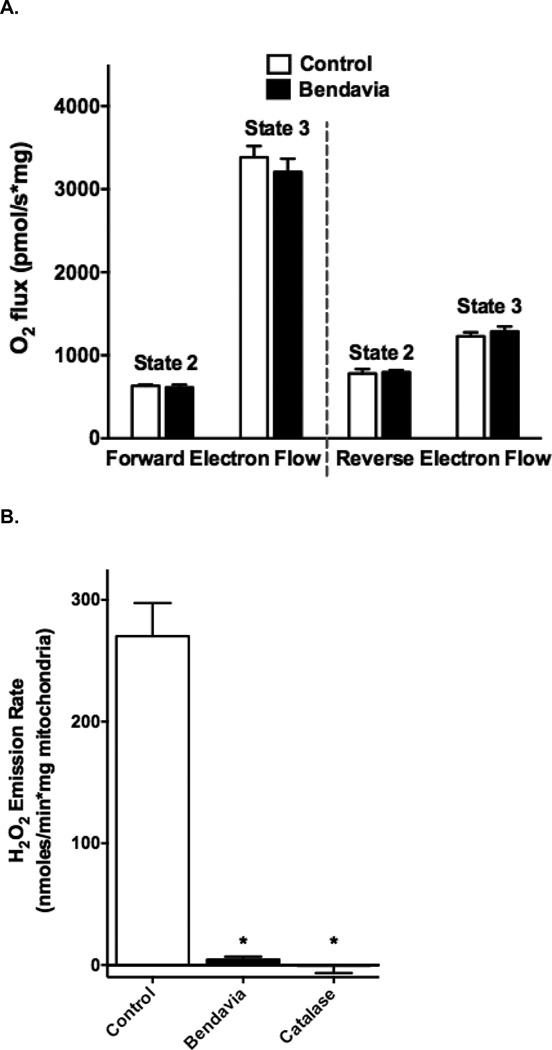
We recently showed that Bendavia, a novel mitochondria-targeting peptide, reduced infarction and no-reflow across several experimental models. The purpose of this study was to determine the therapeutic timing and mechanism of action that underlie Bendavia's cytoprotective property. In rabbits exposed to in vivo ischemia/reperfusion (30/180 min), Bendavia administered 20 minutes prior to reperfusion (0.05 mg/kg/h, intravenously) reduced myocardial infarct size by ∼50% when administered for either 1 or 3 hours of reperfusion. However, when Bendavia perfusion began just 10 minutes after the onset of reperfusion, the protection against infarction and no-reflow was completely lost, indicating that the mechanism of protection is occurring early in reperfusion. Experiments in isolated mouse liver mitochondria found no discernible effect of Bendavia on blocking the permeability transition pore, and studies in isolated heart mitochondria showed no effect of Bendavia on respiratory rates. As Bendavia significantly lowered reactive oxygen species (ROS) levels in isolated heart mitochondria, the ROS-scavenging capacity of Bendavia was compared to well-known ROS scavengers using in vitro (cell-free) systems that enzymatically generate ROS. Across doses ranging from 1 nmol/L to 1 mmol/L, Bendavia showed no discernible ROS-scavenging properties, clearly differentiating itself from prototypical scavengers. In conclusion, Bendavia is a promising candidate to reduce cardiac injury when present at the onset of reperfusion but not after reperfusion has already commenced. Given that both infarction and no-reflow are related to increased cellular ROS, Bendavia's protective mechanism of action likely involves reduced ROS generation (as opposed to augmented scavenging) by endothelial and myocyte mitochondria.
我们最近发现,新型线粒体靶向肽Bendavia在多个实验模型中可减少梗死面积和无复流现象。本研究的目的是确定Bendavia细胞保护特性背后的治疗时机和作用机制。在经历体内缺血/再灌注(30/180分钟)的兔子中,在再灌注前20分钟静脉注射Bendavia(0.05mg/kg/h),在1小时或3小时再灌注期间给药,可使心肌梗死面积减少约50%。然而,当Bendavia在再灌注开始仅10分钟后开始灌注时,对梗死和无复流的保护作用完全丧失,这表明保护机制发生在再灌注早期。在分离的小鼠肝线粒体实验中,未发现Bendavia对阻断通透性转换孔有明显作用,在分离的心脏线粒体研究中,也未发现Bendavia对呼吸速率有影响。由于Bendavia可显著降低分离的心脏线粒体中的活性氧(ROS)水平,因此使用酶促产生活性氧的体外(无细胞)系统,将Bendavia的ROS清除能力与知名的ROS清除剂进行了比较。在1nmol/L至1mmol/L的剂量范围内,Bendavia未表现出明显的ROS清除特性,这使其与典型清除剂明显区分开来。总之,Bendavia是一种有前景的药物,在再灌注开始时存在可减少心脏损伤,但在再灌注已经开始后则不然。鉴于梗死和无复流均与细胞ROS增加有关,Bendavia的保护作用机制可能涉及内皮细胞和心肌细胞线粒体减少ROS生成(而非增强清除)。