Yanagawa T, Hayashi Y, Yoshida H, Yura Y, Nagamine S, Bando T, Sato M
Am J Pathol. 1986 Sep;124(3):496-509.
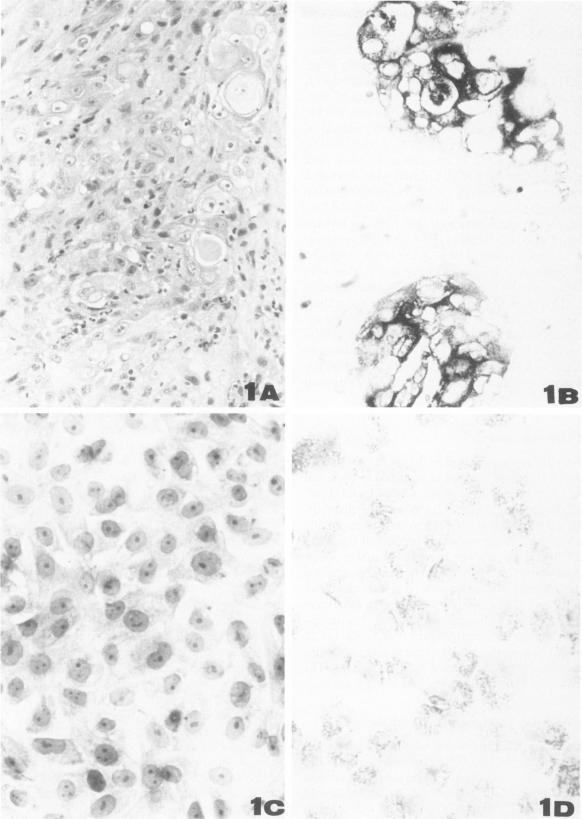
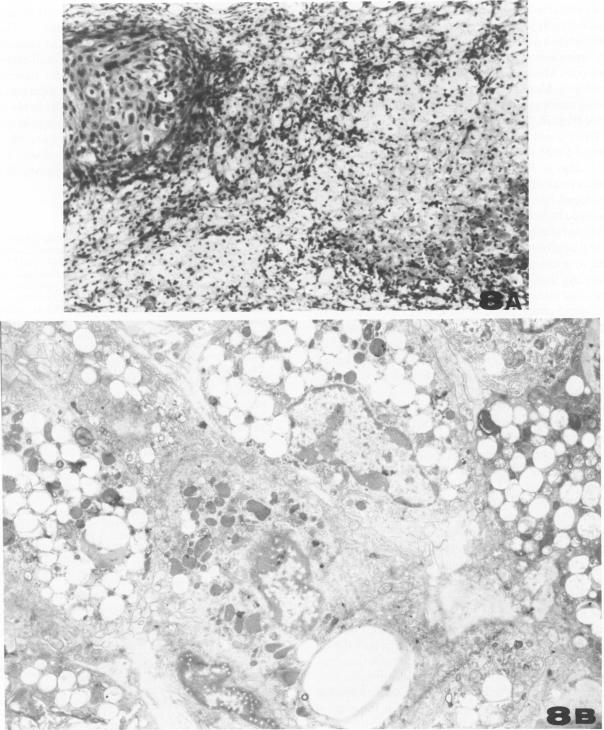
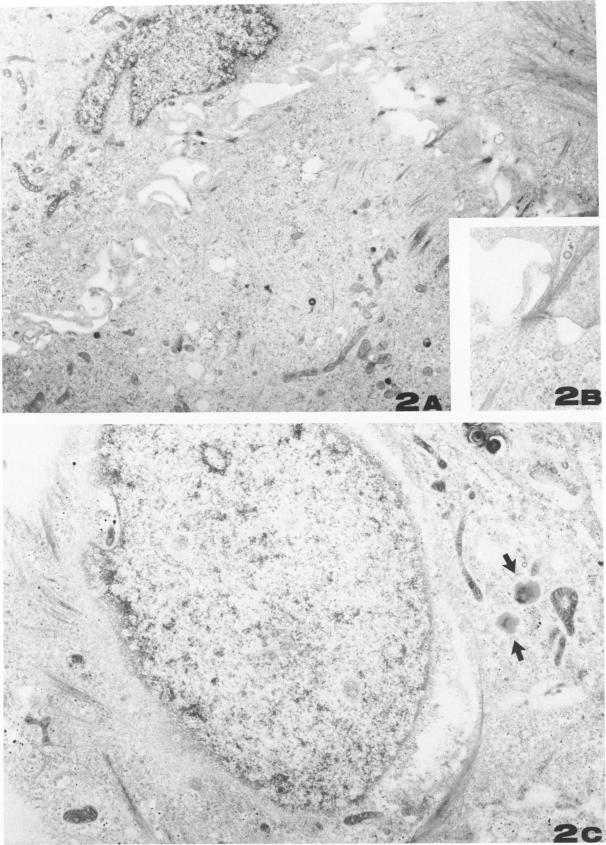
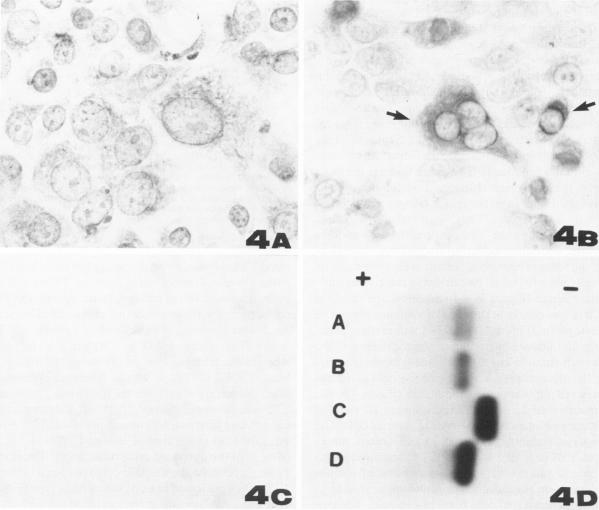
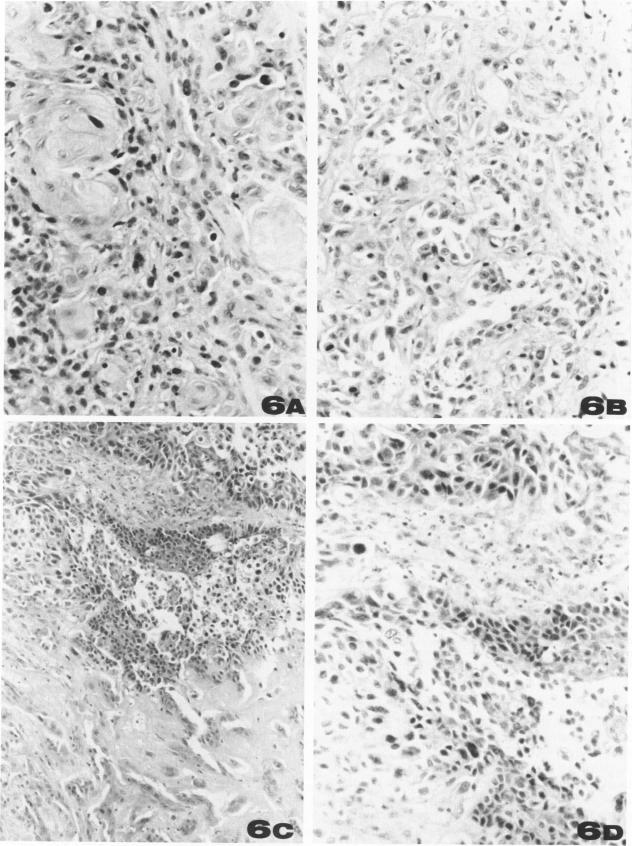
A neoplastic epithelial cell line, TYS, was isolated from a well-differentiated squamous cell carcinoma expressing carcinoembryonic antigen (CEA) that arose in human oral mucosa. Expressions of CEA and amylase as well as ample tonofilaments were detected in cultured TYS cells. Transplantation of the cells into athymic nude mice resulted in production of adenoid squamous cell carcinoma containing CEA and amylase. Cultivation of TYS cells in the presence of sodium butyrate resulted in suppression of cell growth and production of secretory granules with amylase in the cytoplasm of the cells. When the sodium butyrate-treated cells were transplanted into nude mice, a small mass developed transiently at the inoculation site and then disappeared. This mass was histopathologically interpreted as acinic cell carcinoma with squamoid lesion. These findings suggest that we have established a human adenoid squamous carcinoma cell line presumably derived from a minor salivary gland present in oral mucosa.
从一名人类口腔黏膜发生的、表达癌胚抗原(CEA)的高分化鳞状细胞癌中分离出一种肿瘤性上皮细胞系TYS。在培养的TYS细胞中检测到了CEA、淀粉酶的表达以及丰富的张力丝。将这些细胞移植到无胸腺裸鼠体内,产生了含有CEA和淀粉酶的腺样鳞状细胞癌。在丁酸钠存在的情况下培养TYS细胞,导致细胞生长受到抑制,并在细胞胞质中产生含淀粉酶的分泌颗粒。当将经丁酸钠处理的细胞移植到裸鼠体内时,接种部位短暂出现一个小肿块,然后消失。该肿块经组织病理学解释为伴有鳞状样病变的腺泡细胞癌。这些发现表明,我们建立了一种可能源自口腔黏膜中存在的小唾液腺的人类腺样鳞状癌细胞系。