Department of Surgery National Yang-Ming University Hospital, Yi-Lan, Taiwan ; Department of Medical Research, National Yang-Ming University Hospital, Yi-Lan, Taiwan ; Institute of Oral Biology, National Yang-Ming University, Taipei, Taiwan.
PLoS One. 2013 Nov 26;8(11):e79926. doi: 10.1371/journal.pone.0079926. eCollection 2013.
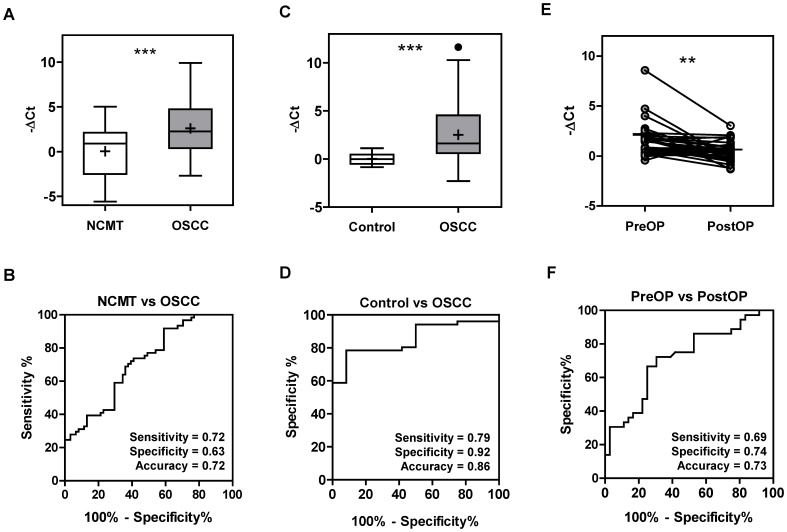
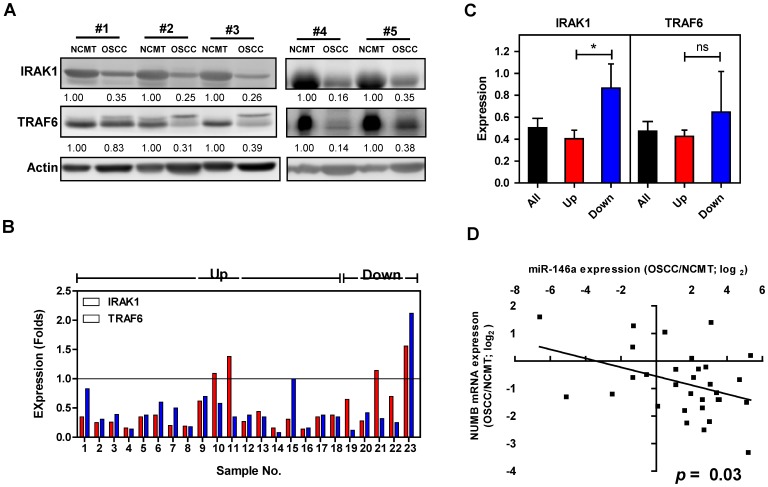
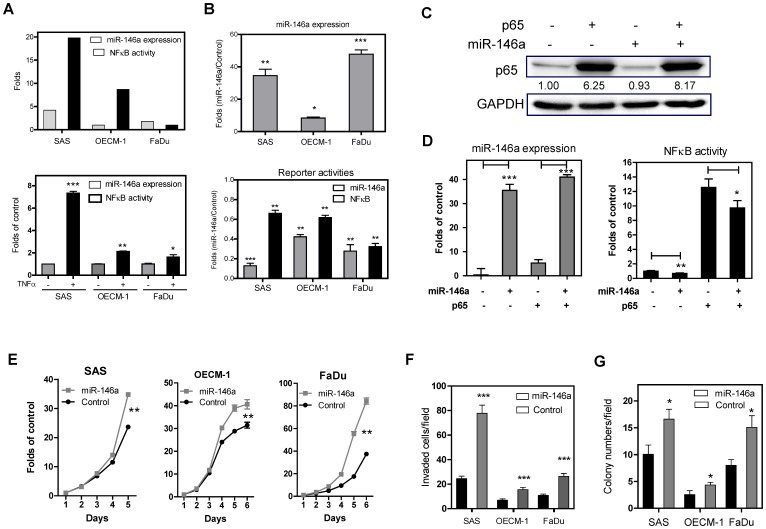
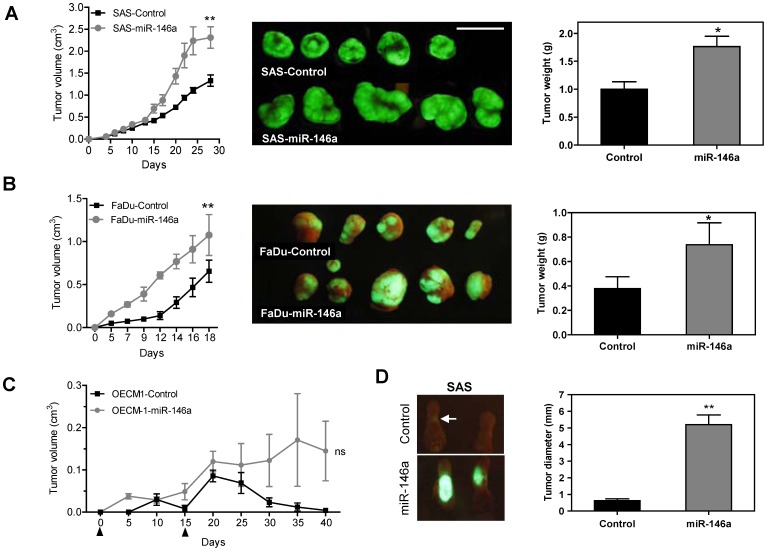
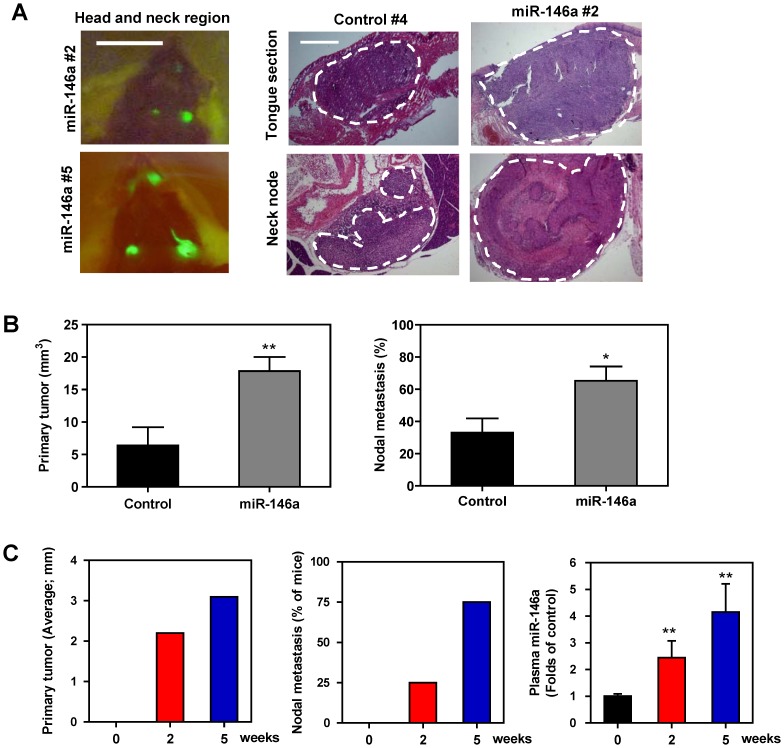
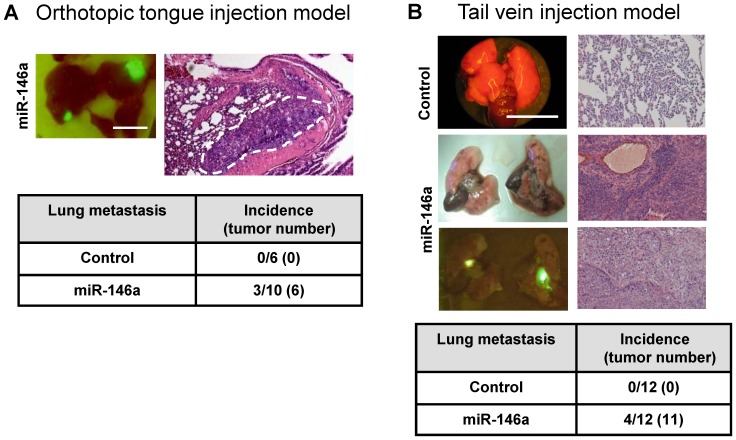
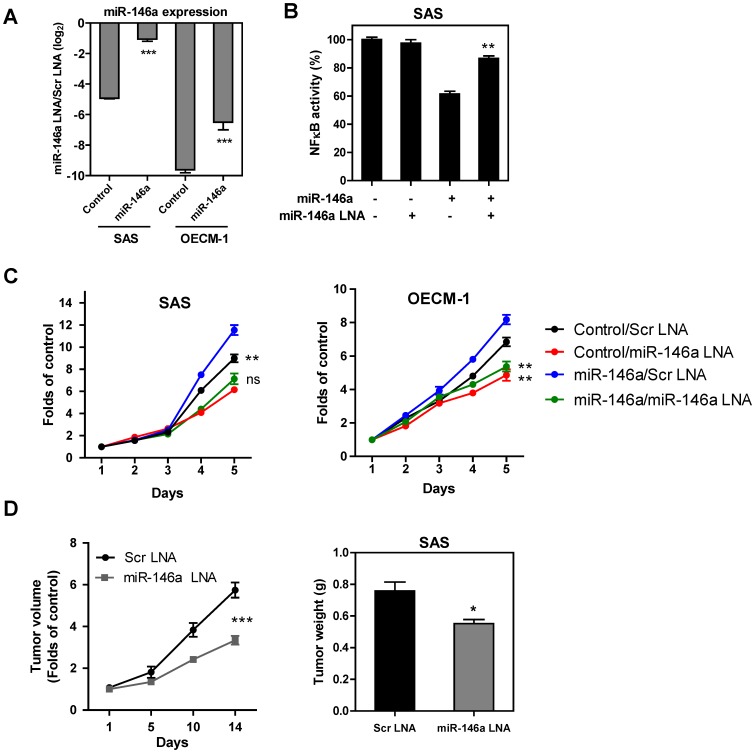
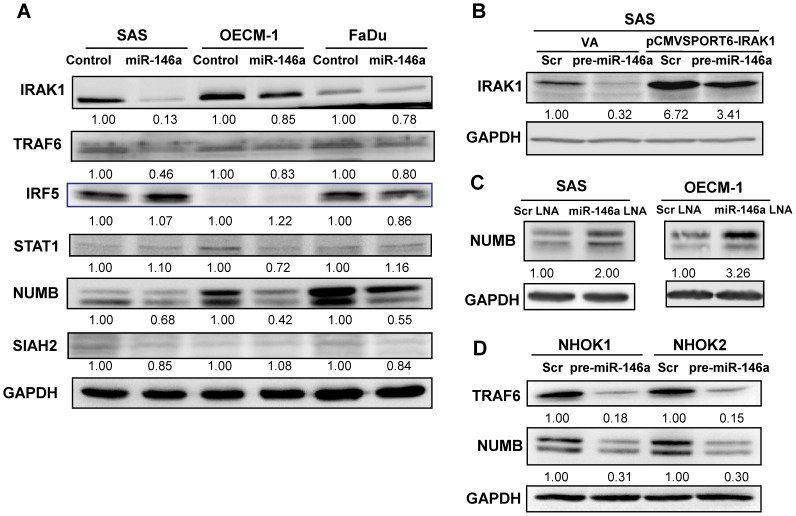
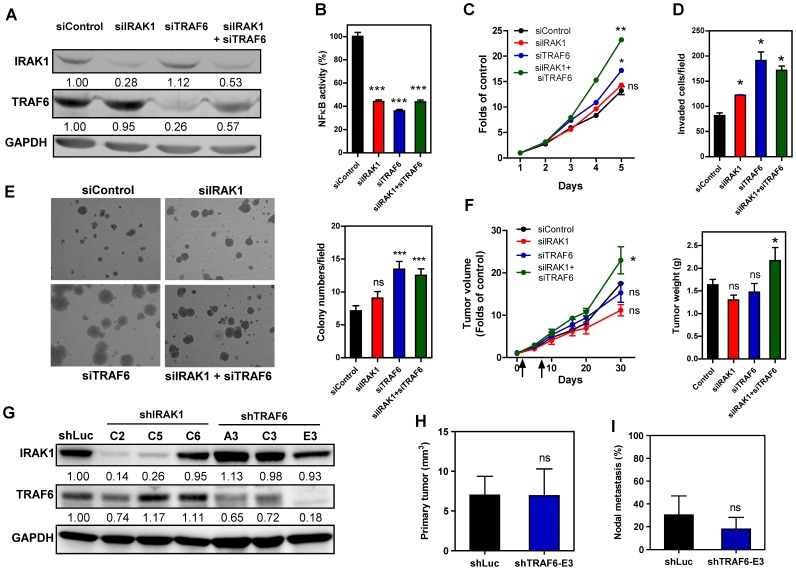
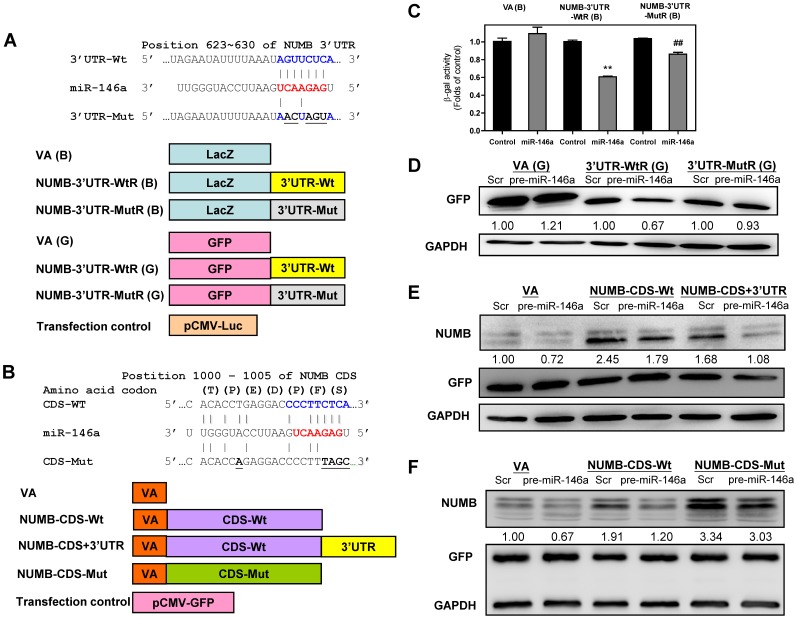
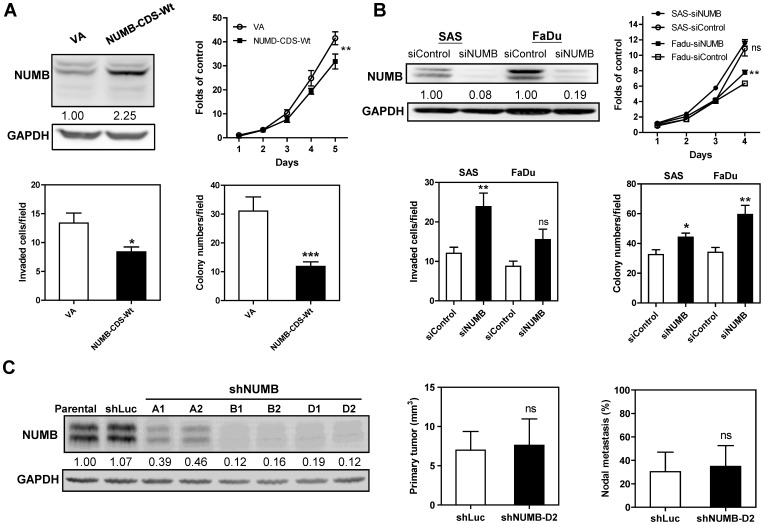
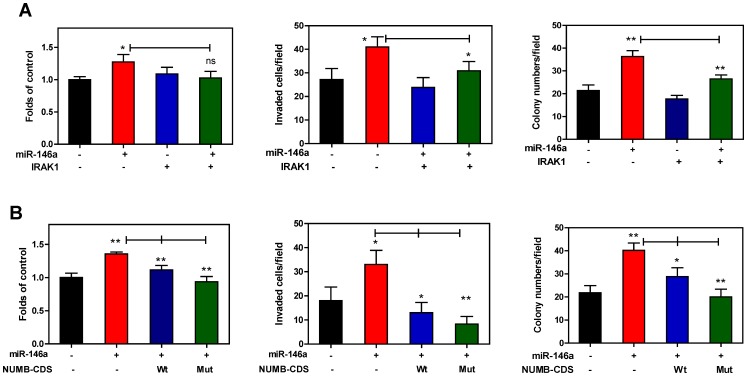
MicroRNAs are short non-coding RNAs that regulate gene expression and are crucial to tumorigenesis. Oral squamous cell carcinoma (OSCC) is a prevalent malignancy worldwide. Up-regulation of miR-146 has been identified in OSCC tissues. However, the roles of miR-146 in carcinogenesis are controversial as it is suppressive in many other malignancies. The present study investigated the pathogenic implications of miR-146a in oral carcinogenesis. Microdissected OSCC exhibits higher levels of miR-146a expression than matched adjacent mucosal cells. The plasma miR-146a levels of patients are significantly higher than those of control subjects; these levels decrease drastically after tumor resection. miR-146a levels in tumors and in patients' plasma can be used to classify OSCC and non-disease status (sensitivity: >0.72). Exogenous miR-146a expression is significantly increased in vitro oncogenic phenotypes as well as during xenograft tumorigenesis and OSCC metastasis. The plasma miR-146a levels of these mice parallel the xenograft tumor burdens of the mice. A miR-146a blocker abrogates the growth of xenograft tumors. miR-146a oncogenic activity is associated with down-regulation of IRAK1, TRAF6 and NUMB expression. Furthermore, miR-146a directly targets the 3'UTR of NUMB and a region within the NUMB coding sequence when suppressing NUMB expression. Exogenous NUMB expression attenuates OSCC oncogenicity. Double knockdown of IRAK1 and TRAF6, and of TRAF6 and NUMB, enhance the oncogenic phenotypes of OSCC cells. Oncogenic enhancement modulated by miR-146a expression is attenuated by exogenous IRAK1 or NUMB expression. This study shows that miR-146a expression contributes to oral carcinogenesis by targeting the IRAK1, TRAF6 and NUMB genes.
微小 RNA 是一种短的非编码 RNA,可调节基因表达,对肿瘤发生至关重要。口腔鳞状细胞癌(OSCC)是全球普遍存在的恶性肿瘤。miR-146 在 OSCC 组织中上调。然而,miR-146 在致癌作用中的作用存在争议,因为它在许多其他恶性肿瘤中具有抑制作用。本研究探讨了 miR-146a 在口腔致癌中的发病机制。微切割 OSCC 显示出比匹配的相邻粘膜细胞更高水平的 miR-146a 表达。患者的血浆 miR-146a 水平明显高于对照组;这些水平在肿瘤切除后急剧下降。肿瘤和患者血浆中的 miR-146a 水平可用于分类 OSCC 和非疾病状态(敏感性:>0.72)。外源性 miR-146a 表达在体外致癌表型以及异种移植肿瘤发生和 OSCC 转移期间显著增加。这些小鼠的血浆 miR-146a 水平与小鼠的异种移植肿瘤负担平行。miR-146a 阻滞剂可破坏异种移植肿瘤的生长。miR-146a 的致癌活性与 IRAK1、TRAF6 和 NUMB 表达的下调有关。此外,miR-146a 直接靶向 NUMB 的 3'UTR 和 NUMB 编码序列内的一个区域,从而抑制 NUMB 表达。外源性 NUMB 表达可减弱 OSCC 的致癌性。IRAK1 和 TRAF6 的双敲低,以及 TRAF6 和 NUMB 的双敲低,增强了 OSCC 细胞的致癌表型。由 miR-146a 表达调节的致癌增强作用可被外源性 IRAK1 或 NUMB 表达减弱。本研究表明,miR-146a 通过靶向 IRAK1、TRAF6 和 NUMB 基因表达促进口腔癌发生。