Zebrafish Neurogenetics Team, Laboratory of Neurobiology and Development, Institute of Neurobiology Alfred Fessard, CNRS Gif-sur-Yvette, France.
Front Cell Neurosci. 2013 Nov 20;7:220. doi: 10.3389/fncel.2013.00220.
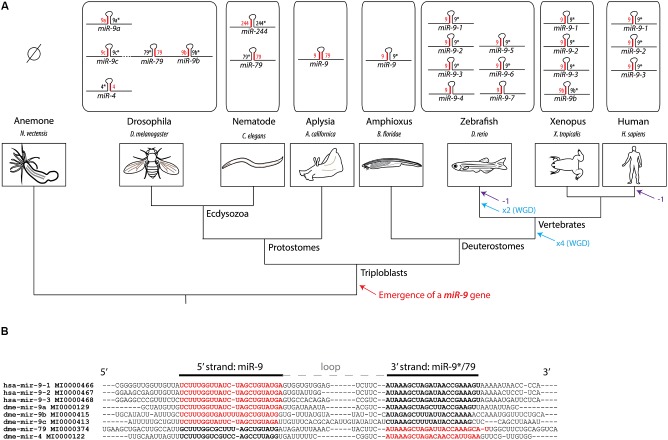
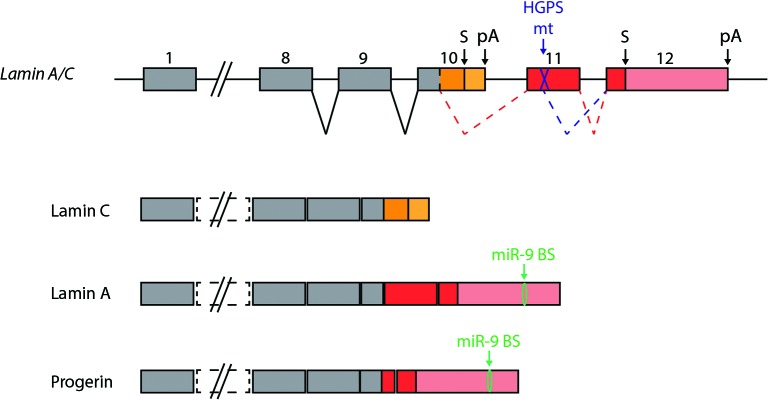
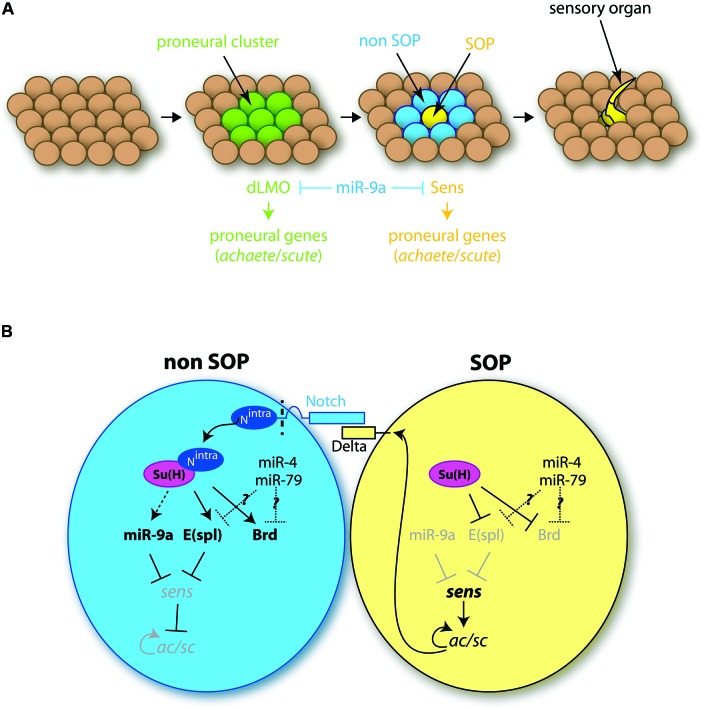
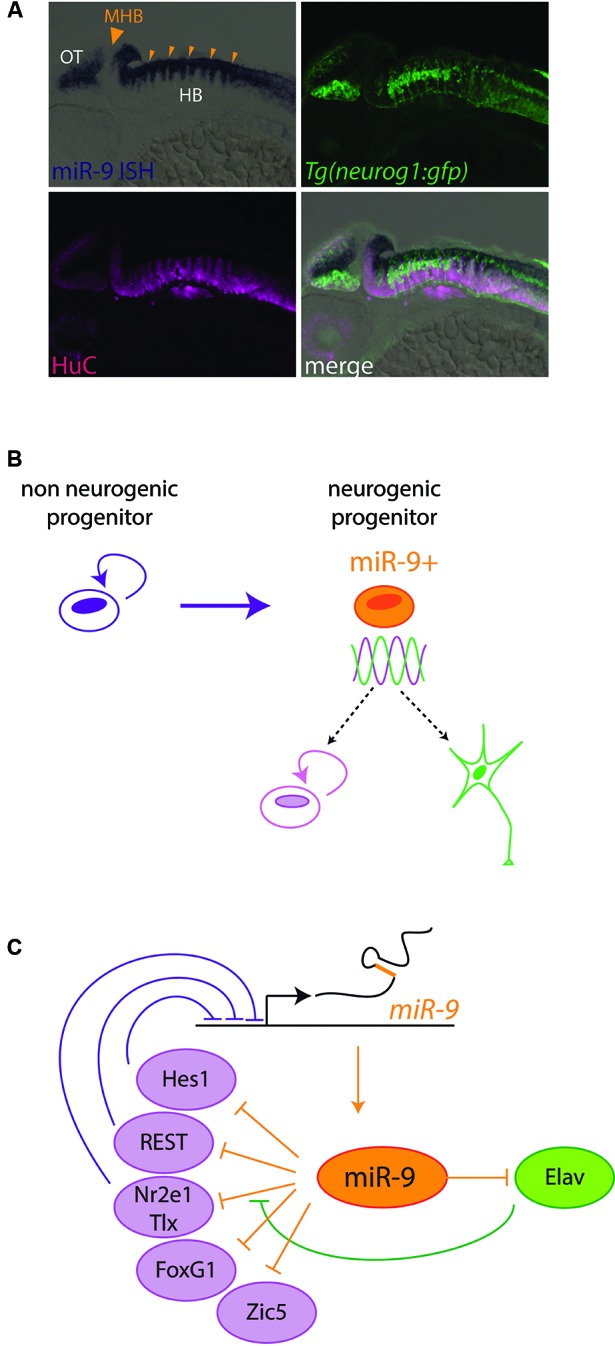
Soon after its discovery, microRNA-9 (miR-9) attracted the attention of neurobiologists, since it is one of the most highly expressed microRNAs in the developing and adult vertebrate brain. Functional analyses in different vertebrate species have revealed a prominent role of this microRNA in balancing proliferation in embryonic neural progenitor populations. Key transcriptional regulators such as FoxG1, Hes1 or Tlx, were identified as direct targets of miR-9, placing it at the core of the gene network controlling the progenitor state. Recent data also suggest that this function could extend to adult neural stem cells. Other studies point to a role of miR-9 in differentiated neurons. Moreover miR-9 has been implicated in human brain pathologies, either displaying a protective role, such as in Progeria, or participating in disease progression in brain cancers. Altogether functional studies highlight a prominent feature of this highly conserved microRNA, its functional versatility, both along its evolutionary history and across cellular contexts.
miR-9 发现后不久,就引起了神经生物学家的关注,因为它是发育中和成年脊椎动物脑中表达最高的 microRNA 之一。在不同的脊椎动物物种中的功能分析揭示了这种 microRNA 在平衡胚胎神经祖细胞群体增殖方面的重要作用。FoxG1、Hes1 或 Tlx 等关键转录调节因子被鉴定为 miR-9 的直接靶标,使其处于控制祖细胞状态的基因网络的核心。最近的数据还表明,这种功能可能扩展到成年神经干细胞。其他研究表明 miR-9 在分化神经元中起作用。此外,miR-9 还与人类脑病理学有关,要么表现出保护作用,如在早衰症中,要么参与脑癌的疾病进展。总之,功能研究强调了这种高度保守的 microRNA 的一个突出特征,即其功能多样性,无论是在其进化历史上还是在细胞环境中。