He Quanze, Duan Zhigui, Yu Ying, Liu Zhen, Liu Zhonghua, Liang Songping
Cooperative innovation center of engineering and new products for developmental biology, College of Life Sciences, Hunan Normal University, Changsha, P. R. China.
PLoS One. 2013 Nov 28;8(11):e81357. doi: 10.1371/journal.pone.0081357. eCollection 2013.
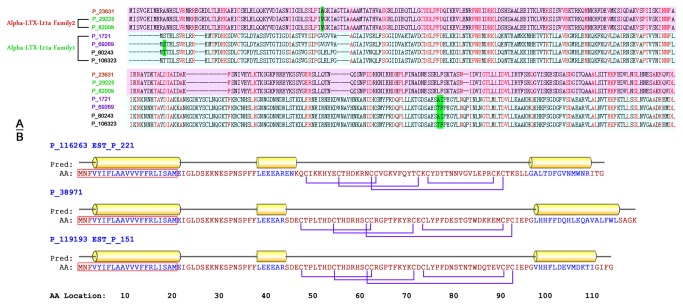
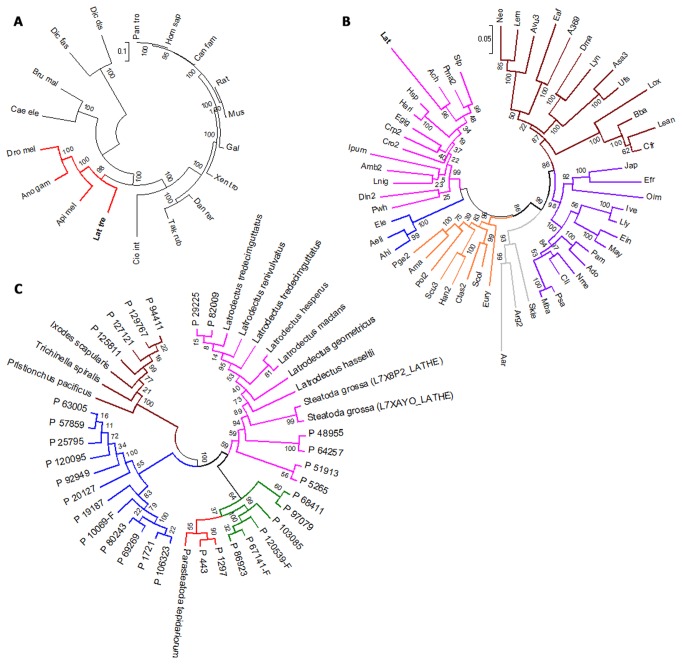
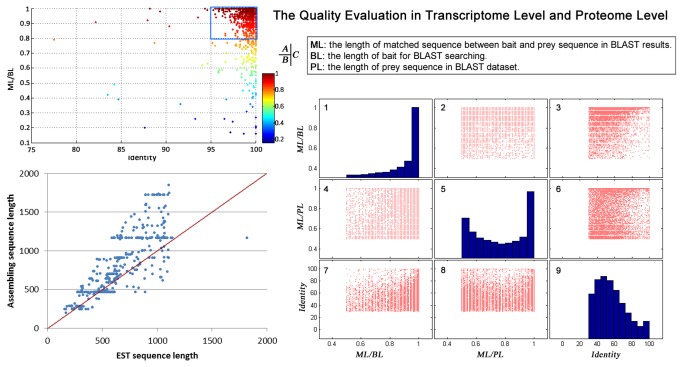
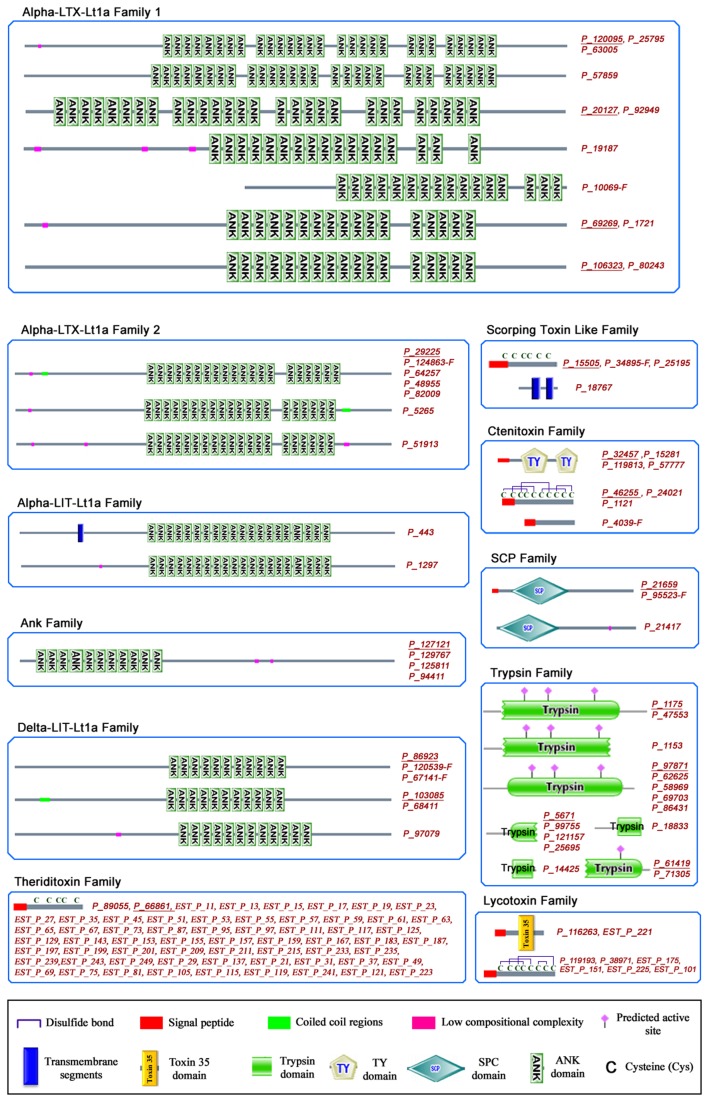
Latrodectus tredecimguttatus, commonly known as black widow spider, is well known for its dangerous bite. Although its venom has been characterized extensively, some fundamental questions about its molecular composition remain unanswered. The limited transcriptome and genome data available prevent further understanding of spider venom at the molecular level. In the present study, we combined next-generation sequencing and conventional DNA sequencing to construct a venom gland transcriptome of the spider L. tredecimguttatus, which resulted in the identification of 9,666 and 480 high-confidence proteins among 34,334 de novo sequences and 1,024 cDNA sequences, respectively, by assembly, translation, filtering, quantification and annotation. Extensive functional analyses of these proteins indicated that mRNAs involved in RNA transport and spliceosome, protein translation, processing and transport were highly enriched in the venom gland, which is consistent with the specific function of venom glands, namely the production of toxins. Furthermore, we identified 146 toxin-like proteins forming 12 families, including 6 new families in this spider in which α-LTX-Lt1a family2 is firstly identified as a subfamily of α-LTX-Lt1a family. The toxins were classified according to their bioactivities into five categories that functioned in a coordinate way. Few ion channels were expressed in venom gland cells, suggesting a possible mechanism of protection from the attack of their own toxins. The present study provides a gland transcriptome profile and extends our understanding of the toxinome of spiders and coordination mechanism for toxin production in protein expression quantity.
间斑寇蛛,通常被称为黑寡妇蜘蛛,以其危险的叮咬而闻名。尽管其毒液已被广泛表征,但关于其分子组成的一些基本问题仍未得到解答。现有的转录组和基因组数据有限,阻碍了在分子水平上对蜘蛛毒液的进一步了解。在本研究中,我们结合下一代测序和传统DNA测序,构建了间斑寇蛛的毒腺转录组,通过组装、翻译、过滤、定量和注释,分别在34,334条从头序列和1,024条cDNA序列中鉴定出9,666个和480个高可信度蛋白质。对这些蛋白质的广泛功能分析表明,参与RNA转运和剪接体、蛋白质翻译、加工和转运的mRNA在毒腺中高度富集,这与毒腺的特定功能,即毒素的产生相一致。此外,我们鉴定出146种毒素样蛋白,形成12个家族,包括该蜘蛛中的6个新家族,其中α-LTX-Lt1a家族2首次被鉴定为α-LTX-Lt1a家族的一个亚家族。这些毒素根据其生物活性分为五类,它们以协同方式发挥作用。毒腺细胞中很少有离子通道表达,这表明可能存在一种保护机制,使其免受自身毒素的攻击。本研究提供了一个腺体转录组概况,扩展了我们对蜘蛛毒素组以及蛋白质表达量中毒素产生协同机制的理解。