Ziraldo Cordelia, Vodovotz Yoram, Namas Rami A, Almahmoud Khalid, Tapias Victor, Mi Qi, Barclay Derek, Jefferson Bahiyyah S, Chen Guoqiang, Billiar Timothy R, Zamora Ruben
Department of Surgery, University of Pittsburgh School of Medicine, Pittsburgh, Pennsylvania, United States of America ; Department of Computational and Systems Biology, University of Pittsburgh School of Medicine, Pittsburgh, Pennsylvania, United States of America ; Joint Carnegie Mellon University - University of Pittsburgh Ph.D. Program in Computational Biology, Pittsburgh, Pennsylvania, United States of America.
PLoS One. 2013 Dec 3;8(12):e79804. doi: 10.1371/journal.pone.0079804. eCollection 2013.
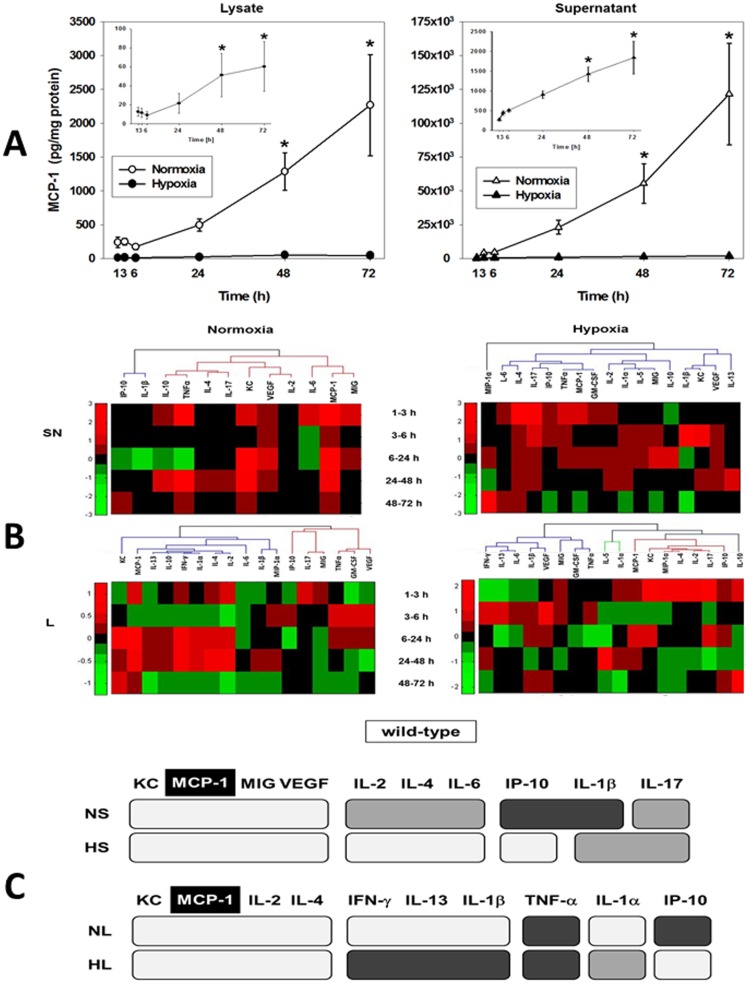
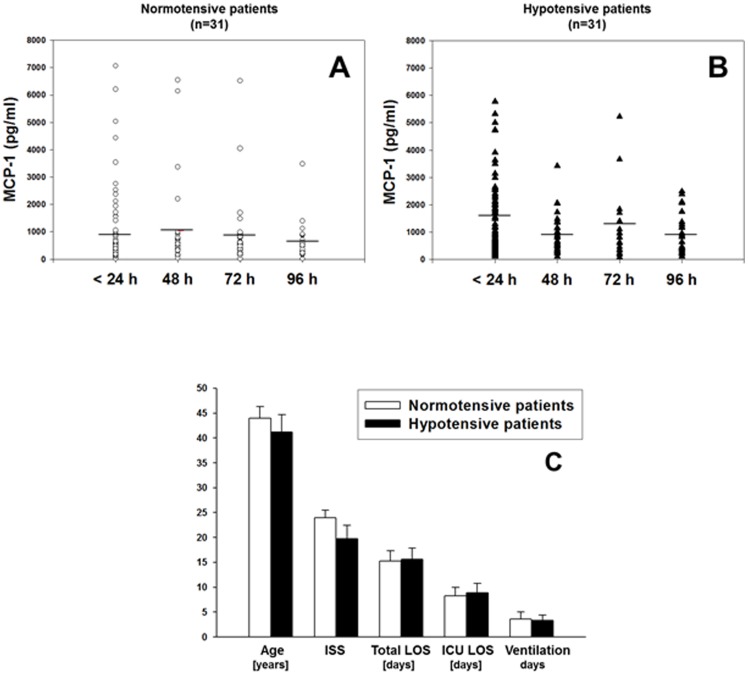
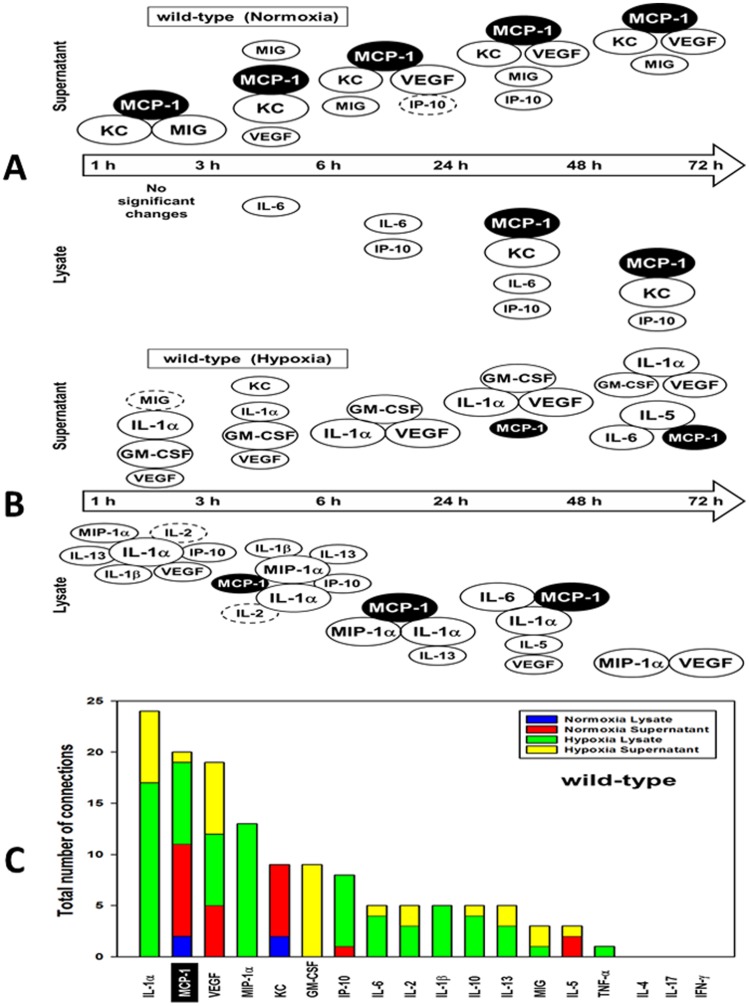
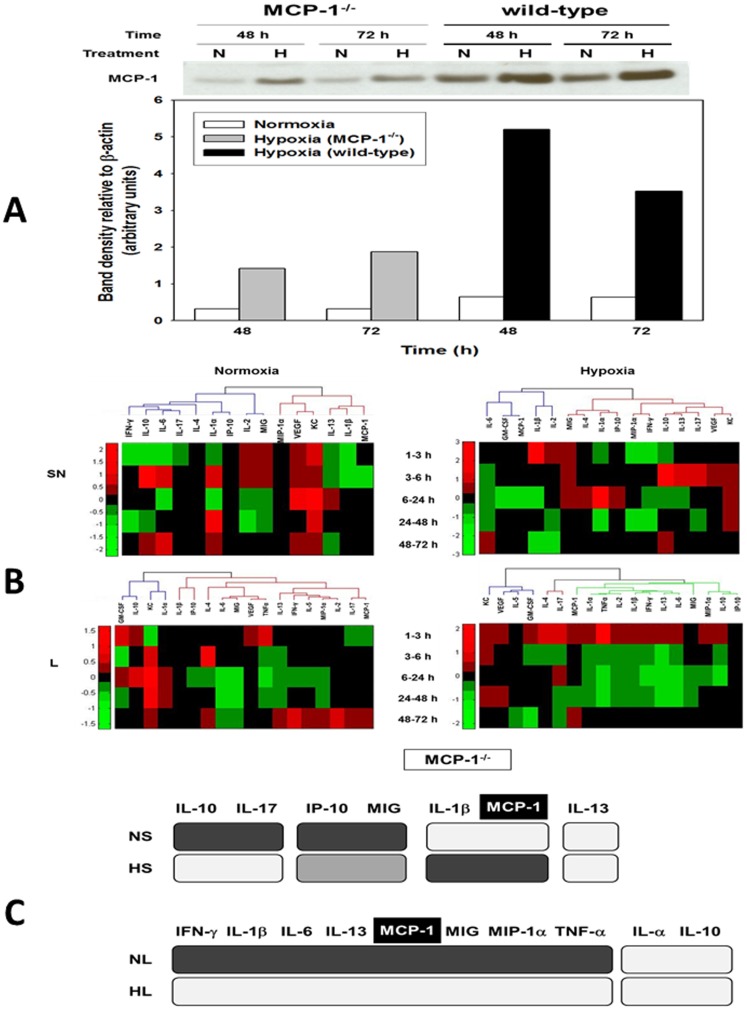
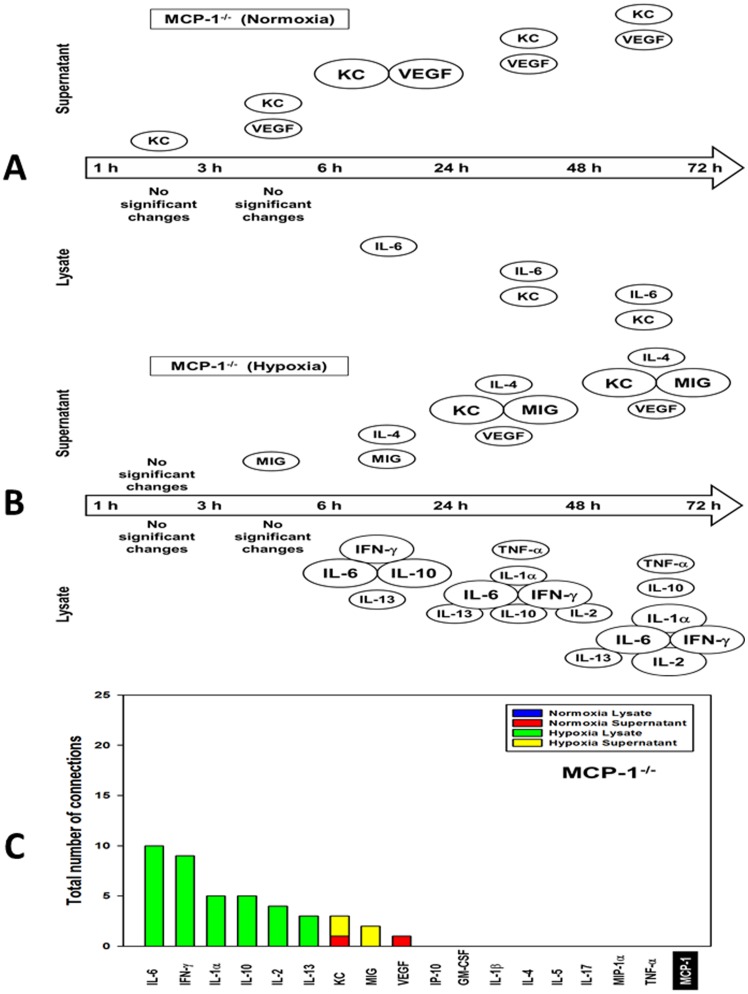
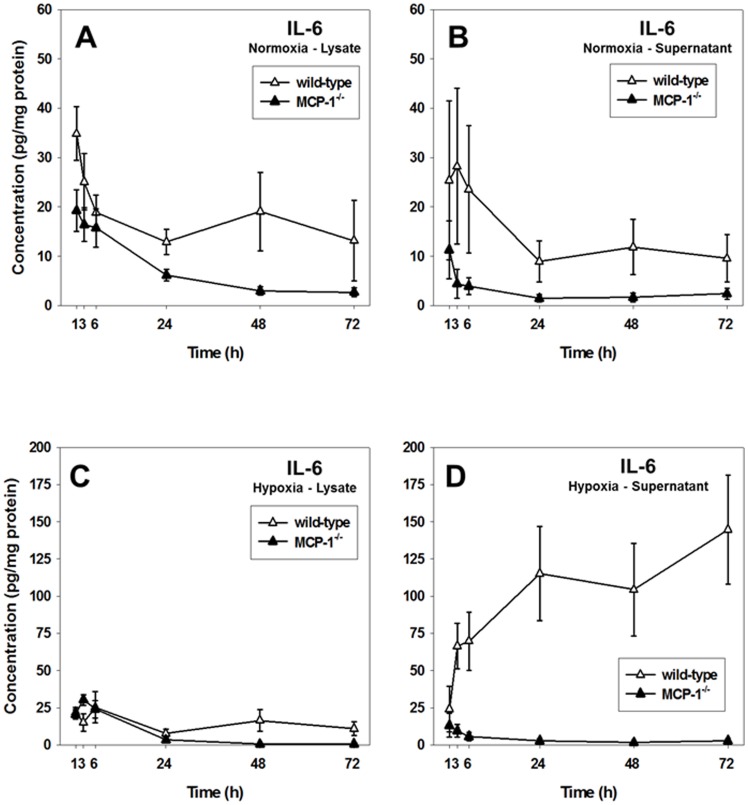
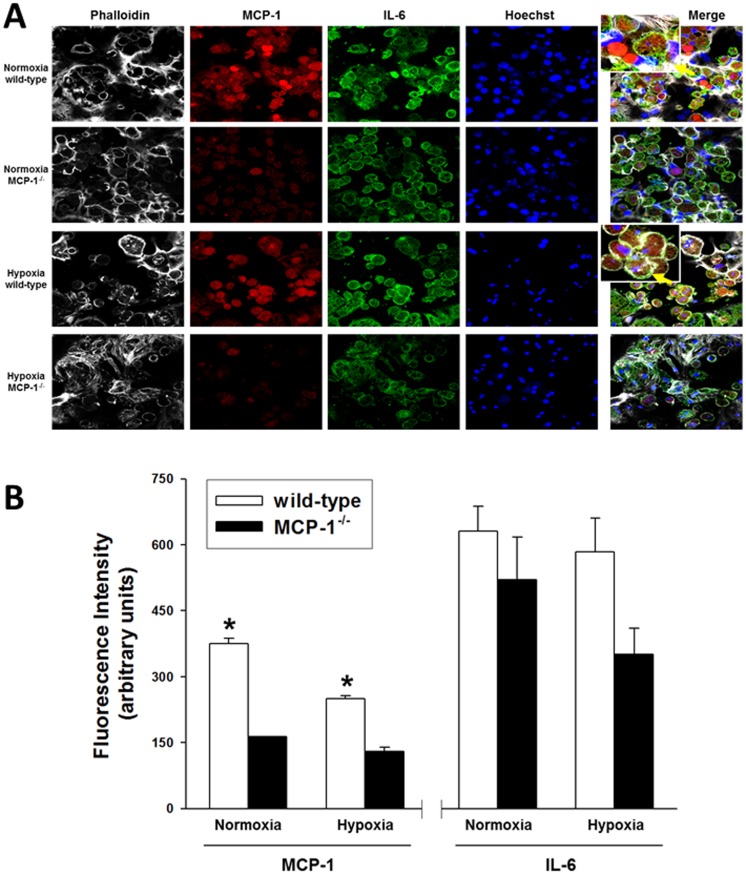
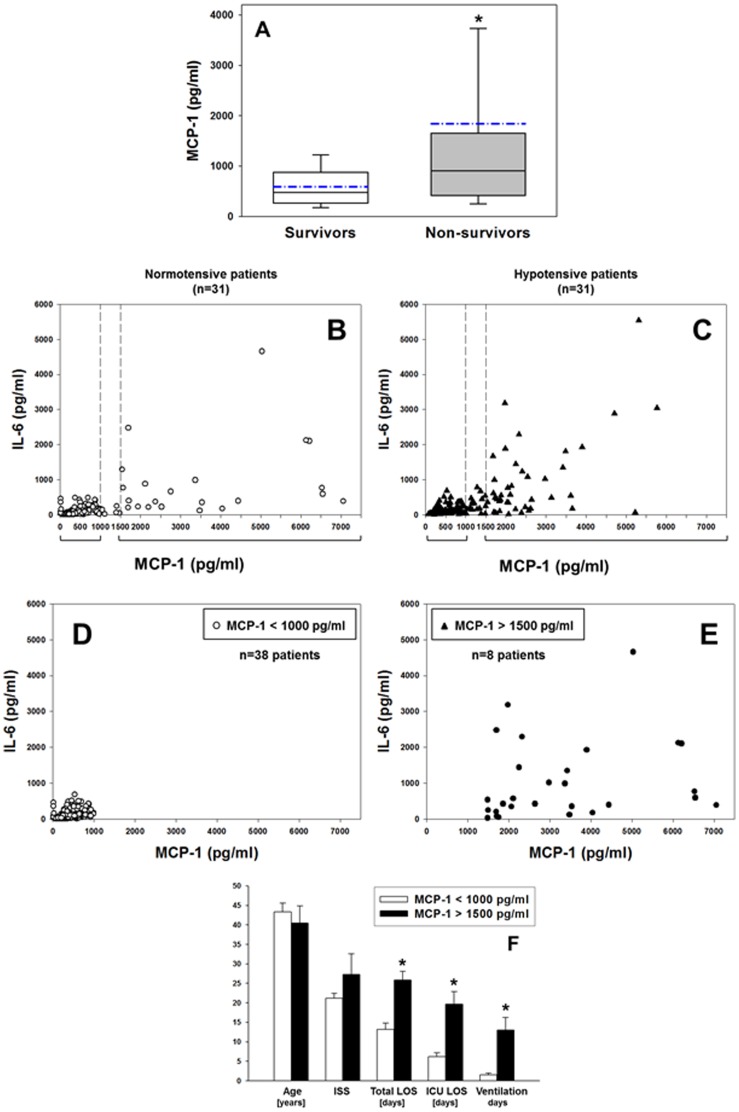
The translation of in vitro findings to clinical outcomes is often elusive. Trauma/hemorrhagic shock (T/HS) results in hepatic hypoxia that drives inflammation. We hypothesize that in silico methods would help bridge in vitro hepatocyte data and clinical T/HS, in which the liver is a primary site of inflammation. Primary mouse hepatocytes were cultured under hypoxia (1% O2) or normoxia (21% O2) for 1-72 h, and both the cell supernatants and protein lysates were assayed for 18 inflammatory mediators by Luminex™ technology. Statistical analysis and data-driven modeling were employed to characterize the main components of the cellular response. Statistical analyses, hierarchical and k-means clustering, Principal Component Analysis, and Dynamic Network Analysis suggested MCP-1/CCL2 and IL-1α as central coordinators of hepatocyte-mediated inflammation in C57BL/6 mouse hepatocytes. Hepatocytes from MCP-1-null mice had altered dynamic inflammatory networks. Circulating MCP-1 levels segregated human T/HS survivors from non-survivors. Furthermore, T/HS survivors with elevated early levels of plasma MCP-1 post-injury had longer total lengths of stay, longer intensive care unit lengths of stay, and prolonged requirement for mechanical ventilation vs. those with low plasma MCP-1. This study identifies MCP-1 as a main driver of the response of hepatocytes in vitro and as a biomarker for clinical outcomes in T/HS, and suggests an experimental and computational framework for discovery of novel clinical biomarkers in inflammatory diseases.
体外研究结果转化为临床结果往往难以实现。创伤/失血性休克(T/HS)会导致肝脏缺氧,进而引发炎症。我们假设,计算机模拟方法将有助于在体外肝细胞数据与临床T/HS之间架起桥梁,在临床T/HS中,肝脏是炎症的主要部位。将原代小鼠肝细胞在缺氧(1% O2)或常氧(21% O2)条件下培养1 - 72小时,通过Luminex™技术对细胞上清液和蛋白质裂解物中的18种炎症介质进行检测。采用统计分析和数据驱动建模来表征细胞反应的主要成分。统计分析、层次聚类和k均值聚类、主成分分析以及动态网络分析表明,MCP-1/CCL2和IL-1α是C57BL/6小鼠肝细胞中介导炎症的核心协调因子。来自MCP-1基因敲除小鼠的肝细胞具有改变的动态炎症网络。循环中的MCP-1水平可将人类T/HS幸存者与非幸存者区分开来。此外,与血浆MCP-1水平较低的T/HS幸存者相比,受伤后血浆MCP-1早期水平升高的T/HS幸存者住院总时长更长、重症监护病房住院时长更长且机械通气需求时间延长。本研究确定MCP-1是体外肝细胞反应的主要驱动因素以及T/HS临床结果的生物标志物,并提出了一个用于发现炎症性疾病新型临床生物标志物的实验和计算框架。