Selden Paul A, Shih Chungkun, Ren Dong
College of Life Sciences, Capital Normal University, Beijing, 100048, China,
Naturwissenschaften. 2013 Dec;100(12):1171-81. doi: 10.1007/s00114-013-1121-7. Epub 2013 Dec 7.
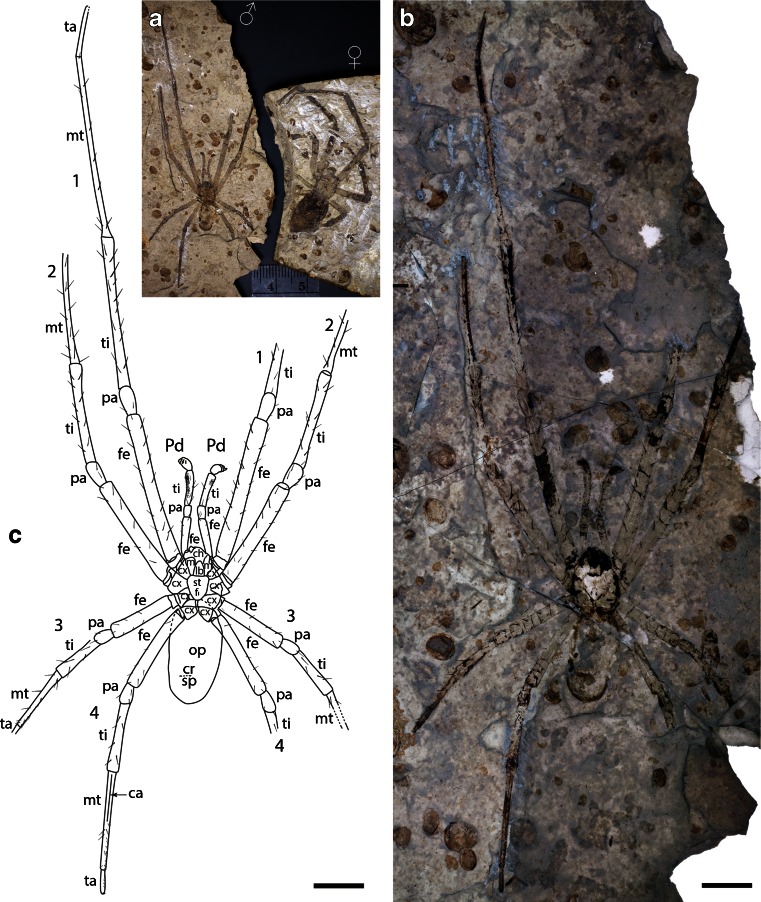
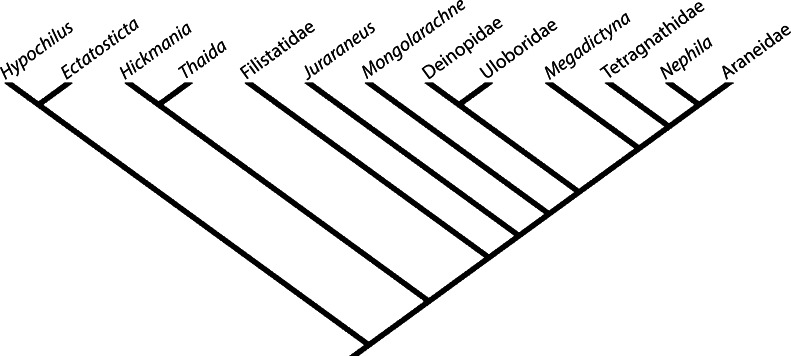
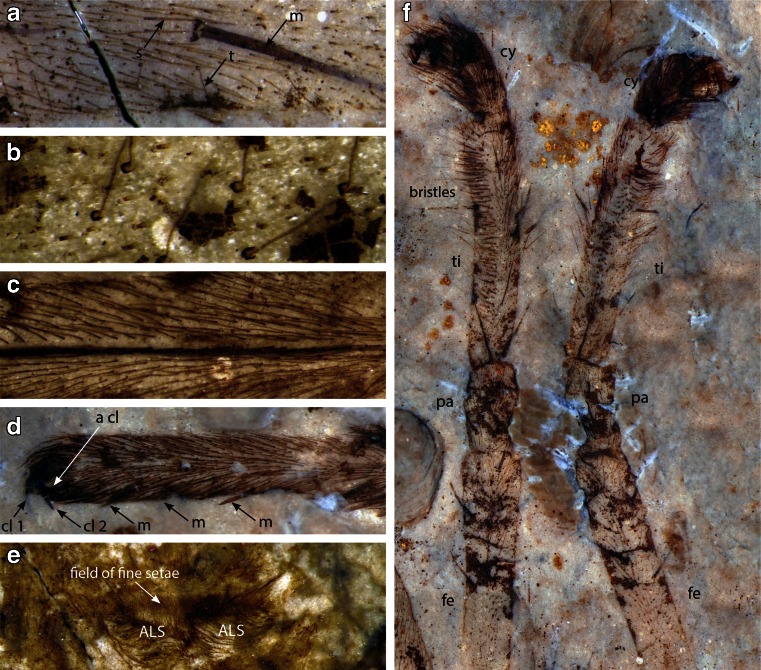
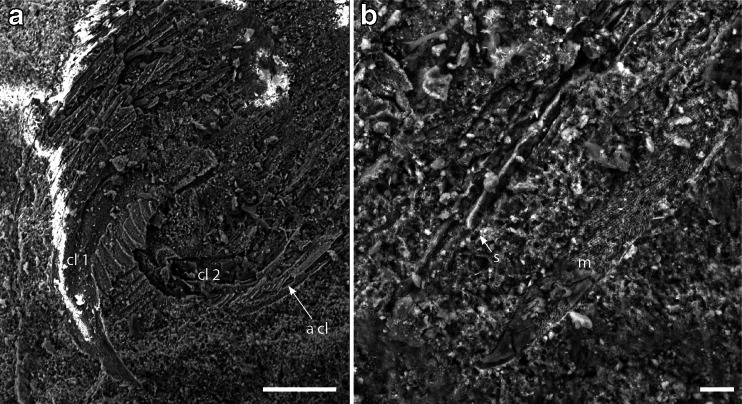
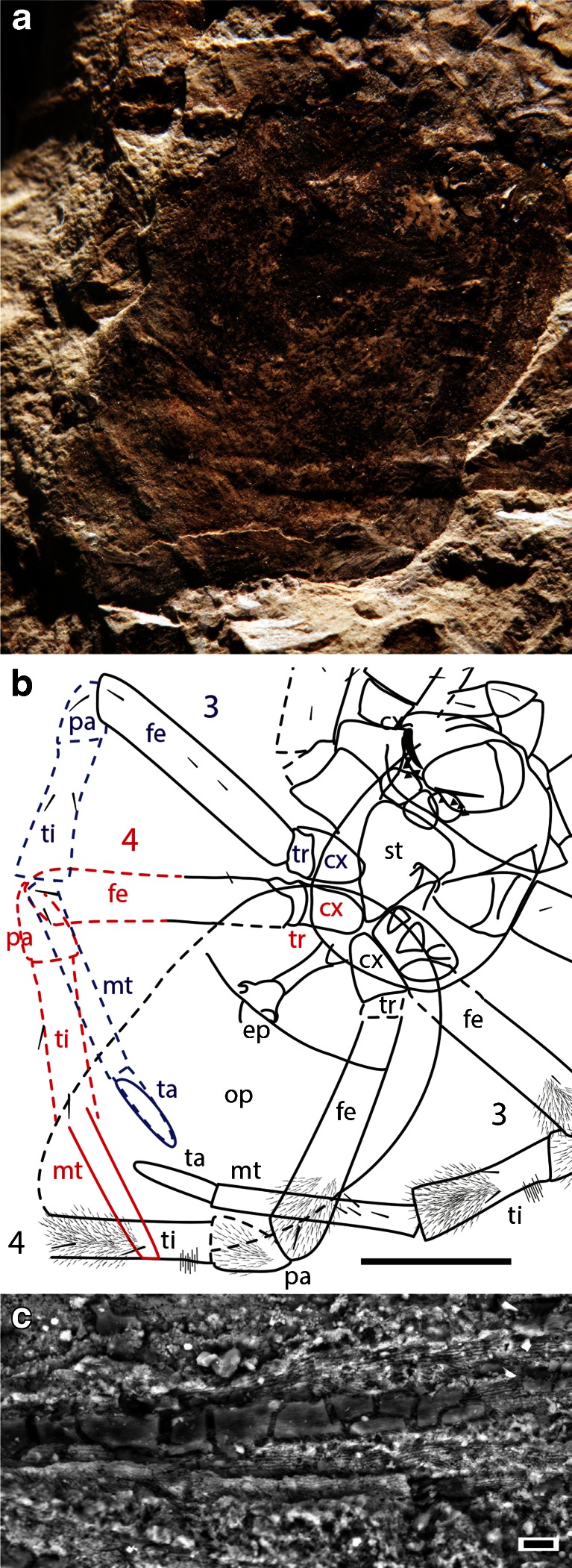
A large female spider, Nephila jurassica, was described from Middle Jurassic strata of north-east China and placed in the modern genus Nephila (family Nephilidae) on the basis of many morphological similarities, but, as with many ancient fossils, the single specimen lacked synapomorphies of the family (Selden et al. 2011). In order to test the placement within the nephilid phylogenetic tree, Kuntner et al. (2013) calibrated the molecular phylogeny using N. jurassica in three different scenarios based on inferred mitochondrial substitution rates. They concluded that N. jurassica fitted better as a stem orbicularian than a nephilid. Now, a giant male spider has been discovered at the same locality that yielded N. jurassica. The two sexes are considered conspecific based on their similar morphological features, size, and provenance. The male cannot be accommodated in Nephilidae because of its pedipalp morphology, so the new genus Mongolarachne and family Mongolarachnidae are erected for the species. Comparison with possibly related families show that Mongolarachnidae is most likely on the orbicularian stem, close to other cribellate orbicularians (e.g., Deinopoidea), which suggests a greater diversity of cribellate orbicularians during the Middle Jurassic.
一种大型雌性蜘蛛——侏罗纪络新妇蛛,是根据中国东北中侏罗世地层描述的,并基于许多形态学上的相似性被归入现代络新妇属(络新妇科)。但是,与许多古老化石一样,单一标本缺乏该科的共衍征(塞尔登等人,2011年)。为了测试其在络新妇科系统发育树中的位置,昆特纳等人(2013年)基于推断的线粒体替换率,在三种不同情况下使用侏罗纪络新妇蛛校准了分子系统发育。他们得出结论,侏罗纪络新妇蛛作为圆蛛类的基部类群比作为络新妇科更合适。现在,在发现侏罗纪络新妇蛛的同一地点发现了一只巨型雄性蜘蛛。基于它们相似的形态特征、大小和出处,这两个性别被认为是同种的。由于其触肢形态,雄性蜘蛛不能归入络新妇科,因此为该物种建立了新属蒙古蛛属和新科蒙古蛛科。与可能相关的科进行比较表明,蒙古蛛科很可能位于圆蛛类的基部,与其他筛器圆蛛类(如妖面蛛总科)接近,这表明在中侏罗世筛器圆蛛类的多样性更高。