Bass Caroline E, Grinevich Valentina P, Gioia Dominic, Day-Brown Jonathan D, Bonin Keith D, Stuber Garret D, Weiner Jeff L, Budygin Evgeny A
Department of Pharmacology and Toxicology, School of Medicine and Biomedical Sciences, University at Buffalo Buffalo, NY, USA.
Front Behav Neurosci. 2013 Nov 26;7:173. doi: 10.3389/fnbeh.2013.00173. eCollection 2013.
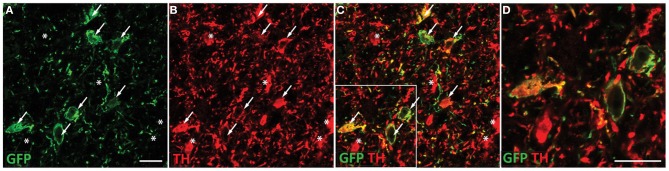
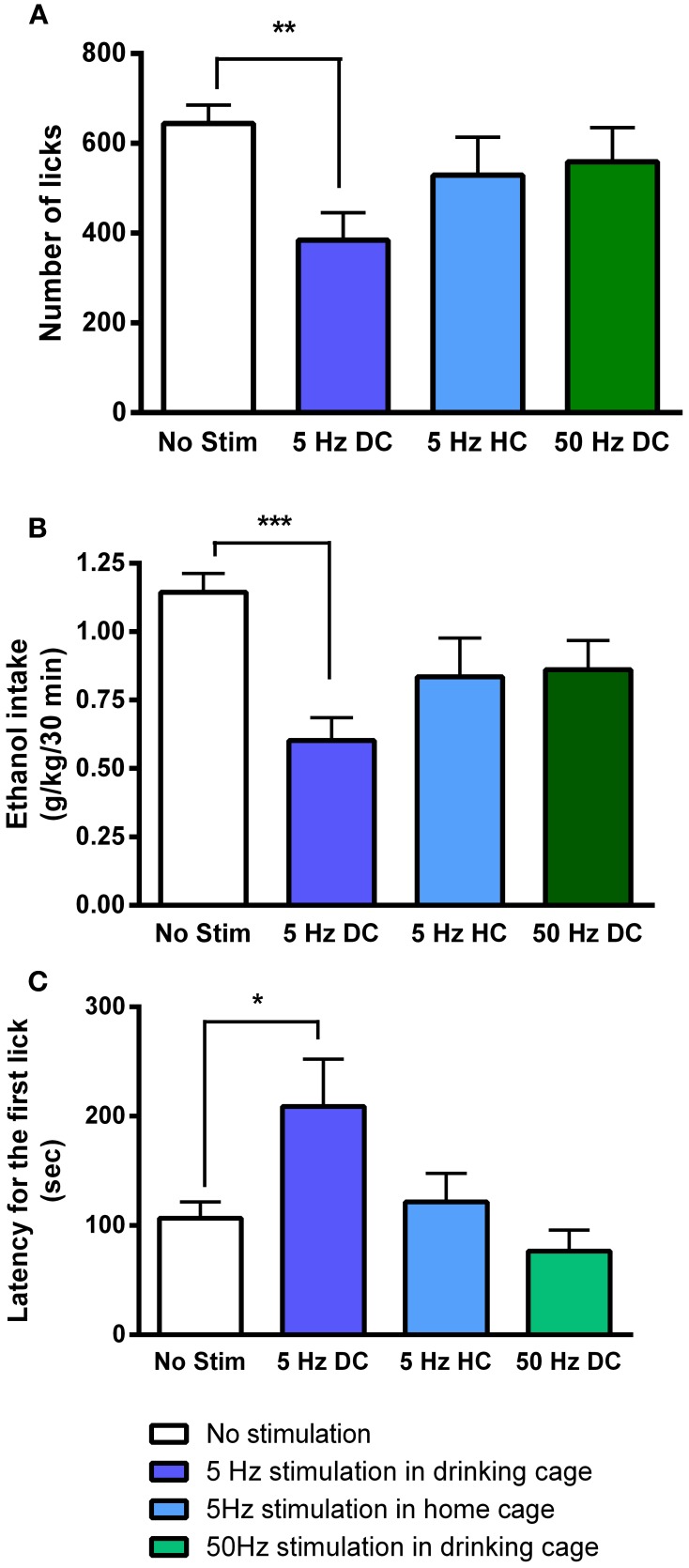
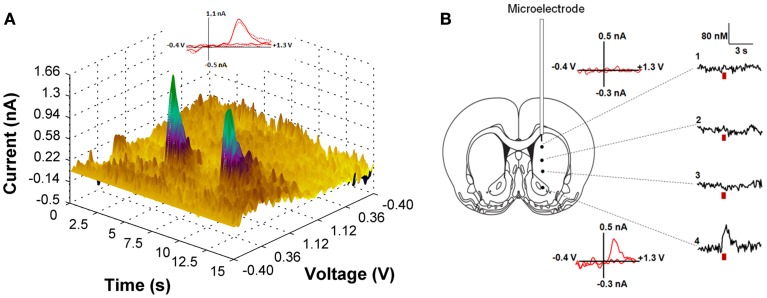
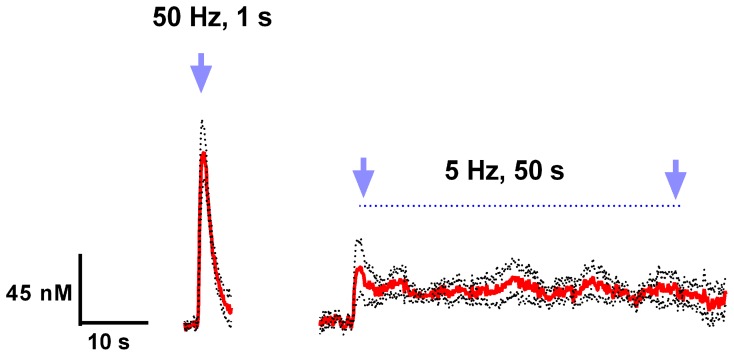
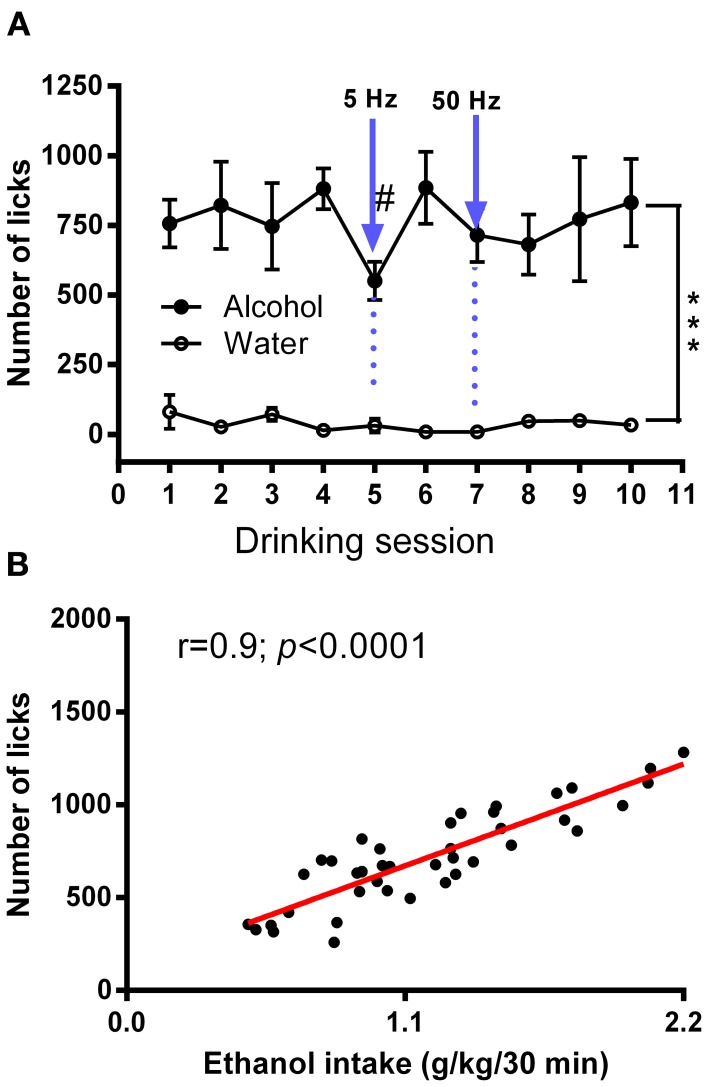
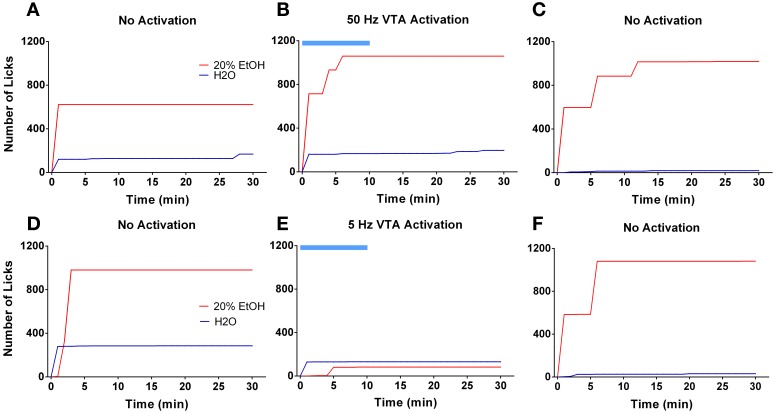
There is compelling evidence that acute ethanol exposure stimulates ventral tegmental area (VTA) dopamine cell activity and that VTA-dependent dopamine release in terminal fields within the nucleus accumbens plays an integral role in the regulation of ethanol drinking behaviors. Unfortunately, due to technical limitations, the specific temporal dynamics linking VTA dopamine cell activation and ethanol self-administration are not known. In fact, establishing a causal link between specific patterns of dopamine transmission and ethanol drinking behaviors has proven elusive. Here, we sought to address these gaps in our knowledge using a newly developed viral-mediated gene delivery strategy to selectively express Channelrhodopsin-2 (ChR2) on dopamine cells in the VTA of wild-type rats. We then used this approach to precisely control VTA dopamine transmission during voluntary ethanol drinking sessions. The results confirmed that ChR2 was selectively expressed on VTA dopamine cells and delivery of blue light pulses to the VTA induced dopamine release in accumbal terminal fields with very high temporal and spatial precision. Brief high frequency VTA stimulation induced phasic patterns of dopamine release in the nucleus accumbens. Lower frequency stimulation, applied for longer periods mimicked tonic increases in accumbal dopamine. Notably, using this optogenetic approach in rats engaged in an intermittent ethanol drinking procedure, we found that tonic, but not phasic, stimulation of VTA dopamine cells selectively attenuated ethanol drinking behaviors. Collectively, these data demonstrate the effectiveness of a novel viral targeting strategy that can be used to restrict opsin expression to dopamine cells in standard outbred animals and provide the first causal evidence demonstrating that tonic activation of VTA dopamine neurons selectively decreases ethanol self-administration behaviors.
有确凿证据表明,急性乙醇暴露会刺激腹侧被盖区(VTA)多巴胺能细胞的活性,并且伏隔核内终末区域中依赖VTA的多巴胺释放,在乙醇饮用行为的调节中起着不可或缺的作用。不幸的是,由于技术限制,VTA多巴胺能细胞激活与乙醇自我给药之间的具体时间动态尚不清楚。事实上,在多巴胺传递的特定模式与乙醇饮用行为之间建立因果联系已被证明是难以捉摸的。在这里,我们试图利用一种新开发的病毒介导的基因传递策略来解决这些知识空白,该策略可在野生型大鼠VTA中的多巴胺能细胞上选择性表达通道视紫红质-2(ChR2)。然后,我们使用这种方法在自愿乙醇饮用期间精确控制VTA多巴胺传递。结果证实,ChR2在VTA多巴胺能细胞上选择性表达,向VTA递送蓝光脉冲以非常高的时间和空间精度诱导伏隔核终末区域的多巴胺释放。短暂的高频VTA刺激诱导伏隔核中多巴胺释放的相位模式。较低频率的刺激,持续较长时间,模拟伏隔核多巴胺的紧张性增加。值得注意的是,在进行间歇性乙醇饮用程序的大鼠中使用这种光遗传学方法,我们发现对VTA多巴胺能细胞的紧张性而非相位性刺激选择性地减弱了乙醇饮用行为。总的来说,这些数据证明了一种新型病毒靶向策略的有效性,该策略可用于将视蛋白表达限制在标准远交动物的多巴胺能细胞上,并提供了第一个因果证据,证明VTA多巴胺神经元的紧张性激活选择性地降低了乙醇自我给药行为。