Asbestos Diseases Research Institute (ADRI), University of Sydney, Concord, NSW 2139, Australia.
Department of Anatomical Pathology, Flinders Medical Centre, Bedford, SA, Australia.
Br J Cancer. 2014 Jan 21;110(2):510-9. doi: 10.1038/bjc.2013.731. Epub 2013 Dec 10.
Malignant pleural mesothelioma (MPM) is an aggressive tumour originating in the thoracic mesothelium. Prognosis remains poor with 9- to 12-month median survival, and new targets for treatments are desperately needed.
Utilising an RNA interference (RNAi)-based screen of 40 genes overexpressed in tumours, including genes involved in the control of cell cycle, DNA replication and repair, we investigated potential therapeutic targets for MPM. Following in vitro characterisation of the effects of target silencing on MPM cells, candidates were assessed in tumour samples from 154 patients.
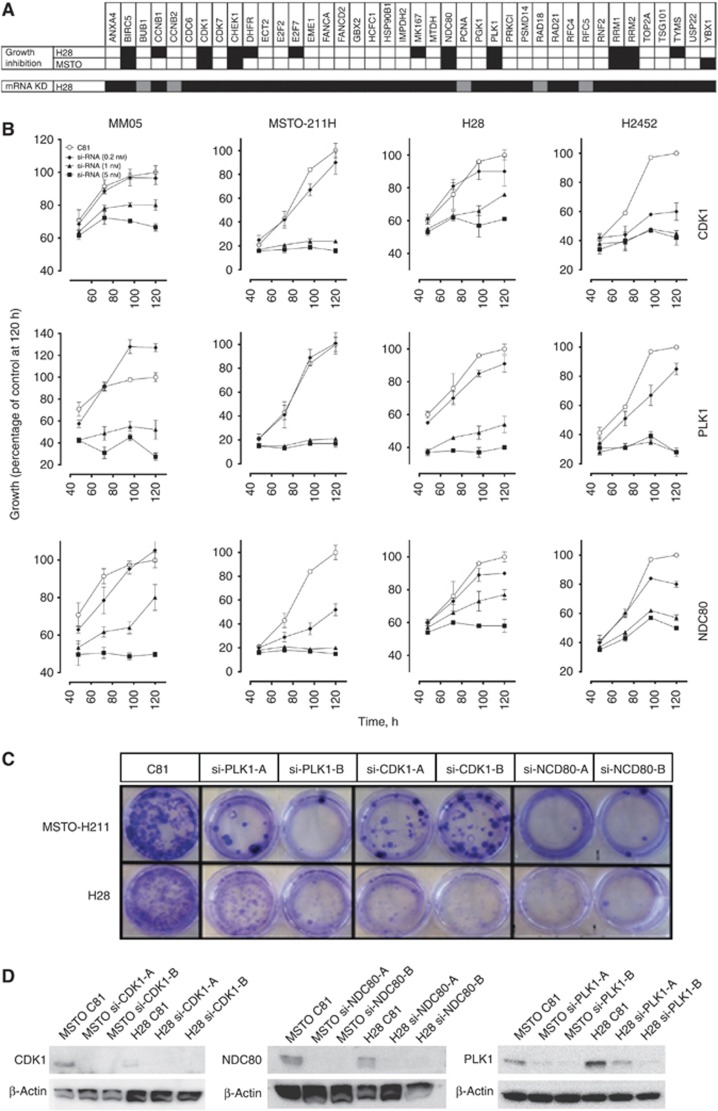
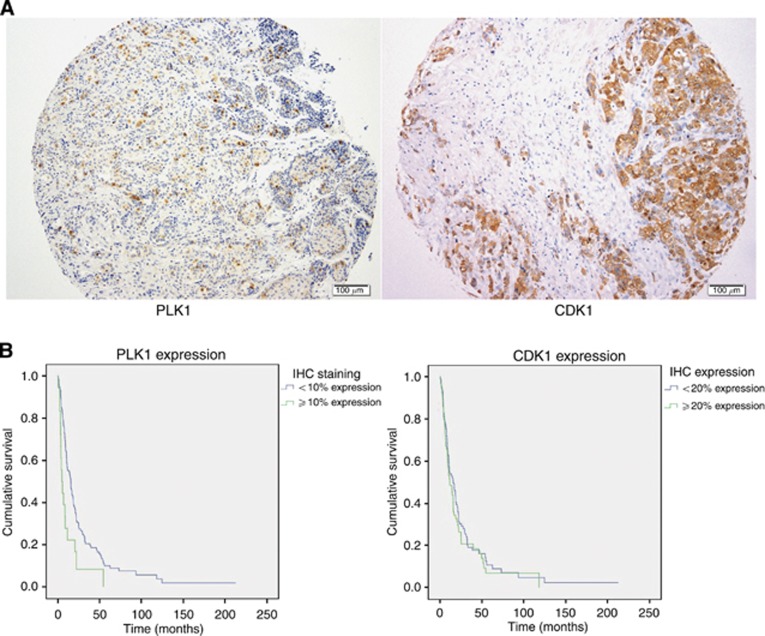
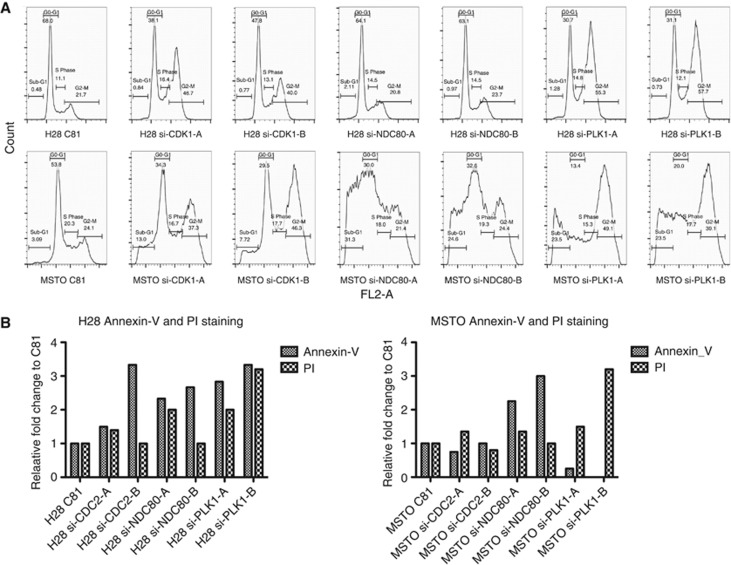
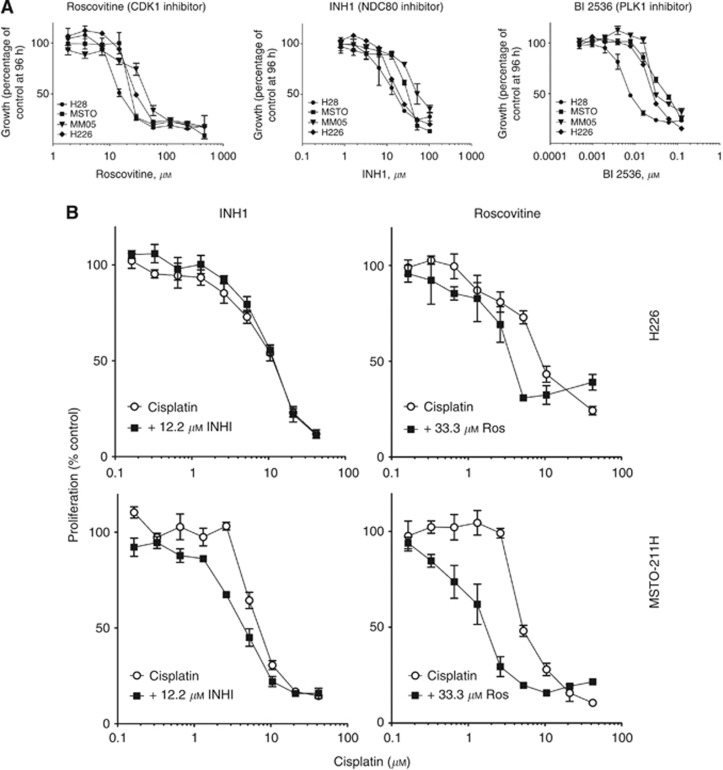
Gene knockdown in MPM cell lines identified growth inhibition following knockdown of NDC80, CDK1 and PLK1. Target knockdown induced cell-cycle arrest and increased apoptosis. Using small-molecule inhibitors specific for these three proteins also led to growth inhibition of MPM cell lines, and Roscovitine (inhibitor of CDK1) sensitised cells to cisplatin. Protein expression was also measured in tumour samples, with markedly variable levels of CDK1 and PLK1 noted. PLK1 expression in over 10% of cells correlated significantly with a poor prognosis.
These results suggest that RNAi-based screening has utility in identifying new targets for MPM, and that inhibition of NDC80, CDK1 and PLK1 may hold promise for treatment of this disease.
恶性胸膜间皮瘤(MPM)是一种起源于胸间皮的侵袭性肿瘤。中位生存期为 9-12 个月,预后仍然较差,因此急需新的治疗靶点。
我们利用 RNA 干扰(RNAi)筛选了 40 个在肿瘤中过度表达的基因,包括参与细胞周期、DNA 复制和修复控制的基因,以研究 MPM 的潜在治疗靶点。在对靶基因沉默对 MPM 细胞的体外作用进行特征分析后,我们在 154 名患者的肿瘤样本中对候选基因进行了评估。
在 MPM 细胞系中进行基因敲低后,发现 NDC80、CDK1 和 PLK1 的敲低均能抑制细胞生长。靶基因敲低导致细胞周期停滞和凋亡增加。使用针对这三种蛋白的小分子抑制剂也导致了 MPM 细胞系的生长抑制,并且 Roscovitine(CDK1 抑制剂)使细胞对顺铂敏感。还在肿瘤样本中测量了蛋白表达,发现 CDK1 和 PLK1 的表达水平明显不同。超过 10%的细胞中 PLK1 的表达与预后不良显著相关。
这些结果表明,基于 RNAi 的筛选在鉴定 MPM 的新靶点方面具有实用性,并且抑制 NDC80、CDK1 和 PLK1 可能为治疗这种疾病带来希望。