Katz Michael G, Fargnoli Anthony S, Williams Richard D, Bridges Charles R
1001 Blythe Blvd, Suite 300, Charlotte, NC 28203, Sanger Heart & Vascular Institute, Carolinas Healthcare System, Charlotte NC, USA.
Ther Deliv. 2014 Jan;5(1):39-51. doi: 10.4155/tde.13.134.
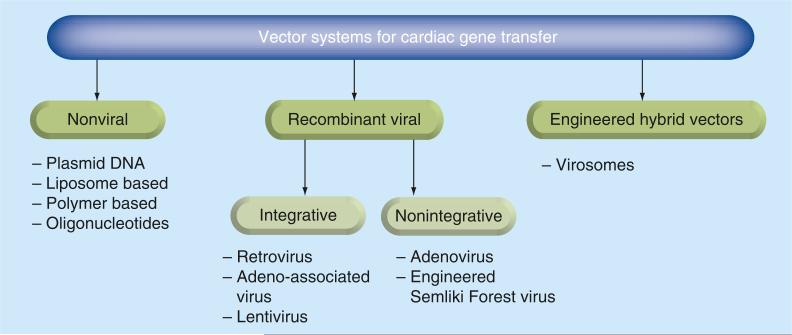
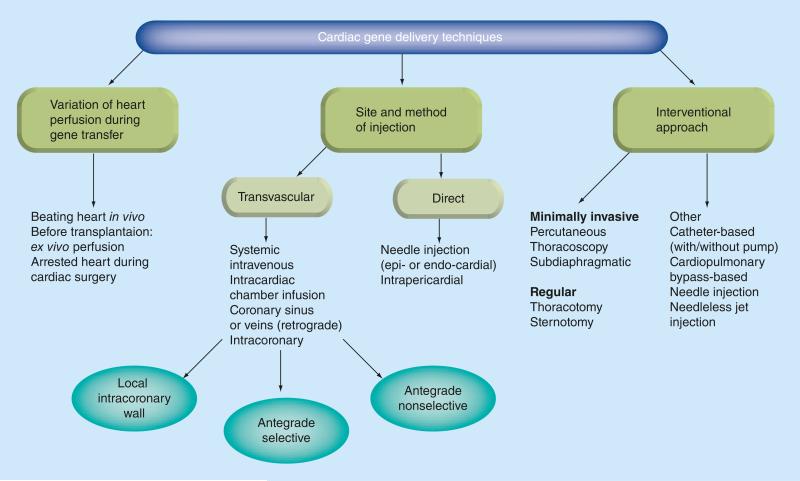
During the last two decades the fields of molecular and cellular cardiology, and more recently molecular cardiac surgery, have developed rapidly. The concept of delivering cDNA encoding a therapeutic gene to cardiomyocytes using a vector system with substantial cardiac tropism, allowing for long-term expression of a therapeutic protein, has moved from hypothesis to bench to clinical application. However, the clinical results to date are still disappointing. The ideal gene transfer method should be explored in clinically relevant animal models of heart disease to evaluate the relative roles of specific molecular pathways in disease pathogenesis, helping to validate the potential targets for therapeutic intervention. Successful clinical cardiovascular gene therapy also requires the use of nonimmunogenic cardiotropic vectors capable of expressing the requisite amount of therapeutic protein in vivo and in situ. Depending on the desired application either regional or global myocardial gene delivery is required. Cardiac-specific delivery techniques incorporating mapping technologies for regional delivery and highly efficient methodologies for global delivery should improve the precision and specificity of gene transfer to the areas of interest and minimize collateral organ gene expression.
在过去二十年中,分子与细胞心脏病学领域,以及最近的分子心脏外科学领域,都取得了迅速发展。使用具有显著心脏嗜性的载体系统将编码治疗性基因的cDNA传递到心肌细胞,从而实现治疗性蛋白质的长期表达,这一概念已从假说发展到实验台,再到临床应用。然而,迄今为止的临床结果仍令人失望。应在临床相关的心脏病动物模型中探索理想的基因转移方法,以评估特定分子途径在疾病发病机制中的相对作用,从而有助于验证治疗干预的潜在靶点。成功的临床心血管基因治疗还需要使用非免疫原性的心脏嗜性载体,这种载体能够在体内和原位表达所需量的治疗性蛋白质。根据预期应用,需要进行局部或整体心肌基因递送。结合用于局部递送的定位技术和用于整体递送的高效方法的心脏特异性递送技术,应能提高基因转移到感兴趣区域的精确性和特异性,并将附带器官的基因表达降至最低。