Yale Child Study Center, New Haven, Connecticut, United States of America ; University of Connecticut Health Center, Farmington, Connecticut, United States of America.
World Health Organization, Geneva, Switzerland.
PLoS Med. 2013 Dec;10(12):e1001572; discussion e1001572. doi: 10.1371/journal.pmed.1001572. Epub 2013 Dec 17.
The development of effective treatments for use by non-specialists is listed among the top research priorities for improving the lives of people with mental illness worldwide. The purpose of this review is to appraise which interventions for children with intellectual disabilities or lower-functioning autism spectrum disorders delivered by non-specialist care providers in community settings produce benefits when compared to either a no-treatment control group or treatment-as-usual comparator.
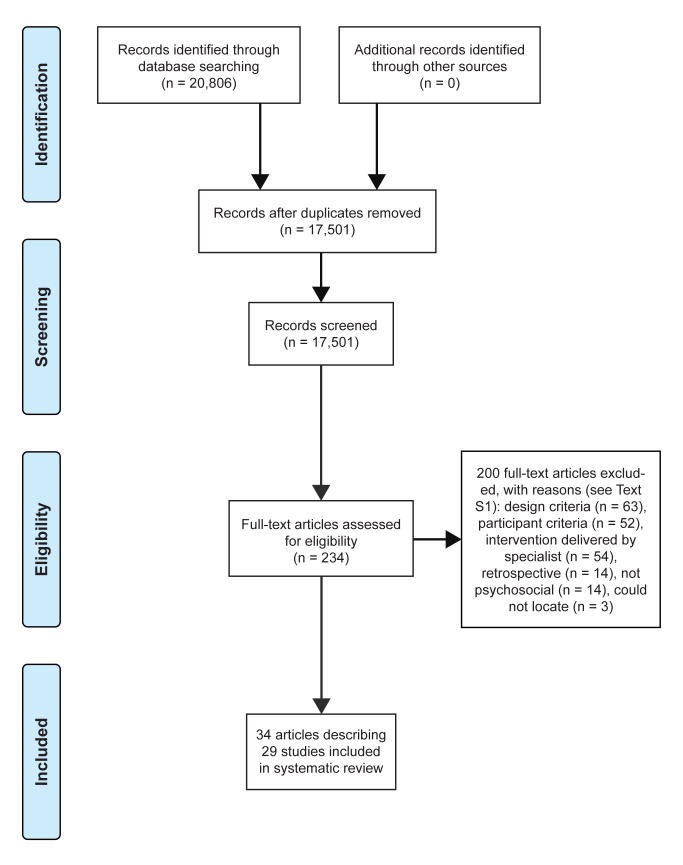
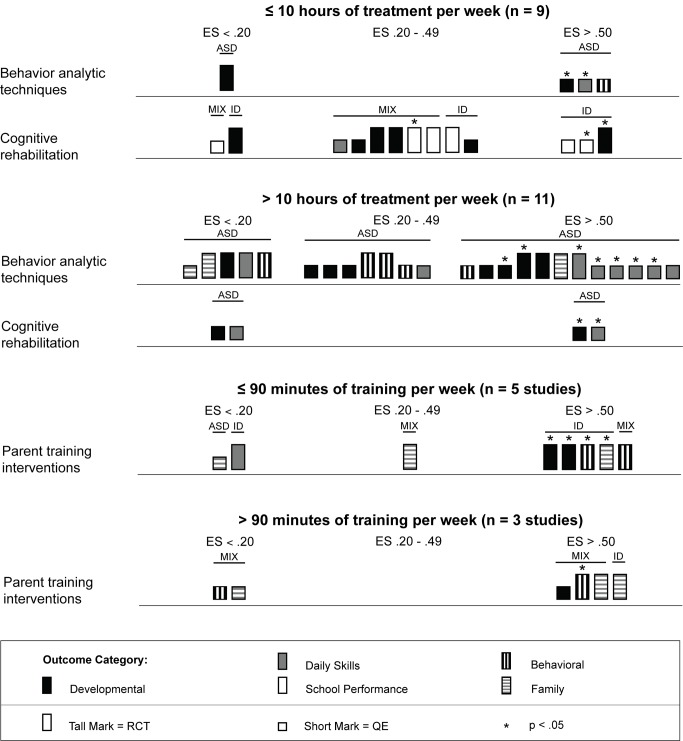
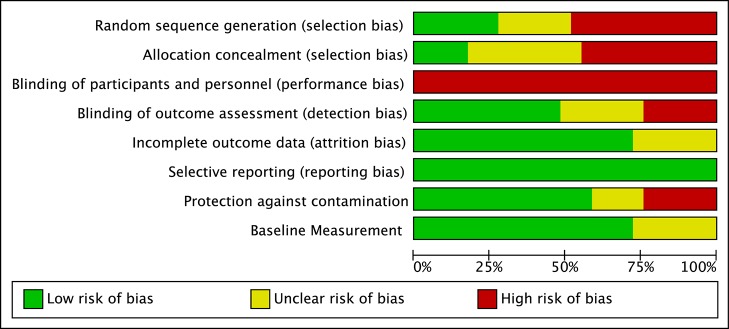
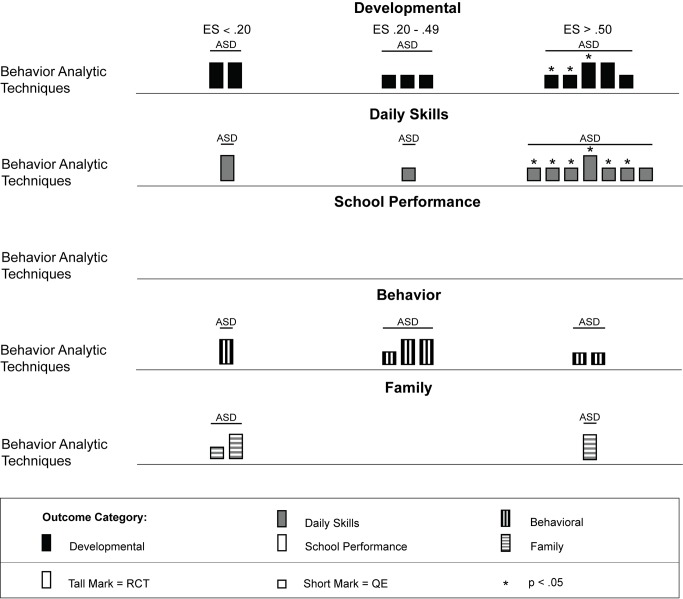
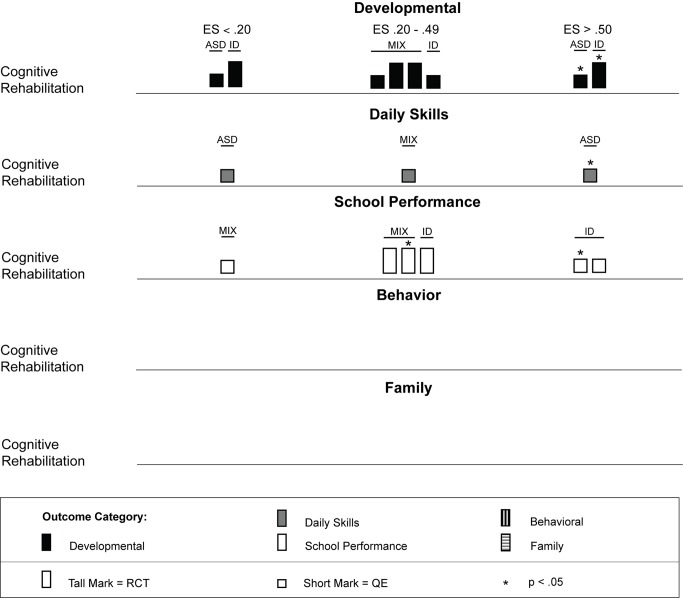
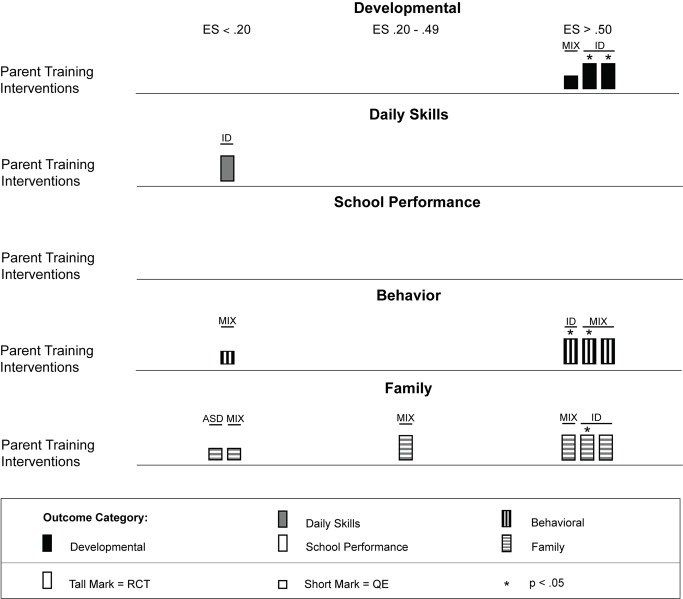
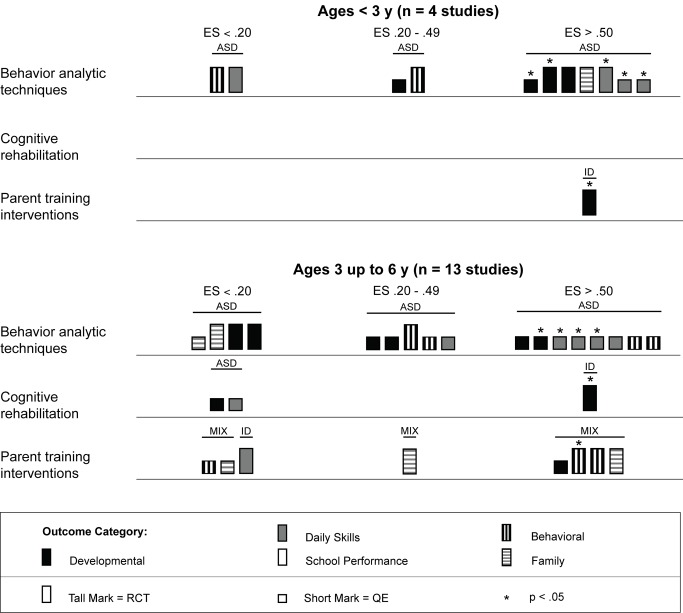
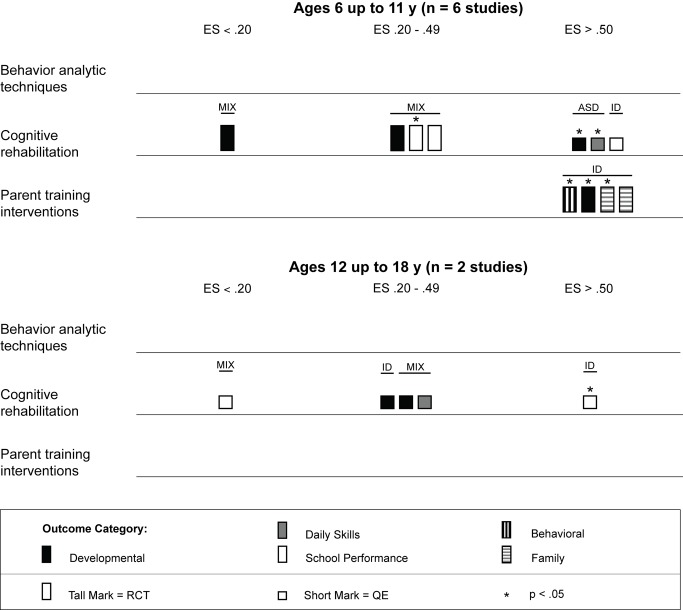
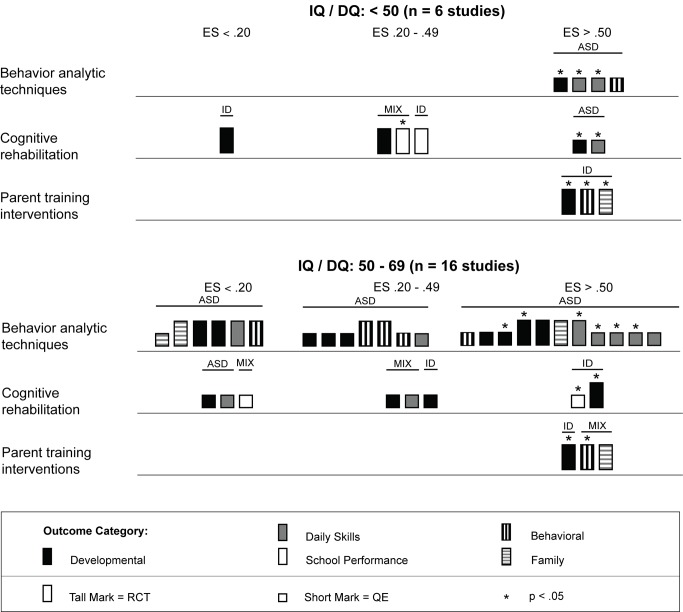
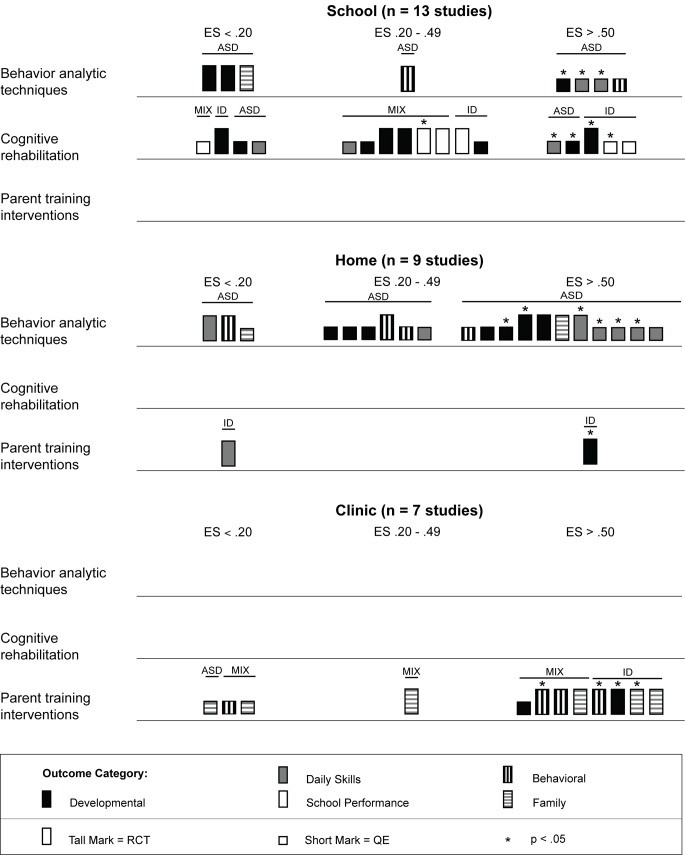
We systematically searched electronic databases through 24 June 2013 to locate prospective controlled studies of psychosocial interventions delivered by non-specialist providers to children with intellectual disabilities or lower-functioning autism spectrum disorders. We screened 234 full papers, of which 34 articles describing 29 studies involving 1,305 participants were included. A majority of the studies included children exclusively with a diagnosis of lower-functioning autism spectrum disorders (15 of 29, 52%). Fifteen of twenty-nine studies (52%) were randomized controlled trials and just under half of all effect sizes (29 of 59, 49%) were greater than 0.50, of which 18 (62%) were statistically significant. For behavior analytic interventions, the best outcomes were shown for development and daily skills; cognitive rehabilitation, training, and support interventions were found to be most effective for improving developmental outcomes, and parent training interventions to be most effective for improving developmental, behavioral, and family outcomes. We also conducted additional subgroup analyses using harvest plots. Limitations include the studies' potential for performance bias and that few were conducted in lower- and middle-income countries.
The findings of this review support the delivery of psychosocial interventions by non-specialist providers to children who have intellectual disabilities or lower-functioning autism spectrum disorders. Given the scarcity of specialists in many low-resource settings, including many lower- and middle-income countries, these findings may provide guidance for scale-up efforts for improving outcomes for children with developmental disorders or lower-functioning autism spectrum disorders.
PROSPERO CRD42012002641
为改善全球精神疾病患者的生活,将开发适用于非专业人员的有效治疗方法列为最重要的研究重点之一。本综述旨在评估在社区环境中由非专业护理人员提供的针对智力残疾或低功能自闭症谱系障碍儿童的干预措施,与无治疗对照组或常规治疗比较时,哪些干预措施能带来益处。
我们通过 2013 年 6 月 24 日系统地检索了电子数据库,以查找由非专业人员为智力残疾或低功能自闭症谱系障碍儿童提供的心理社会干预的前瞻性对照研究。我们筛选了 234 篇全文,其中 34 篇文章描述了 29 项研究,涉及 1305 名参与者。大多数研究仅包括低功能自闭症谱系障碍(29 项研究中的 15 项,52%)的儿童。29 项研究中的 15 项(52%)为随机对照试验,所有效应量的近一半(59 项中的 29 项,49%)大于 0.50,其中 18 项(62%)具有统计学意义。对于行为分析干预,发育和日常技能方面的效果最好;认知康复、训练和支持干预对改善发育结果最有效,而家长培训干预对改善发育、行为和家庭结果最有效。我们还使用收获图进行了额外的亚组分析。局限性包括研究可能存在绩效偏差,且很少有研究在低收入和中等收入国家进行。
本综述的研究结果支持由非专业人员为智力残疾或低功能自闭症谱系障碍儿童提供心理社会干预。鉴于在许多资源匮乏的环境中,包括许多低收入和中等收入国家,专家资源稀缺,这些研究结果可能为改善发育障碍或低功能自闭症谱系障碍儿童的结果提供扩大规模的指导。
PROSPERO CRD42012002641