Department of Nuclear Medicine, Jinling Hospital, Clinical school of Medical College, Nanjing University, Nanjing, China.
Department of Medical Imaging, Jinling Hospital, Clinical school of Medical College, Nanjing University, Nanjing, China.
PLoS One. 2013 Dec 17;8(12):e83821. doi: 10.1371/journal.pone.0083821. eCollection 2013.
Gender differences of the human brain are an important issue in neuroscience research. In recent years, an increasing amount of evidence has been gathered from noninvasive neuroimaging studies supporting a sexual dimorphism of the human brain. However, there is a lack of imaging studies on gender differences of brain metabolic networks based on a large population sample.
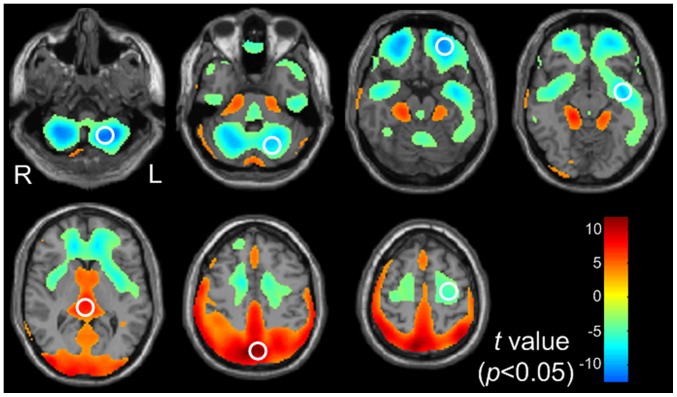
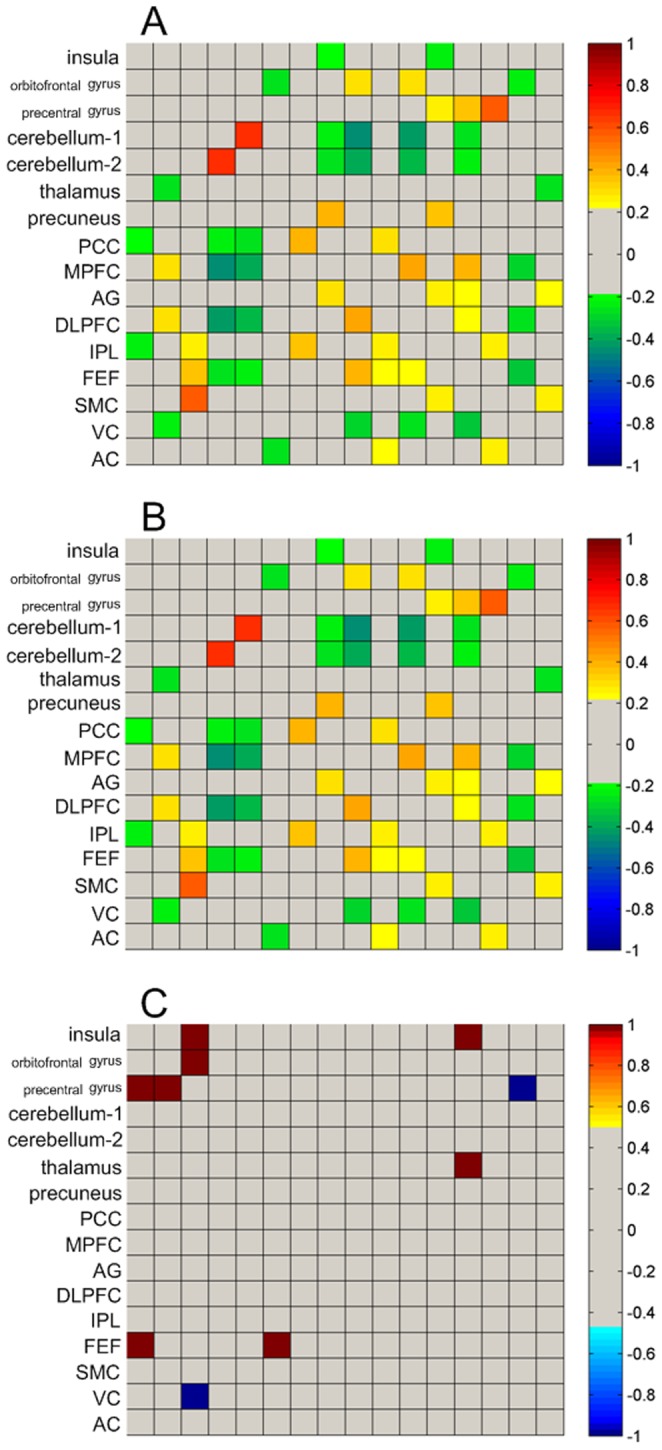
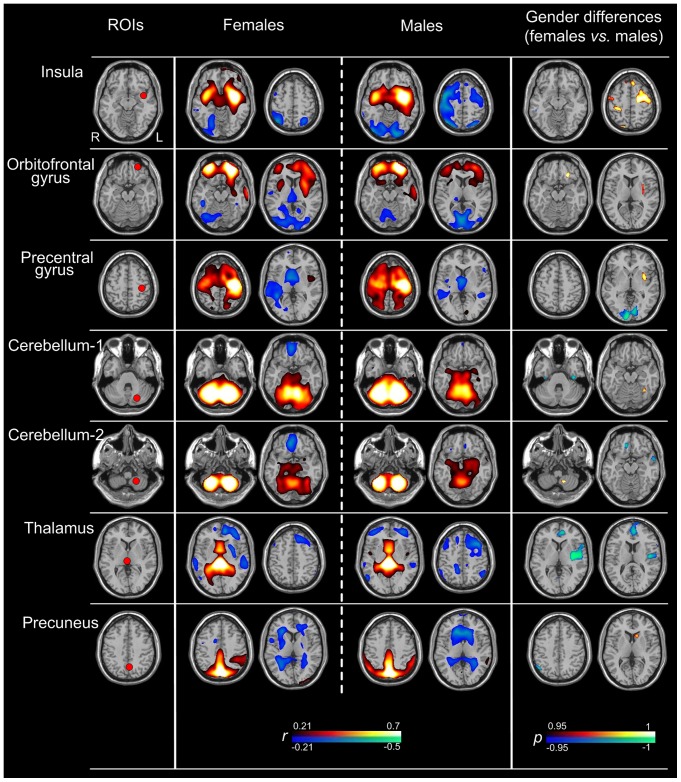
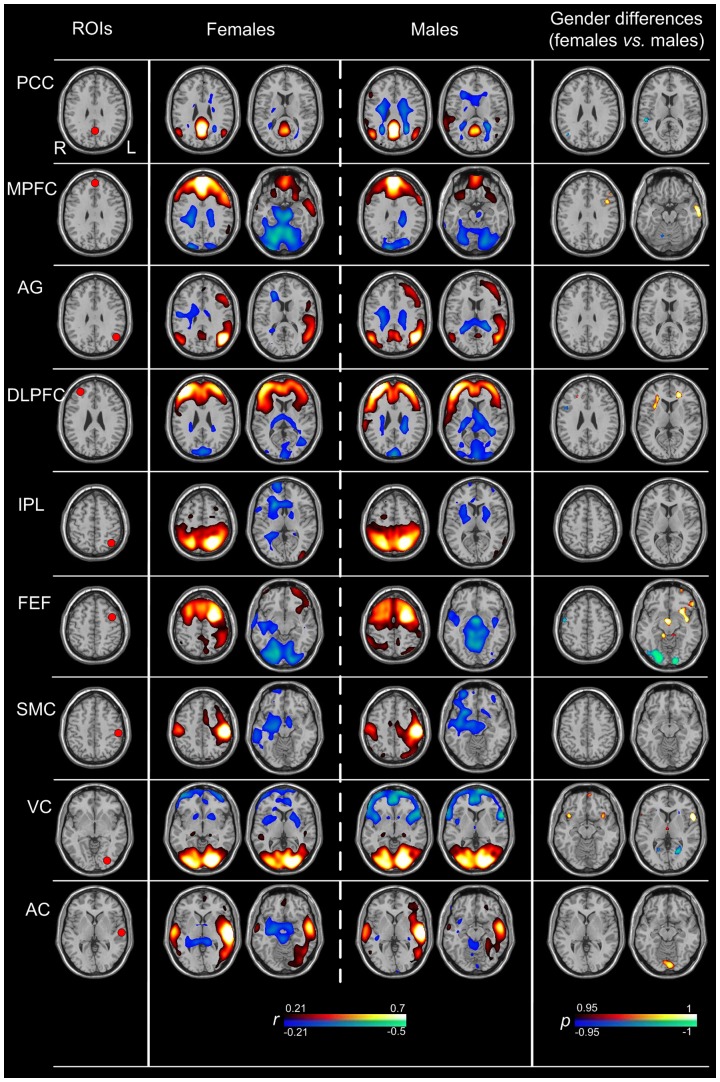
FDG PET data of 400 right-handed, healthy subjects, including 200 females (age: 25:45 years, mean age ± SD: 40.9 ± 3.9 years) and 200 age-matched males were obtained and analyzed in the present study. We first investigated the regional differences of brain glucose metabolism between genders using a voxel-based two-sample t-test analysis. Subsequently, we investigated the gender differences of the metabolic networks. Sixteen metabolic covariance networks using seed-based correlation were analyzed. Seven regions showing significant regional metabolic differences between genders, and nine regions conventionally used in the resting-state network studies were selected as regions-of-interest. Permutation tests were used for comparing within- and between-network connectivity between genders.
Compared with the males, females showed higher metabolism in the posterior part and lower metabolism in the anterior part of the brain. Moreover, there were widely distributed patterns of the metabolic networks in the human brain. In addition, significant gender differences within and between brain glucose metabolic networks were revealed in the present study.
This study provides solid data that reveal gender differences in regional brain glucose metabolism and brain glucose metabolic networks. These observations might contribute to the better understanding of the gender differences in human brain functions, and suggest that gender should be included as a covariate when designing experiments and explaining results of brain glucose metabolic networks in the control and experimental individuals or patients.
人类大脑的性别差异是神经科学研究中的一个重要问题。近年来,越来越多的来自非侵入性神经影像学研究的证据支持人类大脑的性别二态性。然而,基于大样本人群的脑代谢网络性别差异的影像学研究还很缺乏。
本研究获得并分析了 400 名右利手、健康受试者的 FDG PET 数据,包括 200 名女性(年龄:25-45 岁,平均年龄±标准差:40.9±3.9 岁)和 200 名年龄匹配的男性。我们首先使用基于体素的两样本 t 检验分析研究了性别间大脑葡萄糖代谢的区域差异。随后,我们研究了代谢网络的性别差异。使用基于种子的相关性分析了 16 个代谢协变网络。选择 7 个性别间存在显著区域代谢差异的区域和 9 个常规用于静息态网络研究的区域作为感兴趣区。使用置换检验比较了性别间的网络内和网络间连接。
与男性相比,女性大脑后部的代谢较高,前部的代谢较低。此外,在人类大脑中存在广泛分布的代谢网络模式。此外,本研究还揭示了大脑葡萄糖代谢网络内和网络间存在显著的性别差异。
本研究提供了确凿的数据,揭示了区域脑葡萄糖代谢和脑葡萄糖代谢网络的性别差异。这些观察结果可能有助于更好地理解人类大脑功能的性别差异,并建议在设计实验和解释对照和实验组或患者的脑葡萄糖代谢网络结果时,应将性别作为协变量纳入。