Department of Neurology, Geisel School of Medicine at Dartmouth, Lebanon, New Hampshire, United States of America.
Centre for Advanced Biomedical Imaging, Division of Medicine, University College London, London, United Kingdom.
PLoS One. 2013 Dec 17;8(12):e84492. doi: 10.1371/journal.pone.0084492. eCollection 2013.
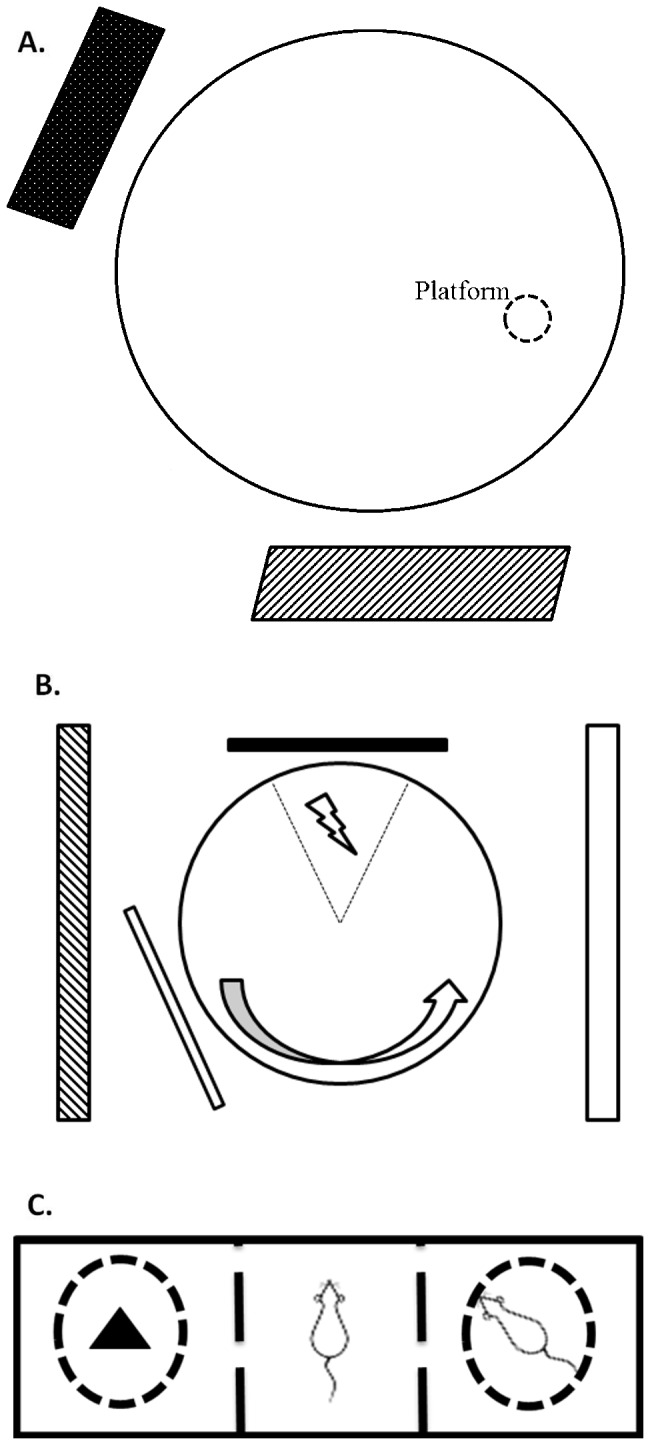
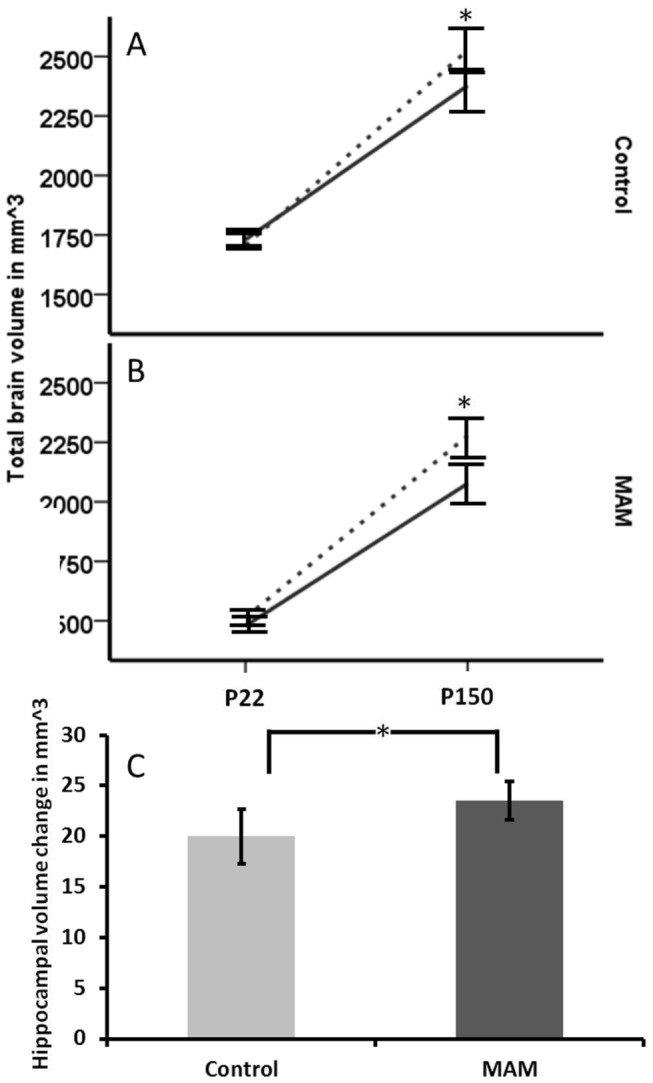
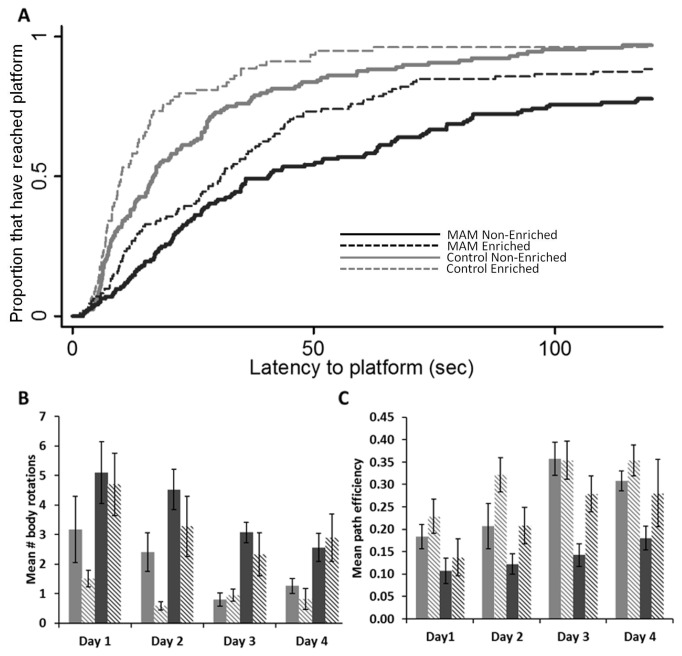
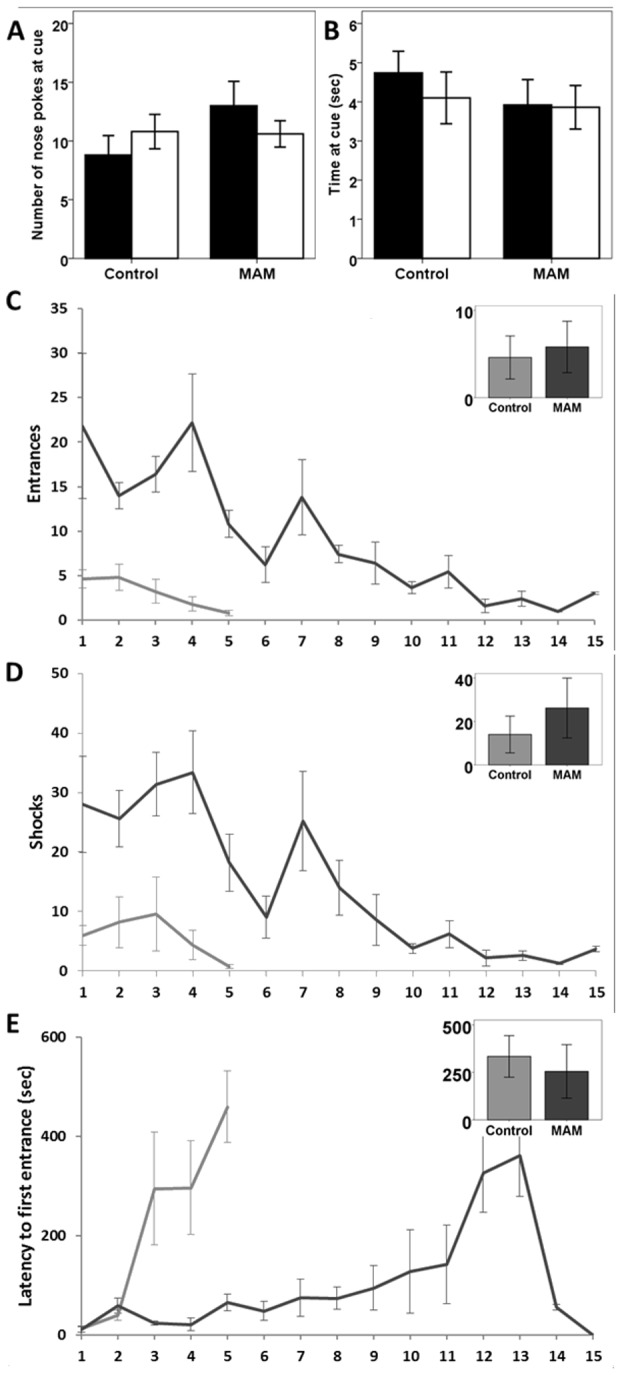
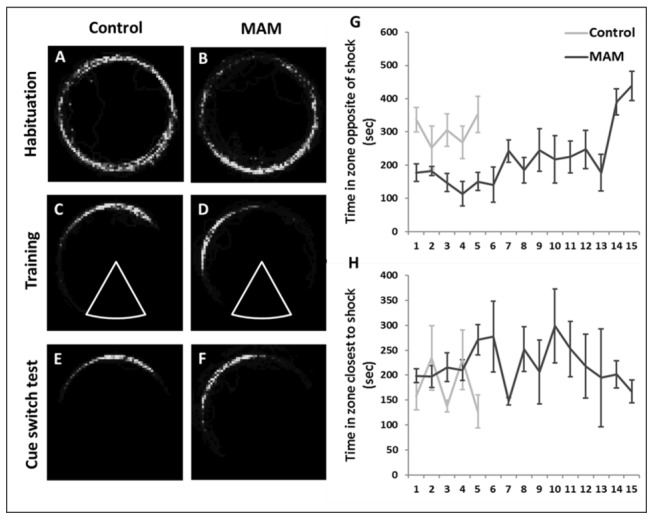
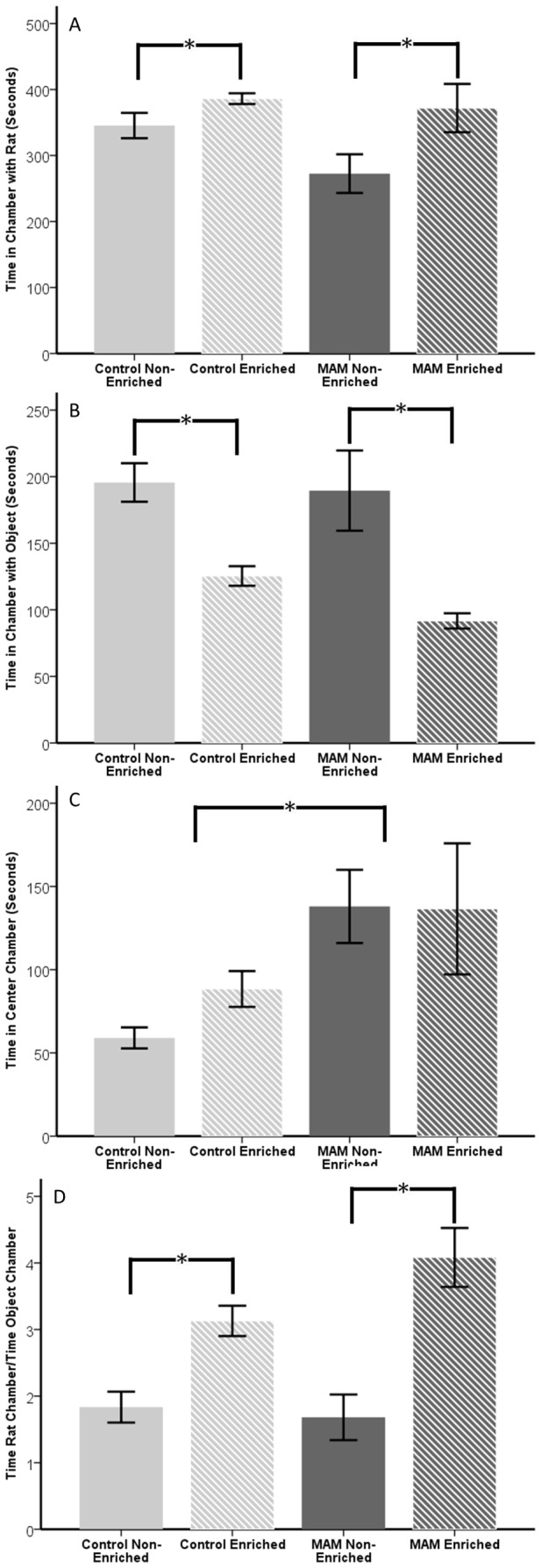
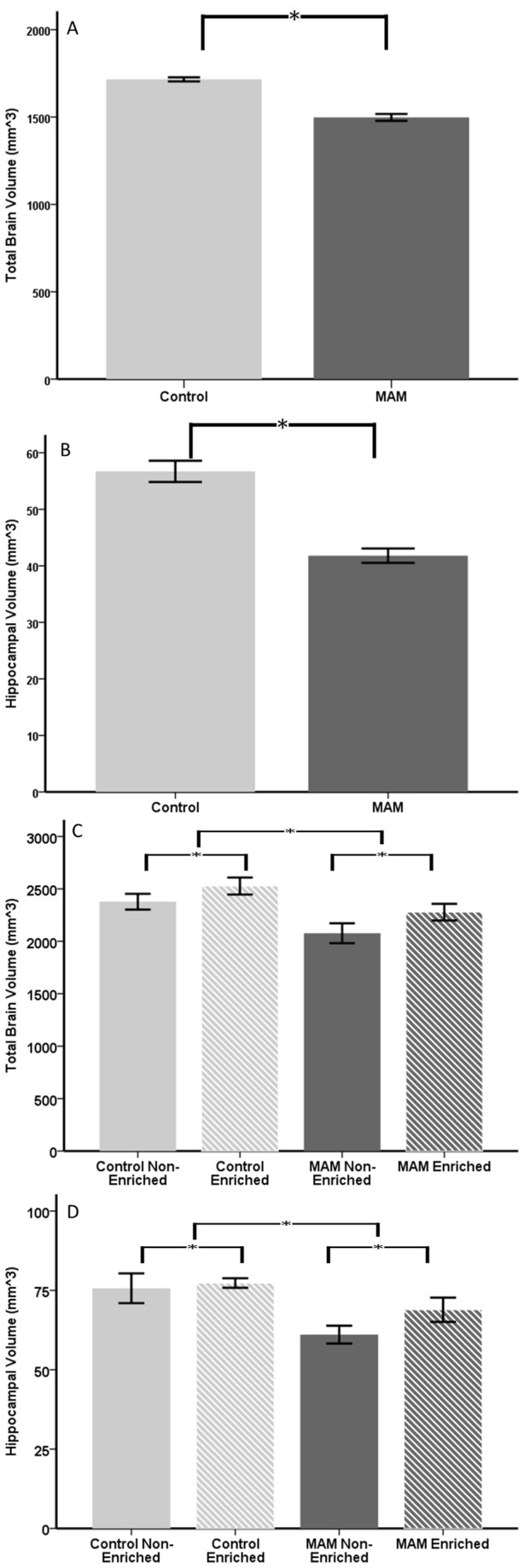
Children with malformations of cortical development (MCD) frequently have associated cognitive impairments which reduce quality of life. We hypothesized that cognitive deficits associated with MCD can be improved with environmental manipulation or additional training. The E17 methylazoxymethanol acetate (MAM) exposure model bears many anatomical hallmarks seen in human MCDs as well as similar behavioral and cognitive deficits. We divided control and MAM exposed Sprague-Dawley rats into enriched and non-enriched groups and tested performance in the Morris water maze. Another group similarly divided underwent sociability testing and also underwent Magnetic Resonance Imaging (MRI) scans pre and post enrichment. A third group of control and MAM rats without enrichment were trained until they reached criterion on the place avoidance task. MAM rats had impaired performance on spatial tasks and enrichment improved performance of both control and MAM animals. Although MAM rats did not have a deficit in sociability they showed similar improvement with enrichment as controls. MRI revealed a whole brain volume decrease with MAM exposure, and an increase in both MAM and control enriched volumes in comparison to non-enriched animals. In the place avoidance task, MAM rats required approximately 3 times as long to reach criterion as control animals, but with additional training were able to reach control performance. Environmental manipulation and additional training can improve cognition in a rodent MCD model. We therefore suggest that patients with MCD may benefit from appropriate alterations in educational strategies, social interaction and environment. These factors should be considered in therapeutic strategies.
患有皮质发育畸形(MCD)的儿童经常伴有认知障碍,从而降低生活质量。我们假设 MCD 相关的认知缺陷可以通过环境干预或额外的训练来改善。E17 甲基偶氮甲醇乙酸盐(MAM)暴露模型具有许多在人类 MCD 中看到的解剖学特征,以及类似的行为和认知缺陷。我们将对照和 MAM 暴露的斯普拉格-道利大鼠分为丰富和非丰富组,并在 Morris 水迷宫中测试性能。另一组同样分为社交性测试组,并在丰富化前后进行磁共振成像(MRI)扫描。第三组无丰富化的对照和 MAM 大鼠进行训练,直到它们在回避任务中达到标准。MAM 大鼠在空间任务中的表现受损,而丰富化提高了对照和 MAM 动物的表现。尽管 MAM 大鼠在社交能力方面没有缺陷,但它们与对照动物一样,丰富化后表现出类似的改善。MRI 显示 MAM 暴露后全脑体积减少,与非丰富化动物相比,MAM 和对照丰富化动物的体积均增加。在回避任务中,MAM 大鼠达到标准所需的时间约为对照大鼠的 3 倍,但经过额外的训练,它们能够达到对照大鼠的表现。环境干预和额外的训练可以改善啮齿动物 MCD 模型的认知能力。因此,我们建议 MCD 患者可能受益于教育策略、社交互动和环境的适当改变。这些因素应在治疗策略中加以考虑。