Department of Molecular and Cellular Biology, Centro Nacional de Biotecnología, CSIC, C/Darwin 3, 28049 Madrid, Spain.
Vet Res. 2013 Dec 23;44(1):126. doi: 10.1186/1297-9716-44-126.
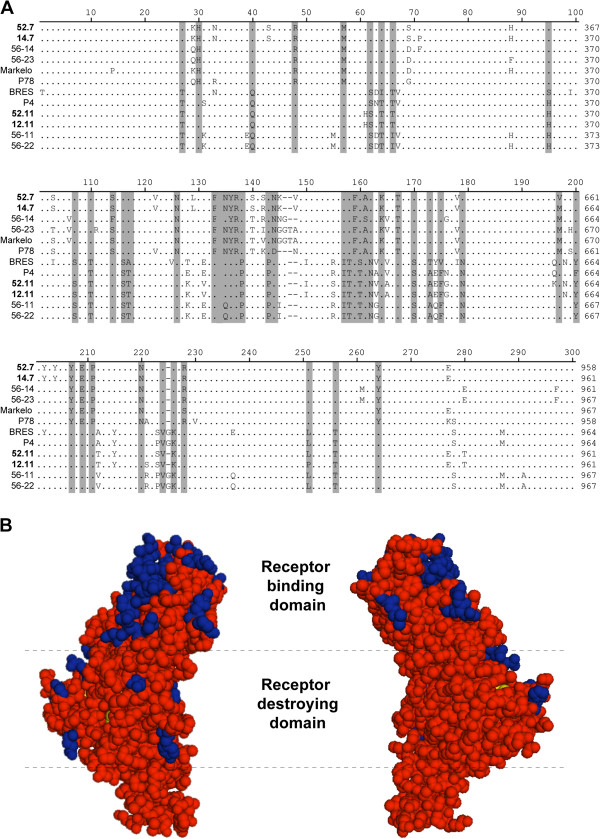
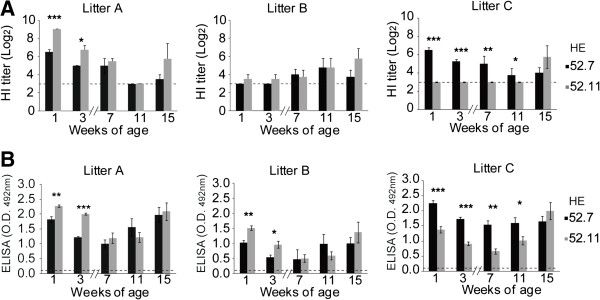
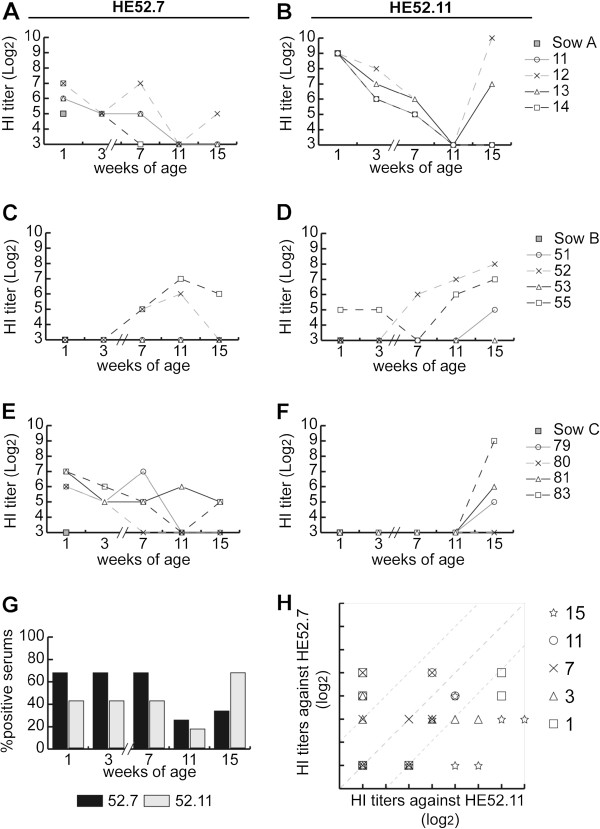
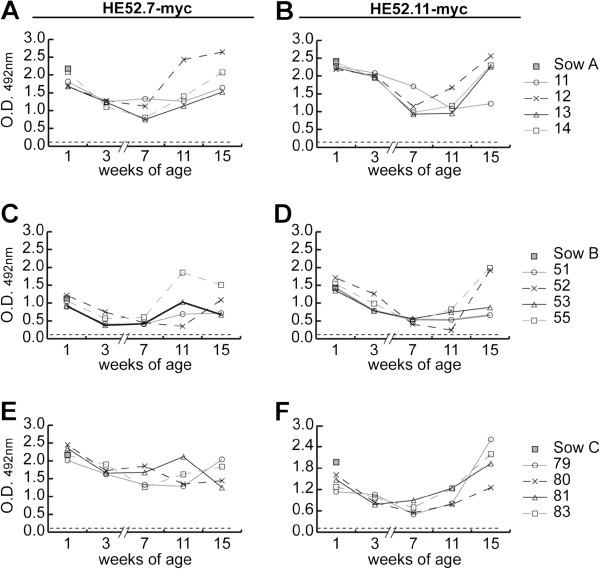
Hemagglutinin-esterases (HE) are viral envelope proteins present in some members from the toro-, corona- and orthomyxovirus families, all related with enteric and/or respiratory tract infections. HE proteins mediate reversible binding to sialic acid receptor determinants, very abundant glycan residues in the enteric and respiratory tracts. The role of the HE protein during the torovirus infection cycle remains unknown, although it is believed to be important in the natural infection process. The phylogenetic analysis of HE coding sequences from porcine torovirus (PToV) field strains revealed the existence of two distinct HE lineages. In a previous study, PToV virus strains with HE proteins from the two lineages were found coexisting in a pig herd, and they were even obtained from the same animal at two consecutive sampling time points. In this work, we report antigenic differences between the two HE lineages, and discuss the possible implications that the coexistence of viruses belonging to both lineages might have on the spread and sustainment of PToV infection in the farms.
血凝素-酯酶(HE)是一些 Toro、Corona 和 Orthomyxovirus 科成员的病毒包膜蛋白,与肠道和/或呼吸道感染有关。HE 蛋白介导与唾液酸受体决定簇的可逆结合,这些决定簇是肠道和呼吸道中非常丰富的聚糖残基。虽然人们认为它在自然感染过程中很重要,但 Toro 病毒感染周期中 HE 蛋白的作用仍然未知。来自猪 Toro 病毒(PToV)田间株的 HE 编码序列的系统发育分析显示存在两种不同的 HE 谱系。在之前的一项研究中,发现具有两种谱系 HE 蛋白的 PToV 病毒株在一个猪群中共存,甚至在连续两个采样时间点从同一动物中获得。在这项工作中,我们报告了两种 HE 谱系之间的抗原差异,并讨论了属于这两种谱系的病毒共存可能对 PToV 感染在农场中的传播和维持产生的可能影响。