Marine Chemistry and Geochemistry Department, Woods Hole Oceanographic Institution Woods Hole, MA, USA.
Reservoir Geosciences Department, Schlumberger Doll Research Cambridge, MA, USA.
Front Microbiol. 2013 Dec 6;4:367. doi: 10.3389/fmicb.2013.00367. eCollection 2013.
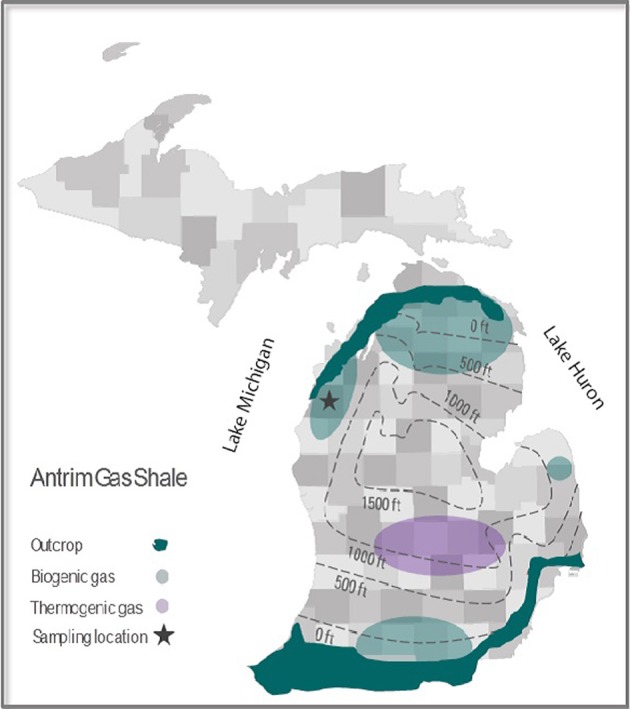
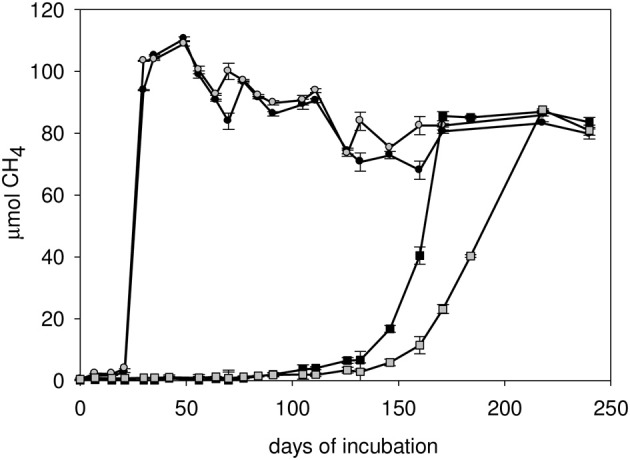
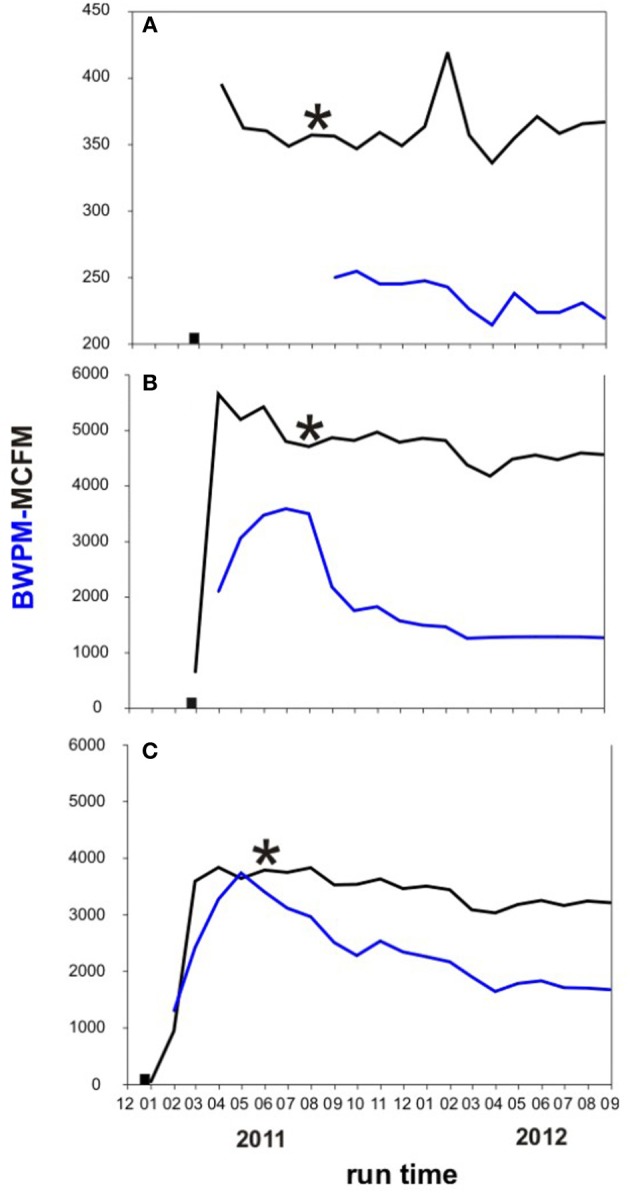
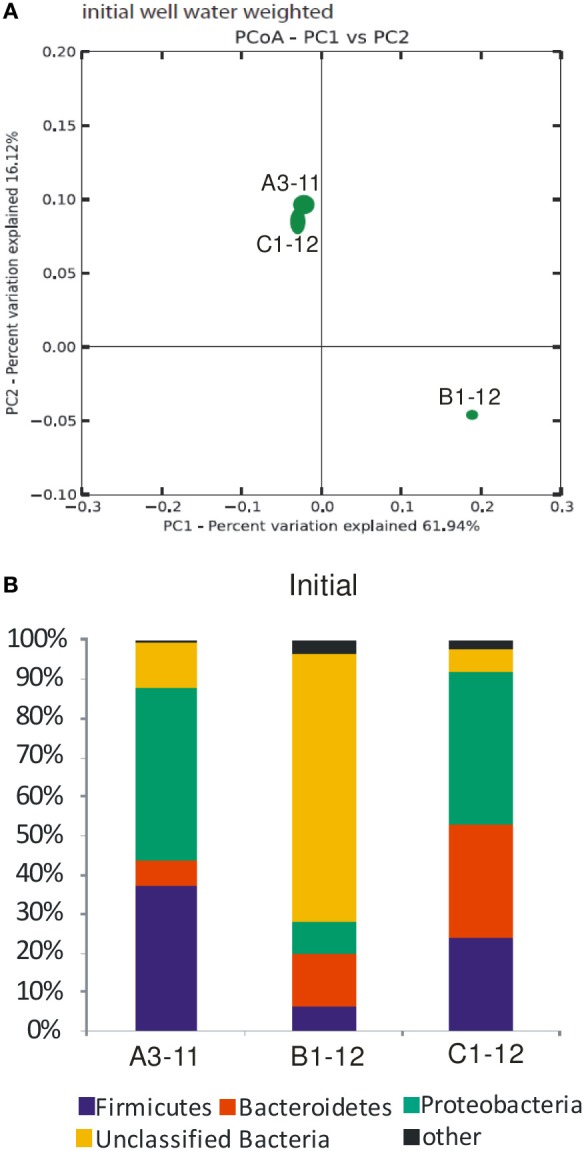
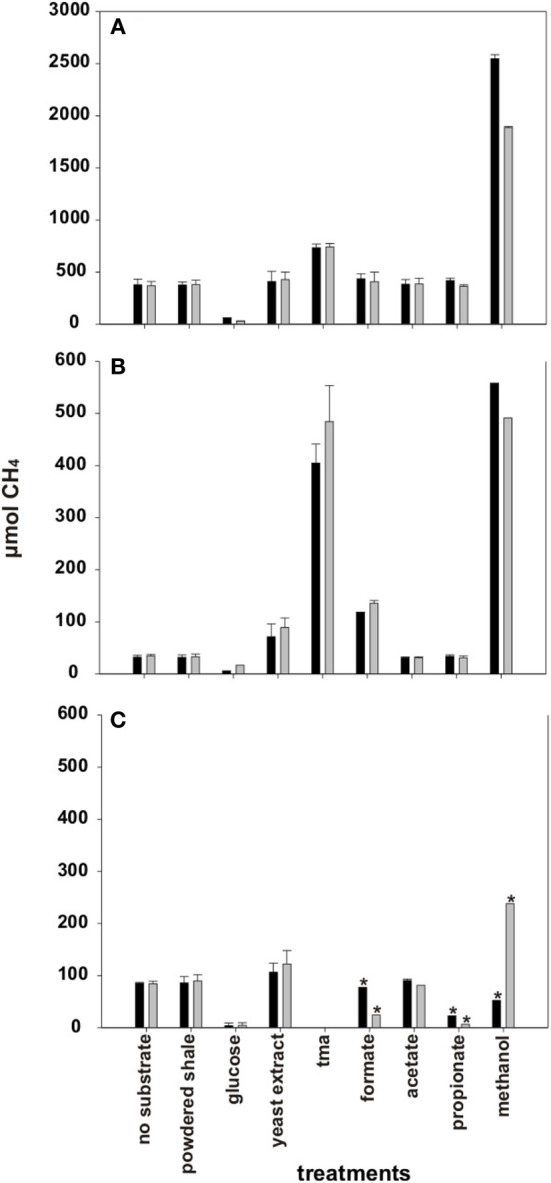
The Antrim Shale in the Michigan Basin is one of the most productive shale gas formations in the U.S., but optimal resource recovery strategies must rely on a thorough understanding of the complex biogeochemical, microbial, and physical interdependencies in this and similar systems. We used Illumina MiSeq 16S rDNA sequencing to analyze the diversity and relative abundance of prokaryotic communities present in Antrim shale formation water of three closely spaced recently fractured gas-producing wells. In addition, the well waters were incubated with a suite of fermentative and methanogenic substrates in an effort to stimulate microbial methane generation. The three wells exhibited substantial differences in their community structure that may arise from their different drilling and fracturing histories. Bacterial sequences greatly outnumbered those of archaea and shared highest similarity to previously described cultures of mesophiles and moderate halophiles within the Firmicutes, Bacteroidetes, and δ- and ε-Proteobacteria. The majority of archaeal sequences shared highest sequence similarity to uncultured euryarchaeotal environmental clones. Some sequences closely related to cultured methylotrophic and hydrogenotrophic methanogens were also present in the initial well water. Incubation with methanol and trimethylamine stimulated methylotrophic methanogens and resulted in the largest increase in methane production in the formation waters, while fermentation triggered by the addition of yeast extract and formate indirectly stimulated hydrogenotrophic methanogens. The addition of sterile powdered shale as a complex natural substrate stimulated the rate of methane production without affecting total methane yields. Depletion of methane indicative of anaerobic methane oxidation (AMO) was observed over the course of incubation with some substrates. This process could constitute a substantial loss of methane in the shale formation.
密歇根盆地的安特里姆页岩是美国最具生产力的页岩气地层之一,但最佳资源回收策略必须依赖于对这种和类似系统中复杂的生物地球化学、微生物和物理相互依存关系的透彻理解。我们使用 Illumina MiSeq 16S rDNA 测序来分析三个紧密间隔的最近压裂产气井的安特里姆页岩地层水中存在的原核生物群落的多样性和相对丰度。此外,还将井水与一系列发酵和产甲烷基质孵育,以刺激微生物产甲烷。这三口井的群落结构存在显著差异,这可能是由于它们不同的钻探和压裂历史。细菌序列大大超过了古菌序列,与厚壁菌门、拟杆菌门和 δ-和 ε-变形菌门中的中温菌和中度嗜盐菌的先前描述的培养物具有最高相似性。大多数古菌序列与未培养的广古菌环境克隆具有最高的序列相似性。一些与培养的甲基营养型和氢营养型产甲烷菌密切相关的序列也存在于初始井水中。用甲醇和三甲胺孵育刺激了甲基营养型产甲烷菌,导致地层水中的甲烷产量最大增加,而添加酵母提取物和甲酸盐引发的发酵间接刺激了氢营养型产甲烷菌。添加无菌粉末页岩作为复杂的天然基质刺激了甲烷产生的速率,而不影响总甲烷产量。在用一些底物孵育的过程中观察到指示厌氧甲烷氧化(AMO)的甲烷消耗。这个过程可能会导致页岩地层中大量甲烷损失。