Li Nianhu, Xu Zhanwang, Wooley Paul H, Zhang Jianxin, Yang Shang-You
Department of Surgery, Orthopedics, University of Kansas School of Medicine, Wichita, KS, USA ; Department of Orthopedics, Affiliated Hospital to Shandong University of Traditional Chinese Medicine, Jinan, People's Republic of China.
Department of Orthopedics, Affiliated Hospital to Shandong University of Traditional Chinese Medicine, Jinan, People's Republic of China.
Drug Des Devel Ther. 2013 Dec 10;8:1-11. doi: 10.2147/DDDT.S52714. eCollection 2014.
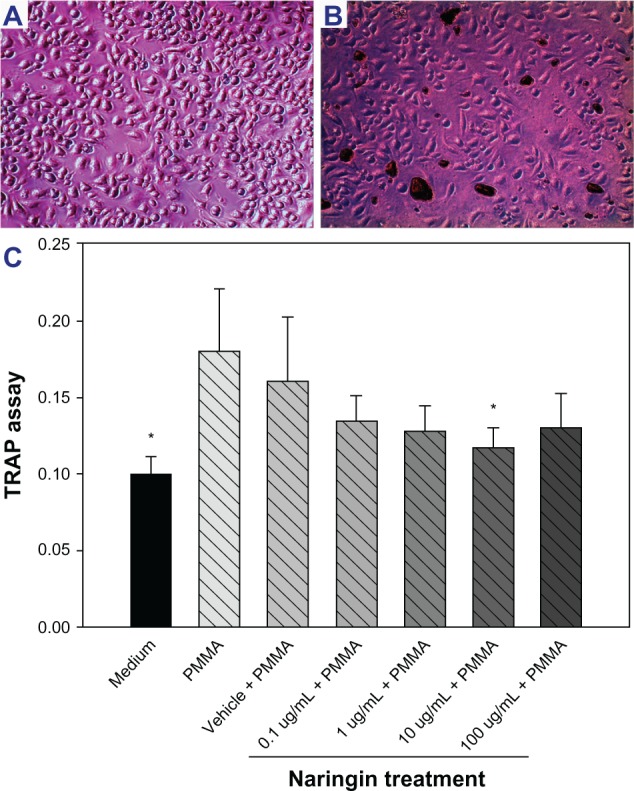
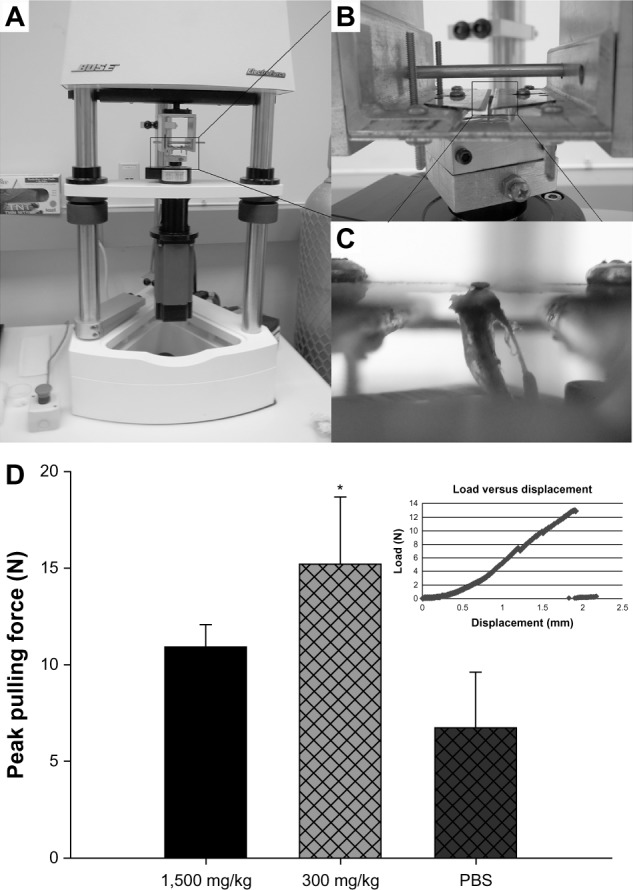
Wear debris associated periprosthetic osteolysis represents a major pathological process associated with the aseptic loosening of joint prostheses. Naringin is a major flavonoid identified in grapefruit. Studies have shown that naringin possesses many pharmacological properties including effects on bone metabolism. The current study evaluated the influence of naringin on wear debris induced osteoclastic bone resorption both in vitro and in vivo. The osteoclast precursor cell line RAW 264.7 was cultured and stimulated with polymethylmethacrylate (PMMA) particles followed by treatment with naringin at several doses. Tartrate resistant acid phosphatase (TRAP), calcium release, and gene expression profiles of TRAP, cathepsin K, and receptor activator of nuclear factor-kappa B were sequentially evaluated. PMMA challenged murine air pouch and the load bearing tibia titanium pin-implantation mouse models were used to evaluate the effects of naringin in controlling PMMA induced bone resorption. Histological analyses and biomechanical pullout tests were performed following the animal experimentation. The in vitro data clearly demonstrated the inhibitory effects of naringin in PMMA induced osteoclastogenesis. The naringin dose of 10 μg/mL exhibited the most significant influence on the suppression of TRAP activities. Naringin treatment also markedly decreased calcium release in the stimulated cell culture medium. The short-term air pouch mouse study revealed that local injection of naringin ameliorated the PMMA induced inflammatory tissue response and subsequent bone resorption. The long-term tibia pin-implantation mouse model study suggested that daily oral gavage of naringin at 300 mg/kg dosage for 30 days significantly alleviated the periprosthetic bone resorption. A significant increase of periprosthetic bone volume and regaining of the pin stability were found in naringin treated mice. Overall, this study suggests that naringin may serve as a potential therapeutic agent to treat wear debris associated osteolysis.
假体周围骨溶解相关的磨损颗粒是与关节假体无菌性松动相关的主要病理过程。柚皮苷是在葡萄柚中鉴定出的主要黄酮类化合物。研究表明,柚皮苷具有许多药理特性,包括对骨代谢的影响。本研究评估了柚皮苷在体外和体内对磨损颗粒诱导的破骨细胞骨吸收的影响。培养破骨细胞前体细胞系RAW 264.7,并用聚甲基丙烯酸甲酯(PMMA)颗粒刺激,然后用几种剂量的柚皮苷处理。依次评估抗酒石酸酸性磷酸酶(TRAP)、钙释放以及TRAP、组织蛋白酶K和核因子κB受体激活剂的基因表达谱。使用PMMA攻击的小鼠气袋和负重胫骨钛针植入小鼠模型来评估柚皮苷在控制PMMA诱导的骨吸收中的作用。动物实验后进行组织学分析和生物力学拔出试验。体外数据清楚地证明了柚皮苷对PMMA诱导的破骨细胞生成具有抑制作用。10μg/mL的柚皮苷剂量对TRAP活性的抑制作用最为显著。柚皮苷处理还显著降低了刺激的细胞培养基中的钙释放。短期气袋小鼠研究表明,局部注射柚皮苷可改善PMMA诱导的炎症组织反应和随后的骨吸收。长期胫骨针植入小鼠模型研究表明,以300mg/kg剂量每日口服灌胃柚皮苷30天可显著减轻假体周围骨吸收。在柚皮苷处理的小鼠中发现假体周围骨体积显著增加且针的稳定性恢复。总体而言,本研究表明柚皮苷可能作为一种潜在的治疗剂来治疗与磨损颗粒相关的骨溶解。