Department of Neuroscience, Medical University of South Carolina Charleston, SC, USA.
Department of Neuroscience, Medical University of South Carolina Charleston, SC, USA ; Faculty of Healthcare, Department of Preventive Medicine, University of Miskolc Miskolc, Hungary.
Front Cell Neurosci. 2013 Nov 27;7:213. doi: 10.3389/fncel.2013.00213. eCollection 2013.
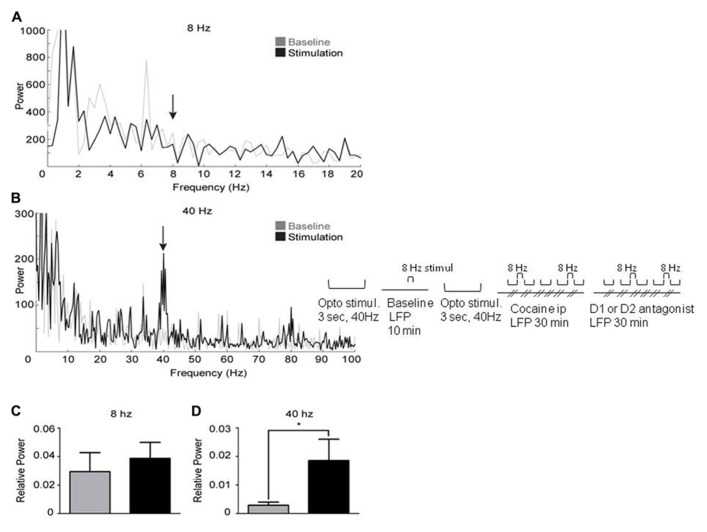
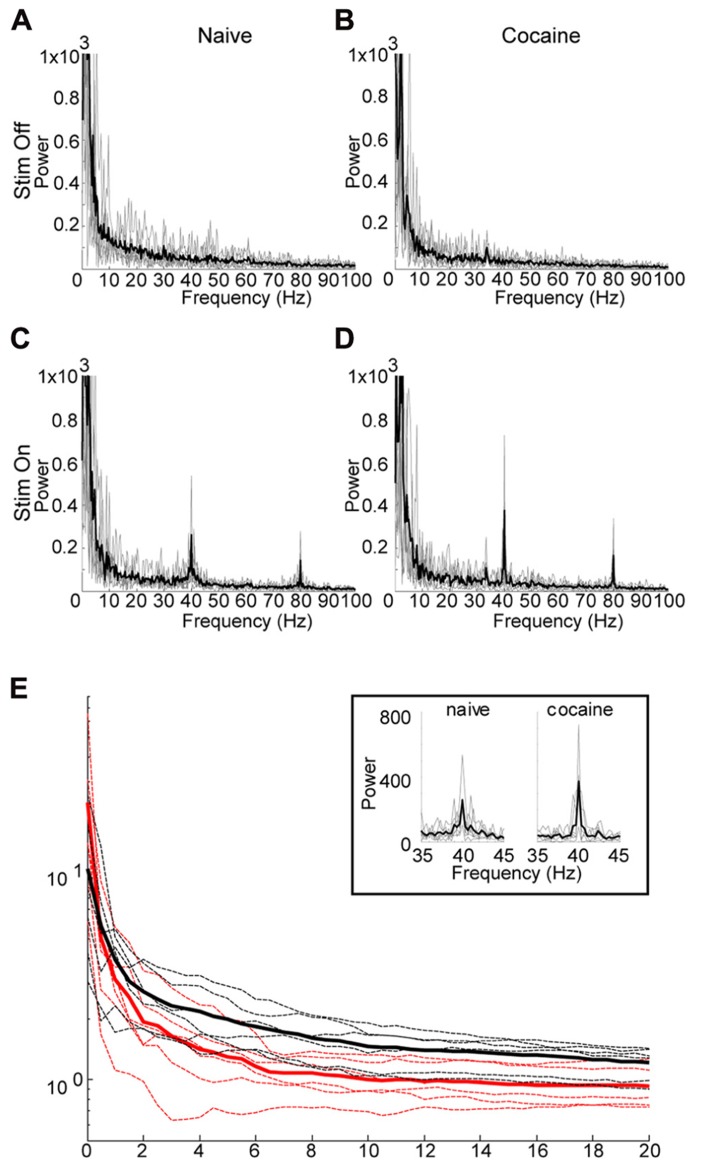
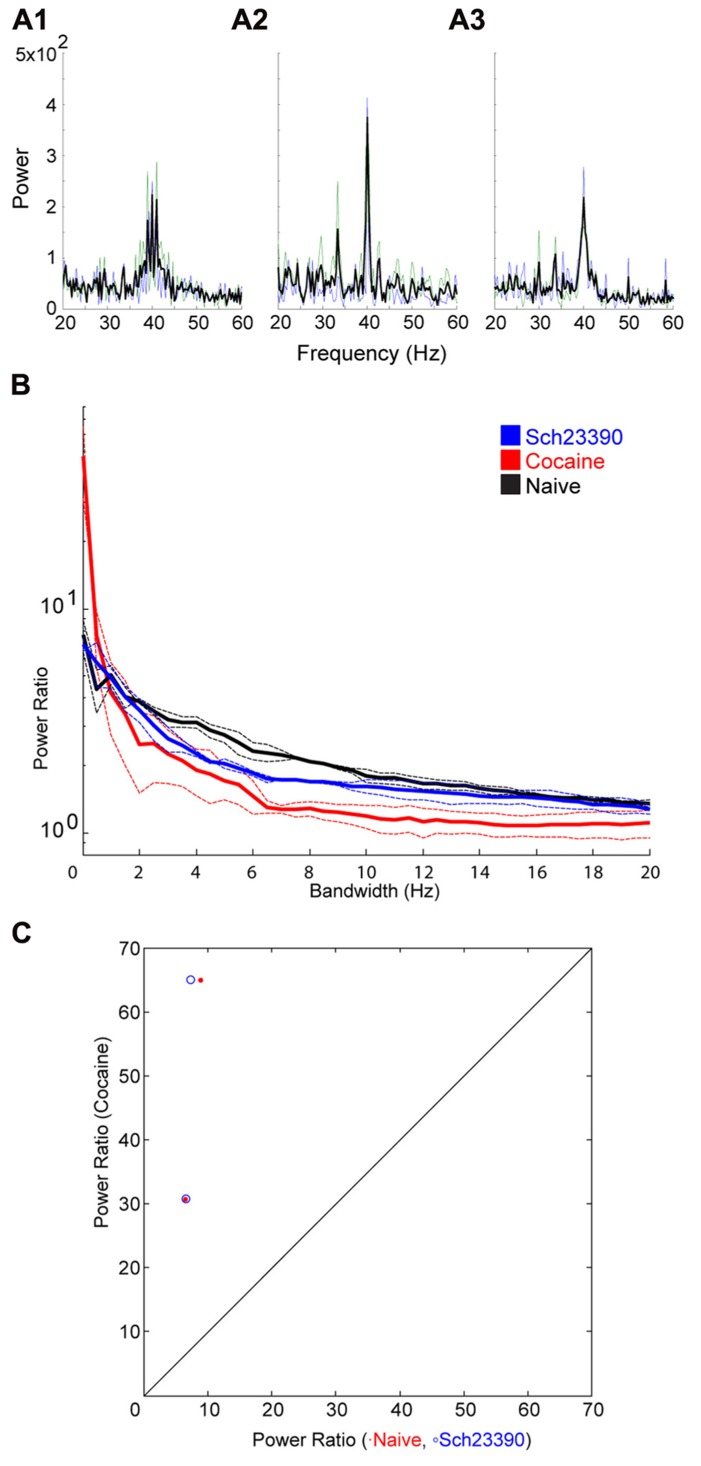
Drugs of abuse have enormous societal impact by degrading the cognitive abilities, emotional state and social behavior of addicted individuals. Among other events involved in the addiction cycle, the study of a single exposure to cocaine, and the contribution of the effects of that event to the continuous and further use of drugs of abuse are fundamental. Gamma oscillations are thought to be important neural correlates of cognitive processing in the prefrontal cortex (PFC) which include decision making, set shifting and working memory. It follows that cocaine exposure might modulate gamma oscillations, which could result in reduced cognitive ability. Parvalbumin-positive fast-spiking interneurons play an orchestrating role in gamma oscillation induction and it has been shown recently that gamma oscillations can be induced in an anesthetized animal using optogenetic techniques. We use a knock-in mouse model together with optogenetics and in vivo electrophysiology to study the effects of acute cocaine on PFC gamma oscillation as a step toward understanding the cortical changes that may underlie continuous use of stimulants. Our results show that acute cocaine administration increases entrainment of the gamma oscillation to the optogentically induced driving frequency. Our results also suggest that this modulation of gamma oscillations is driven trough activation of D1 receptors. The acute cocaine-mediated changes in mPFC may underlie the enhancement of attention and awareness commonly reported by cocaine users and may contribute to the further use and abuse of psychostimulants.
滥用药物通过降低成瘾个体的认知能力、情绪状态和社会行为,对社会造成巨大影响。在成瘾循环涉及的其他事件中,单次可卡因暴露的研究,以及该事件对滥用药物的持续和进一步使用的影响,是至关重要的。伽马振荡被认为是前额叶皮层(PFC)认知加工的重要神经相关物,包括决策、转换和工作记忆。因此,可卡因暴露可能会调节伽马振荡,从而导致认知能力下降。γ-氨基丁酸阳性快速放电中间神经元在伽马振荡诱导中起着协调作用,最近已经表明,可以使用光遗传学技术在麻醉动物中诱导伽马振荡。我们使用一种基因敲入小鼠模型,结合光遗传学和体内电生理学来研究急性可卡因对 PFC 伽马振荡的影响,以期了解可能导致持续使用兴奋剂的皮质变化。我们的结果表明,急性可卡因给药增加了伽马振荡对光遗传学诱导驱动频率的同步。我们的结果还表明,这种对伽马振荡的调制是通过激活 D1 受体驱动的。急性可卡因介导的 mPFC 变化可能是可卡因使用者通常报告的注意力和意识增强的基础,并可能导致进一步使用和滥用精神兴奋剂。