Benaroya Research Institute, Seattle, WA 98101.
J Exp Med. 2014 Jan 13;211(1):121-36. doi: 10.1084/jem.20131142. Epub 2013 Dec 30.
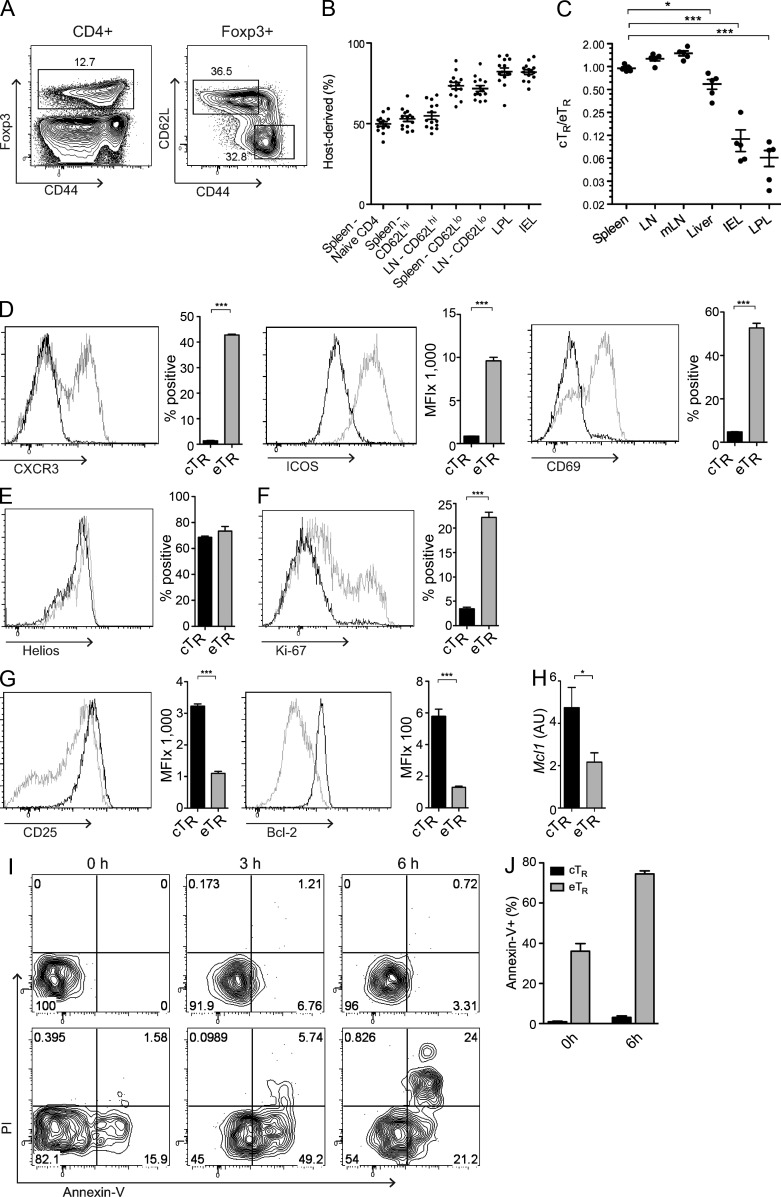
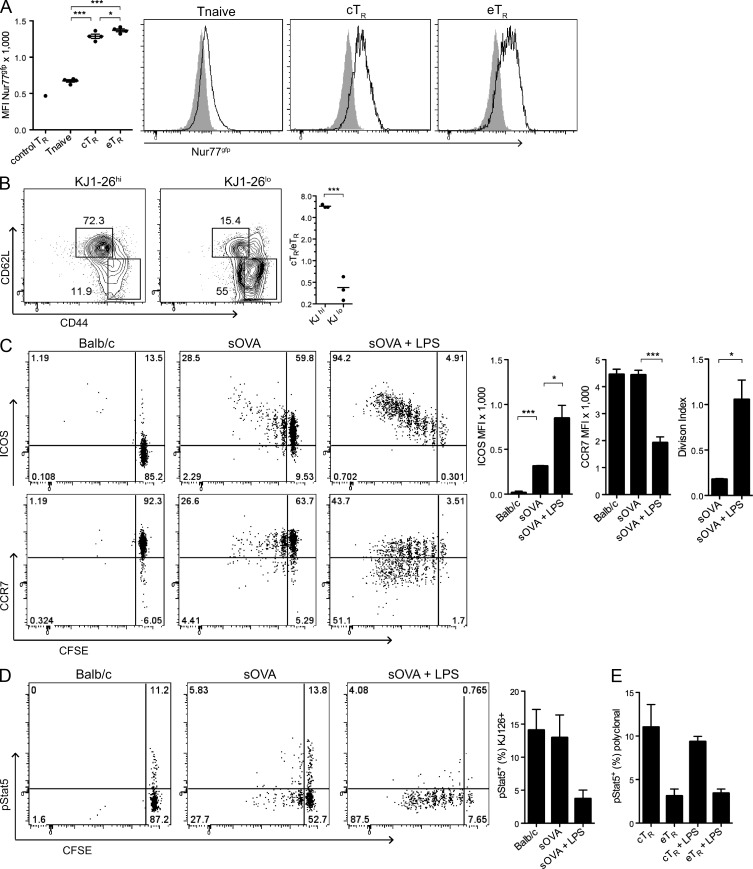
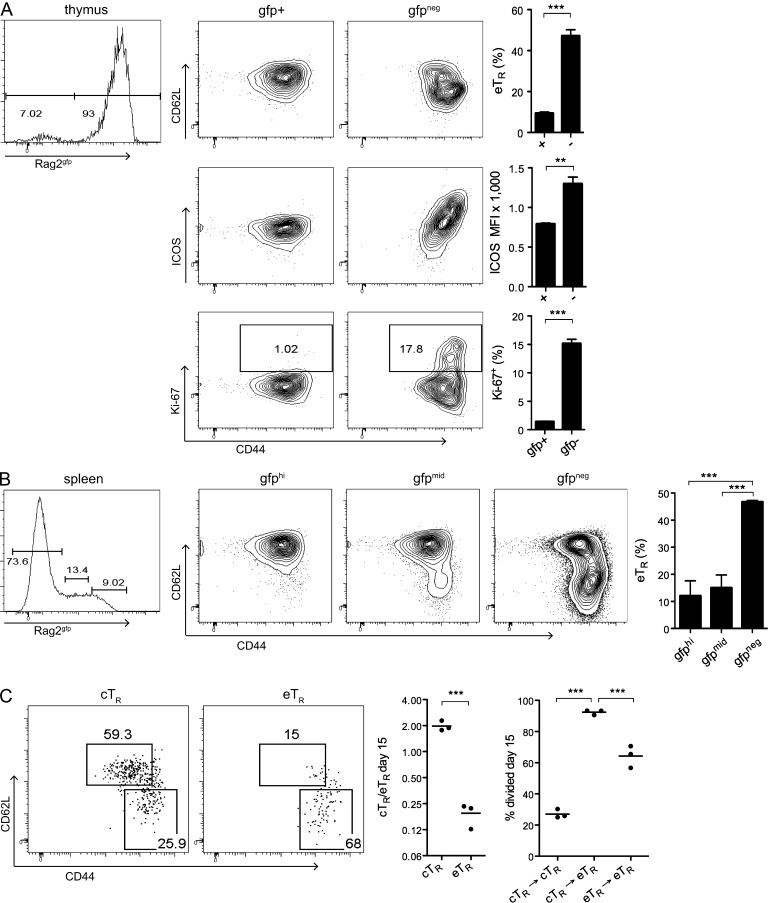
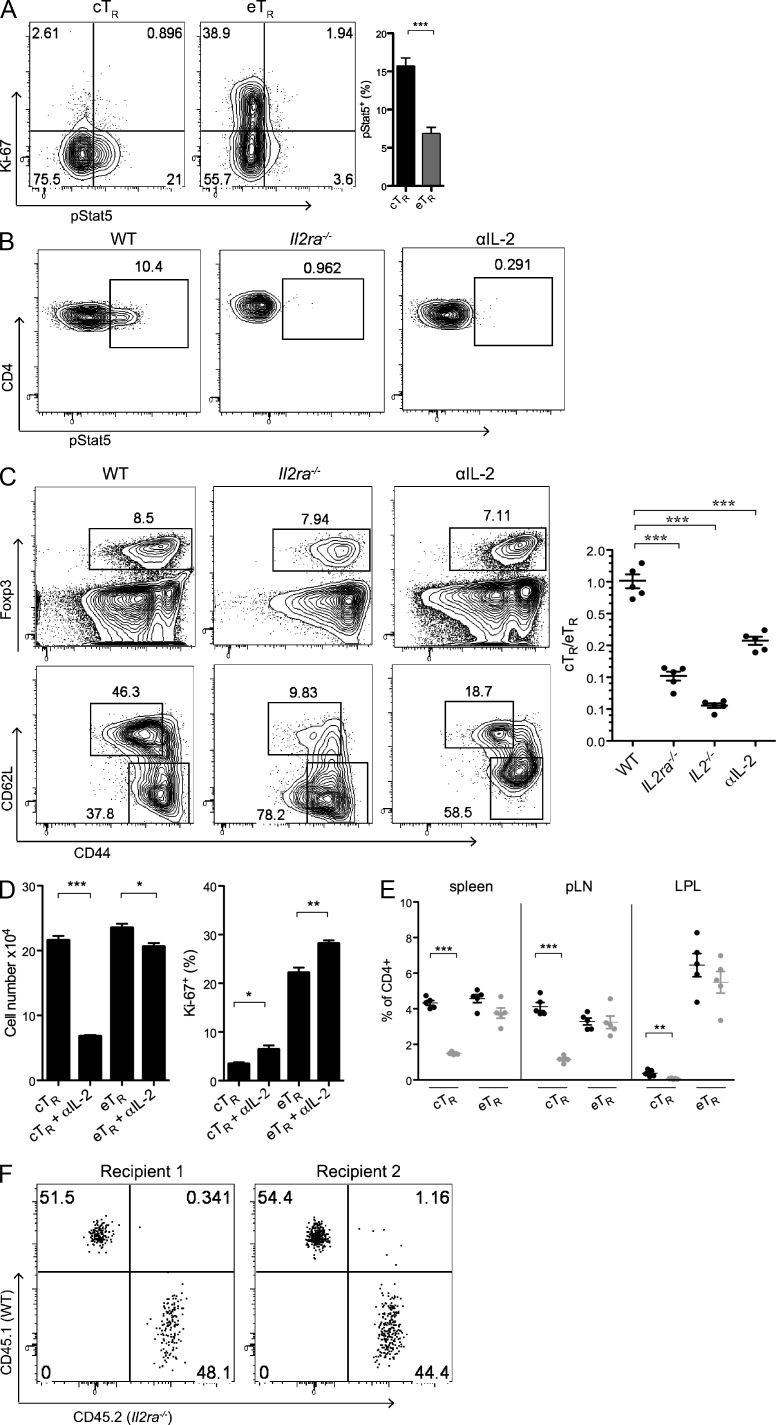
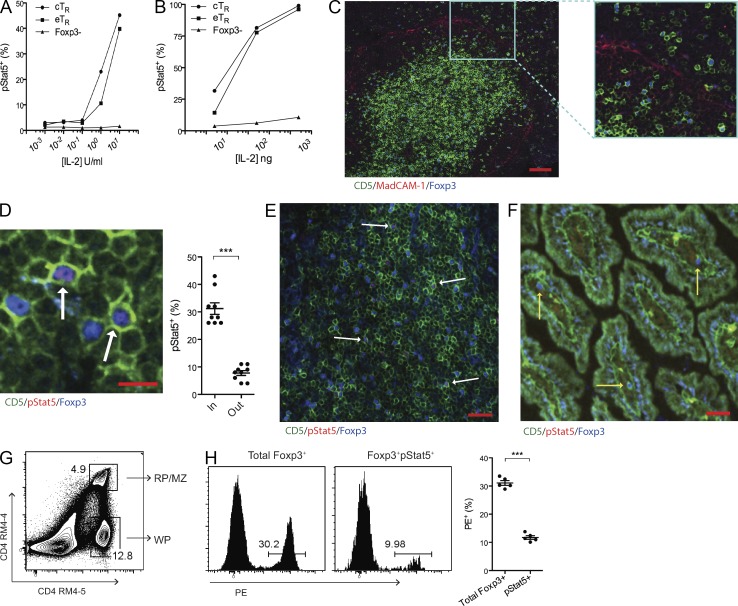
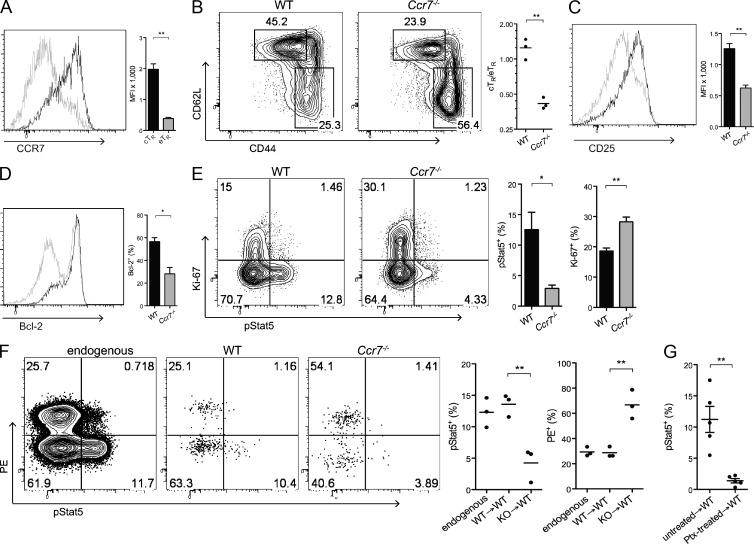
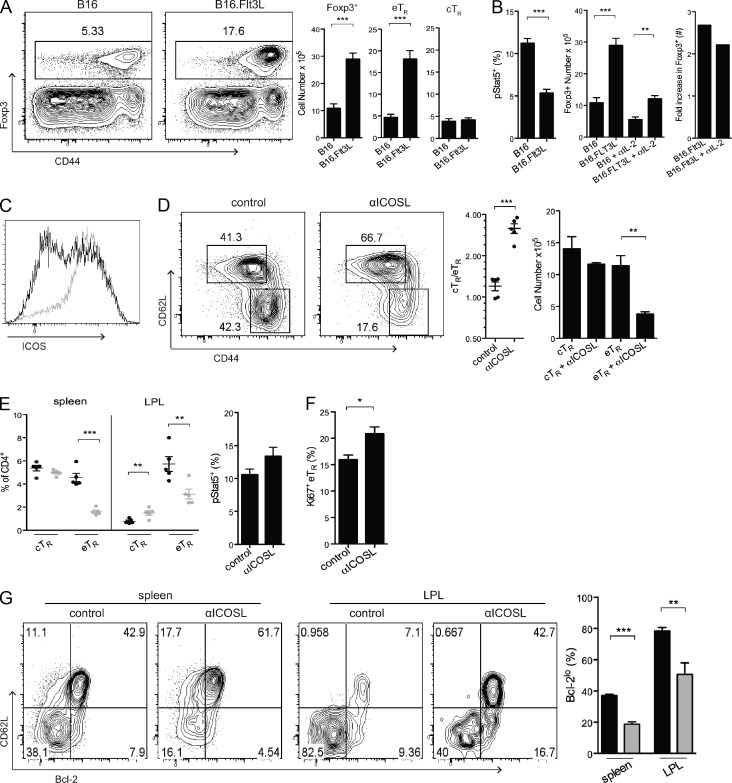
Immune tolerance and activation depend on precise control over the number and function of immunosuppressive Foxp3(+) regulatory T (T reg) cells, and the importance of IL-2 in maintaining tolerance and preventing autoimmunity is clear. However, the homeostatic requirement for IL-2 among specific populations of peripheral T reg cells remains poorly understood. We show that IL-2 selectively maintains a population of quiescent CD44(lo)CD62L(hi) T reg cells that gain access to paracrine IL-2 produced in the T cell zones of secondary lymphoid tissues due to their expression of the chemokine receptor CCR7. In contrast, CD44(hi)CD62L(lo)CCR7(lo) T reg cells that populate nonlymphoid tissues do not access IL-2-prevalent regions in vivo and are insensitive to IL-2 blockade; instead, their maintenance depends on continued signaling through the co-stimulatory receptor ICOS (inducible co-stimulator). Thus, we define a fundamental homeostatic subdivision in T reg cell populations based on their localization and provide an integrated framework for understanding how T reg cell abundance and function are controlled by unique signals in different tissue environments.
免疫耐受和激活依赖于对抑制性 Foxp3(+)调节性 T (Treg)细胞数量和功能的精确控制,IL-2 在维持耐受和预防自身免疫中的重要性是显而易见的。然而,外周 Treg 细胞中特定群体对 IL-2 的稳态需求仍知之甚少。我们表明,IL-2 选择性地维持了一群静止的 CD44(lo)CD62L(hi)Treg 细胞,由于它们表达趋化因子受体 CCR7,这些细胞可以获得次级淋巴组织 T 细胞区产生的旁分泌 IL-2。相比之下,定殖于非淋巴组织的 CD44(hi)CD62L(lo)CCR7(lo)Treg 细胞在体内无法进入富含 IL-2 的区域,对 IL-2 阻断不敏感;相反,它们的维持依赖于共刺激受体 ICOS(诱导共刺激分子)的持续信号传导。因此,我们根据 Treg 细胞的定位定义了 Treg 细胞群体的基本稳态细分,并提供了一个综合框架来理解 Treg 细胞丰度和功能如何在不同的组织环境中受到独特信号的控制。