Department of Physiology and Biophysics, University of Louisville School of Medicine, Louisville, Kentucky, United States of America.
PLoS One. 2013 Dec 26;8(12):e83813. doi: 10.1371/journal.pone.0083813. eCollection 2013.
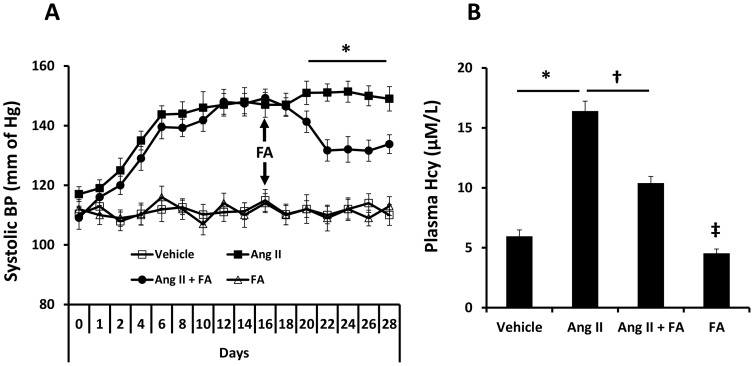
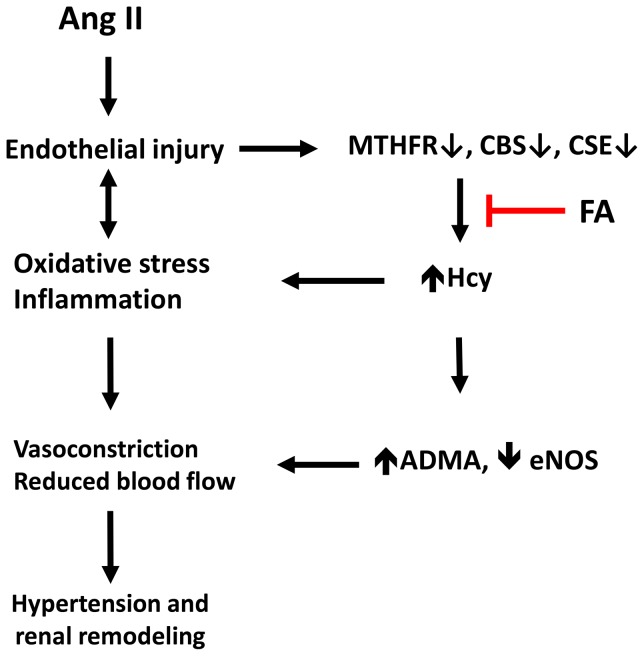
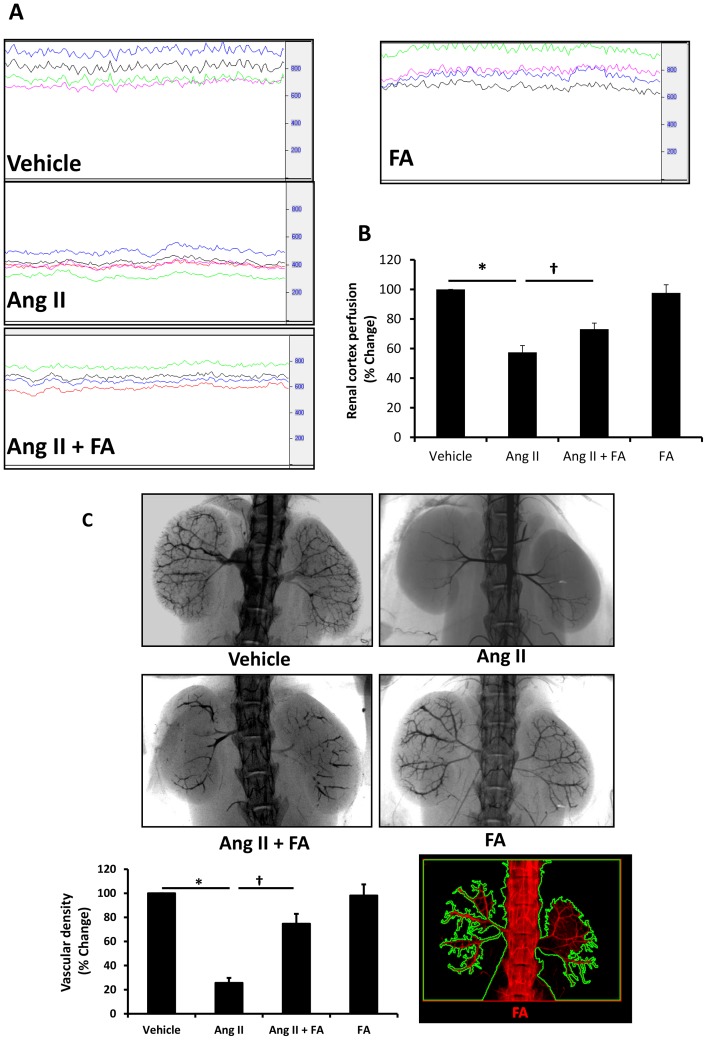
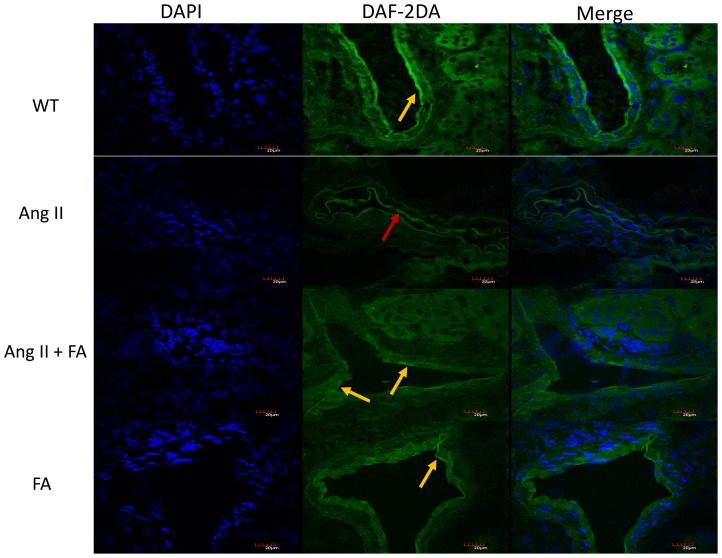
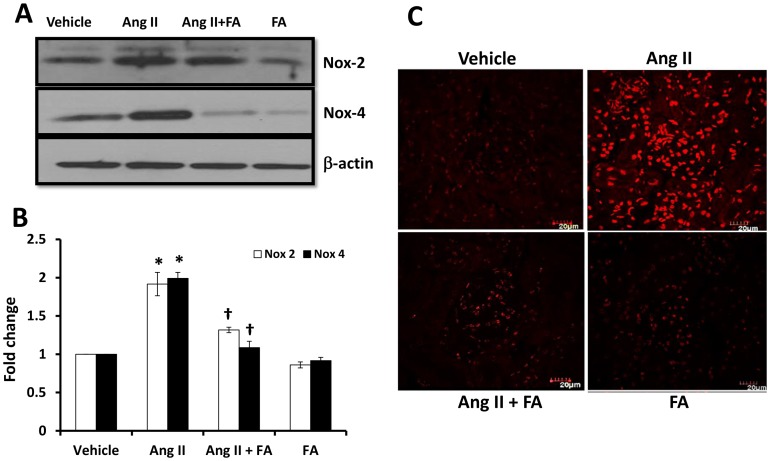
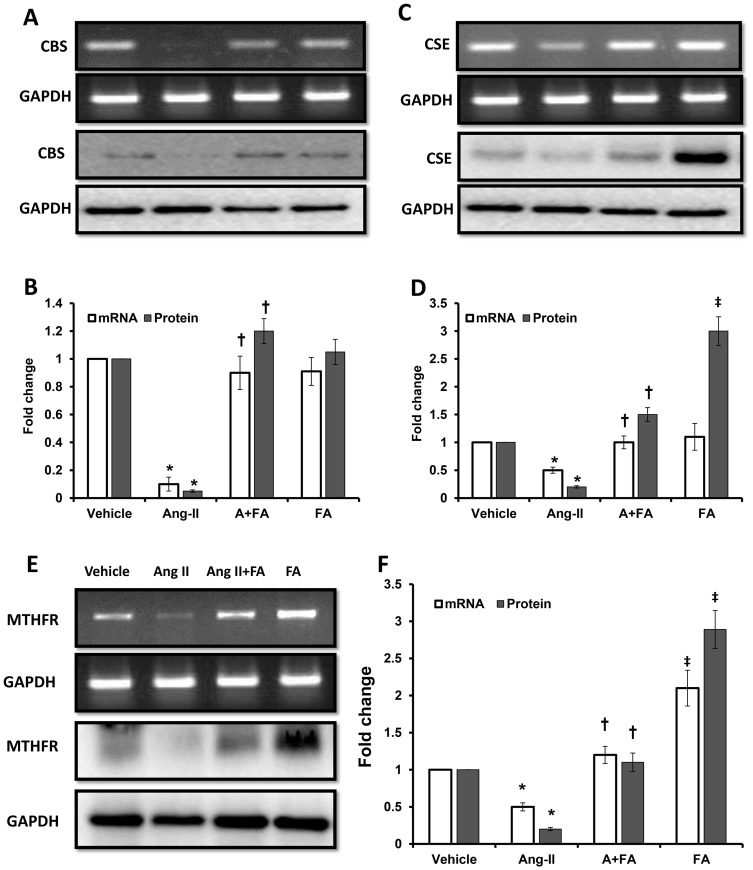
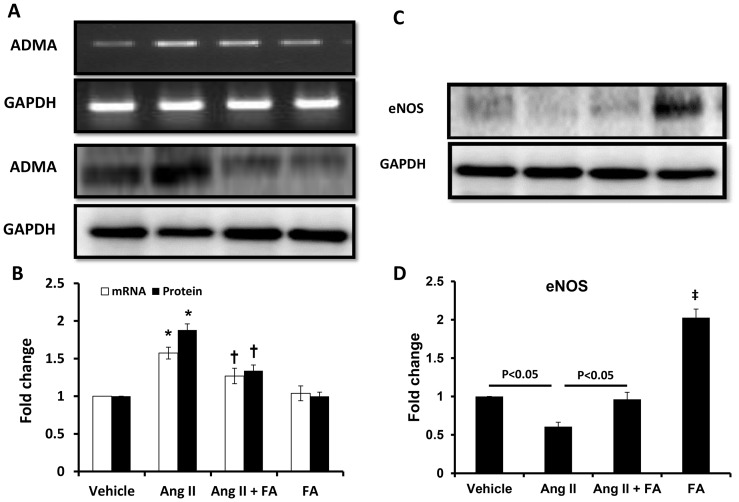
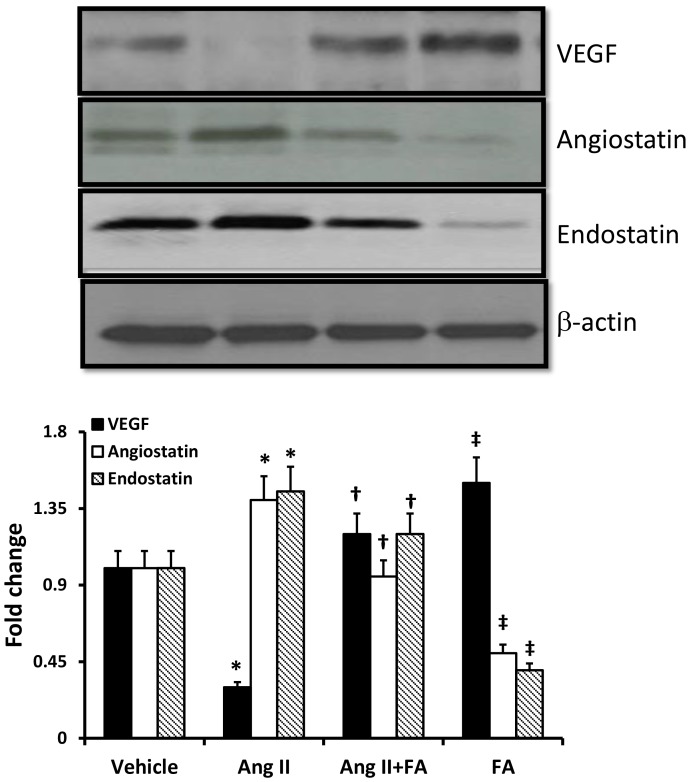
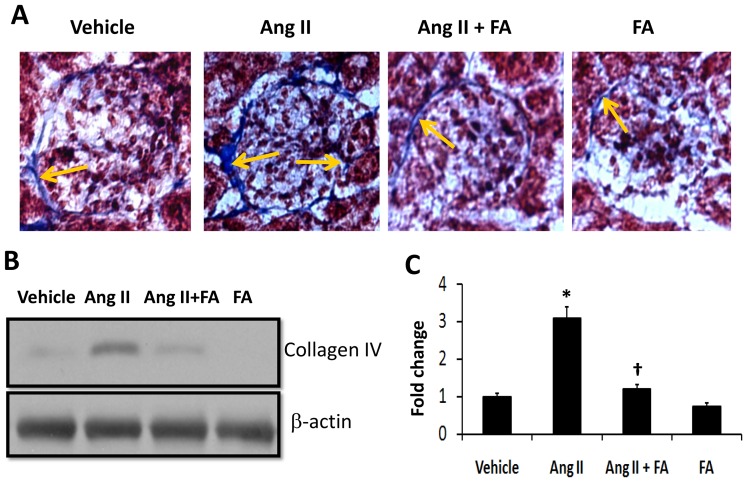
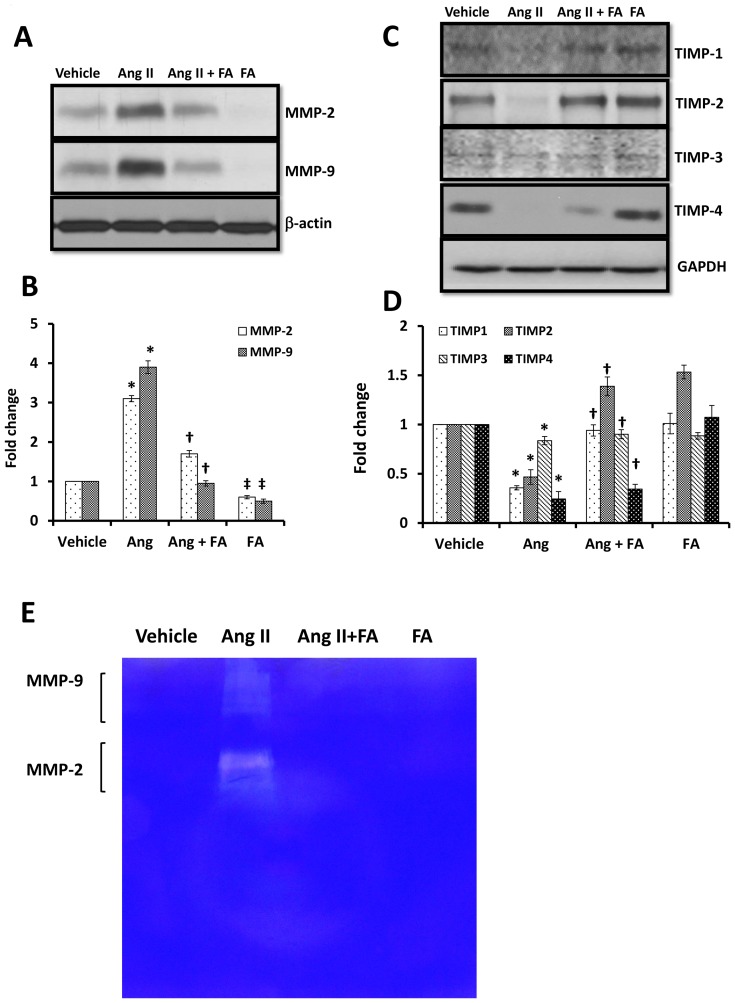
Clinical data suggests an association between systolic hypertension, renal function and hyperhomocysteinemia (HHcy). HHcy is a state of elevated plasma homocysteine (Hcy) levels and is known to cause vascular complications. In this study, we tested the hypothesis whether Ang II-induced hypertension increases plasma Hcy levels and contributes to renovascular remodeling. We also tested whether folic acid (FA) treatment reduces plasma Hcy levels by enhancing Hcy remethylation and thus mitigating renal remodeling. Hypertension was induced in WT mice by infusing Ang II using Alzet mini osmotic pumps. Blood pressure, Hcy level, renal vascular density, oxidative stress, inflammation and fibrosis markers, and angiogenic- and anti-angiogenic factors were measured. Ang II hypertension increased plasma Hcy levels and reduced renal cortical blood flow and microvascular density. Elevated Hcy in Ang II hypertension was associated with decreased 4, 5-Diaminofluorescein (DAF-2DA) staining suggesting impaired endothelial function. Increased expression of Nox-2, -4 and dihydroethidium stain revealed oxidative stress. Excess collagen IV deposition in the peri-glomerular area and increased MMP-2, and -9 expression and activity indicated renal remodeling. The mRNA and protein expression of asymmetric dimethylarginine (ADMA) was increased and eNOS protein was decreased suggesting the involvement of this pathway in Hcy mediated hypertension. Decreased expressions of VEGF and increased anti-angiogenic factors, angiostatin and endostatin indicated impaired vasculogenesis. FA treatment partially reduced hypertension by mitigating HHcy in Ang II-treated animals and alleviated pro-inflammatory, pro-fibrotic and anti-angiogenic factors. These results suggest that renovascular remodeling in Ang II-induced hypertension is, in part, due to HHcy.
临床数据表明,收缩期高血压、肾功能和高同型半胱氨酸血症(HHcy)之间存在关联。HHcy 是一种血浆同型半胱氨酸(Hcy)水平升高的状态,已知会导致血管并发症。在这项研究中,我们检验了以下假设:血管紧张素 II(Ang II)诱导的高血压是否会增加血浆 Hcy 水平,并导致肾血管重塑。我们还检验了叶酸(FA)治疗是否通过增强 Hcy 再甲基化从而降低血浆 Hcy 水平,从而减轻肾重塑。通过 Alzet 迷你渗透泵输注 Ang II 在 WT 小鼠中诱导高血压。测量血压、Hcy 水平、肾血管密度、氧化应激、炎症和纤维化标志物、血管生成和抗血管生成因子。Ang II 高血压增加了血浆 Hcy 水平,并降低了肾皮质血流量和微血管密度。Ang II 高血压中升高的 Hcy 与减少 4、5-二氨基荧光素(DAF-2DA)染色有关,表明内皮功能受损。Nox-2、-4 和二氢乙啶染色增加表明氧化应激。肾小球周围区域胶原 IV 沉积增加,MMP-2 和 -9 表达和活性增加表明肾重塑。不对称二甲基精氨酸(ADMA)的 mRNA 和蛋白表达增加,eNOS 蛋白减少,表明该途径参与了 Hcy 介导的高血压。VEGF 表达减少和抗血管生成因子血管抑素和内皮抑素增加表明血管发生受损。FA 治疗部分通过减轻 Ang II 治疗动物的 HHcy 来减轻高血压,并缓解促炎、促纤维化和抗血管生成因子。这些结果表明,Ang II 诱导的高血压中的肾血管重塑部分是由于 HHcy 所致。