Horak Peter, Tomasich Erwin, Vaňhara Petr, Kratochvílová Kateřina, Anees Mariam, Marhold Maximilian, Lemberger Christof E, Gerschpacher Marion, Horvat Reinhard, Sibilia Maria, Pils Dietmar, Krainer Michael
Division of Oncology, Department of Internal Medicine I and Comprehensive Cancer Center Medical University of Vienna, Austria.
Department of Histology and Embryology, Faculty of Medicine, Masaryk University Brno, Czech Republic.
Sci Rep. 2014 Jan 17;4:3739. doi: 10.1038/srep03739.
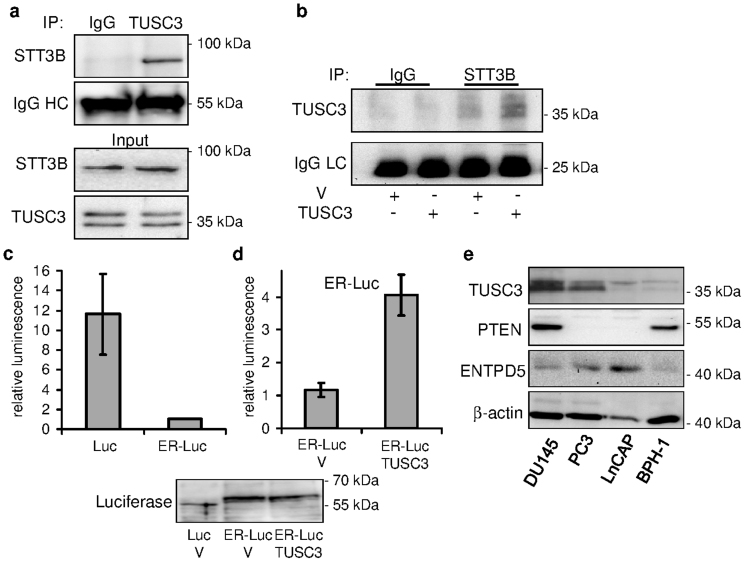
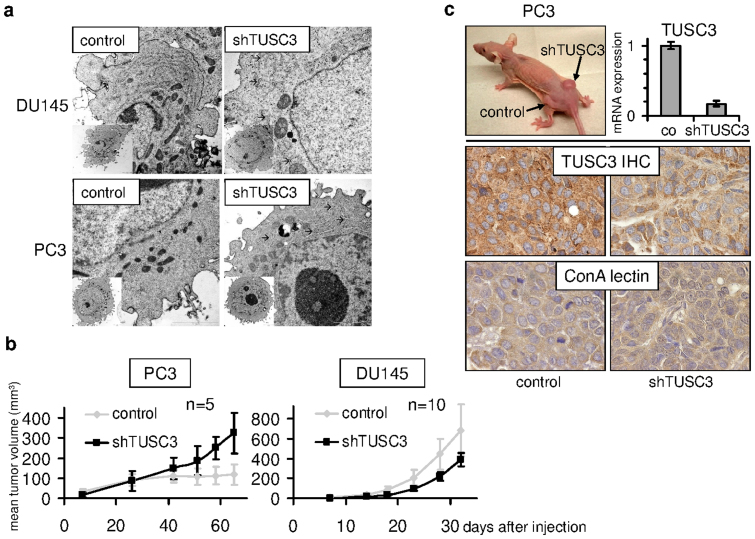
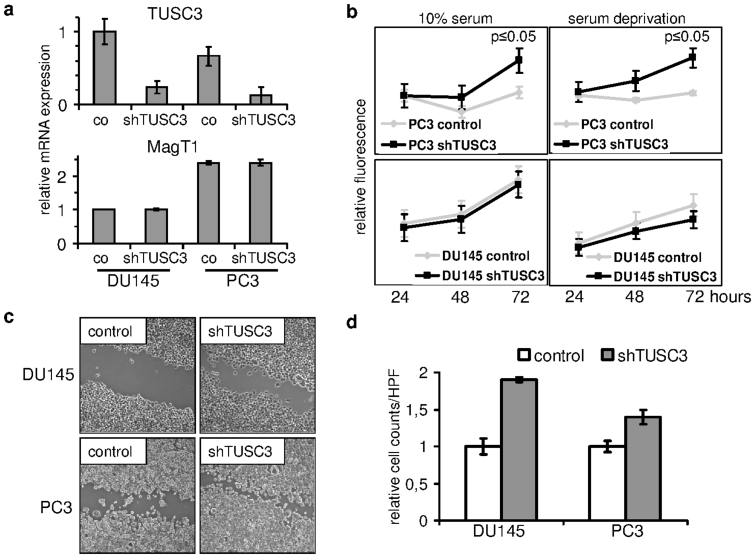
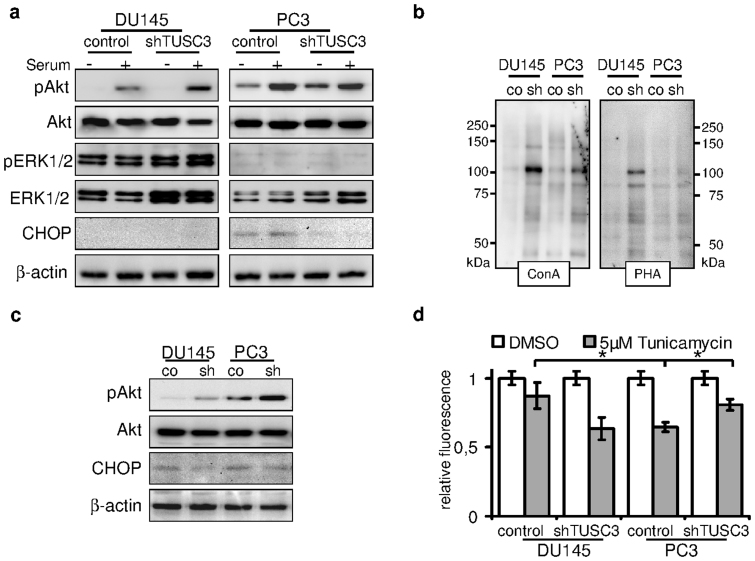
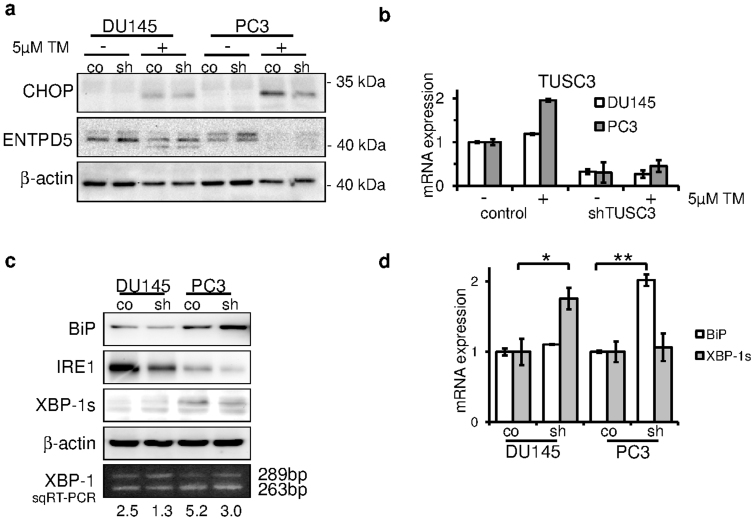
Prostate cancer is the most prevalent cancer in males in developed countries. Tumor suppressor candidate 3 (TUSC3) has been identified as a putative tumor suppressor gene in prostate cancer, though its function has not been characterized. TUSC3 shares homologies with the yeast oligosaccharyltransferase (OST) complex subunit Ost3p, suggesting a role in protein glycosylation. We provide evidence that TUSC3 is part of the OST complex and affects N-linked glycosylation in mammalian cells. Loss of TUSC3 expression in DU145 and PC3 prostate cancer cell lines leads to increased proliferation, migration and invasion as well as accelerated xenograft growth in a PTEN negative background. TUSC3 downregulation also affects endoplasmic reticulum (ER) structure and stress response, which results in increased Akt signaling. Together, our findings provide first mechanistic insight in TUSC3 function in prostate carcinogenesis in general and N-glycosylation in particular.
前列腺癌是发达国家男性中最常见的癌症。肿瘤抑制候选基因3(TUSC3)已被确定为前列腺癌中的一种假定肿瘤抑制基因,但其功能尚未明确。TUSC3与酵母寡糖基转移酶(OST)复合物亚基Ost3p具有同源性,提示其在蛋白质糖基化中发挥作用。我们提供的证据表明,TUSC3是OST复合物的一部分,并影响哺乳动物细胞中的N-连接糖基化。在DU145和PC3前列腺癌细胞系中,TUSC3表达缺失导致增殖、迁移和侵袭增加,以及在PTEN阴性背景下异种移植瘤生长加速。TUSC3下调还会影响内质网(ER)结构和应激反应,从而导致Akt信号传导增加。总之,我们的研究结果首次对TUSC3在前列腺癌发生过程中的功能,特别是在N-糖基化中的作用机制提供了见解。