The Vera Moulton Wall Center for Pulmonary Vascular Disease, 2 Department of Pediatrics, 3 Department of Surgery, 4 Department of Microbiology and Immunology, 5 Department of Medicine, and 6 Cardiovascular Institute, Stanford University School of Medicine, Stanford, CA 94305.
J Exp Med. 2014 Feb 10;211(2):263-80. doi: 10.1084/jem.20111741. Epub 2014 Jan 20.
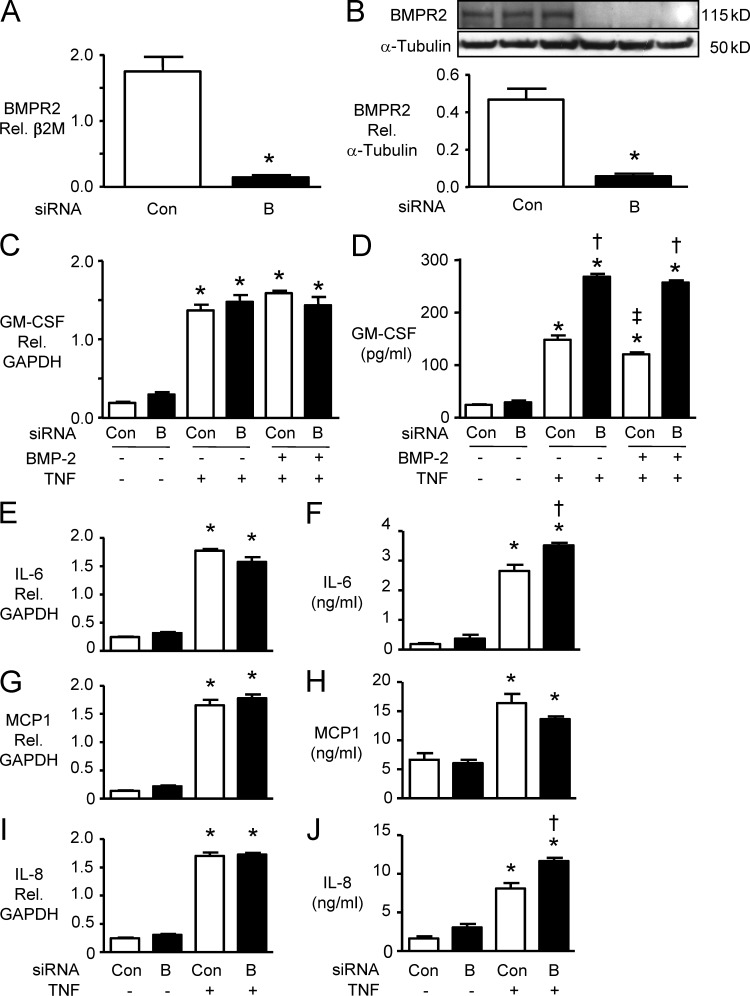
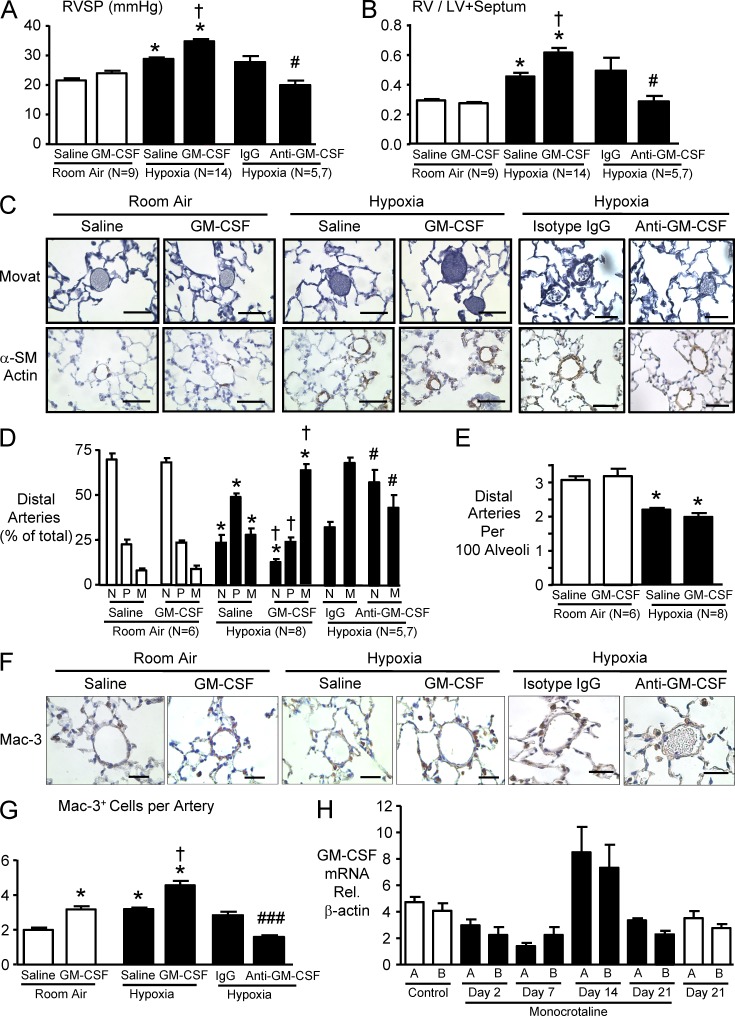
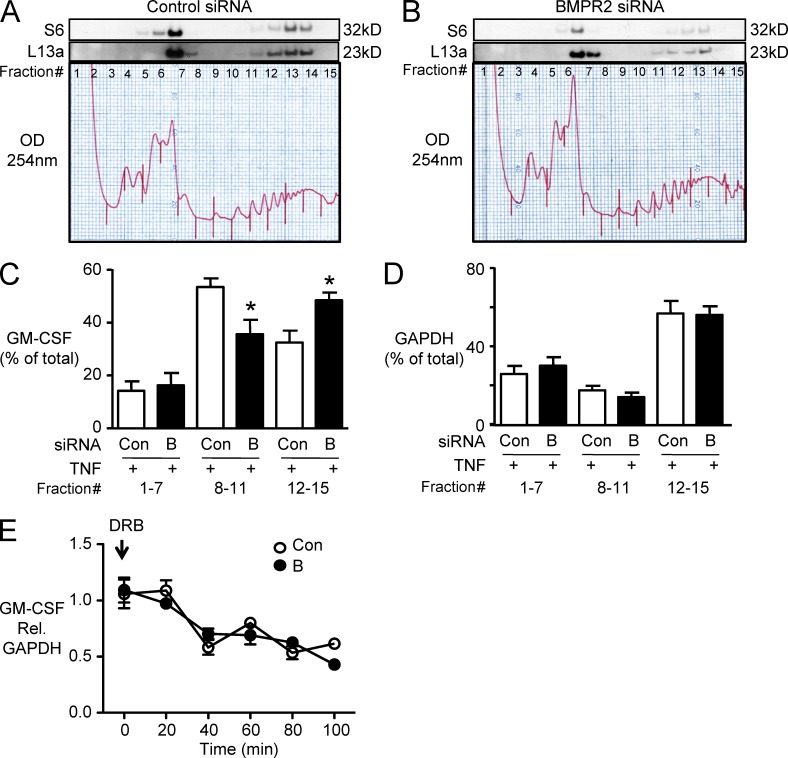
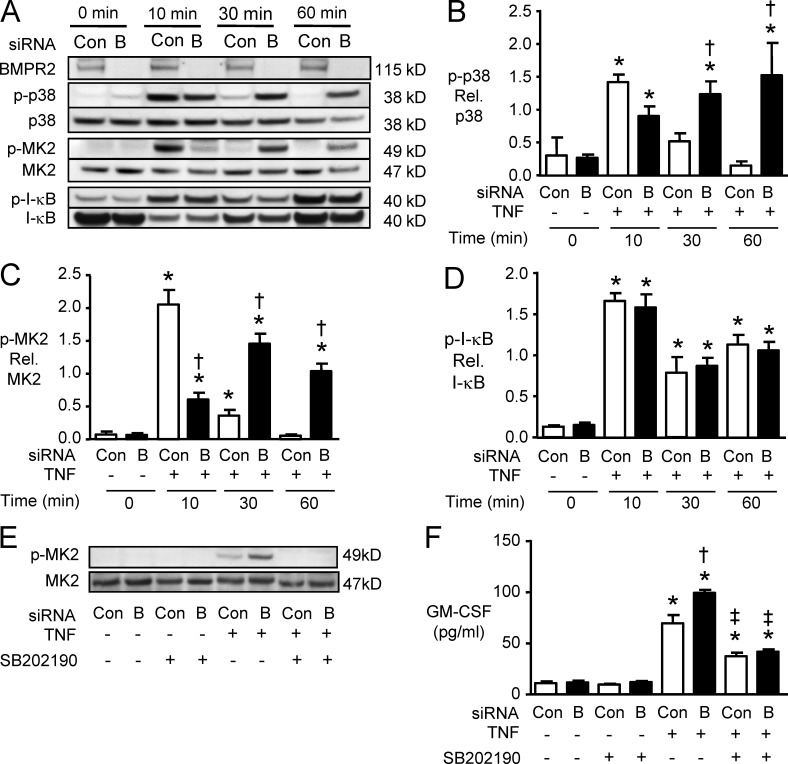
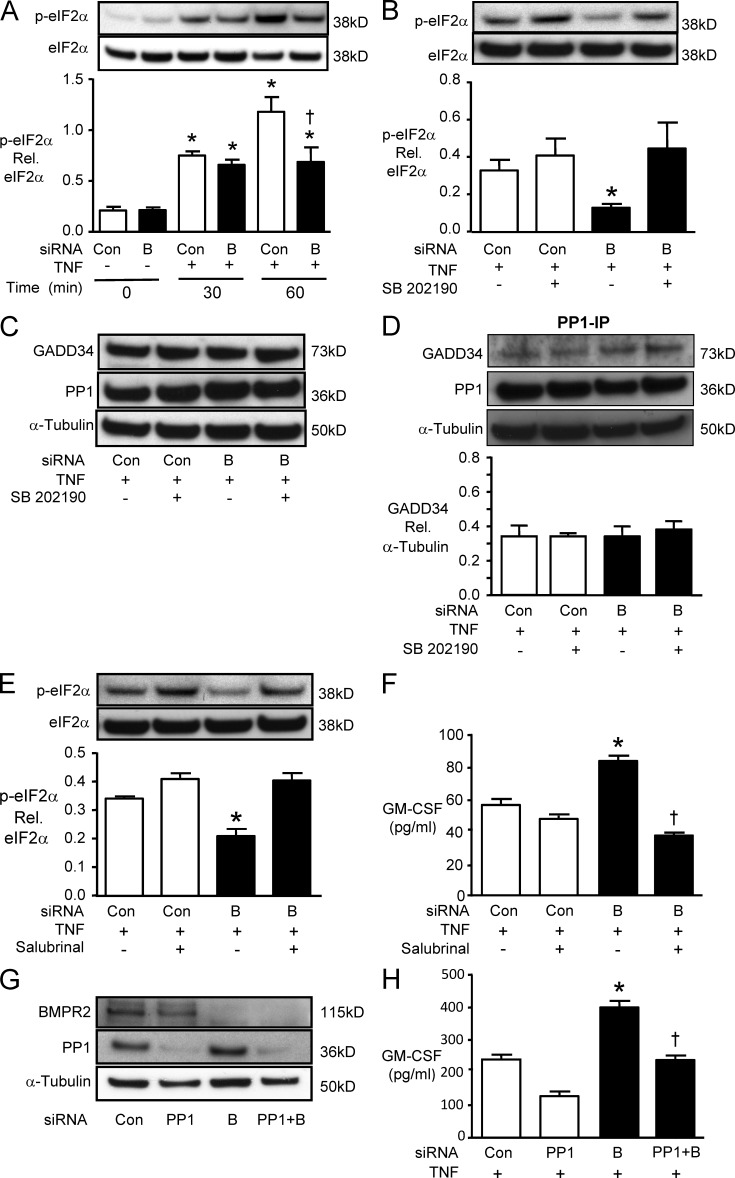
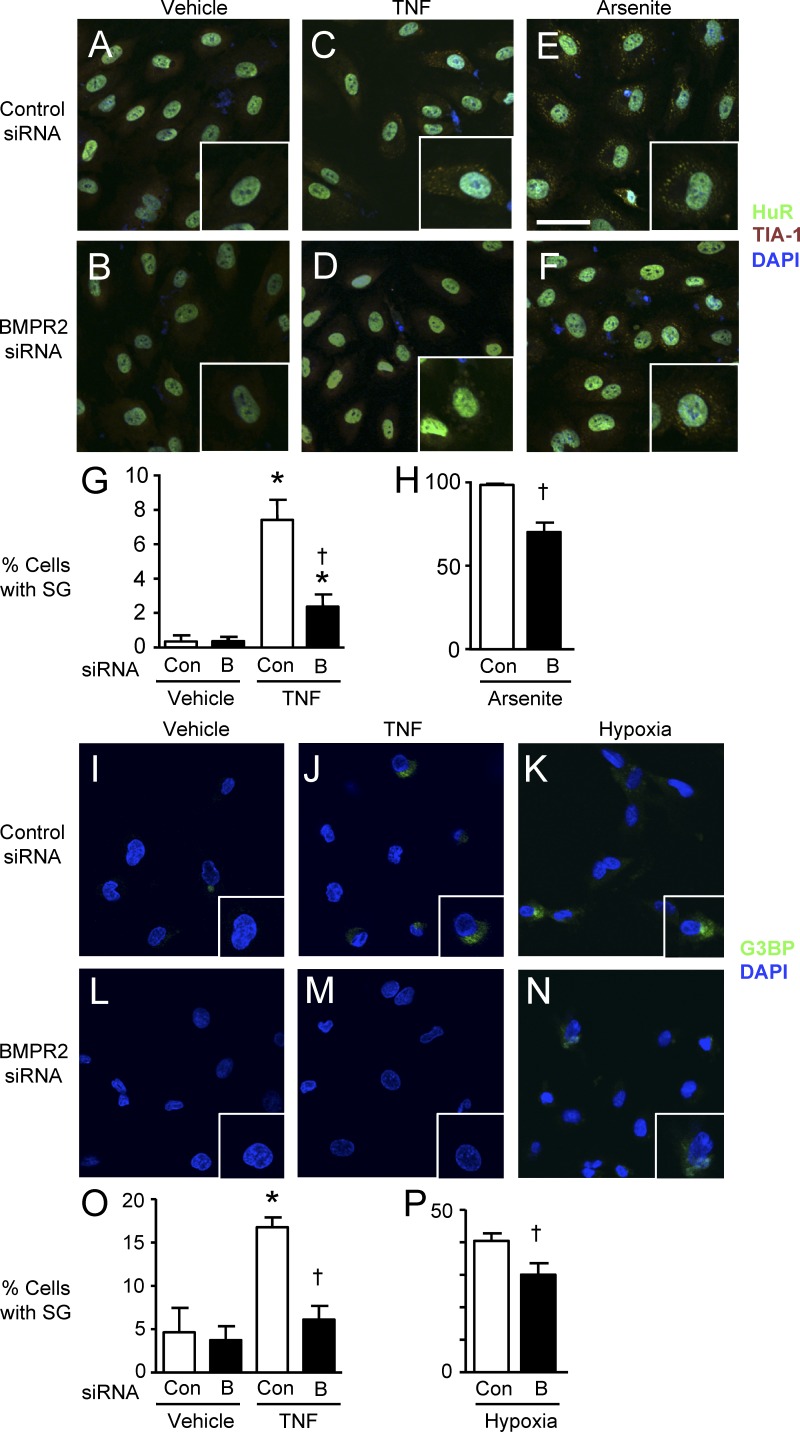
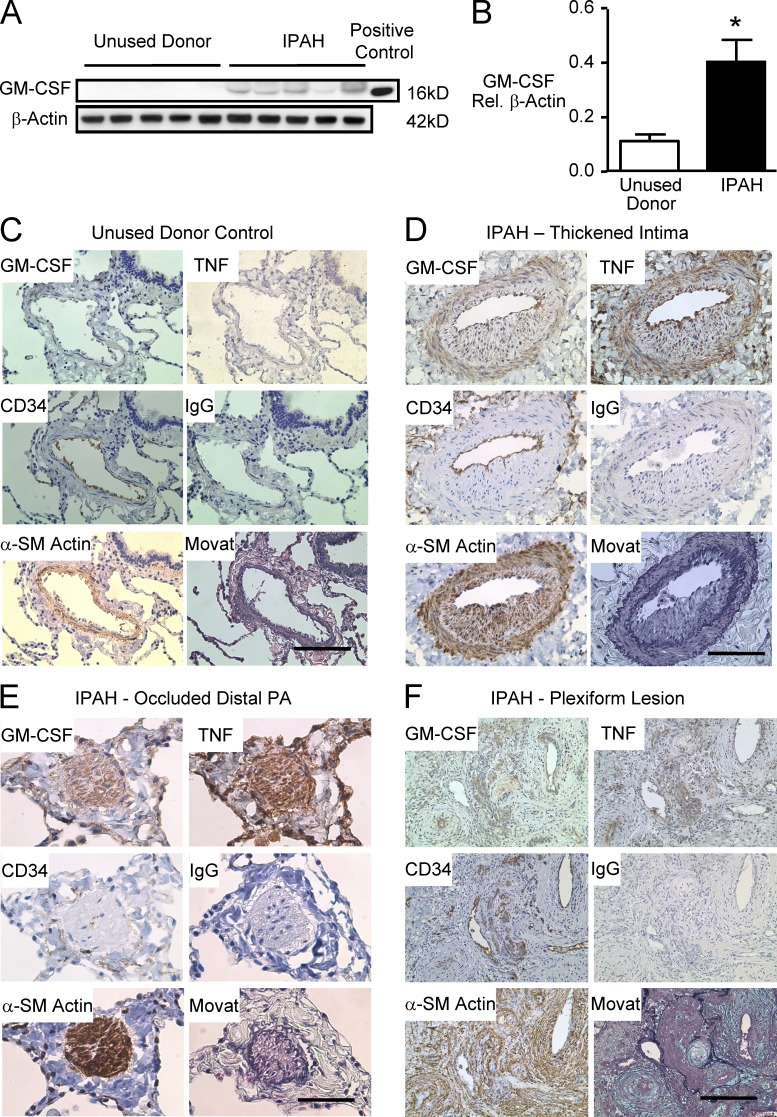
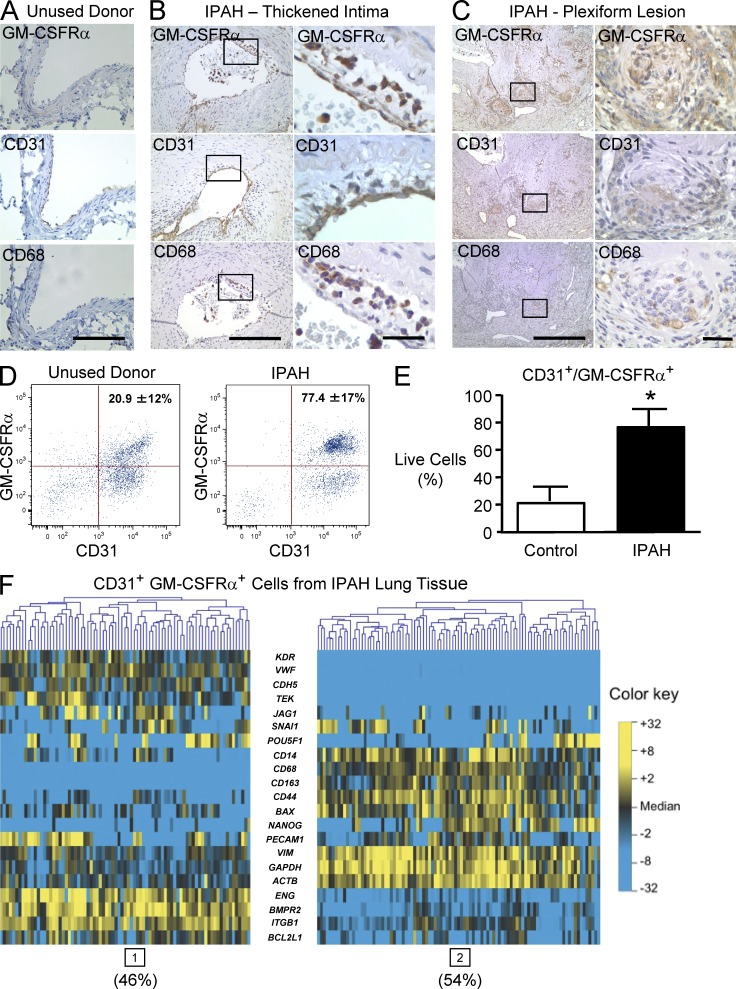
Idiopathic pulmonary arterial hypertension (PAH [IPAH]) is an insidious and potentially fatal disease linked to a mutation or reduced expression of bone morphogenetic protein receptor 2 (BMPR2). Because intravascular inflammatory cells are recruited in IPAH pathogenesis, we hypothesized that reduced BMPR2 enhances production of the potent chemokine granulocyte macrophage colony-stimulating factor (GM-CSF) in response to an inflammatory perturbation. When human pulmonary artery (PA) endothelial cells deficient in BMPR2 were stimulated with tumor necrosis factor (TNF), a twofold increase in GM-CSF was observed and related to enhanced messenger RNA (mRNA) translation. The mechanism was associated with disruption of stress granule formation. Specifically, loss of BMPR2 induced prolonged phospho-p38 mitogen-activated protein kinase (MAPK) in response to TNF, and this increased GADD34-PP1 phosphatase activity, dephosphorylating eukaryotic translation initiation factor (eIF2α), and derepressing GM-CSF mRNA translation. Lungs from IPAH patients versus unused donor controls revealed heightened PA expression of GM-CSF co-distributing with increased TNF and expanded populations of hematopoietic and endothelial GM-CSF receptor α (GM-CSFRα)-positive cells. Moreover, a 3-wk infusion of GM-CSF in mice increased hypoxia-induced PAH, in association with increased perivascular macrophages and muscularized distal arteries, whereas blockade of GM-CSF repressed these features. Thus, reduced BMPR2 can subvert a stress granule response, heighten GM-CSF mRNA translation, increase inflammatory cell recruitment, and exacerbate PAH.
特发性肺动脉高压(PAH [IPAH])是一种隐匿性且可能致命的疾病,与骨形态发生蛋白受体 2(BMPR2)的突变或表达减少有关。由于在 IPAH 发病机制中招募了血管内炎症细胞,我们假设减少的 BMPR2 增强了对炎症扰动的强烈趋化因子粒细胞巨噬细胞集落刺激因子(GM-CSF)的产生。当缺乏 BMPR2 的人肺动脉(PA)内皮细胞受到肿瘤坏死因子(TNF)刺激时,观察到 GM-CSF 增加了两倍,这与信使 RNA(mRNA)翻译增强有关。该机制与应激颗粒形成的破坏有关。具体来说,BMPR2 的丧失导致 TNF 反应中延长的磷酸化 p38 丝裂原活化蛋白激酶(MAPK),这增加了 GADD34-PP1 磷酸酶活性,去磷酸化真核翻译起始因子(eIF2α),并解除 GM-CSF mRNA 翻译的抑制。与未使用的供体对照相比,IPAH 患者的肺中显示出 GM-CSF 的 PA 表达增加,与 TNF 的增加以及造血和内皮 GM-CSF 受体α(GM-CSFRα)阳性细胞的扩展群体共分布。此外,GM-CSF 在小鼠中的 3 周输注增加了缺氧诱导的 PAH,与血管周围巨噬细胞和肌化的远端动脉增加有关,而 GM-CSF 的阻断抑制了这些特征。因此,减少的 BMPR2 可以颠覆应激颗粒反应,增加 GM-CSF mRNA 翻译,增加炎症细胞募集,并加重 PAH。