Saraswat Mayank, Musante Luca, Ravidá Alessandra, Shortt Brian, Byrne Barry, Holthofer Harry
Centre for Bioanalytical Sciences (CBAS), Dublin City University (DCU), Dublin 9, Ireland.
Biomed Res Int. 2013;2013:312709. doi: 10.1155/2013/312709. Epub 2013 Dec 17.
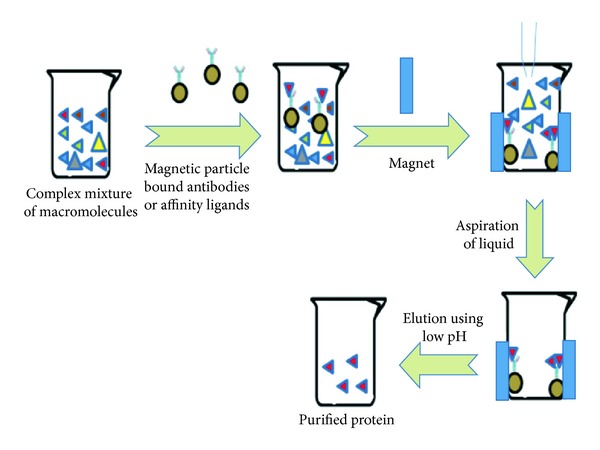
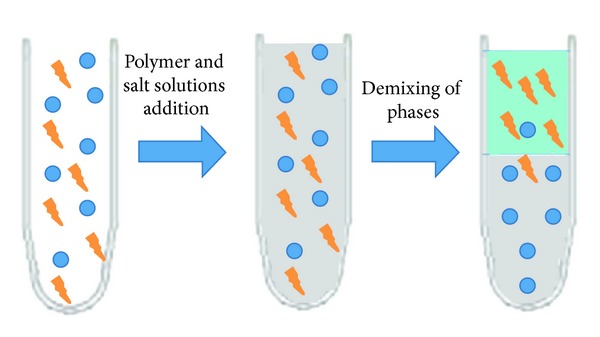
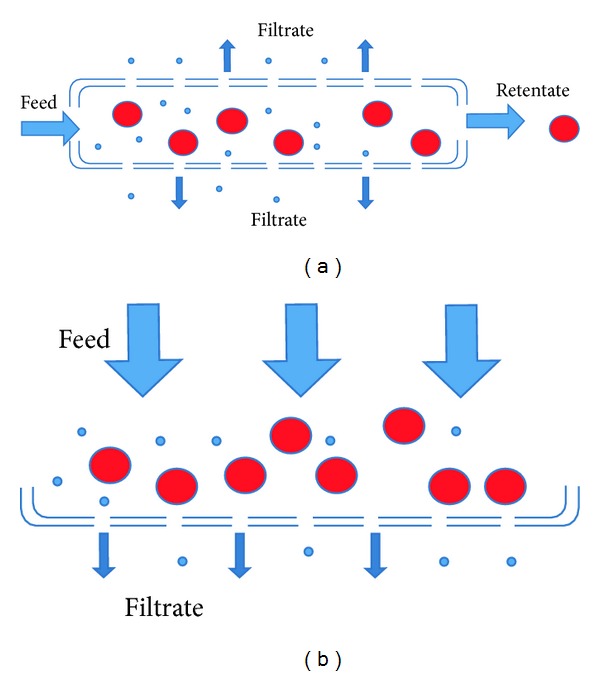
Advances in fermentation technologies have resulted in the production of increased yields of proteins of economic, biopharmaceutical, and medicinal importance. Consequently, there is an absolute requirement for the development of rapid, cost-effective methodologies which facilitate the purification of such products in the absence of contaminants, such as superfluous proteins and endotoxins. Here, we provide a comprehensive overview of a selection of key purification methodologies currently being applied in both academic and industrial settings and discuss how innovative and effective protocols such as aqueous two-phase partitioning, membrane chromatography, and high-performance tangential flow filtration may be applied independently of or in conjunction with more traditional protocols for downstream processing applications.
发酵技术的进步已使具有经济、生物制药和医学重要性的蛋白质产量增加。因此,绝对需要开发快速、具有成本效益的方法,以便在不存在诸如多余蛋白质和内毒素等污染物的情况下促进此类产品的纯化。在此,我们全面概述了目前在学术和工业环境中应用的一系列关键纯化方法,并讨论了诸如双水相分配、膜色谱和高效切向流过滤等创新且有效的方案如何可独立应用或与更传统的下游加工方案结合使用。