Yao Qiaofeng, Luo Zhentao, Yuan Xun, Yu Yue, Zhang Chao, Xie Jianping, Lee Jim Yang
Department of Chemical and Biomolecular Engineering, National University of Singapore, 10 Kent Ridge Crescent, Singapore 119260.
Sci Rep. 2014 Jan 24;4:3848. doi: 10.1038/srep03848.
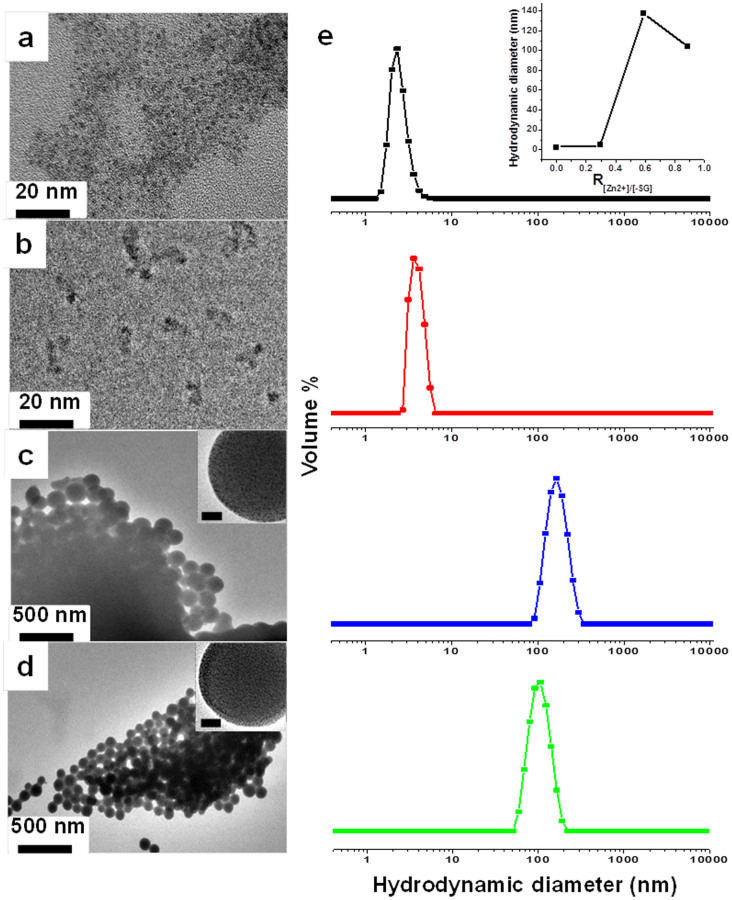
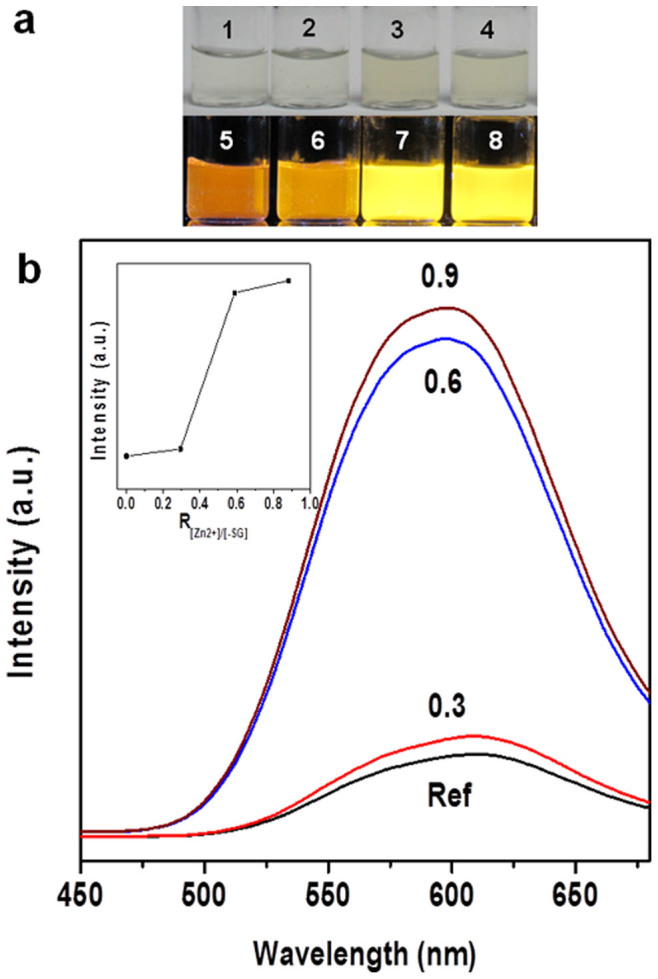
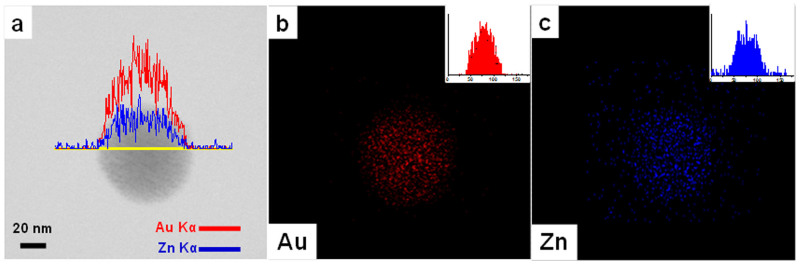
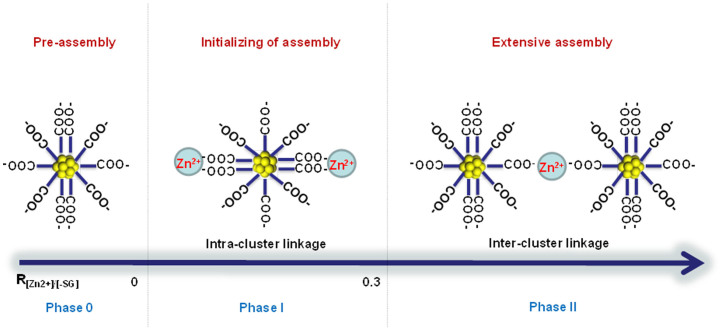
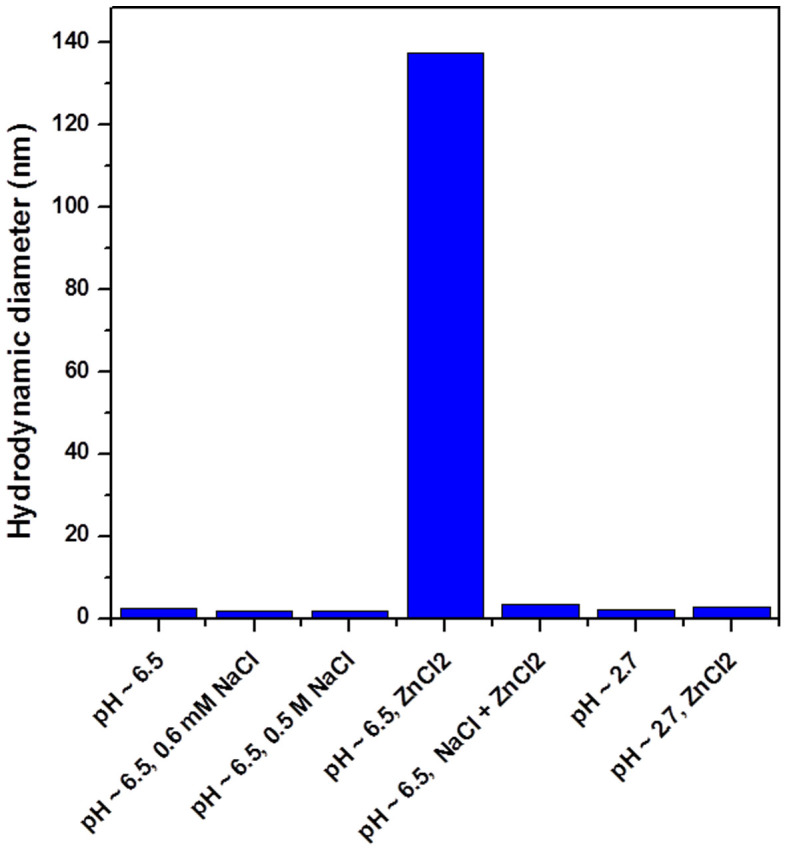
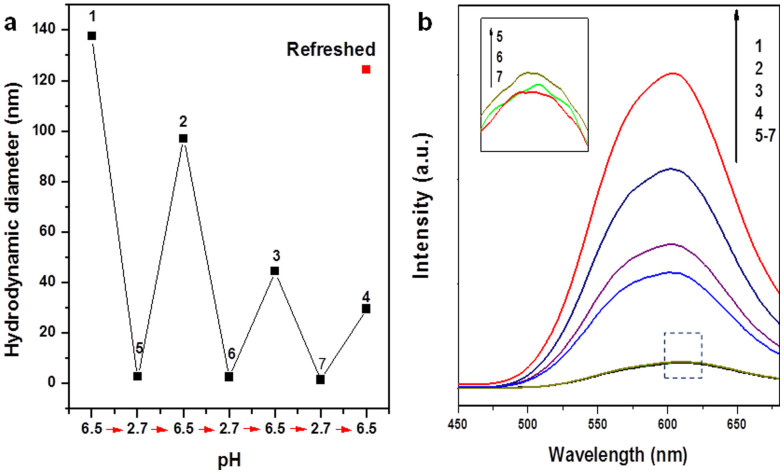
The assembly of ultrasmall metal nanoclusters (NCs) is of interest to both basic and applied research as it facilitates the determination of cluster structures and the customization of cluster physicochemical properties. Here we present a facile and general approach to assemble noble metal NCs by selectively inducing electrostatic interactions between negatively-charged metal NCs and divalent cations. The charged metal NCs, which have well-defined sizes, charges and structures; and behave similarly to multivalent anions, can be considered as nanoions. These nanoions exhibit step-like assembly behavior when interacting with the counter cations - assembly only occurs when the solubility product (Ksp) between the carboxylate ions on the NC surface and the divalent cations is exceeded. The assembly here is distinctively different from the random aggregation of colloidal particles by counter ions. The nanoions would assemble into fractal-like monodisperse spherical particles with a high order of regularity that mimic the assembly of ionic crystals.
超小金属纳米团簇(NCs)的组装在基础研究和应用研究中都备受关注,因为它有助于确定团簇结构并定制团簇的物理化学性质。在此,我们提出一种简便通用的方法,通过选择性地诱导带负电荷的金属纳米团簇与二价阳离子之间的静电相互作用来组装贵金属纳米团簇。带电的金属纳米团簇具有明确的尺寸、电荷和结构,并且表现得类似于多价阴离子,可被视为纳米离子。当这些纳米离子与抗衡阳离子相互作用时,会呈现出阶梯状组装行为——只有当纳米团簇表面的羧酸根离子与二价阳离子之间的溶度积(Ksp)被超过时,组装才会发生。此处的组装与抗衡离子导致的胶体颗粒随机聚集明显不同。这些纳米离子会组装成具有高度规则性的分形状单分散球形颗粒,类似于离子晶体的组装。