Drug Safety Evaluation, Research and Development, Bristol-Myers Squibb, Princeton, NJ, USA,
Diabetes Ther. 2014 Jun;5(1):73-96. doi: 10.1007/s13300-014-0053-3. Epub 2014 Jan 29.
Dapagliflozin is a selective inhibitor of the sodium-glucose co-transporter 2 (SGLT2) that increases urinary glucose excretion to reduce hyperglycemia in the treatment of type 2 diabetes mellitus. A robust carcinogenicity risk assessment was undertaken to assess the chronic safety of dapagliflozin and SGLT2 inhibition.
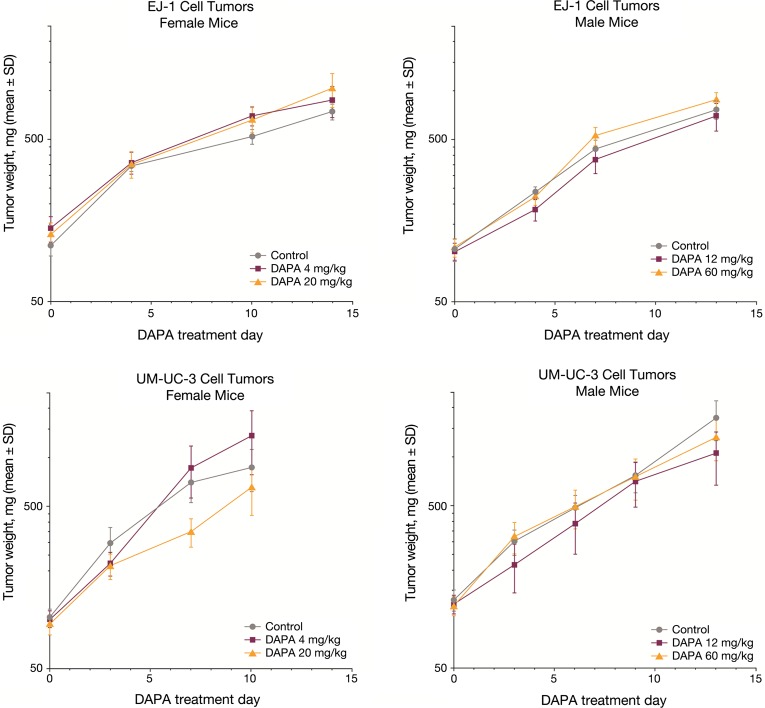
Genotoxicity potential of dapagliflozin and its metabolites was assessed in silico, in vitro, and in vivo. Dapagliflozin was administered daily by oral gavage to mice, rats, and dogs to evaluate carcinogenicity risks, including the potential for tumor promotion. SGLT2(-/-) mice were observed to evaluate the effects of chronic glucosuria. The effects of dapagliflozin and increased glucose levels on a panel of human bladder transitional cell carcinoma (TCC) cell lines were also evaluated in vitro and in an in vivo xenograft model.
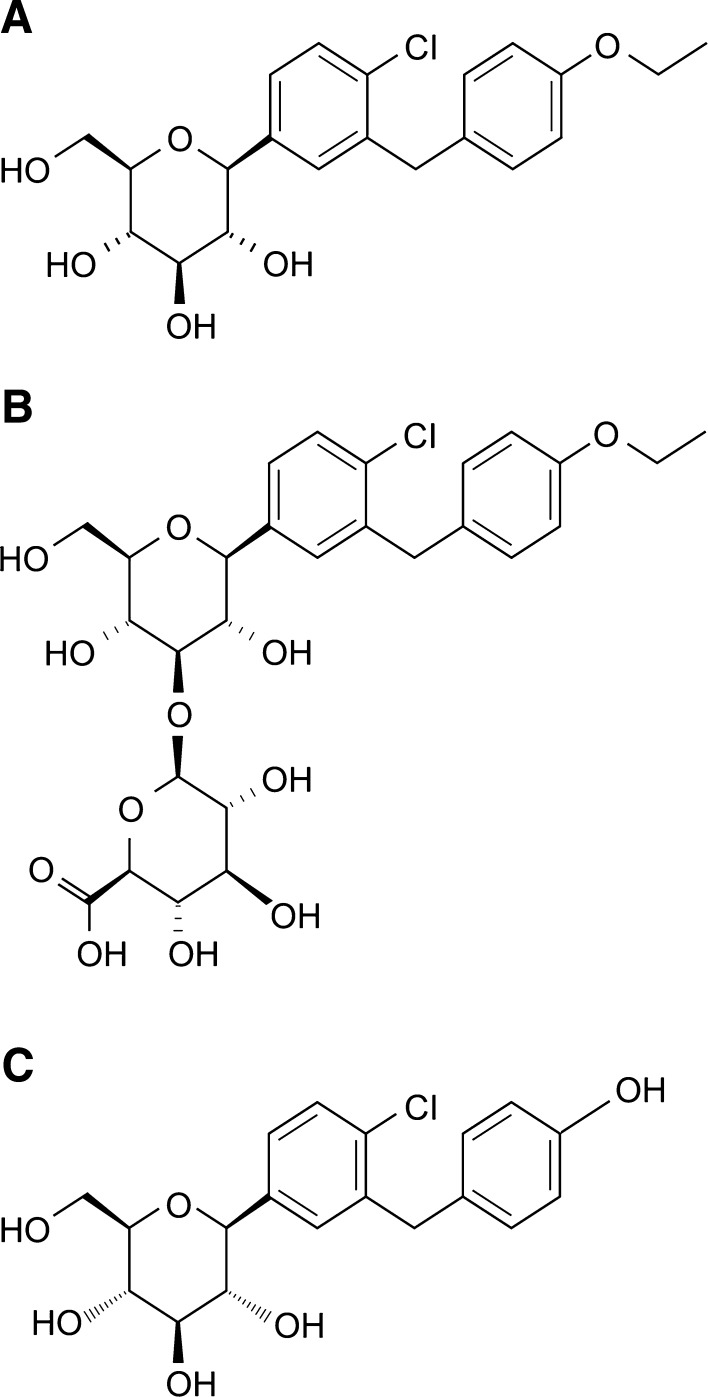
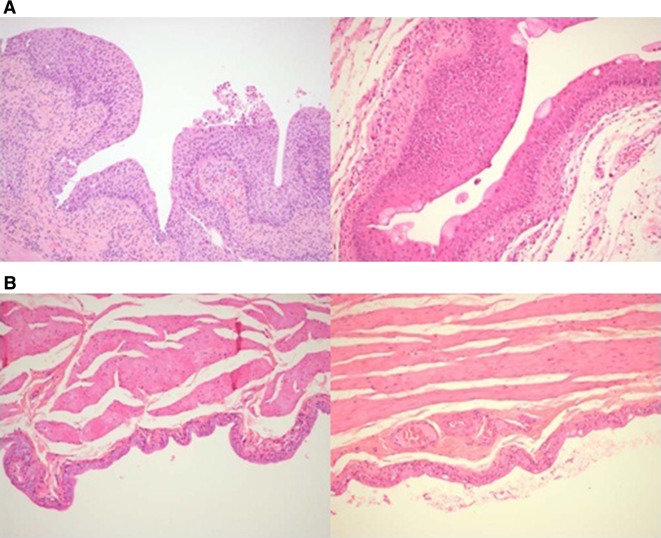
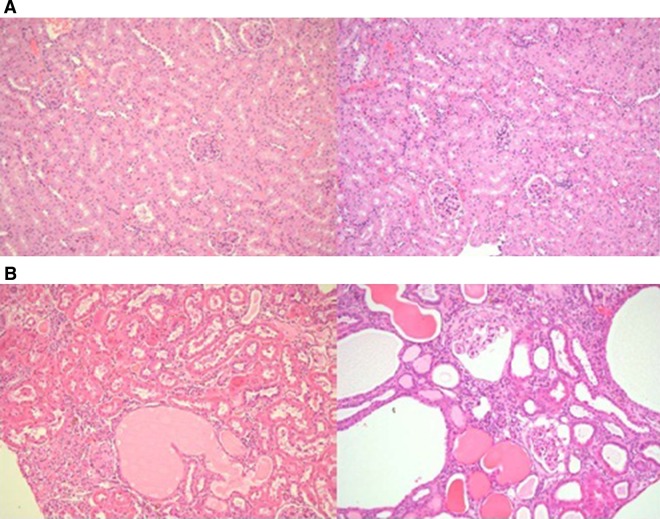
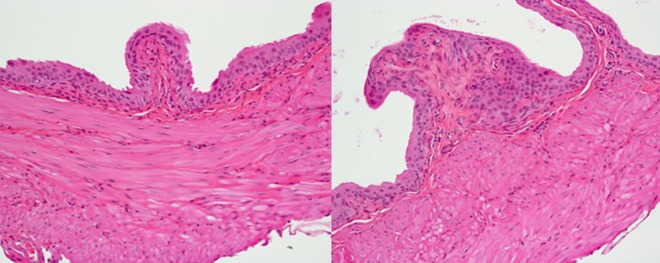
Dapagliflozin and its metabolites were not genotoxic. In CD-1 mice and Sprague-Dawley rats treated for up to 2 years at ≥100× human clinical exposures, dapagliflozin showed no differences versus controls for tumor incidence, time to onset for background tumors, or urinary bladder proliferative/preneoplastic lesions. No tumors or preneoplastic lesions were observed in dogs over 1 year at >3,000× the clinical exposure of dapagliflozin or in SGLT2(-/-) mice observed over 15 months. Transcription profiling in Zucker diabetic fatty rats showed that 5-week dapagliflozin treatment did not induce tumor promoter-associated or cell proliferation genes. Increasing concentrations of glucose, dapagliflozin, or its primary metabolite, dapagliflozin 3-O-glucuronide, did not affect in vitro TCC proliferation rates and dapagliflozin did not enhance tumor growth in nude mice heterotopically implanted with human bladder TCC cell lines.
A multitude of assessments of tumorigenicity risk consistently showed no effects, suggesting that selective SGLT2 inhibition and, specifically, dapagliflozin are predicted to not be associated with increased cancer risk.
达格列净是一种选择性钠-葡萄糖协同转运蛋白 2(SGLT2)抑制剂,可增加尿糖排泄,从而降低 2 型糖尿病的高血糖。为了评估达格列净和 SGLT2 抑制的慢性安全性,进行了一项强有力的致癌风险评估。
通过计算机模拟、体外和体内实验评估达格列净及其代谢物的遗传毒性潜力。通过口服灌胃每天给小鼠、大鼠和狗施用达格列净,以评估致癌风险,包括肿瘤促进的可能性。观察 SGLT2(-/-)小鼠以评估慢性糖尿对其的影响。还在体外和体内异种移植模型中评估了达格列净和升高的葡萄糖水平对一系列人膀胱移行细胞癌(TCC)细胞系的影响。
达格列净及其代谢物没有遗传毒性。在 CD-1 小鼠和 Sprague-Dawley 大鼠中,以高达 100 倍人临床暴露量治疗长达 2 年,与对照组相比,达格列净的肿瘤发生率、背景肿瘤的发病时间或膀胱增生/肿瘤前期病变没有差异。在狗中,在达格列净临床暴露量 >3000 倍的情况下,或在 SGLT2(-/-)小鼠中观察 15 个月,均未观察到肿瘤或肿瘤前期病变。在 Zucker 糖尿病肥胖大鼠中进行的转录谱分析表明,5 周的达格列净治疗不会诱导肿瘤促进剂相关或细胞增殖基因。增加的葡萄糖、达格列净或其主要代谢物达格列净 3-O-葡糖苷酸的浓度不会影响 TCC 的体外增殖率,并且达格列净不会增强裸鼠异位植入人膀胱 TCC 细胞系的肿瘤生长。
对致癌风险的多种评估一致显示没有影响,表明选择性 SGLT2 抑制,特别是达格列净,预计不会增加癌症风险。