ICBAS-Instituto de Ciências Biomédicas de Abel Salazar, Rua de Jorge Viterbo Ferreira, 228, Porto 4050-313, Portugal.
Division of Environmental Science, Faculty of Science, Ramkhamhaeng University, Bangkok 10240, Thailand.
Mar Drugs. 2014 Jan 28;12(2):822-39. doi: 10.3390/md12020822.
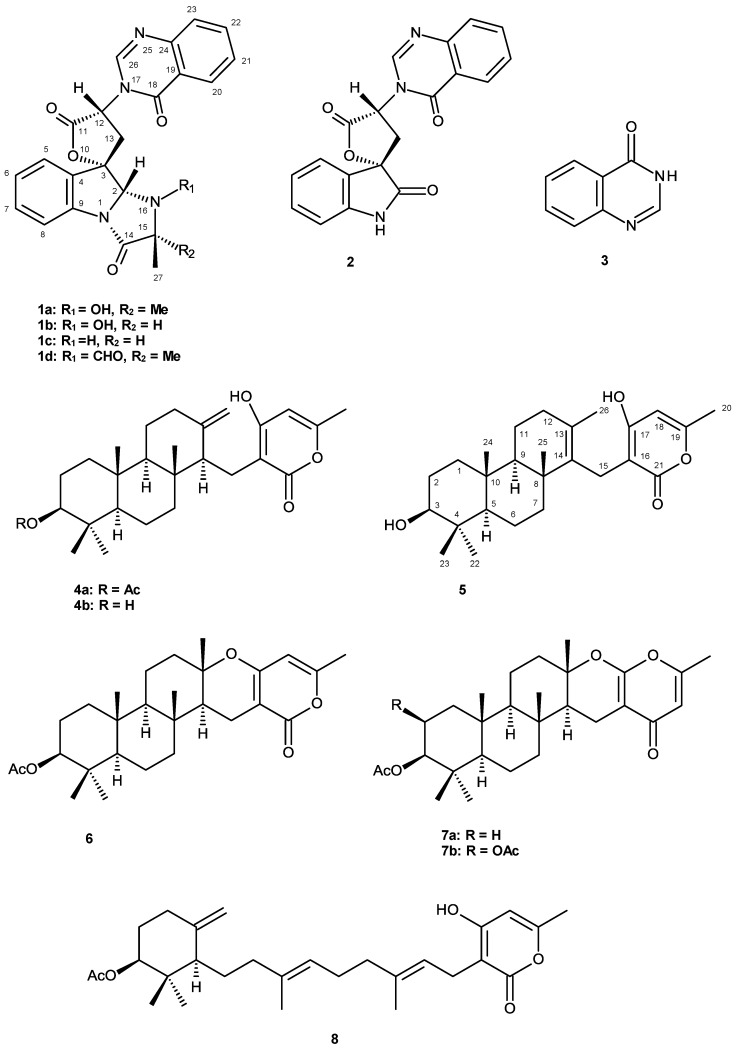
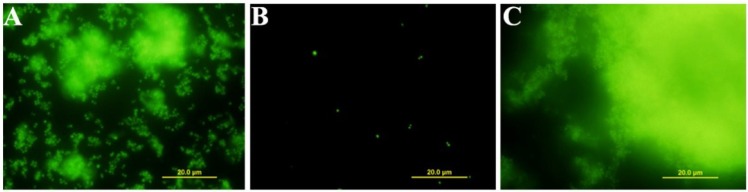
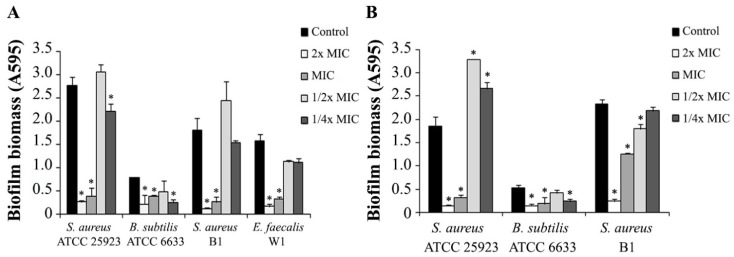
A new meroditerpene, sartorypyrone C (5), was isolated, together with the known tryptoquivalines L (1a), H (1b), F (1c), 3'-(4-oxoquinazolin-3-yl) spiro [1H-indole-3,5']-2,2'-dione (2) and 4(3H)-quinazolinone (3), from the culture of the marine sponge-associated fungus Neosartorya paulistensis (KUFC 7897), while reexamination of the fractions remaining from a previous study of the culture of the diseased coral-derived fungus N. laciniosa (KUFC 7896) led to isolation of a new tryptoquivaline derivative tryptoquivaline T (1d). Compounds 1a-d, 2, 3, and 5, together with aszonapyrones A (4a) and B (4b), chevalones B (6) and C (7a), sartorypyrones B (7b) and A (8), were tested for their antibacterial activity against four reference strains (Staphylococcus aureus, Bacillus subtilis, Escherichia coli, and Pseudomonas aeruginosa), as well as the environmental multidrug-resistant isolates. Only aszonapyrone A (4a) and sartorypyrone A (8) exhibited significant antibacterial activity as well as synergism with antibiotics against the Gram-positive multidrug-resistant strains. Antibiofilm assays of aszonapyrone A (4a) and sartorypyrone A (8) showed that practically no biofilm was formed in the presence of their 2× MIC and MIC. However, the presence of a sub-inhibitory concentration of ½ MIC of 4a and 8 was found to increase the biofilm production in both reference strain and the multidrug-resistant isolates of S. aureus.
一种新的 meroditerpene,sartorypyrone C(5),与已知的 tryptoquivalines L(1a)、H(1b)、F(1c)、3'-(4-oxoquinazolin-3-yl)spiro[1H-indole-3,5']-2,2'-dione(2)和 4(3H)-quinazolinone(3)一起从海洋海绵相关真菌 Neosartorya paulistensis(KUFC 7897)的培养物中分离出来,而对先前从患病珊瑚来源的真菌 N. laciniosa(KUFC 7896)培养物中剩余部分的重新检查导致分离出一种新的 tryptoquivaline 衍生物 tryptoquivaline T(1d)。化合物 1a-d、2、3 和 5,以及 aszonapyrones A(4a)和 B(4b)、chevalones B(6)和 C(7a)、sartorypyrones B(7b)和 A(8),测试了它们对四种参考菌株(金黄色葡萄球菌、枯草芽孢杆菌、大肠杆菌和铜绿假单胞菌)以及环境多药耐药分离株的抗菌活性,只有 aszonapyrone A(4a)和 sartorypyrone A(8)表现出对革兰氏阳性多药耐药菌株的显著抗菌活性和与抗生素的协同作用。Aszonapyrone A(4a)和 sartorypyrone A(8)的抗生物膜测定表明,在其 2×MIC 和 MIC 的存在下,实际上没有形成生物膜。然而,发现亚抑制浓度的 1/2 MIC 的 4a 和 8 被发现增加了参考菌株和金黄色葡萄球菌多药耐药分离株的生物膜产生。