Zhu Chen, Wang Jiaxing, Cheng Tao, Li Qingtian, Shen Hao, Qin Hui, Cheng Mengqi, Zhang Xianlong
Department of Orthopaedic Surgery, Shanghai Sixth People's Hospital, Shanghai Jiao Tong University School of Medicine, Shanghai, China ; Department of Orthopaedic Surgery, Anhui Provincial Hospital of Anhui Medical University, Hefei, China.
Department of Orthopaedic Surgery, Shanghai Sixth People's Hospital, Shanghai Jiao Tong University School of Medicine, Shanghai, China.
PLoS One. 2014 Jan 28;9(1):e86874. doi: 10.1371/journal.pone.0086874. eCollection 2014.
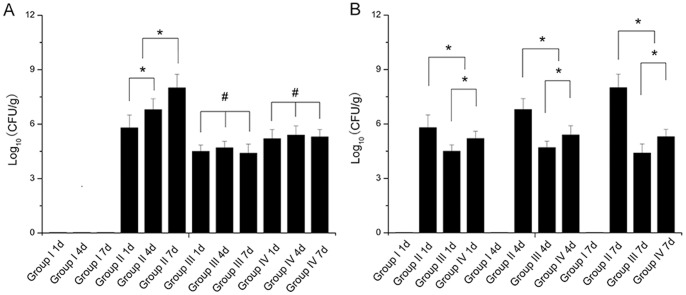
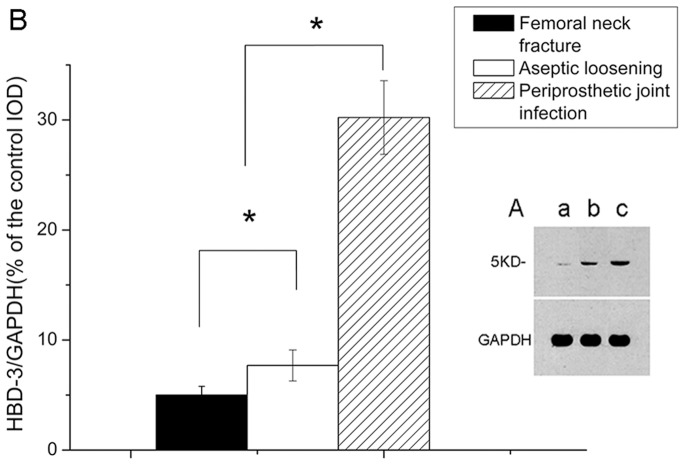
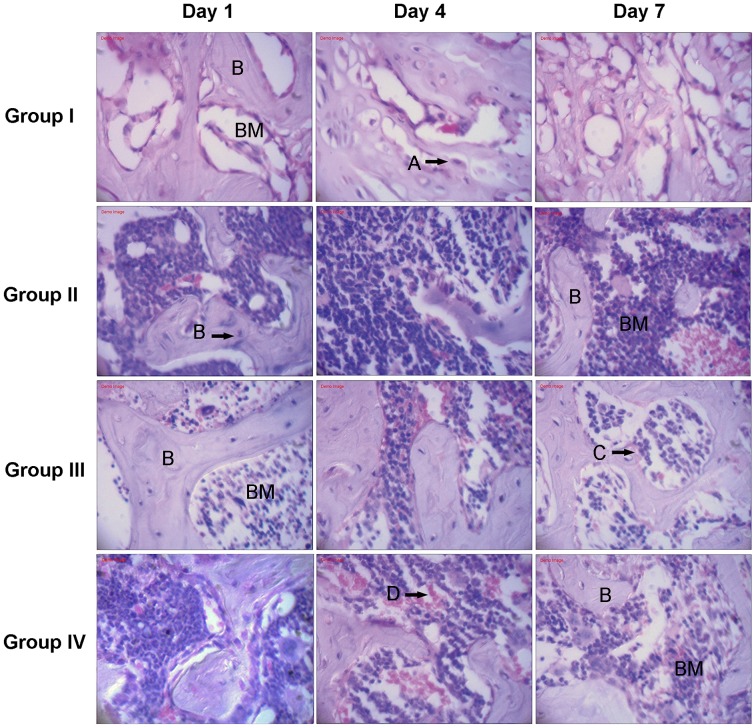
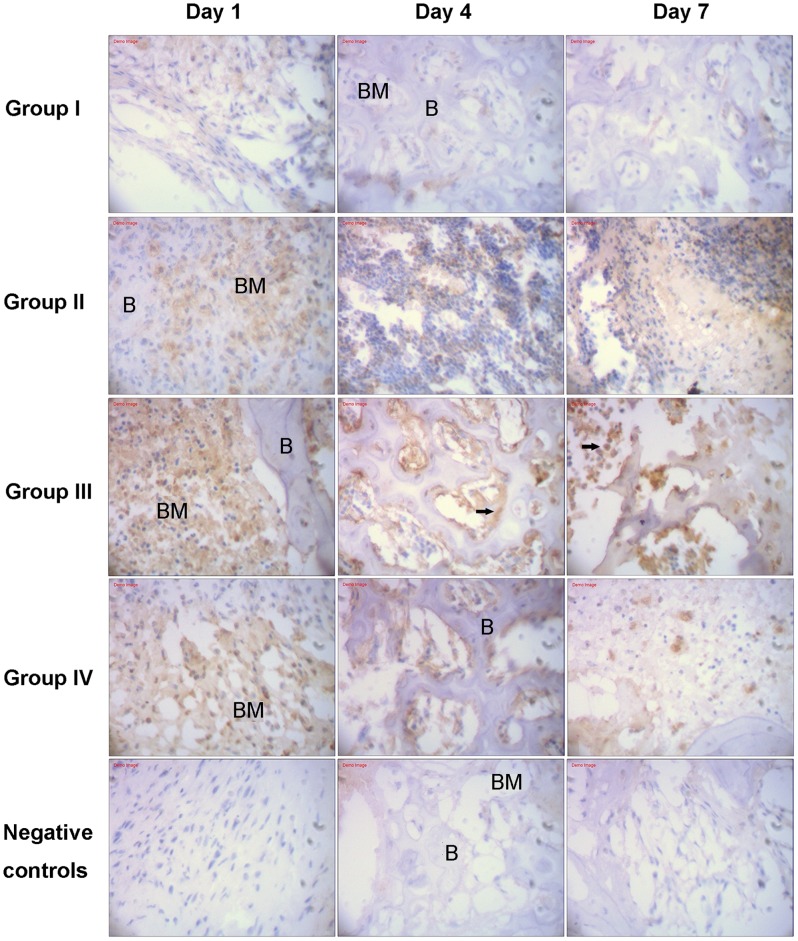
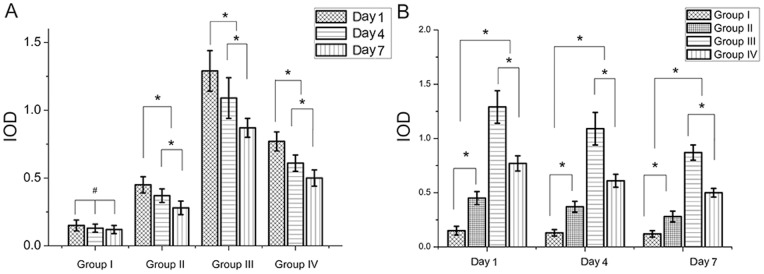
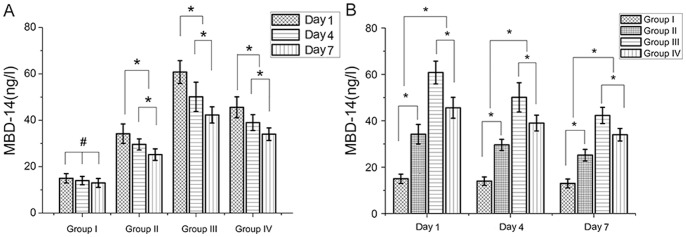
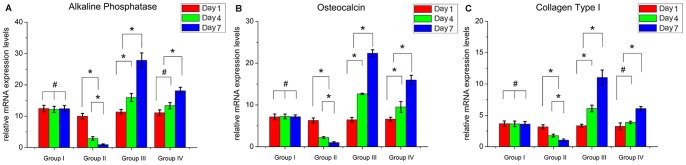
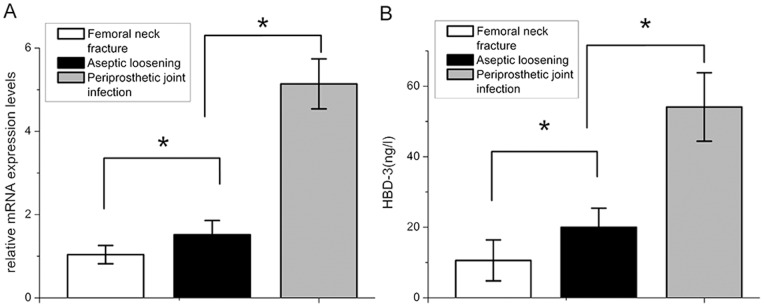
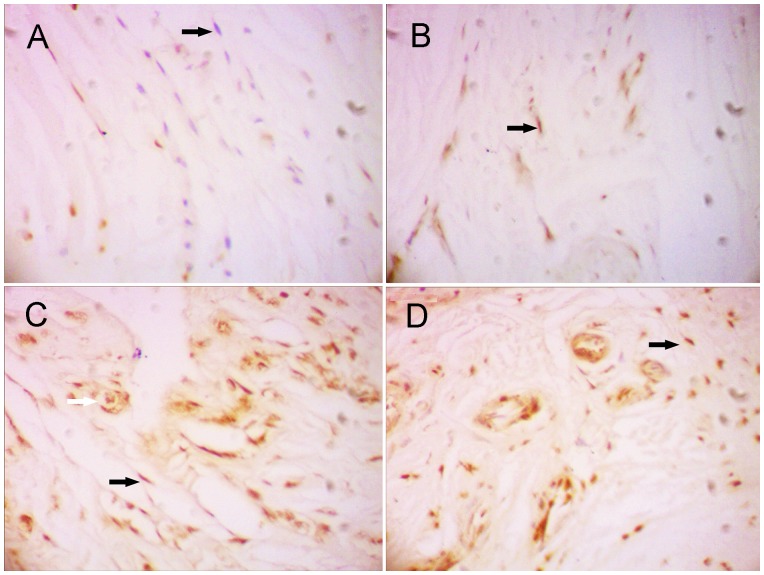
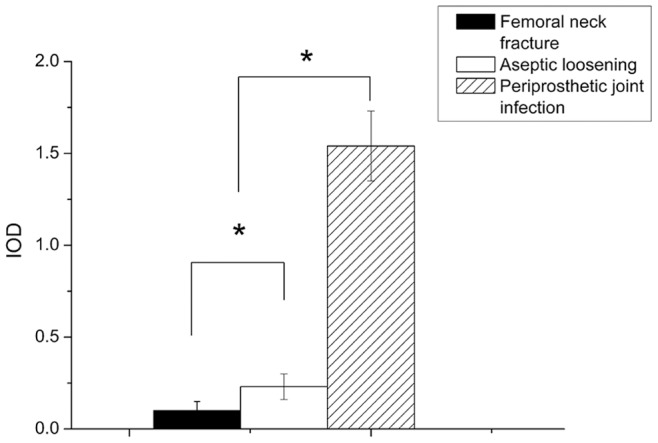
Mammalian β-defensins are small cationic peptides that have been implicated in mediating innate immune defenses against microbial infection. Mouse β-defensin-14 (MBD-14), based on structural and functional similarities, appears to be an ortholog of human β-defensin-3 (HBD-3). Previous studies identified signaling pathway p38 mitogen-activated protein kinase (MAPK) that contributed to the expression of MBD-14 in mouse osteoblasts upon contacted with methicillin-resistance Staphylococcus aureus (MRSA) supernatant, which provided a theoretical basis as a promising therapeutic target in the treatment of intramedullary infection with MRSA in vivo. In this study, the medullary cavities of tibiae were contaminated with MRSA 10(3) colony forming units and different doses of p38 MAPK agonists anisomycin were followed as group III or IV in 30 mice. Fifteen animals that received phosphate- buffered saline served as group II and 15 mice were not contaminated with MRSA and received phosphate-buffered saline served as controls (group I). Follow-up was 7 days. In day 1, day 4 and day 7 postoperatively, infection was evaluated by blood routine, microbiological and histological analyses after sacrifice. All animals of group II developed microbiological and histological signs of infection. Histological signs of infection, white blood counts and cultures of group III and IV showed significantly reduced bacterial growth compared to cultures of group II. Simultaneously, different doses of anisomycin significantly induced the expression of osteoblast-associated genes, including alkaline phosphatase, osteocalcin and collagen type I. In addition, the expression of HBD-3 in human interfacial membranes around infected periprosthetic joint by staphylococcus contaminated was evaluated, and the expression pattern changed with significant induction of HBD-3 in infected periprosthetic joint compared with aseptic loosening under inflammatory conditions. Our primary study indicated that the potential antibacterial role of increased MBD-14 in the osteomyelitis mouse model.
哺乳动物β-防御素是一类小的阳离子肽,参与介导针对微生物感染的固有免疫防御。基于结构和功能的相似性,小鼠β-防御素14(MBD-14)似乎是人类β-防御素3(HBD-3)的直系同源物。先前的研究确定了信号通路p38丝裂原活化蛋白激酶(MAPK),其在小鼠成骨细胞与耐甲氧西林金黄色葡萄球菌(MRSA)上清液接触后促进MBD-14的表达,这为体内治疗MRSA骨髓炎提供了一个有前景的治疗靶点的理论基础。在本研究中,将30只小鼠胫骨骨髓腔用10³集落形成单位的MRSA污染,并随后给予不同剂量的p38 MAPK激动剂茴香霉素作为III组或IV组。15只接受磷酸盐缓冲盐水的动物作为II组,15只未用MRSA污染且接受磷酸盐缓冲盐水的小鼠作为对照组(I组)。随访7天。在术后第1天、第4天和第7天,处死动物后通过血常规、微生物学和组织学分析评估感染情况。II组所有动物均出现感染的微生物学和组织学迹象。与II组培养物相比,III组和IV组的感染组织学迹象、白细胞计数和培养物显示细菌生长显著减少。同时,不同剂量的茴香霉素显著诱导成骨细胞相关基因的表达,包括碱性磷酸酶、骨钙素和I型胶原。此外,评估了金黄色葡萄球菌污染的感染性人工关节周围人界面膜中HBD-3的表达,与无菌性松动相比,在炎症条件下感染性人工关节中HBD-3的表达模式发生显著诱导变化。我们的初步研究表明,在骨髓炎小鼠模型中MBD-14增加具有潜在的抗菌作用。