Ott Stephanie, Jedlicka Sheila, Wolf Stefan, Peter Mozes, Pudenz Christine, Merker Patrick, Schürer Ludwig, Lumenta Christianto Benjamin
Department of Neurosurgery, Academic Teaching Hospital Munich-Bogenhausen, Technical University of Munich, Englschalkinger Straße 77, 81925 Munich, Germany.
Department of Neurosurgery, Charité University Hospital, Augustenburger Platz 1, 13353 Berlin, Germany.
Biomed Res Int. 2014;2014:970741. doi: 10.1155/2014/970741. Epub 2014 Jan 16.
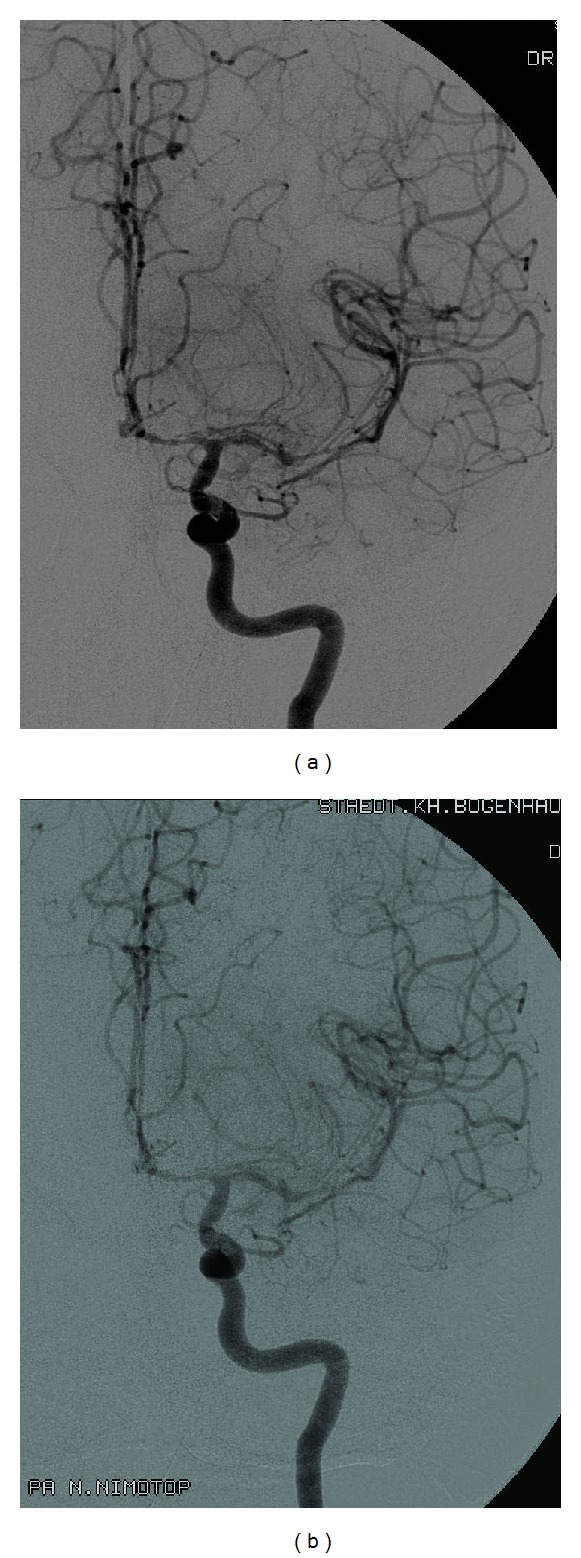
Cerebral vasospasm is one of the leading courses for disability in aneurysmal subarachnoid hemorrhage. Effective treatment of vasospasm is therefore one of the main priorities for these patients. We report about a case series of continuous intra-arterial infusion of the calcium channel antagonist nimodipine for 1-5 days on the intensive care unit.
In thirty patients with aneurysmal subarachnoid hemorrhage and refractory vasospasm continuous infusion of nimodipine was started on the neurosurgical intensive care unit. The effect of nimodipine on brain perfusion, cerebral blood flow, brain tissue oxygenation, and blood flow velocity in cerebral arteries was monitored.
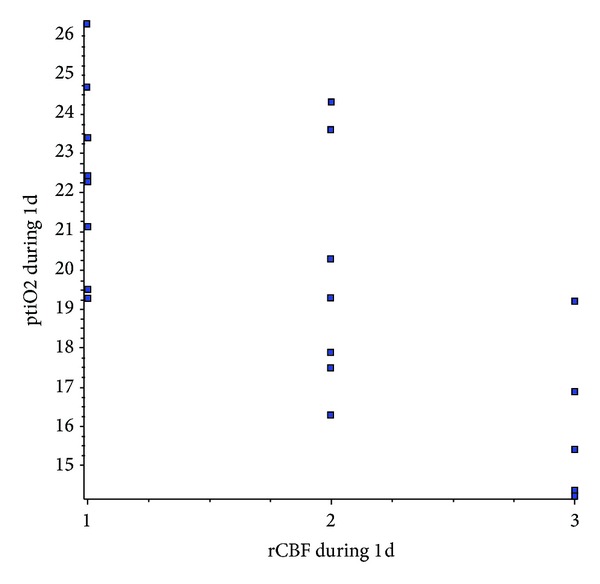
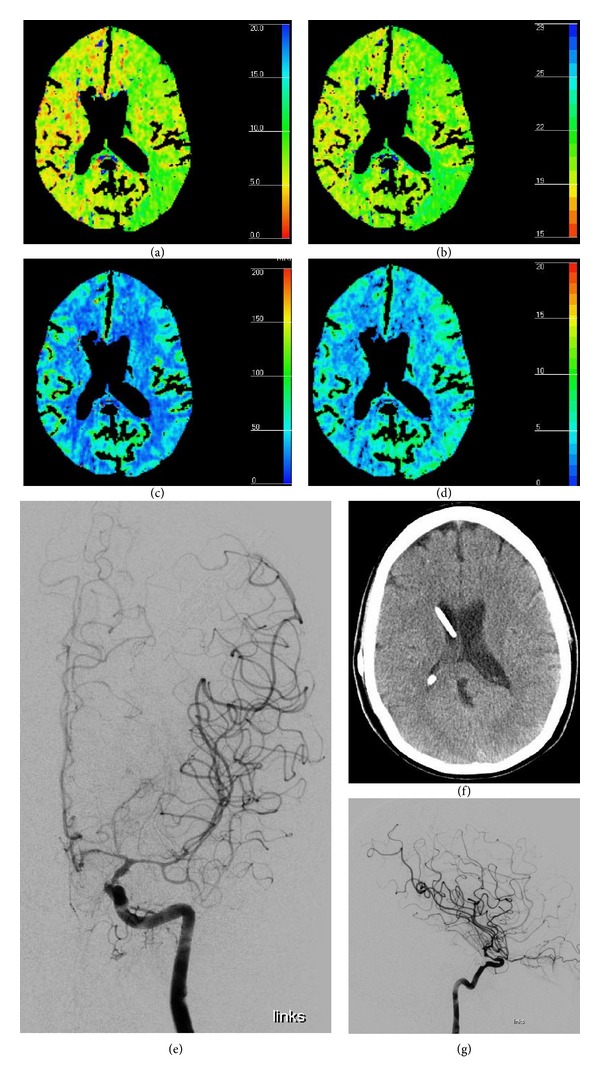
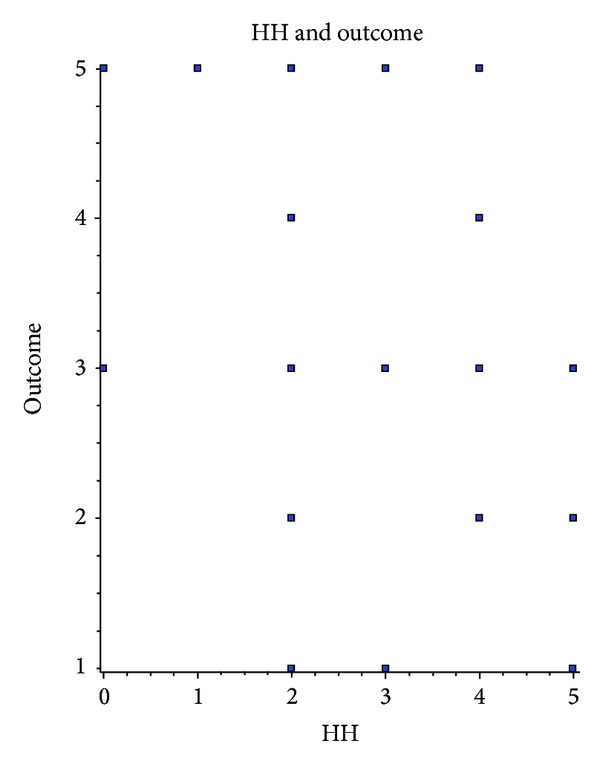
Based on Hunt & Hess grades on admission, 83% survived in a good clinical condition and 23% recovered without an apparent neurological deficit. Persistent ischemic areas were seen in 100% of patients with GOS 1-3 and in 69% of GOS 4-5 patients. Regional cerebral blood flow and computed tomography perfusion scanning showed adequate correlation with nimodipine application and angiographic vasospasm. Transcranial Doppler turned out to be unreliable with interexaminer variance and failure of detecting vasospasm or missing the improvement.
Local continuous intra-arterial nimodipine treatment for refractory cerebral vasospasm after aSAH can be recommended as a low-risk treatment in addition to established endovascular therapies.
脑血管痉挛是动脉瘤性蛛网膜下腔出血导致残疾的主要原因之一。因此,有效治疗血管痉挛是这些患者的主要优先事项之一。我们报告了一系列在重症监护病房连续动脉内输注钙通道拮抗剂尼莫地平1至5天的病例。
在30例患有动脉瘤性蛛网膜下腔出血和难治性血管痉挛的患者中,在神经外科重症监护病房开始连续输注尼莫地平。监测尼莫地平对脑灌注、脑血流量、脑组织氧合和脑动脉血流速度的影响。
根据入院时的Hunt & Hess分级,83%的患者存活且临床状况良好,23%的患者康复且无明显神经功能缺损。在格拉斯哥预后评分(GOS)为1至3级的患者中,100%出现持续性缺血区域;在GOS为4至5级的患者中,69%出现持续性缺血区域。局部脑血流量和计算机断层扫描灌注扫描显示与尼莫地平应用及血管造影血管痉挛有充分相关性。经颅多普勒检查结果显示不可靠,检查者之间存在差异,无法检测到血管痉挛或无法发现病情改善情况。
除了已有的血管内治疗外,局部连续动脉内应用尼莫地平治疗动脉瘤性蛛网膜下腔出血后难治性脑血管痉挛可作为一种低风险治疗方法推荐。