Department of Molecular, Cellular and Developmental Biology, University of Colorado, Boulder, Colorado, USA.
1] Department of Molecular, Cellular and Developmental Biology, University of Colorado, Boulder, Colorado, USA. [2].
Nat Med. 2014 Mar;20(3):265-71. doi: 10.1038/nm.3465. Epub 2014 Feb 16.
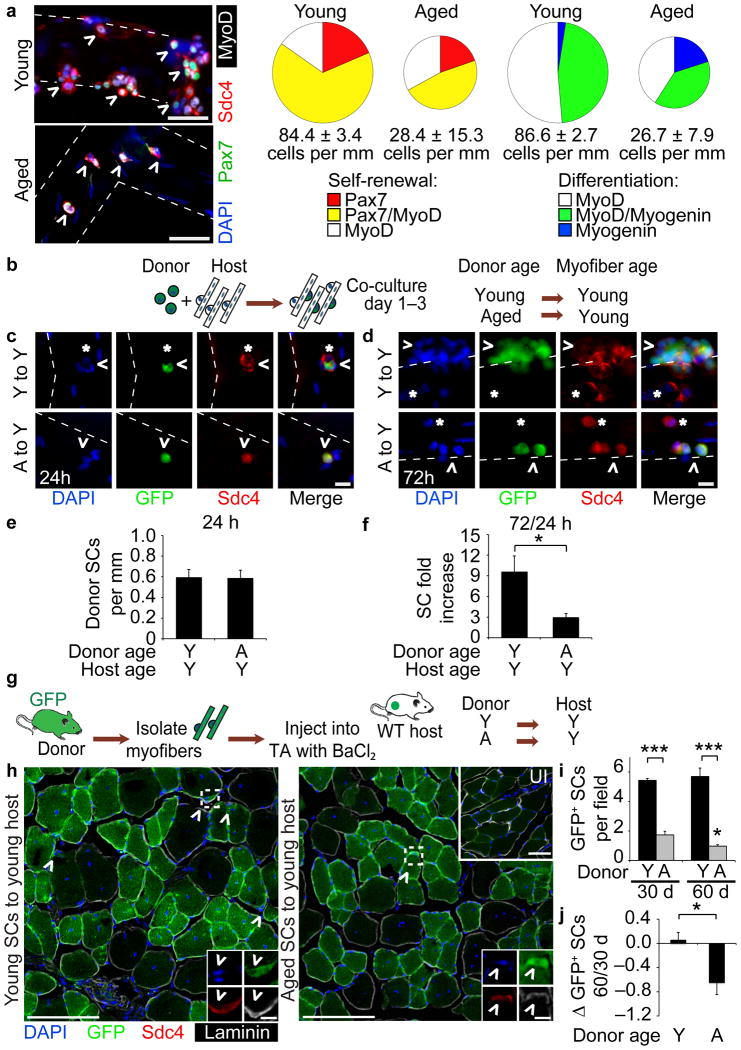
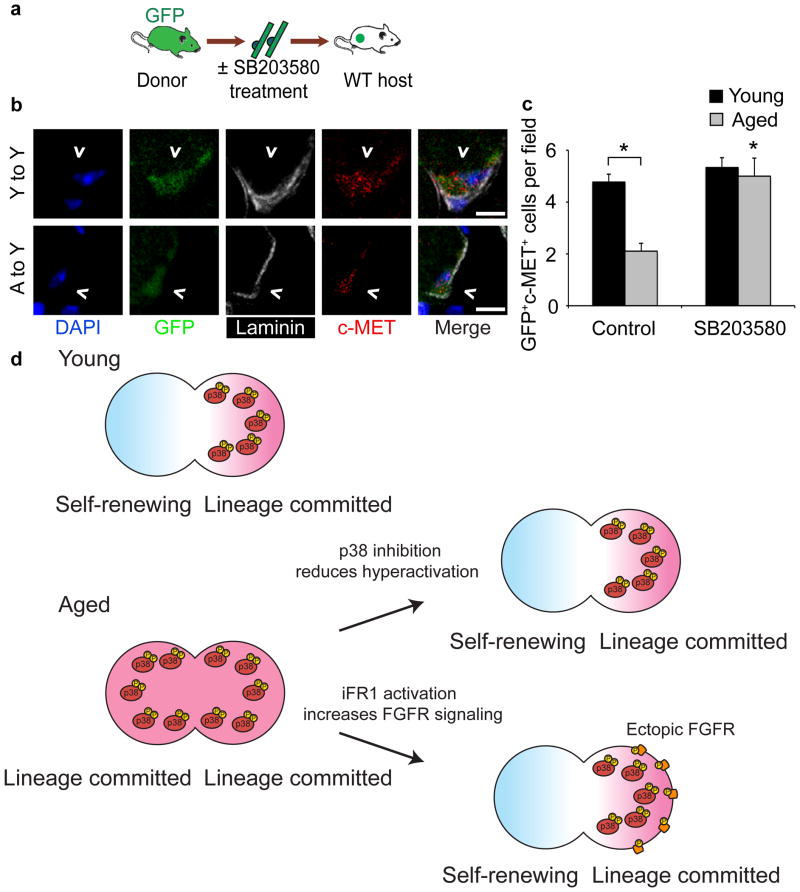
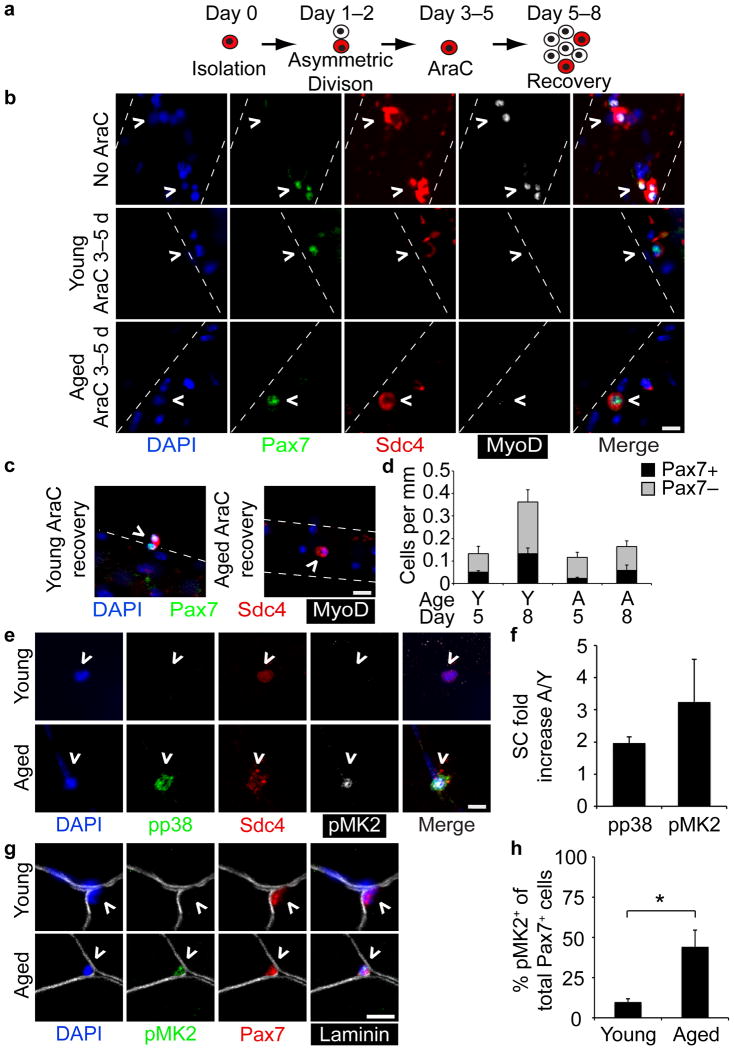
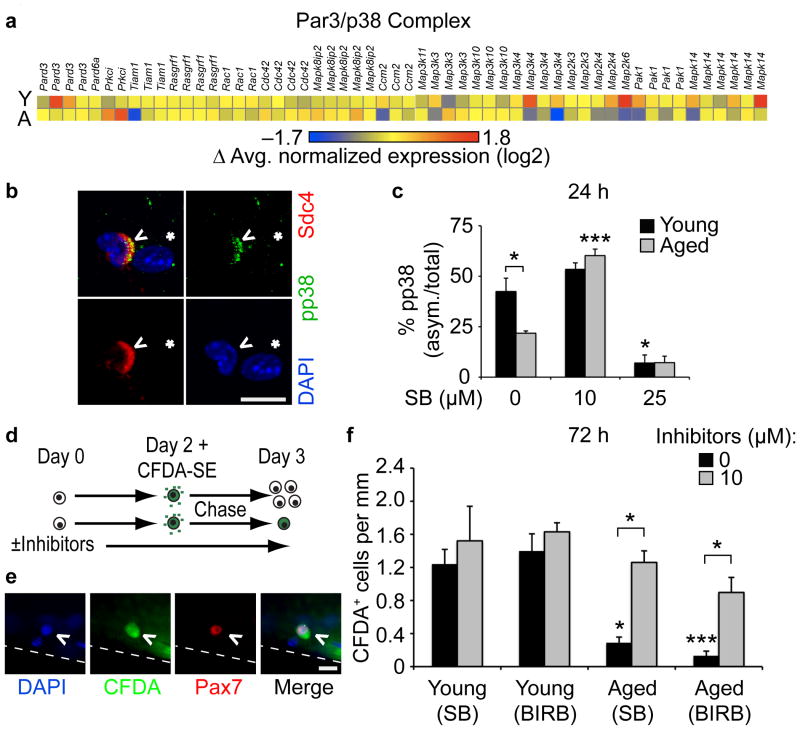
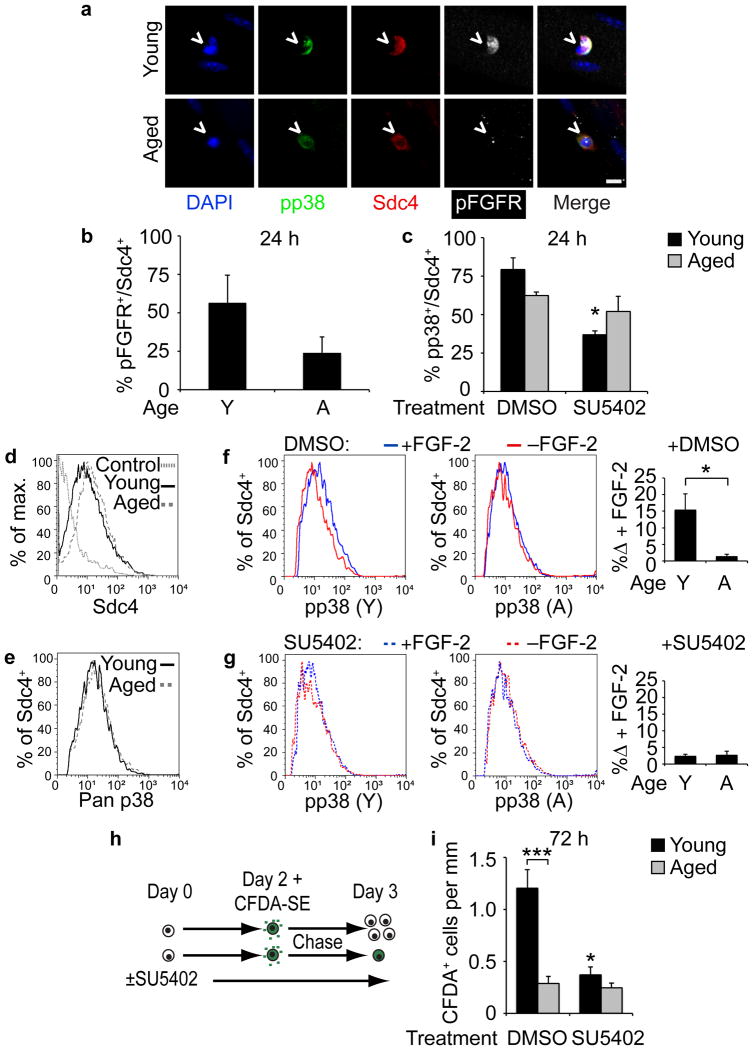
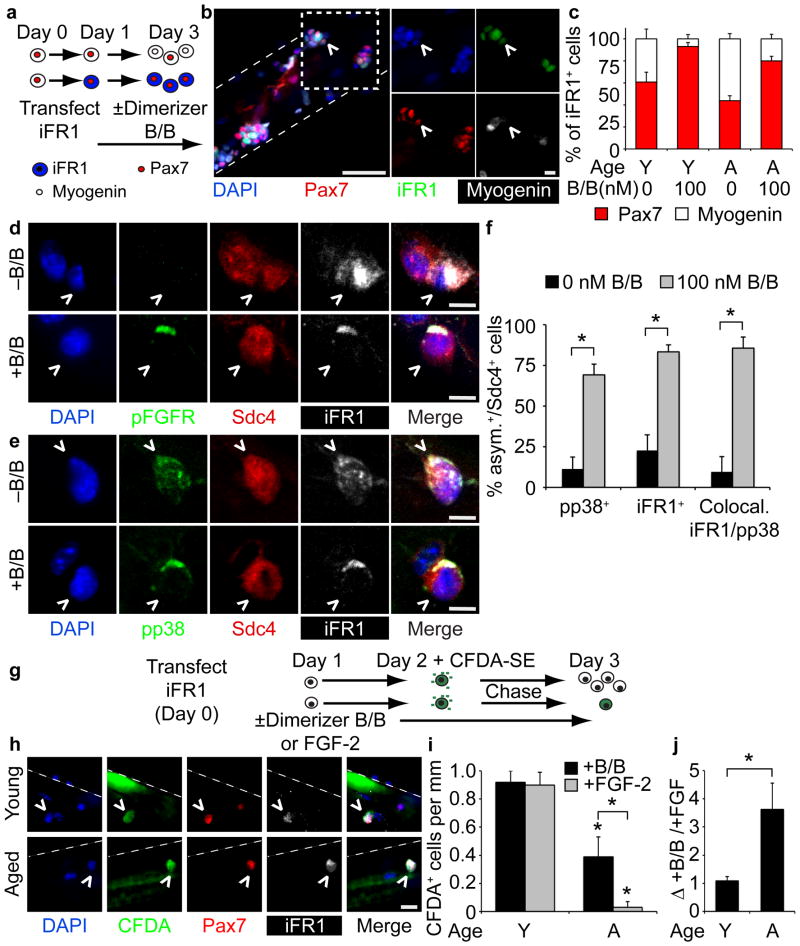
Skeletal muscle aging results in a gradual loss of skeletal muscle mass, skeletal muscle function and regenerative capacity, which can lead to sarcopenia and increased mortality. Although the mechanisms underlying sarcopenia remain unclear, the skeletal muscle stem cell, or satellite cell, is required for muscle regeneration. Therefore, identification of signaling pathways affecting satellite cell function during aging may provide insights into therapeutic targets for combating sarcopenia. Here, we show that a cell-autonomous loss in self-renewal occurs via alterations in fibroblast growth factor receptor-1, p38α and p38β mitogen-activated protein kinase signaling in satellite cells from aged mice. We further demonstrate that pharmacological manipulation of these pathways can ameliorate age-associated self-renewal defects. Thus, our data highlight an age-associated deregulation of a satellite cell homeostatic network and reveal potential therapeutic opportunities for the treatment of progressive muscle wasting.
骨骼肌衰老导致骨骼肌质量、功能和再生能力逐渐丧失,从而导致肌肉减少症和死亡率增加。尽管肌肉减少症的发病机制尚不清楚,但骨骼肌干细胞或卫星细胞是肌肉再生所必需的。因此,鉴定影响衰老过程中卫星细胞功能的信号通路可能为对抗肌肉减少症提供治疗靶点。在这里,我们发现,通过改变成纤维细胞生长因子受体-1、p38α 和 p38β 丝裂原活化蛋白激酶信号通路,衰老小鼠的卫星细胞中出现了自主的自我更新丧失。我们进一步证明,这些途径的药理学干预可以改善与年龄相关的自我更新缺陷。因此,我们的数据强调了与年龄相关的卫星细胞动态平衡网络的失调,并揭示了治疗进行性肌肉消耗的潜在治疗机会。