Department of Gastroenterology, Zhongshan Hospital, Fudan University, Shanghai, China.
Endoscopy Center, Zhongshan Hospital, Fudan University, Shanghai, China.
Br J Cancer. 2014 Mar 18;110(6):1552-60. doi: 10.1038/bjc.2014.47. Epub 2014 Feb 18.
Forkhead Box P3 (FoxP3) is thought to be a key transcription factor in regulatory T cells (Tregs), and recent data indicate that it is expressed in several tumour cells. However, its precise roles in gastric cancer (GC) and the underlying mechanisms regulating the interaction between GC cells and lymphocytes remain unclear.
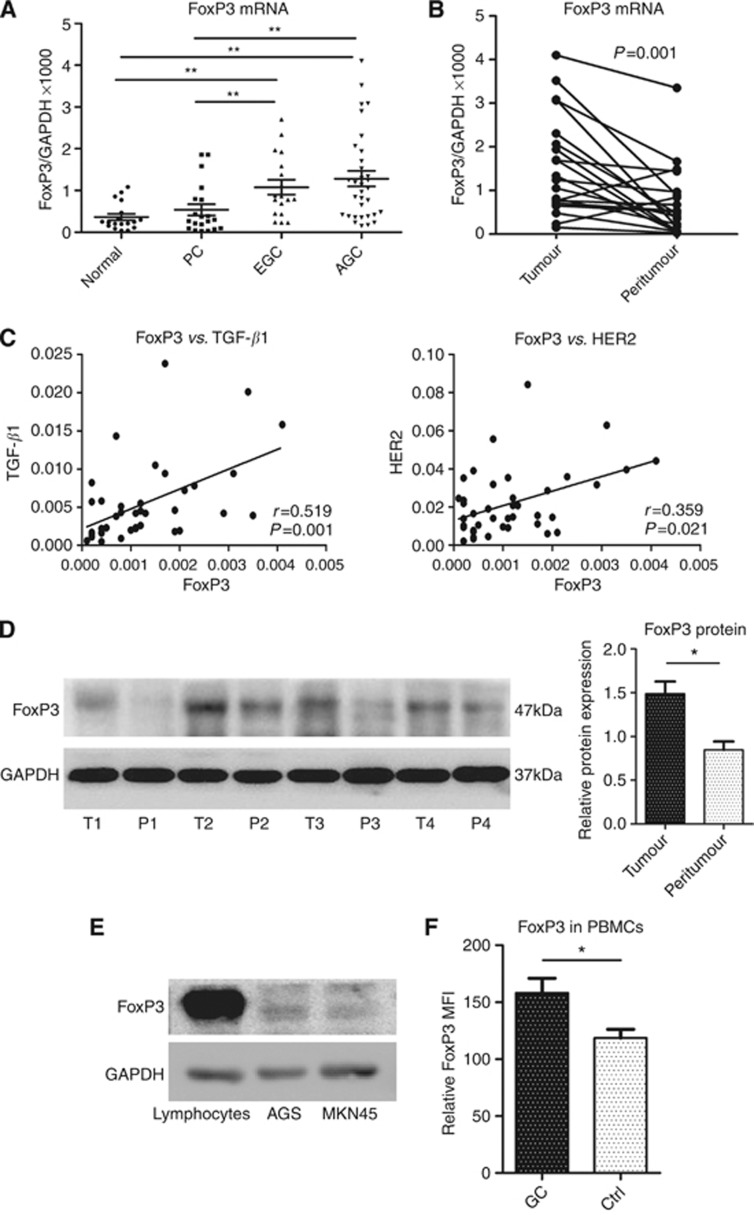
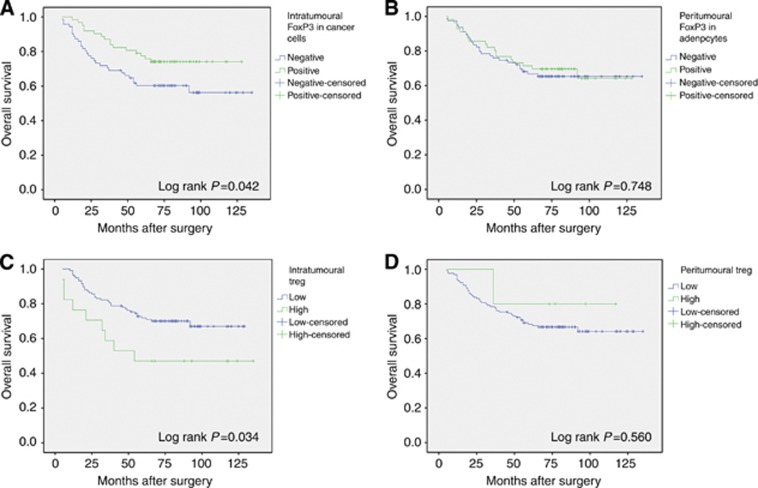
FoxP3 expression was examined in tumour cells and Tregs in 150 cases of gastric precancer and cancer, and their prognostic significances were evaluated, respectively, using a tissue microarray containing 135 GC patient samples with a mean 102-month follow-up. FoxP3 involvement in the tumour cells-lymphocytes interaction and its gene function were further investigated.
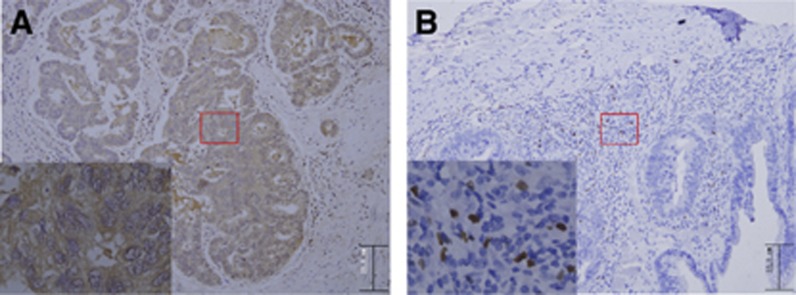
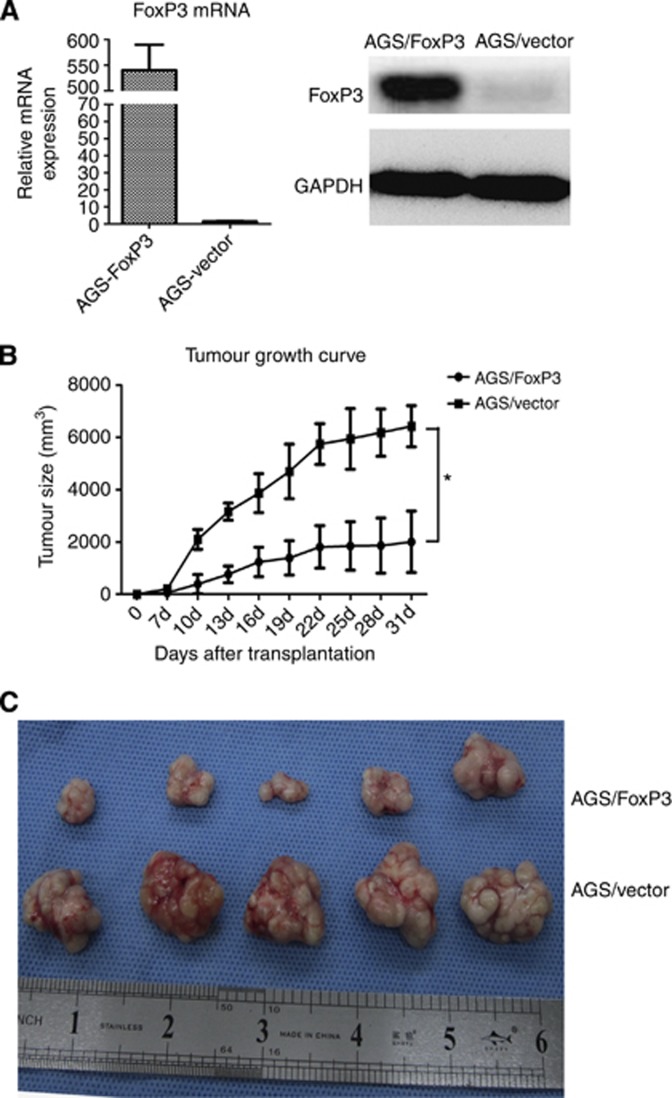
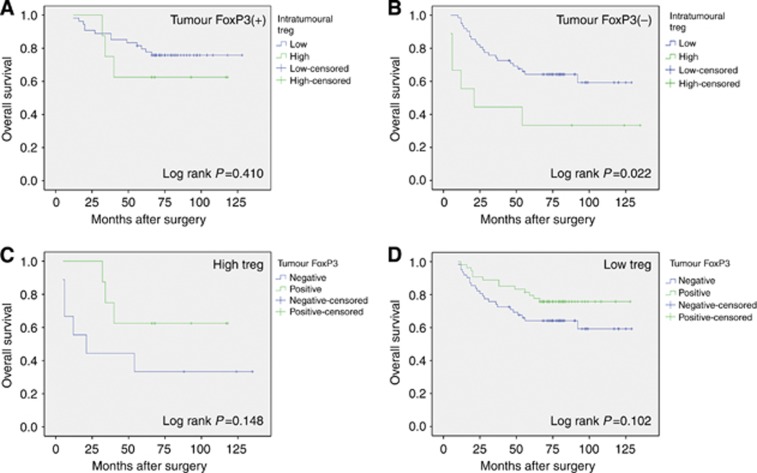
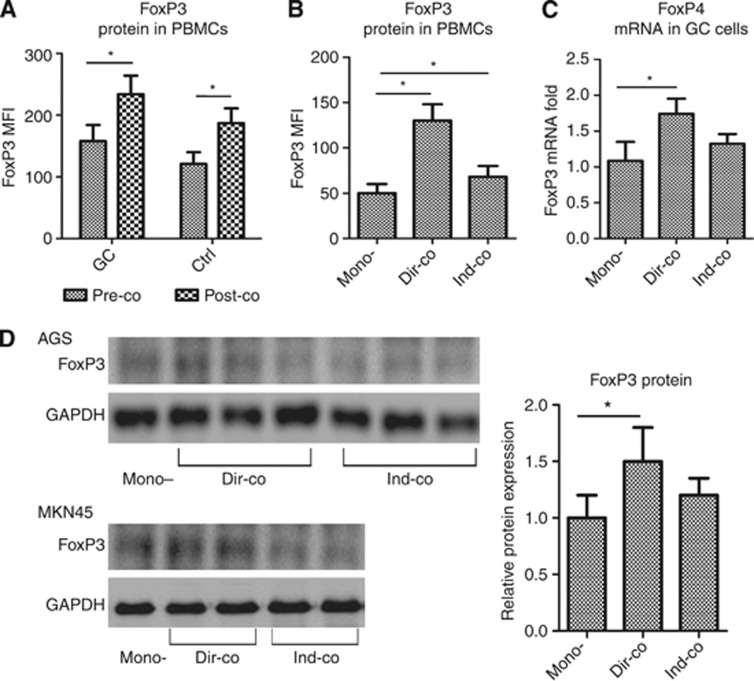
strong cytoplasmic staining of FoxP3 was observed in GC cells. FoxP3 protein expression in tumour cells predicts a good prognosis, whereas high-density Treg predicts a poor prognosis. Moreover, FoxP3 expression in GC cells increased after coculture with peripheral blood mononuclear cells through coculture systems. Upregulation of FoxP3 inhibited tumour growth in tumour-bearing nude mice.
High FoxP3 expression in tumour cells predicts better survival in GC, possibility in relation to interaction between tumour cells and lymphocytes in microenvironment. Interfering with FoxP3 expression may open a new therapeutic strategy against tumour progression.
叉头框蛋白 P3(FoxP3)被认为是调节性 T 细胞(Tregs)中的关键转录因子,最近的数据表明它在几种肿瘤细胞中表达。然而,其在胃癌(GC)中的确切作用以及调节 GC 细胞与淋巴细胞相互作用的潜在机制仍不清楚。
使用包含 135 例 GC 患者样本的组织微阵列,对 150 例胃癌前病变和癌症患者的肿瘤细胞和 Tregs 中的 FoxP3 表达进行了检测,并分别对其进行了评估,这些样本的平均随访时间为 102 个月。进一步研究了 FoxP3 参与肿瘤细胞-淋巴细胞相互作用及其基因功能。
在 GC 细胞中观察到 FoxP3 的强细胞质染色。肿瘤细胞中 FoxP3 蛋白的表达预示着良好的预后,而高密度的 Treg 则预示着预后不良。此外,通过共培养系统,GC 细胞与外周血单个核细胞共培养后 FoxP3 的表达增加。FoxP3 的上调抑制了荷瘤裸鼠的肿瘤生长。
肿瘤细胞中高 FoxP3 表达预示着 GC 患者的生存更好,这可能与微环境中肿瘤细胞与淋巴细胞的相互作用有关。干扰 FoxP3 的表达可能为肿瘤进展提供新的治疗策略。