The University of Queensland, Institute for Molecular Bioscience, Queensland 4072, Australia.
J Cell Biol. 2014 Mar 3;204(5):777-92. doi: 10.1083/jcb.201307055. Epub 2014 Feb 24.
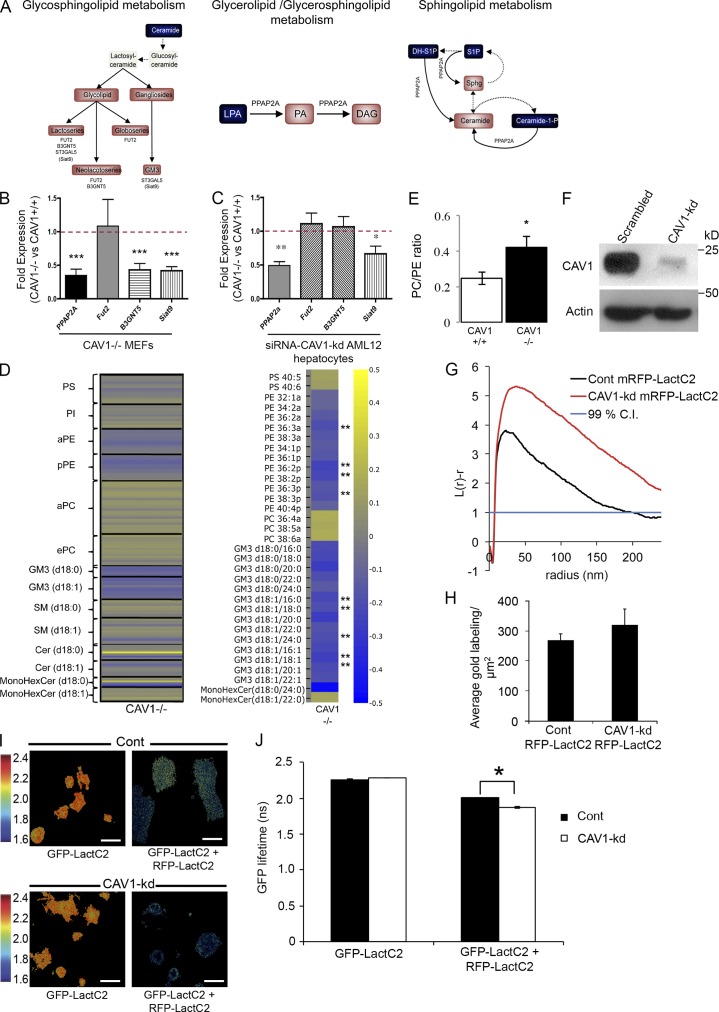
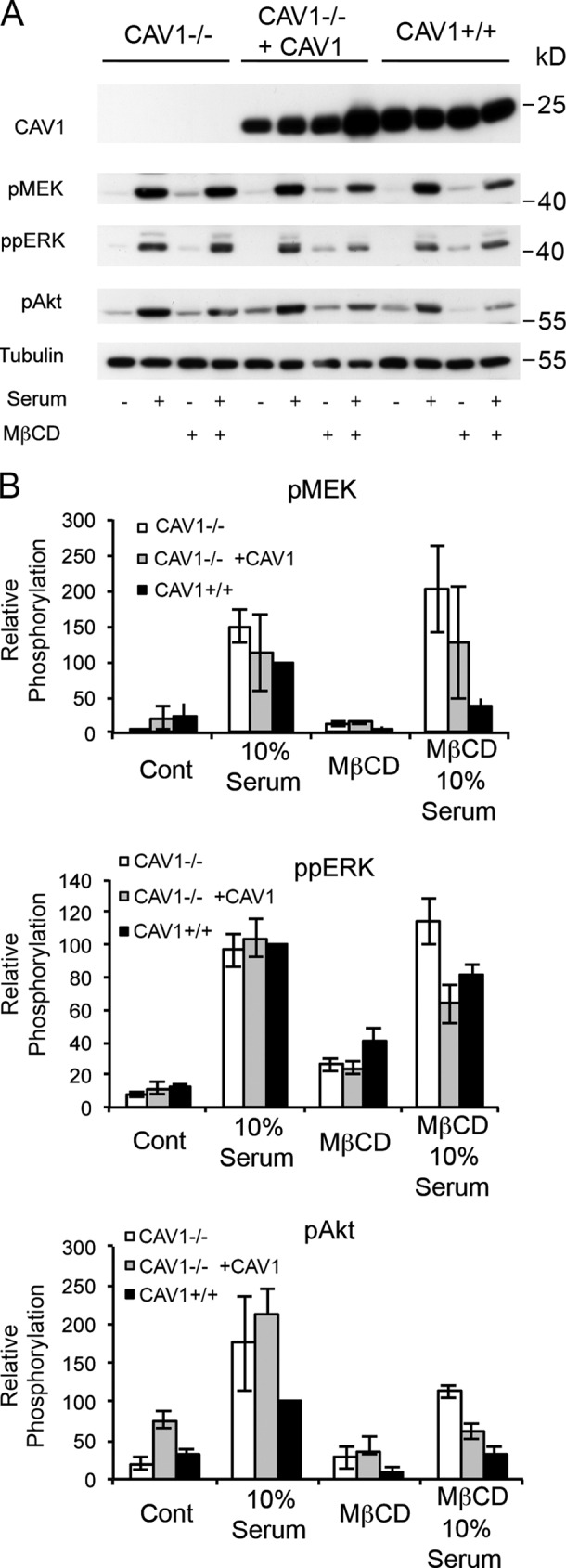
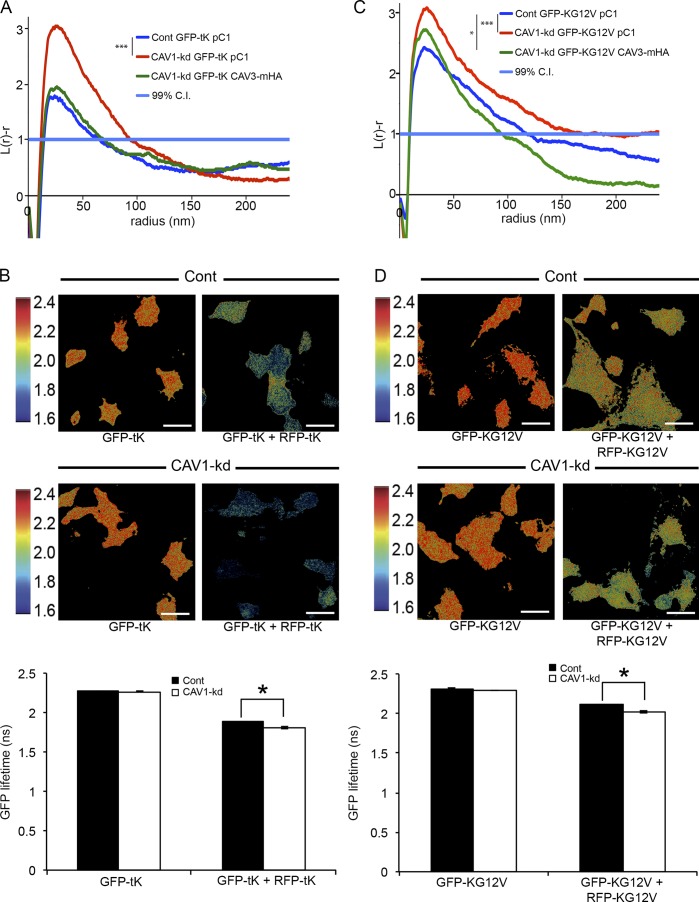
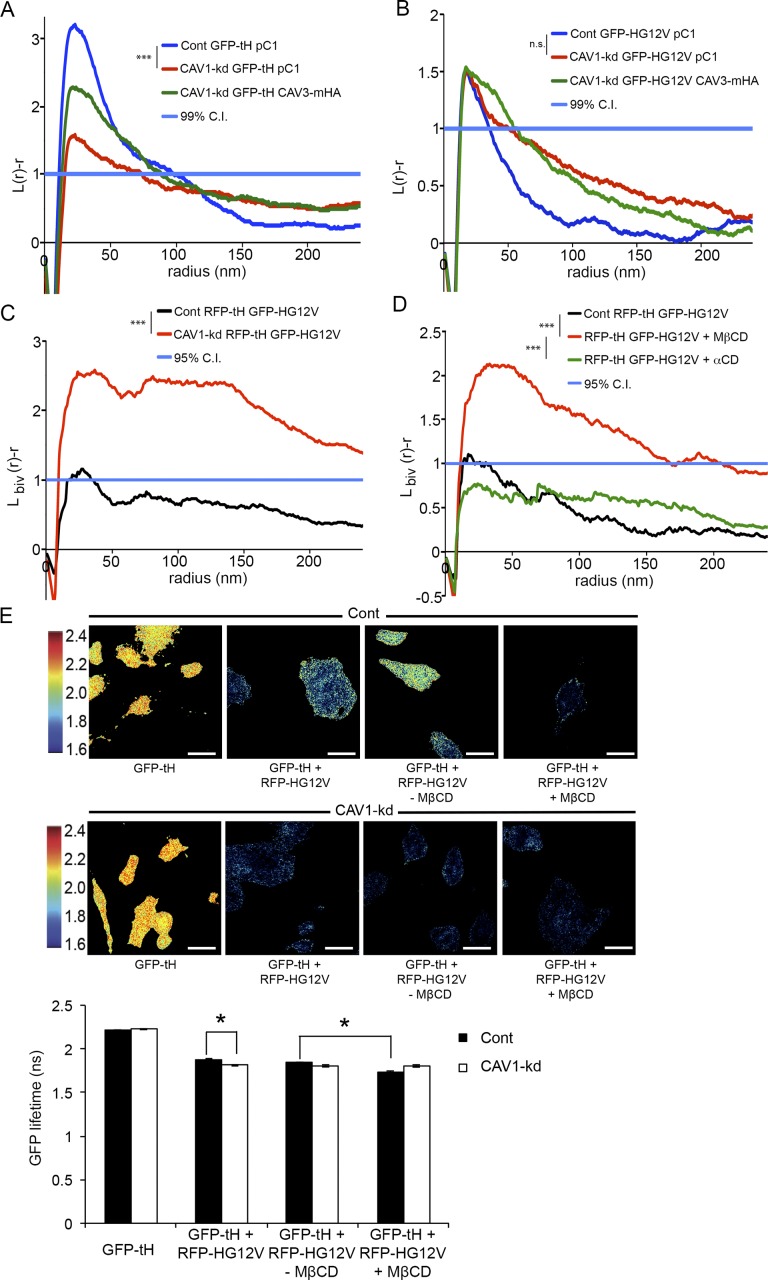
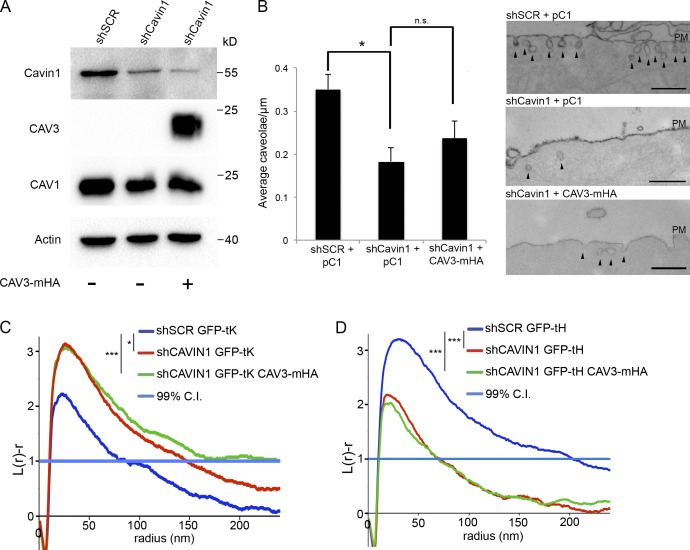
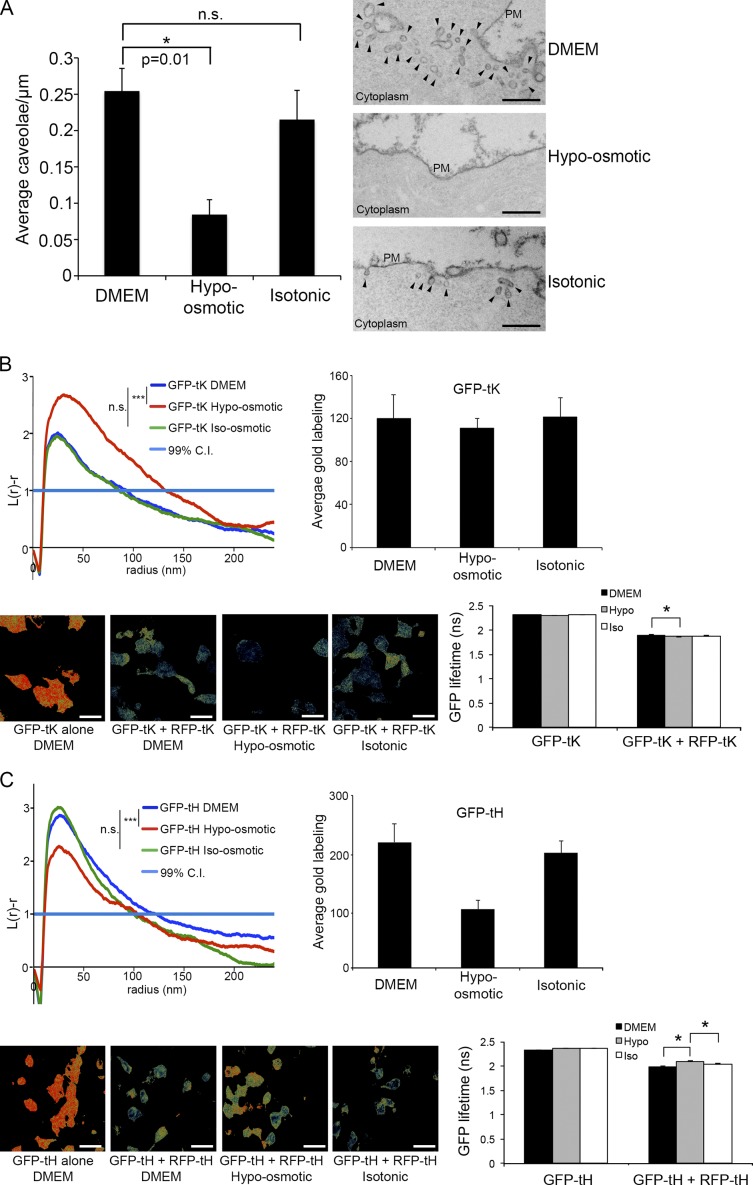
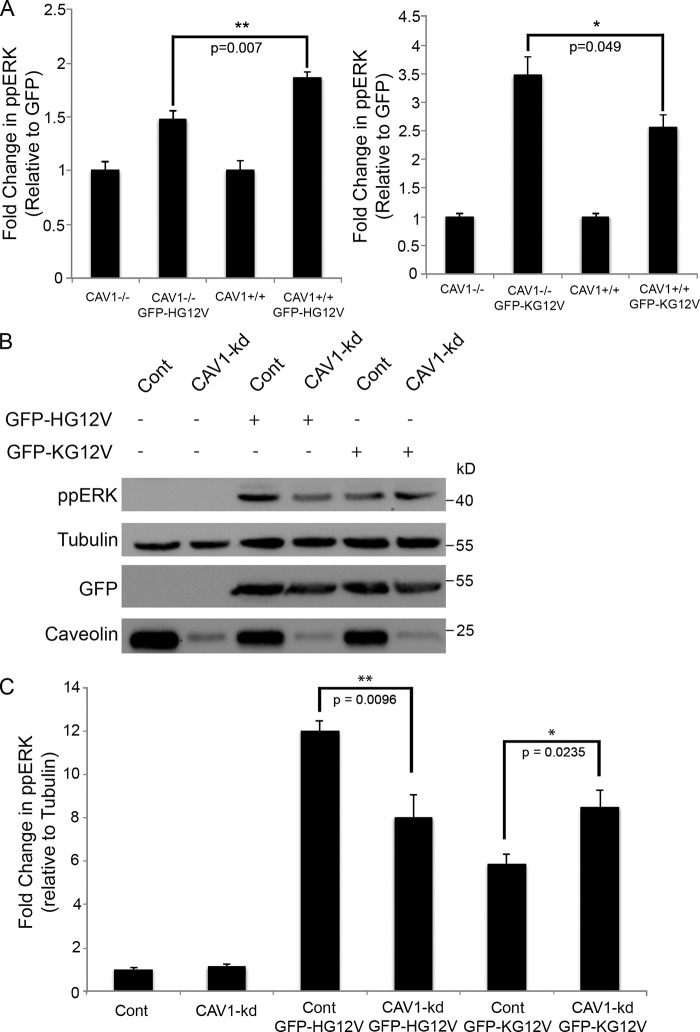
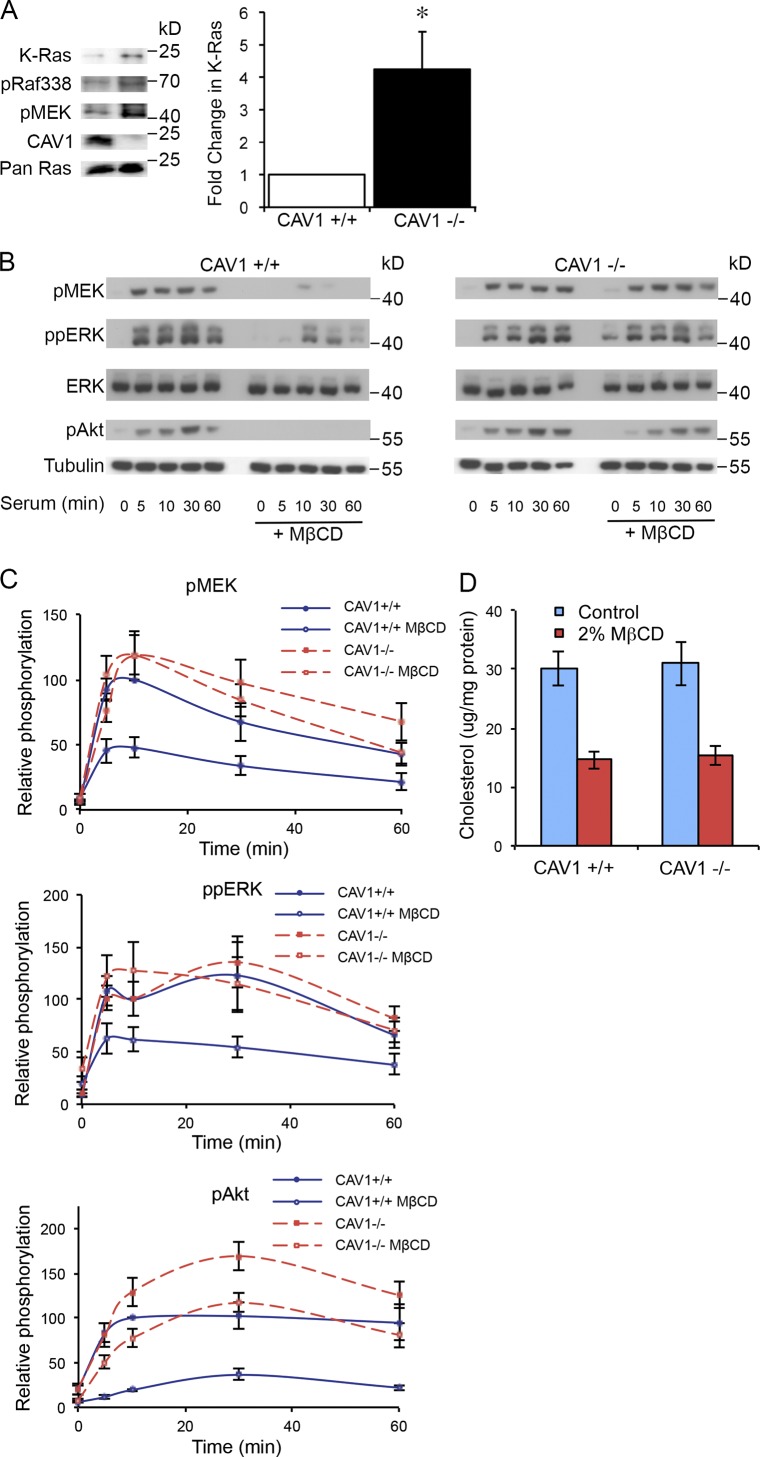
The molecular mechanisms whereby caveolae exert control over cellular signaling have to date remained elusive. We have therefore explored the role caveolae play in modulating Ras signaling. Lipidomic and gene array analyses revealed that caveolin-1 (CAV1) deficiency results in altered cellular lipid composition, and plasma membrane (PM) phosphatidylserine distribution. These changes correlated with increased K-Ras expression and extensive isoform-specific perturbation of Ras spatial organization: in CAV1-deficient cells K-RasG12V nanoclustering and MAPK activation were enhanced, whereas GTP-dependent lateral segregation of H-Ras was abolished resulting in compromised signal output from H-RasG12V nanoclusters. These changes in Ras nanoclustering were phenocopied by the down-regulation of Cavin1, another crucial caveolar structural component, and by acute loss of caveolae in response to increased osmotic pressure. Thus, we postulate that caveolae remotely regulate Ras nanoclustering and signal transduction by controlling PM organization. Similarly, caveolae transduce mechanical stress into PM lipid alterations that, in turn, modulate Ras PM organization.
迄今为止,尚不清楚质膜小窝如何控制细胞信号转导。因此,我们探索了质膜小窝在调节 Ras 信号转导中的作用。脂质组学和基因芯片分析显示,质膜小窝蛋白-1(CAV1)缺失会导致细胞脂质组成和质膜(PM)磷脂酰丝氨酸分布发生改变。这些变化与 K-Ras 表达增加和 Ras 空间构象的广泛特异性改变相关:在 CAV1 缺陷细胞中,K-RasG12V 纳米簇集和 MAPK 激活增强,而 H-Ras 的 GTP 依赖性侧向分离被消除,导致 H-RasG12V 纳米簇集的信号输出受损。Cavin1 的下调和渗透压增加导致质膜小窝的急性缺失可模拟 Ras 纳米簇集的这些变化,Cavin1 是另一个关键的质膜小窝结构组成部分。因此,我们假设质膜小窝通过控制 PM 组织远程调节 Ras 纳米簇集和信号转导。同样,质膜小窝将机械应激转导为 PM 脂质改变,进而调节 Ras PM 组织。