Department of Psychology and Zlotowski Center for Neuroscience, Ben-Gurion University of the Negev Beer-Sheva, Israel.
Front Psychol. 2014 Feb 7;5:83. doi: 10.3389/fpsyg.2014.00083. eCollection 2014.
Retrieval of opposite mood autobiographical memories serves emotion regulation, yet the factors influencing this ability are poorly understood.
Three studies examined the effect of mood valence (sad vs. happy) and degree of emotional engagement on fluency of mood incongruent retrieval by manipulating emotional engagement and examining the effect of emotional film clips on the Fluency of Autobiographical Memory task.
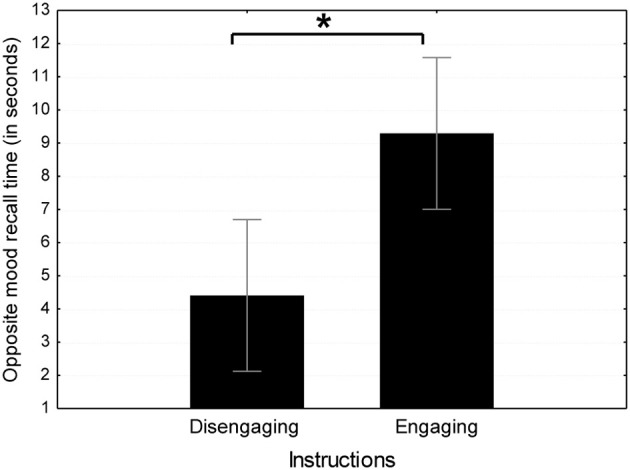
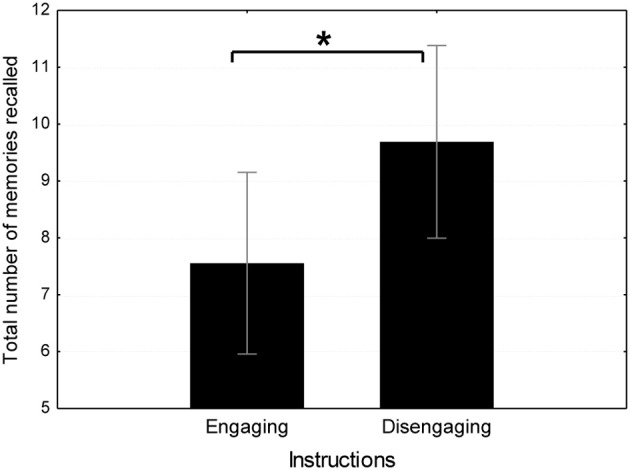
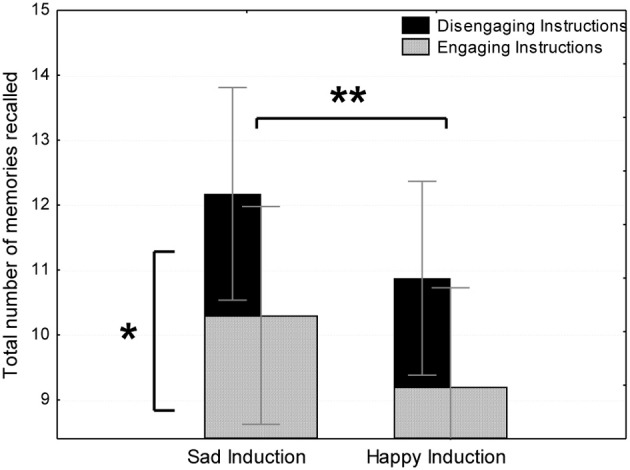
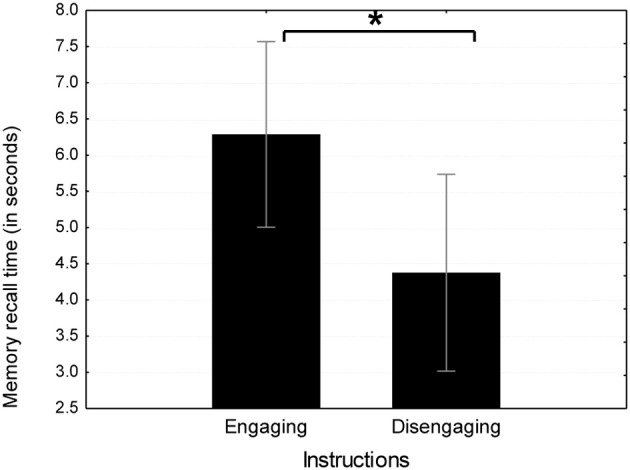
Following both sad and happy film clips, participants who received emotionally engaging instructions exhibited a greater recall latency of the first opposite mood memory, and had generated less such memories than those receiving emotionally disengaging instructions (Studies 1 and 2). A happy mood induction resulted in recollection of fewer mood incongruent memories compared to a sad mood induction. Providing emotionally engaging instructions was found to specifically hinder mood incongruent retrieval, without impairing mood congruent retrieval (Study 3).
High emotional engagement seems to impair the retrieval of mood incongruent memories. Being in a happy mood may also partially impair such retrieval. Implications regarding emotional regulation are discussed.
检索相反情绪的自传体记忆有助于情绪调节,但影响这种能力的因素知之甚少。
三项研究通过操纵情绪投入并检查情绪电影片段对自传体记忆流畅性任务的影响,考察了情绪效价(悲伤与快乐)和情绪投入程度对情绪不一致记忆流畅性的影响。
观看悲伤和快乐电影片段后,接受情绪投入指令的参与者回忆第一个相反情绪记忆的潜伏期更长,并且生成的此类记忆比接受情绪不投入指令的参与者更少(研究 1 和 2)。与悲伤情绪诱发相比,快乐情绪诱发导致回忆的情绪不一致记忆更少。发现提供情绪投入指令会特别阻碍情绪不一致的记忆检索,而不会损害情绪一致的记忆检索(研究 3)。
高情绪投入似乎会损害情绪不一致记忆的检索。处于快乐情绪中也可能部分损害这种检索。讨论了关于情绪调节的影响。