Gruenert D C, Basbaum C B, Welsh M J, Li M, Finkbeiner W E, Nadel J A
Cardiovascular Research Institute, University of California, San Francisco 94143.
Proc Natl Acad Sci U S A. 1988 Aug;85(16):5951-5. doi: 10.1073/pnas.85.16.5951.
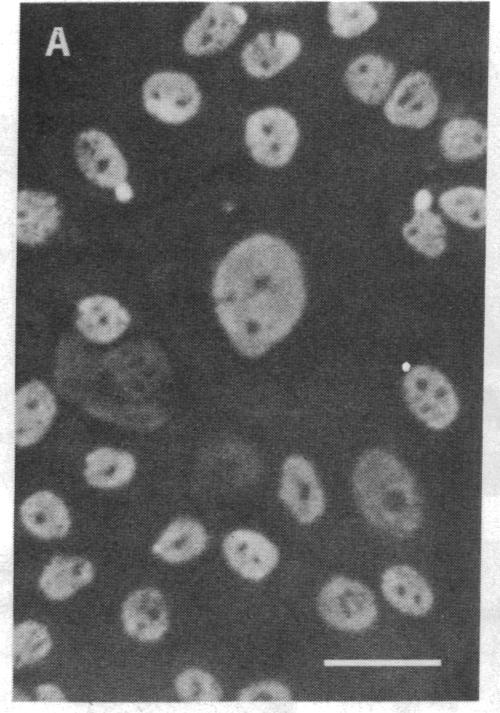
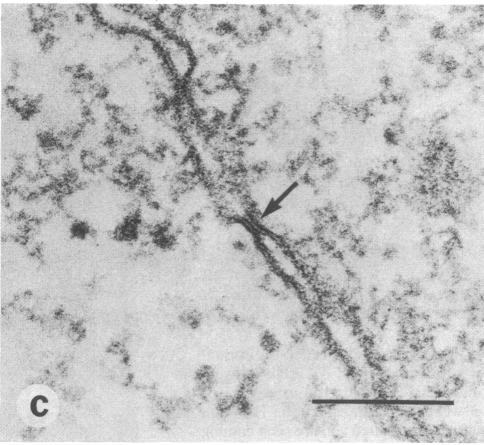
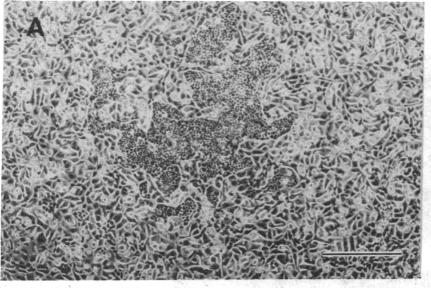
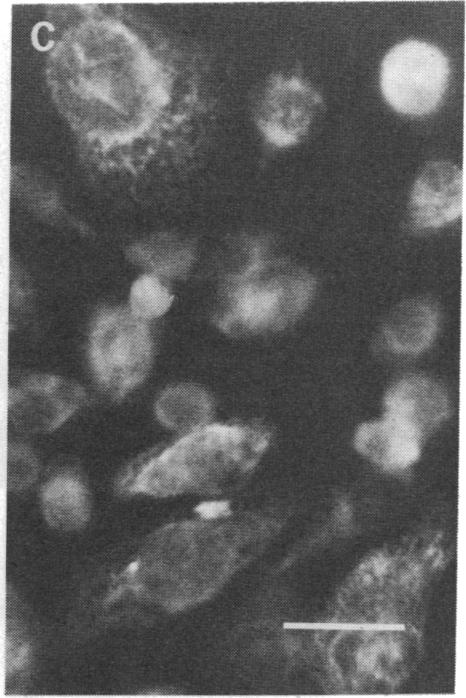
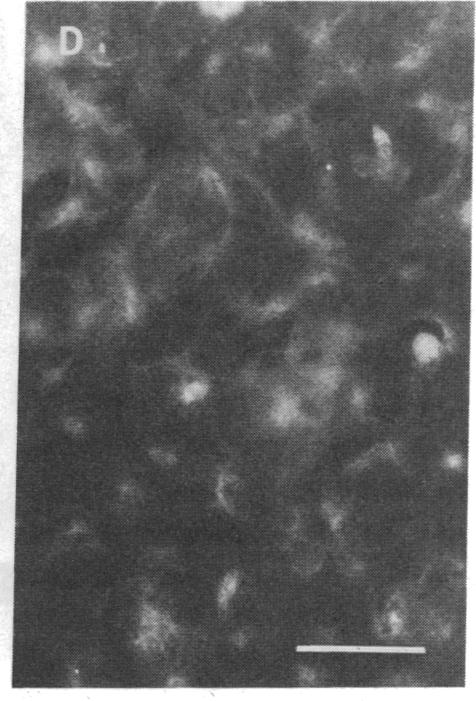
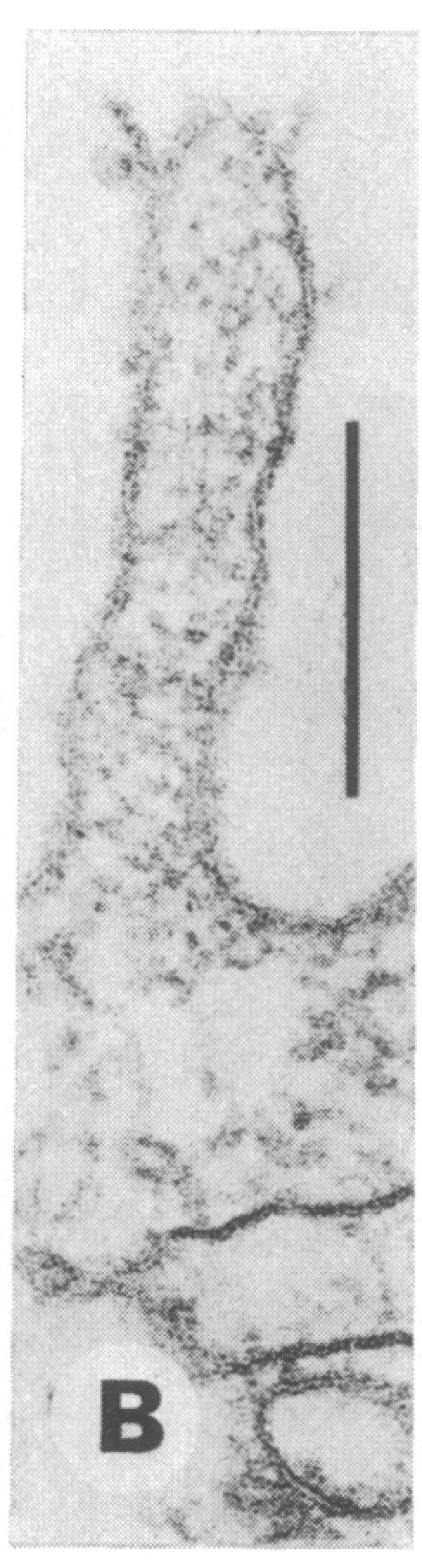
To facilitate understanding of the mechanisms underlying pulmonary diseases, including lung cancer and cystic fibrosis, we have transformed and characterized cultures of human tracheal epithelial cells. Cells were transfected by calcium phosphate precipitation with a plasmid containing a replication-defective simian virus 40 (SV40) genome. Colonies of cells with enhanced growth potential were isolated and analyzed for transformation- and epithelial-specific characteristics. Precrisis cells were observed to express the SV40 large tumor antigen, produce cytokeratins, have microvilli, and form tight junctions. After crisis, cells continued to express the SV40 large tumor antigen as well as epithelial-specific cytokeratins and to display the apical membrane microvilli. Apical membrane Cl channels were opened in postcrisis cells exposed to 50 microM forskolin. These channels showed electrical properties similar to those observed in primary cultures. The postcrisis cells have been in culture for greater than 250 generations and are potentially "immortal." In addition to providing a useful in vitro model for the study of ion transport by human airway epithelial cells, the cells can be used to examine stages of neoplastic progression.
为了促进对包括肺癌和囊性纤维化在内的肺部疾病潜在机制的理解,我们对人气管上皮细胞培养物进行了转化和特性分析。通过磷酸钙沉淀法用含有复制缺陷型猿猴病毒40(SV40)基因组的质粒转染细胞。分离出具有增强生长潜力的细胞集落,并分析其转化特性和上皮特异性特征。观察到危机前细胞表达SV40大T抗原、产生细胞角蛋白、具有微绒毛并形成紧密连接。危机后,细胞继续表达SV40大T抗原以及上皮特异性细胞角蛋白,并显示顶端膜微绒毛。在暴露于50微摩尔佛司可林的危机后细胞中,顶端膜氯离子通道开放。这些通道显示出与原代培养中观察到的类似电学特性。危机后细胞已在培养中超过250代,具有潜在的“永生”能力。除了为研究人气道上皮细胞的离子转运提供有用的体外模型外,这些细胞还可用于检查肿瘤进展阶段。