Piro Salvatore, Mascali Loriana G, Urbano Francesca, Filippello Agnese, Malaguarnera Roberta, Calanna Salvatore, Rabuazzo Agata M, Purrello Francesco
Department of Clinical and Molecular BioMedicine, University of Catania, Garibaldi-Nesima Hospital, Catania, Italy.
Endocrinology, Department of Health Sciences, University Magna Graecia of Catanzaro, Catanzaro, Italy.
PLoS One. 2014 Feb 28;9(2):e90093. doi: 10.1371/journal.pone.0090093. eCollection 2014.
AIMS/HYPOTHESIS: Incretin therapies, which are used to treat diabetic patients, cause a chronic supra-physiological increase in GLP-1 circulating levels. It is still unclear how the resulting high hormone concentrations may affect pancreatic alpha cells. The present study was designed to investigate the effects of chronic exposure to high GLP-1 levels on a cultured pancreatic alpha cell line.
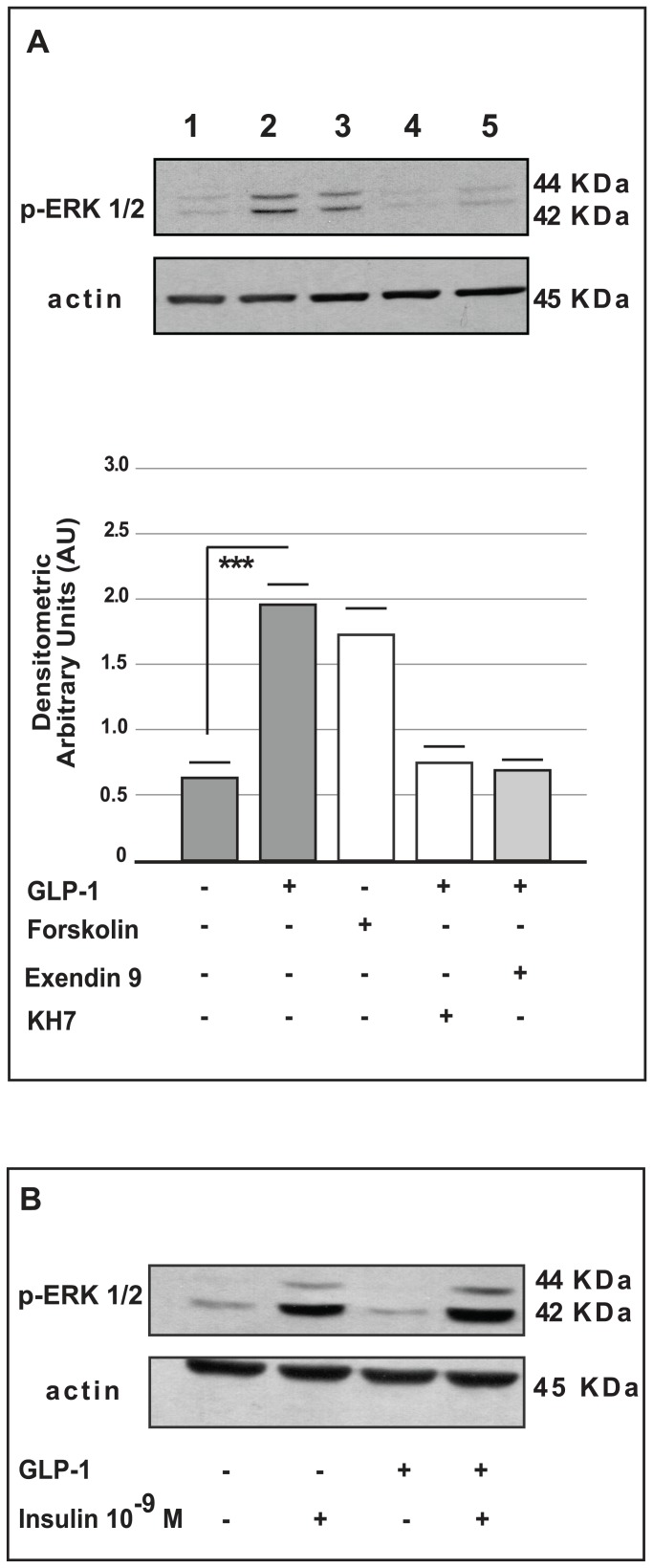
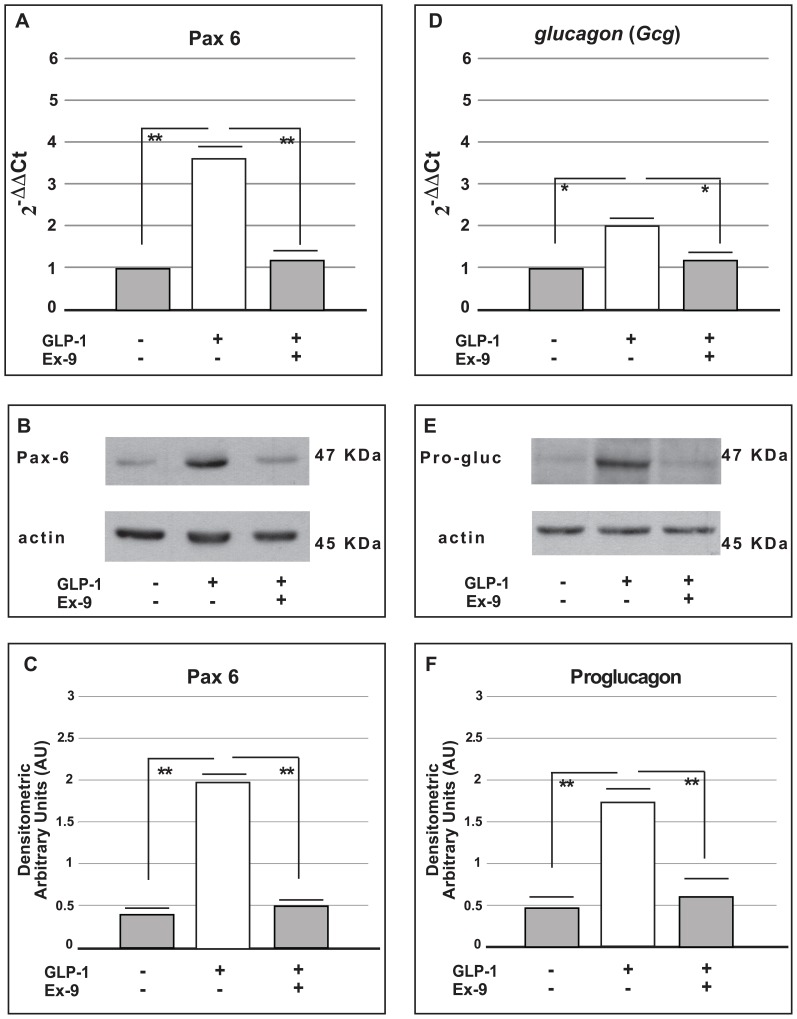
α-TC1-6 cell line was cultured in the presence or absence of GLP-1 (100 nmol/l) for up to 72 h. In our model GLP-1 receptor (GLP-1R) was measured. After the cells were exposed to GLP-1 the levels of glucagon secretion were measured. Because GLP-1 acts on intracellular cAMP production, the function of GLP-1R was studied. We also investigated the effects of chronic GLP-1 exposure on the cAMP/MAPK pathway, Pax6 levels, the expression of prohormone convertases (PCs), glucagon gene (Gcg) and protein expression, glucagon and GLP-1 production.
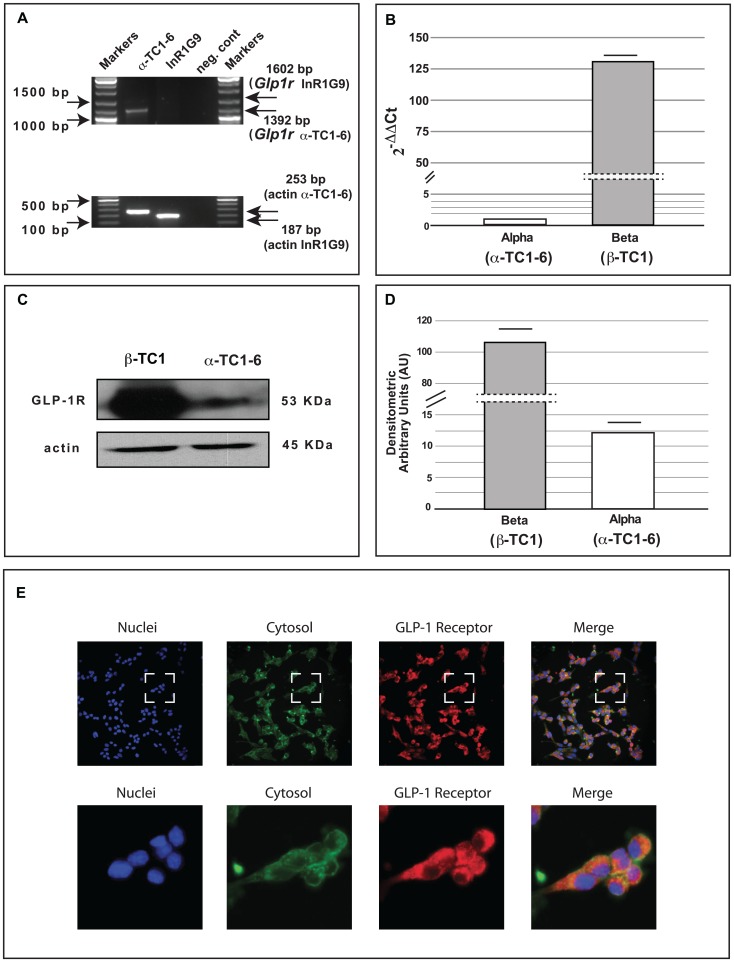
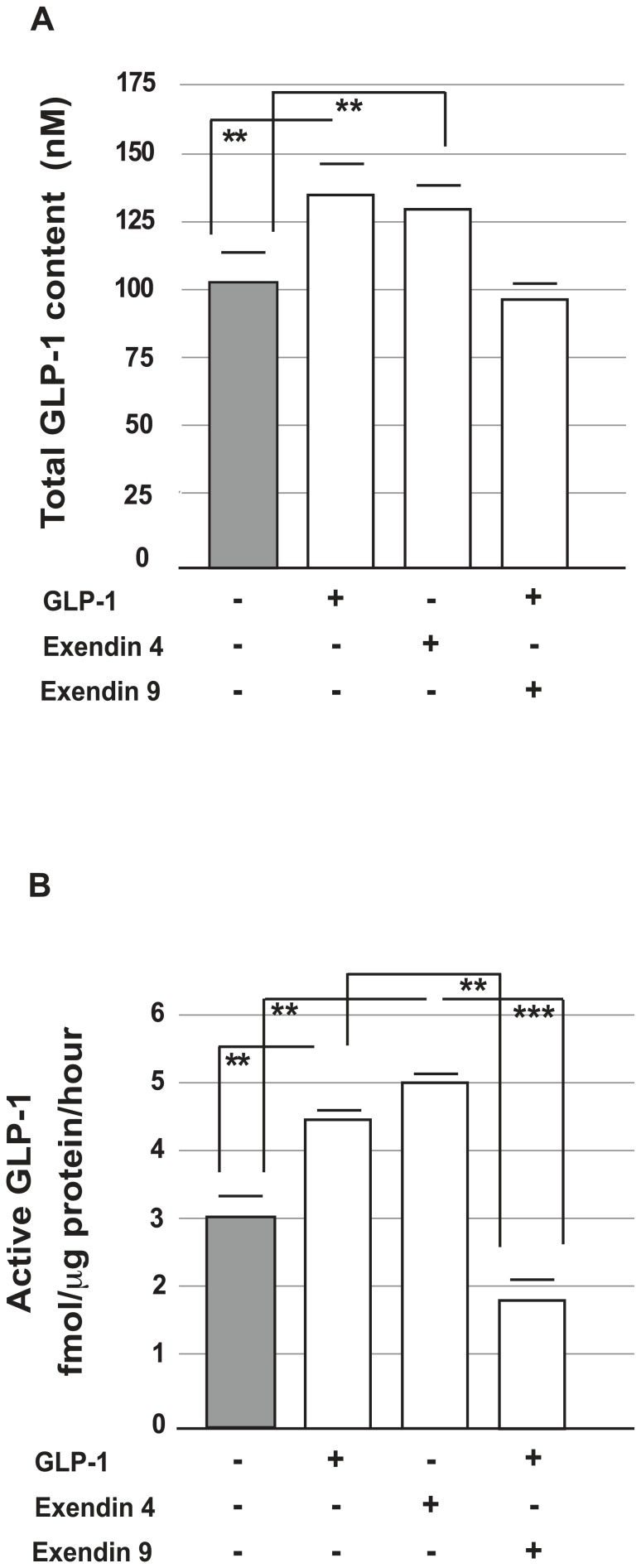
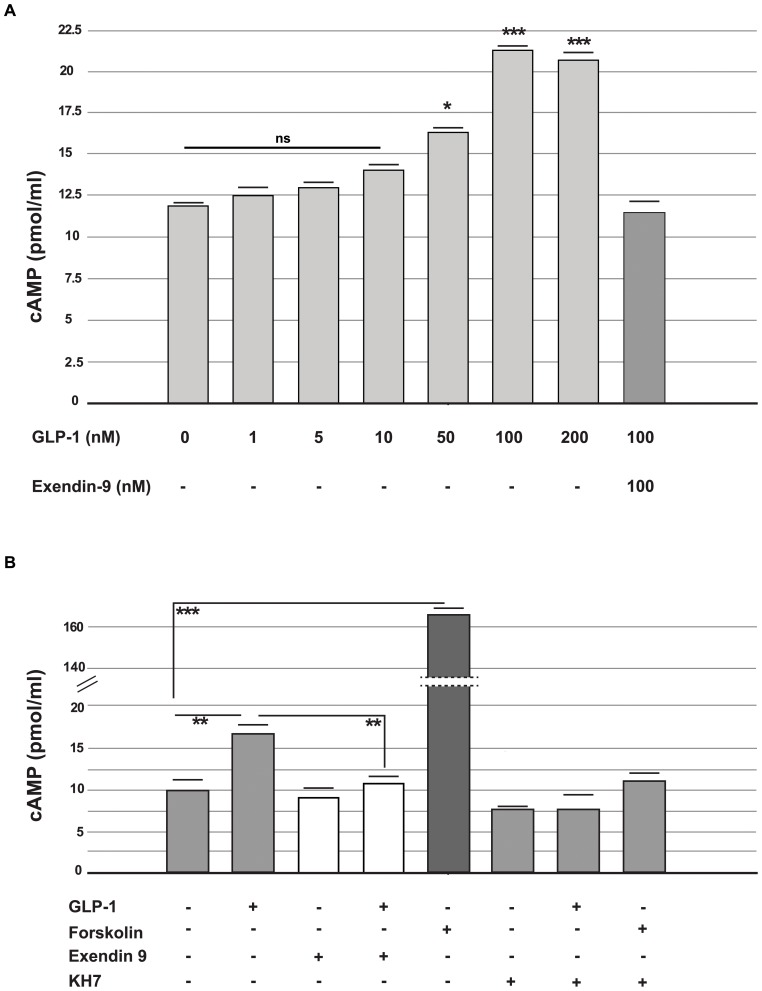
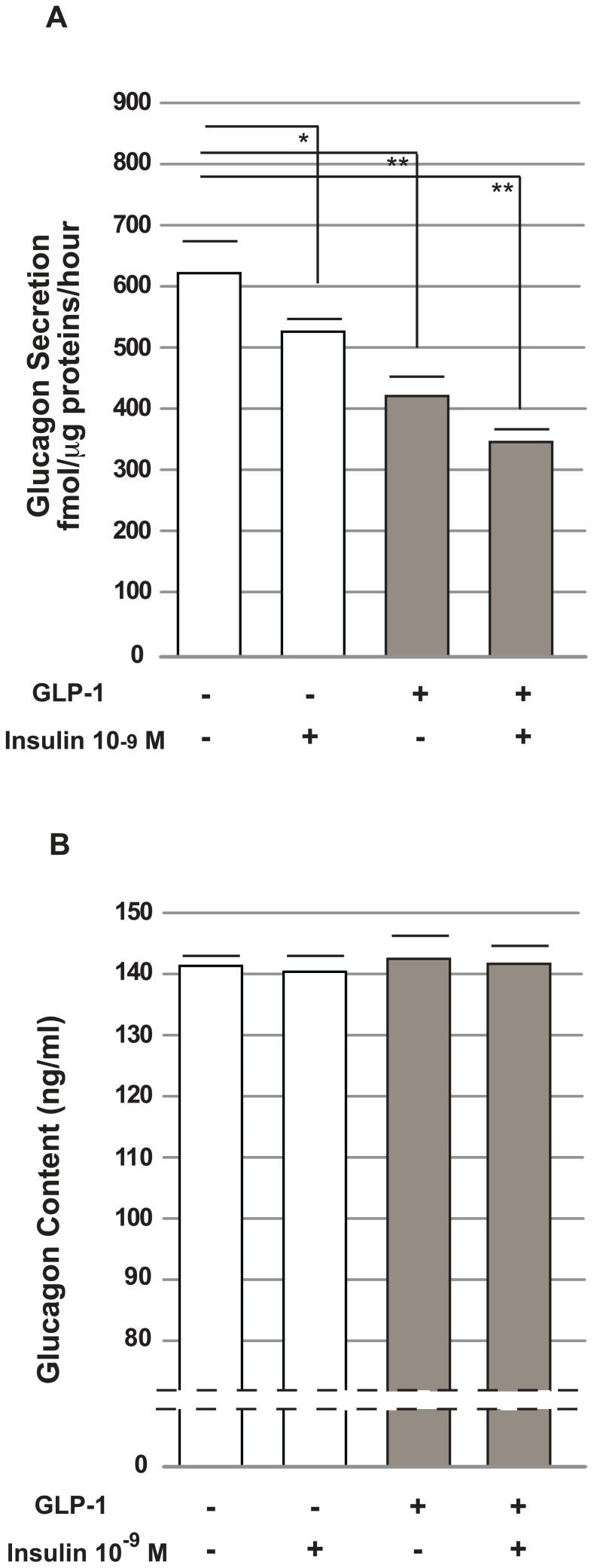
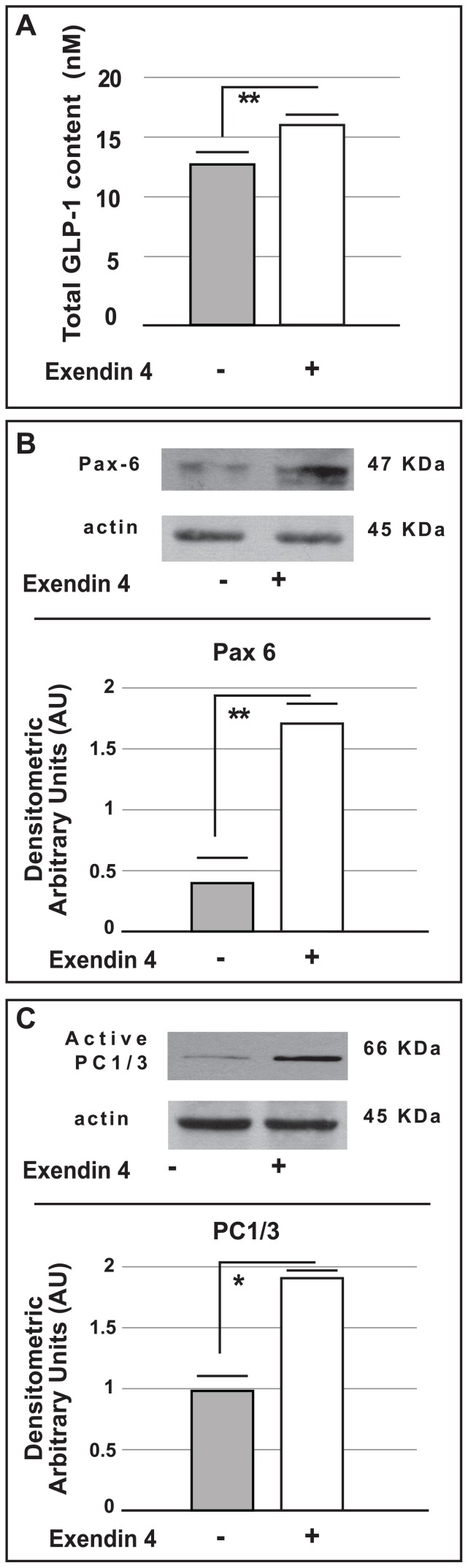
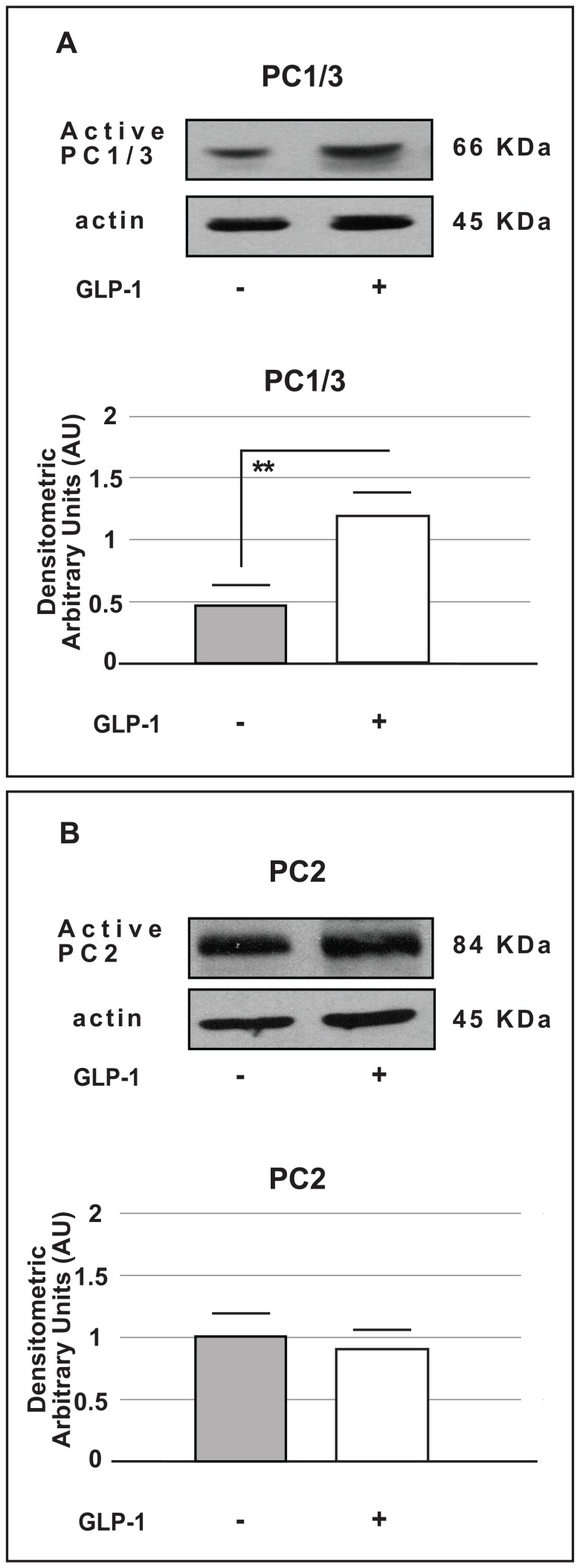
In our model, we were able to detect GLP-1R. After GLP-1 exposure we found a reduction in glucagon secretion. During further investigation of the function of GLP-1R, we found an activation of the cAMP/MAPK/Pax6 pathway and an increase of Gcg gene and protein expression. Furthermore we observed a significant increase in PC1/3 protein expression, GLP-1 intracellular content and GLP-1 secretion.
CONCLUSIONS/INTERPRETATION: Our data indicate that the chronic exposure of pancreatic alpha cells to GLP-1 increases the ability of these cells to produce and release GLP-1. This phenomenon occurs through the stimulation of the transcription factor Pax6 and the increased expression of the protein convertase PC1/3.
目的/假设:用于治疗糖尿病患者的肠促胰岛素疗法会导致循环中胰高血糖素样肽-1(GLP-1)水平长期高于生理水平。目前尚不清楚由此产生的高激素浓度如何影响胰腺α细胞。本研究旨在探讨长期暴露于高GLP-1水平对培养的胰腺α细胞系的影响。
α-TC1-6细胞系在有或无GLP-1(100 nmol/l)的情况下培养长达72小时。在我们的模型中检测了GLP-1受体(GLP-1R)。细胞暴露于GLP-1后,测量胰高血糖素分泌水平。由于GLP-1作用于细胞内cAMP的产生,因此研究了GLP-1R的功能。我们还研究了长期GLP-1暴露对cAMP/丝裂原活化蛋白激酶(MAPK)途径、配对盒基因6(Pax6)水平、激素原转化酶(PCs)的表达、胰高血糖素基因(Gcg)和蛋白表达、胰高血糖素和GLP-1产生的影响。
在我们的模型中,我们能够检测到GLP-1R。GLP-1暴露后,我们发现胰高血糖素分泌减少。在进一步研究GLP-1R的功能时,我们发现cAMP/MAPK/Pax6途径被激活,Gcg基因和蛋白表达增加。此外,我们观察到PC1/3蛋白表达、GLP-1细胞内含量和GLP-1分泌显著增加。
结论/解读:我们的数据表明,胰腺α细胞长期暴露于GLP-1会增加这些细胞产生和释放GLP-1的能力。这种现象是通过刺激转录因子Pax6和增加蛋白转化酶PC1/3的表达而发生的。